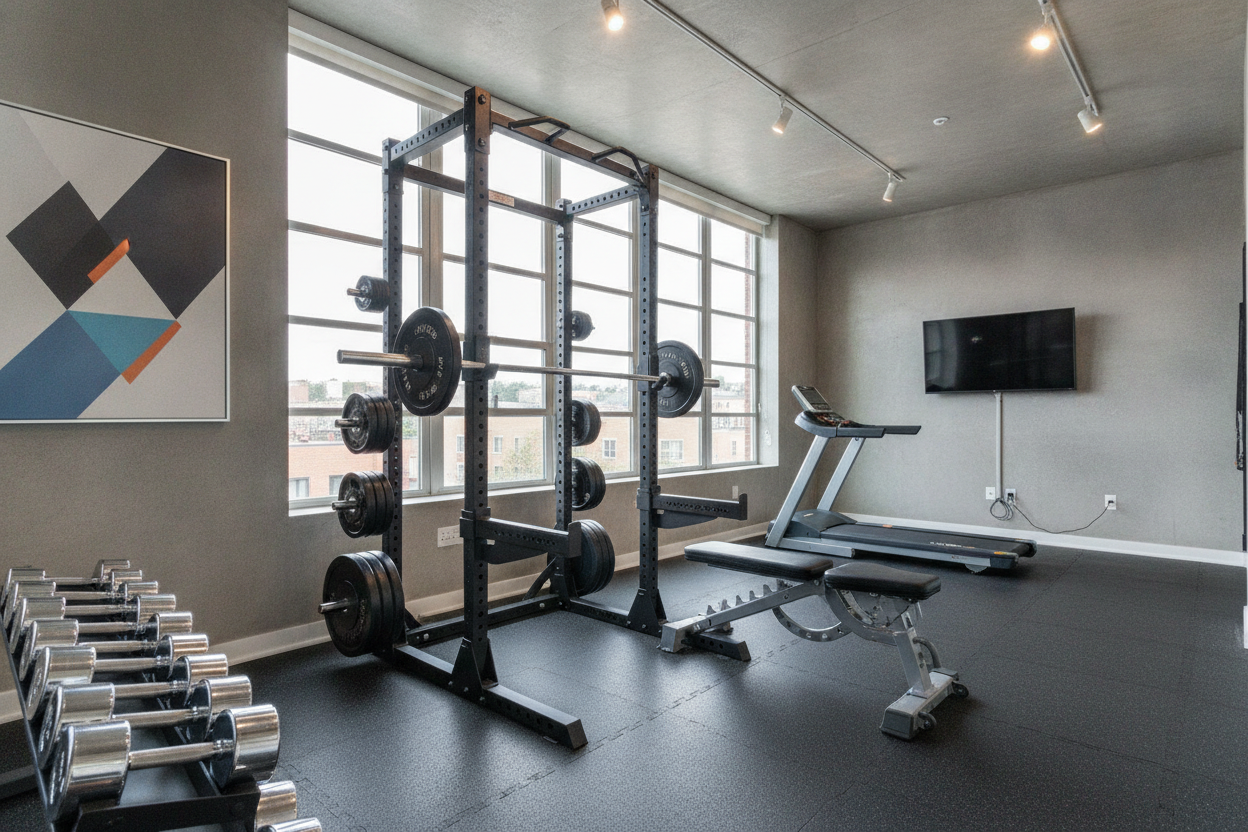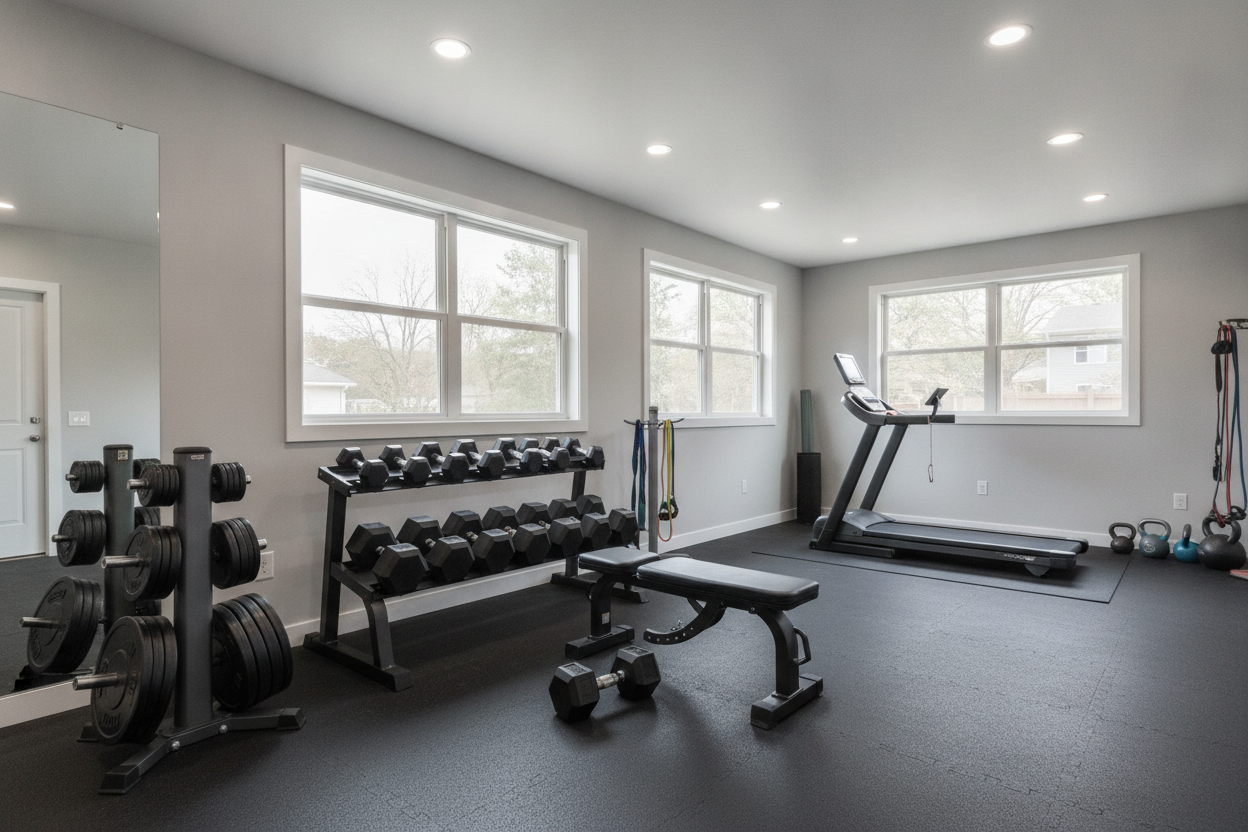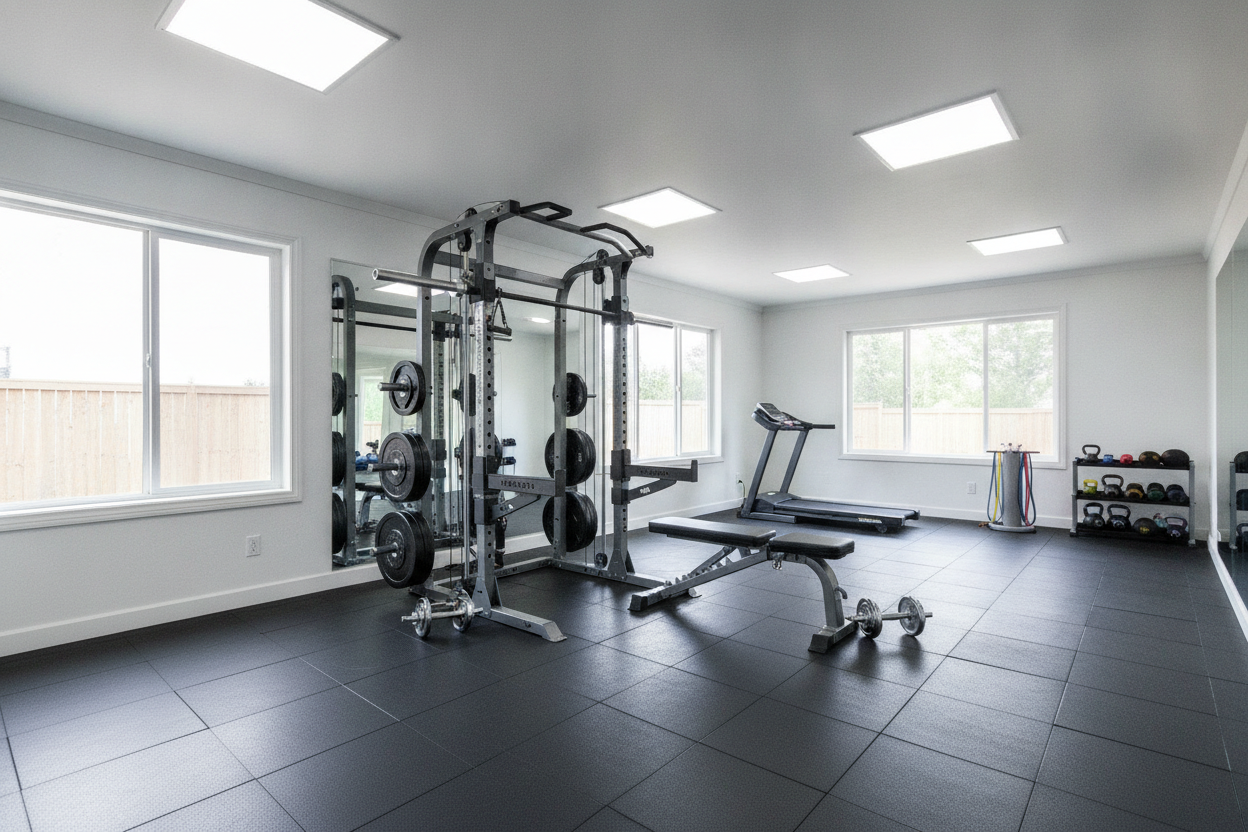
I Hate Most Combo Gym Equipment (But This Setup Works)
I remember scrolling through a late-night catalog, looking at a 12-in-1 rig that promised to replace my entire garage. It looked like a Transformer made of soda cans. I almost hit 'buy' because I was tired of my plates cluttering the floor, but I caught myself. Most combo gym equipment is just a collection of bad ideas bolted together by people who have never actually hit a PR.
- Look for 11-gauge or 12-gauge steel; anything thinner is a clothes hanger.
- Pulleys should be aluminum or high-grade nylon with sealed bearings.
- Dual weight stacks are non-negotiable for true functional training.
- If the unit weighs less than 400 lbs, it will probably wobble during your first set.
The 'Jack of All Trades' Problem in Garage Gyms
The marketing for gym combos is seductive. They show a guy doing fifty different exercises in a space the size of a closet. But here is the reality: when you try to cram a lat pulldown, a leg press, a Smith machine, and a pull-up bar into a tiny footprint, the biomechanics usually go to trash. The range of motion is often truncated, meaning you are only getting 70% of the muscle contraction you’d get on dedicated weight lifting machines.
I have tested rigs where the 'low row' station required me to sit at an angle that felt like I was trying to snap my own lower back. Cheap manufacturers prioritize the 'feature list' over the actual lift. If the machine tries to do everything, it usually does nothing well. You end up with a rack that is too narrow for comfortable benching and a cable system that catches every three inches.
What Makes a Combo Weight Machine Actually Good?
If you are going to drop a couple of thousand dollars on a combo weight machine, you have to look at the guts. I look for a 2:1 pulley ratio for functional movements—meaning 100 lbs on the stack feels like 50 lbs of resistance but gives you more cable travel. However, for heavy rows or pulldowns, a 1:1 ratio is king because it doesn't limit your strength ceiling.
The history of these units is interesting. Think back to the original universal gym weight machine setups. Those things were tanks. They didn't try to be fancy; they just provided heavy, stable resistance. Modern units that succeed are the ones that stick to that 'built-like-a-tank' philosophy. I want to see 3x3 inch uprights and 1-inch hardware. If I see thin, telescoping chrome tubes, I know the machine is going to feel like a toy within six months.
Don't Forget the Bench
I have seen guys spend $4,000 on a high-end functional trainer and then use a $99 bench they found at a big-box store. It is a massive mistake. Your stability is the foundation of your power. If you are trying to push heavy dumbbells or use the Smith machine attachment, you need a rock-solid adjustable weight bench that doesn't shift when you've got weight over your face. Look for a bench with a high weight capacity—at least 800 lbs—and minimal 'pad gap' so your spine stays supported during incline work.
The Few Gym Combos That Actually Make Sense
Not all hybrids are garbage. The most successful gym combos are the ones that pair logically related movements. For example, a functional trainer paired with a Smith machine is a powerhouse because they share the same frame and weight stacks without interfering with each other's range of motion. It turns a single footprint into a full-body station.
Another winner is the specialized leg station. Instead of a 'total body' machine, I prefer something like a dedicated leg extension curl machine. This works because the pivot point for both exercises is identical. You aren't compromising the mechanics of the leg curl just to fit the extension; you’re just flipping a lever. This is the kind of smart engineering that actually saves space without ruining your leg day.
How to Stress-Test a Rig Before You Buy
If you can't test it in person, look at the shipping weight. A heavy machine is a stable machine. Once you get it, or if you're in a showroom, pull the cables out slowly. You shouldn't feel any 'grittiness.' That grit is the sound of your cables fraying against cheap plastic pulleys. Grab the uprights and give the rig a good shake. If it rattles or sways, you’ll never feel confident doing weighted pull-ups on it.
Check the attachments too. Cheap rigs come with hollow, light-weight bars. A quality combo unit should come with solid steel handles that have decent knurling. If the manufacturer cheaped out on the handles, they definitely cheaped out on the bearings inside the frame.
My Personal Experience
I once bought a 'budget' all-in-one rack that arrived in three beat-up boxes. The assembly took eight hours, and by the end, I realized the Smith machine bar wasn't even level. Every time I squatted, the left side would catch. I spent more time lubing the guide rods than actually lifting. I eventually sold it for a third of what I paid and bought a heavy-duty power rack and a separate functional trainer. Sometimes, trying to save space actually costs you more in the long run.
FAQ
How much ceiling height do I need for a combo machine?
Most quality rigs stand between 80 and 84 inches tall. I recommend at least 90 inches of clearance so you don't smack your head on the ceiling during pull-ups.
Are plate-loaded or selectorized stacks better?
Selectorized stacks (the ones with pins) are much faster for drop sets and circuit training. Plate-loaded units are cheaper and allow you to use the plates you already own, but they take up more 'operating' space because you need room to load the sides.
Can I really get a full workout on one machine?
Yes, if the machine has dual pulleys and a pull-up bar. You can hit every major muscle group, though you might miss the specific 'feel' of a barbell for movements like the deadlift.