I Graded the Internet's Best Leg Exercise Videos (Here's Who Failed)
I spent three hours yesterday scrolling through fitness hashtags, and my lower back started hurting just from watching. It is a sea of neon leggings and 'hacks' that defy human anatomy. If you are looking for the best leg exercise videos, you are usually met with a wall of influencers trying to sell you a booty band while their knees cave in on a 45-pound squat.
We have reached a point where the algorithm rewards aesthetics over actual coaching. I have spent fifteen years under a barbell and another decade coaching others to do the same. I do not care how many followers someone has if they can not explain the difference between hip flexion and lumbar rounding. You need information that keeps you out of the physical therapist's office.
Quick Takeaways
- Most viral videos prioritize 'pump' and lighting over biomechanical safety.
- A legitimate tutorial must show multiple camera angles, specifically the side profile.
- Proper coaching cues focus on internal tension, not just moving weight from point A to point B.
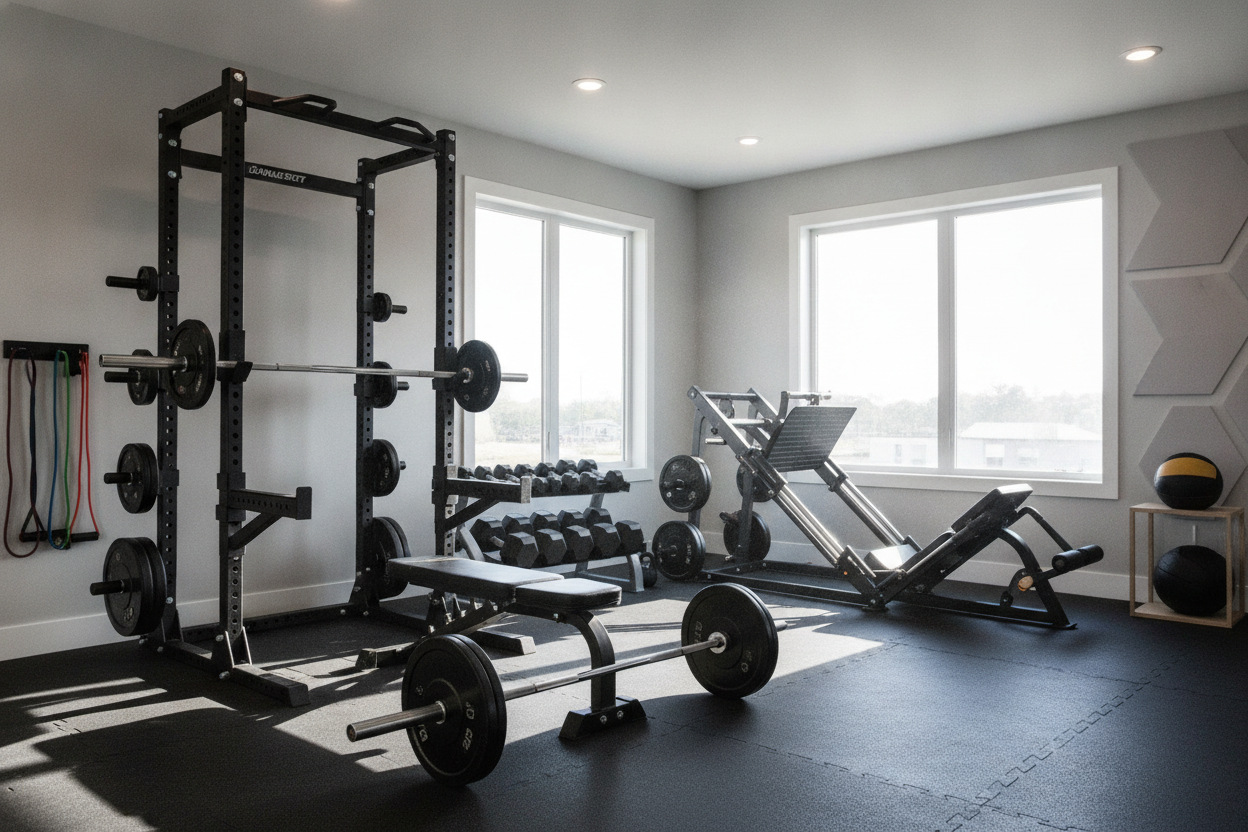
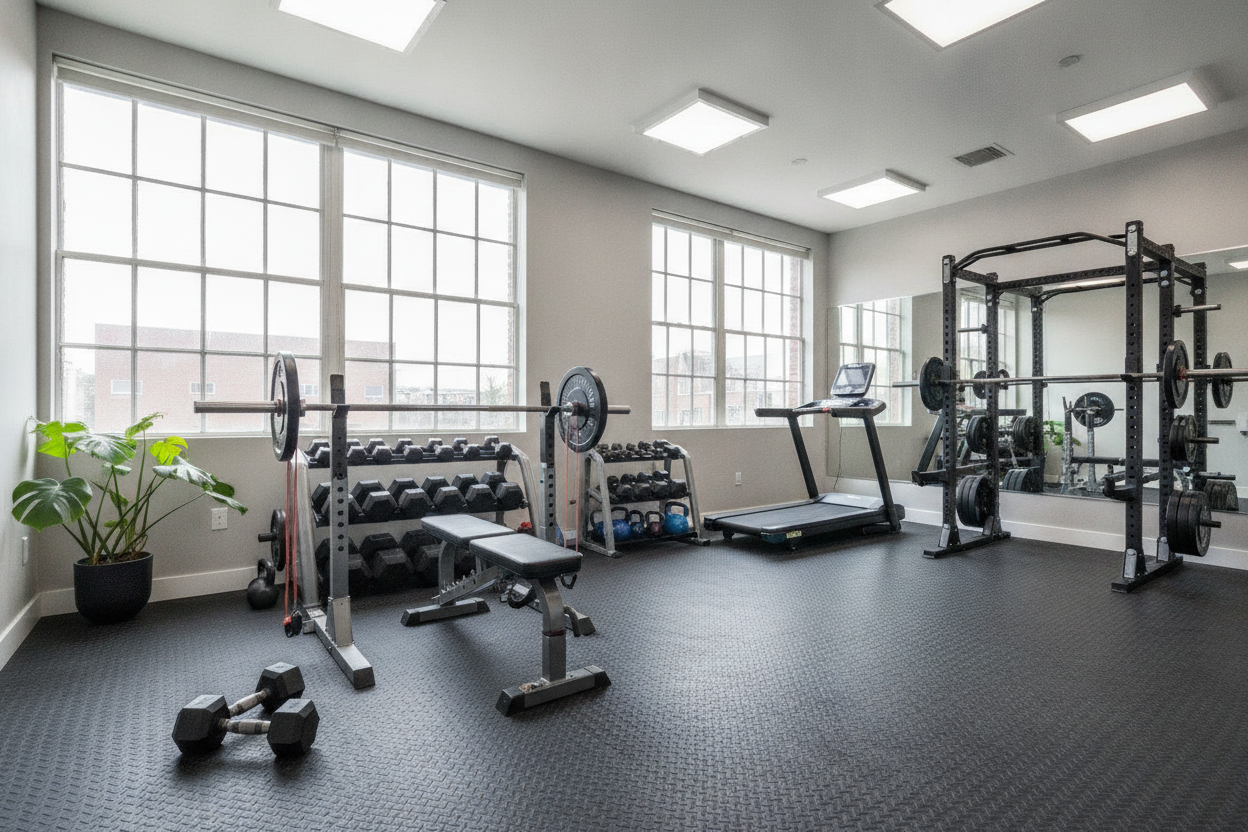
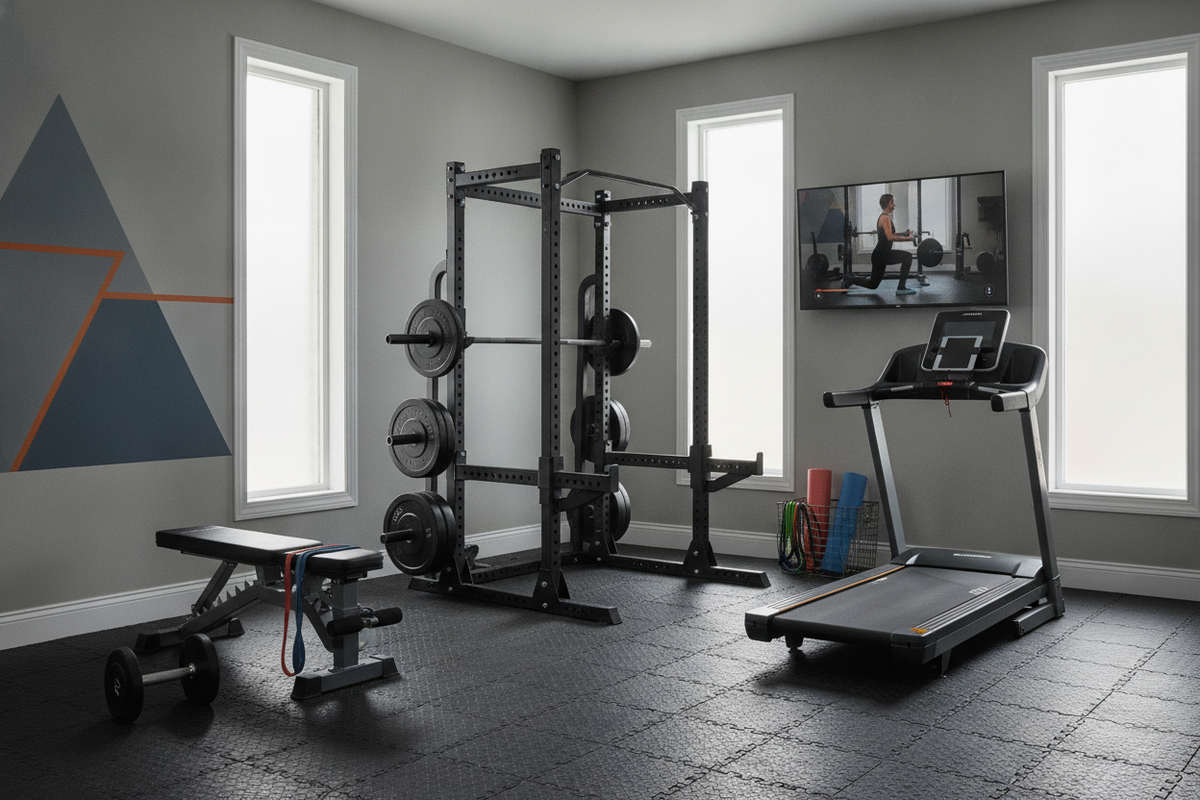
- High-quality flooring is non-negotiable when testing new movements at home.
Why 90% of YouTube Fitness Tutorials Are Absolute Garbage
The YouTube fitness machine is fueled by retention, not results. An educational video on bracing your core and rooting your feet is 'boring,' so it gets buried. Instead, you get '10-Minute Quad Blasters' that look more like a seizure than a workout. Finding a mechanically sound video tutorial is just as frustrating as finding a legitimate, fluff-free best leg press workout.
The problem is that these creators are often genetically gifted or using 'supplemental help' that allows them to grow muscle despite terrible form. When you mimic their sloppy range of motion, you are not getting their results; you are just getting their future joint pain. A real coach teaches you how to move your skeleton through space, not just how to sweat.
What Actually Makes a Tutorial One of the Best Leg Exercise Videos?
When I am vetting a video, I look for three things: zero fluff, anatomical landmarks, and clear regressions. If a video starts with five minutes of a lifestyle vlog, I am out. I want to see the coach pointing to the hip crease, explaining the path of the bar, and showing what a 'fail' looks like so you know how to avoid it.
The Camera Angle Is Hiding Bad Form
You cannot learn a proper squat from a front-facing camera angle with a wide-lens filter. It distorts the depth and hides whether the lower back is 'buttwinking' or if the weight is shifting onto the toes. The best leg workout video creators will use a direct side shot and often use on-screen graphics to show the vertical bar path. If they are only filming from a low angle to make their quads look bigger, they are not teaching—they are performing.
Coaching Cues vs. Just Counting Reps
A 'follow-along' video is a workout, not a tutorial. A true masterclass explains the 'why.' For example, instead of saying 'squat deep,' a good coach says 'drive your knees out to create space for your hips.' This is the difference between mindless movement and intentional training. Top-tier videos rely on science and anatomy, rather than throwing around meaningless buzzwords about the best exercise for leg toning.
My Pick for the Single Best Leg Workout Video on the Internet
If you want to actually learn how to move, look up Dr. Aaron Horschig of Squat University. His breakdown of the 'Tripod Foot' and hip hinge mechanics is the gold standard. He does not use flashy transitions or high-octane EDM. He uses a skeleton model and real-time corrections on athletes who actually lift heavy. It is the most comprehensive best leg workout video because it treats the squat as a skill, not just a way to burn calories.
He focuses on the 'Big 3' of leg training: stability, mobility, and then intensity. Most people jump straight to intensity and wonder why their patellar tendon feels like it is made of glass. Watching his content is like getting a doctorate in leg day without the tuition fees.
How to Practice These Lifting Cues Safely at Home
Once you have the knowledge, you have to apply it. But do not start testing your new depth on a slippery kitchen floor or a thin rug that bunches up. Practicing these new, complex lifting cues barefoot on a slippery hardwood floor is a recipe for disaster. You need a stable foundation where your feet can actually 'grip' the surface.
I always tell my clients to invest in the best large exercise mat they can find. You want something high-density that does not compress under a 200-pound load. Specifically, a 6x8ft exercise mat provides enough room to safely practice walking lunges and wide-stance squats without stepping off the edge onto the carpet. If your floor moves, your balance breaks, and your form goes out the window.
Personal Experience: The Lunge That Cost Me a Month
Years ago, I followed a 'pro' bodybuilder's video on high-volume lunges. He was doing them with his back arched and a massive stride. I copied him, felt a sharp 'zip' in my hip flexor, and could not squat properly for six weeks. I realized later his 'form' was just a way to show off his physique for the camera. Since then, I only trust coaches who talk about pelvic tilt and core bracing. Don't be like younger me—vet your sources.
Frequently Asked Questions
How can I tell if a fitness influencer actually knows what they are talking about?
Look for credentials like CSCS (Certified Strength and Conditioning Specialist) or a DPT (Doctor of Physical Therapy). If their only credential is 'I lost 50 pounds,' they are a success story, not necessarily a coach.
Are 'follow-along' leg workouts effective?
They are fine for cardio or general movement, but they are rarely good for building serious strength or perfecting form. You cannot focus on your internal cues while trying to keep up with a fast-paced video.
Should I watch my form in a mirror or record myself?
Record yourself from the side. A mirror can actually mess up your neck alignment because you are constantly turning your head to check your depth. Record a set, then compare it to a high-quality tutorial video.