I Fixed My Uneven Squat With Single-Leg Exercises for Glutes
I was reviewing footage of a 315-lb squat PR when I saw it. The right side of the barbell was rising faster than the left, tilting like a sinking ship. My right glute was doing about 70% of the heavy lifting while my left side was just along for the ride. I realized that if I wanted to keep adding plates without snapping myself in half, I had to prioritize single-leg exercises for glutes.
- Bilateral lifts like squats and deadlifts often mask significant strength imbalances.
- Unilateral work forces the 'lazy' side to handle 100% of the load.
- Stability is often the limiting factor in glute growth; use external support when needed.
- Proper flooring is non-negotiable to protect your knees during deep lunges.
The Day I Realized My Right Side Was Doing All the Work
Recording your sets is a humbling experience. I thought I was a symmetrical powerhouse until I watched that bar tilt. It wasn't just a technique flaw; it was a physical deficit. My left glute was functionally 'asleep' during heavy loads, and my lower back was starting to pay the price in the form of nagging SI joint pain.
I had spent years chasing a higher total on the big three lifts, ignoring the fact that my foundation was lopsided. This is the trap many of us fall into in a garage gym. We want to move heavy iron, but we ignore the accessory work that keeps us in the game. Realizing you have a single leg glute exercise deficiency is the first step toward a bigger, safer squat.
Why You Need Single Leg Exercises for Glute Imbalance
Your body is a master of compensation. If your left glute is weak, your right quad or your lower back will gladly step in to finish the rep. Over time, this creates a 'dominant' side that gets stronger while the weak side atrophies. This is why single leg exercises for glute imbalance are mandatory, not optional.
When you isolate one side, there is nowhere for the weakness to hide. You’ll likely find that while you can lung 80-lb dumbbells on your right, your left side wobbles with 50s. To fix this, I started using activation exercises for glutes that actually work as a warm-up. Waking up the neuromuscular connection before hitting heavy unilateral loads is the only way to ensure the right muscles are actually firing.
The Best Single-Leg Glute Exercises (That Actually Build Mass)
Forget the 'toning' drills you see on social media. If you want to fix an imbalance and build actual muscle density, you need to load these movements. We aren't looking for balance-beam circus acts; we are looking for mechanical tension. These are the best single-leg glute exercises I’ve used to rebuild my posterior chain from the ground up.
The Bulgarian Split Squat (Glute-Dominant Setup)
Most people treat the Bulgarian Split Squat as a quad burner. To turn this into a brutal single-leg glute exercise, you need two things: a long stride and a forward torso lean. By putting your front foot further out and leaning your chest over your knee, you increase the stretch on the glute at the bottom of the movement.
I use a dedicated foot roller for these, but a flat bench works fine if you don't mind the edge digging into your ankle. Don't be a hero with the weight here. Start with a pair of 30-lb dumbbells and focus on the deep stretch. If you feel it in your quad, shift your front foot further forward.
Single-Leg Romanian Deadlifts (Using a Wall for Support)
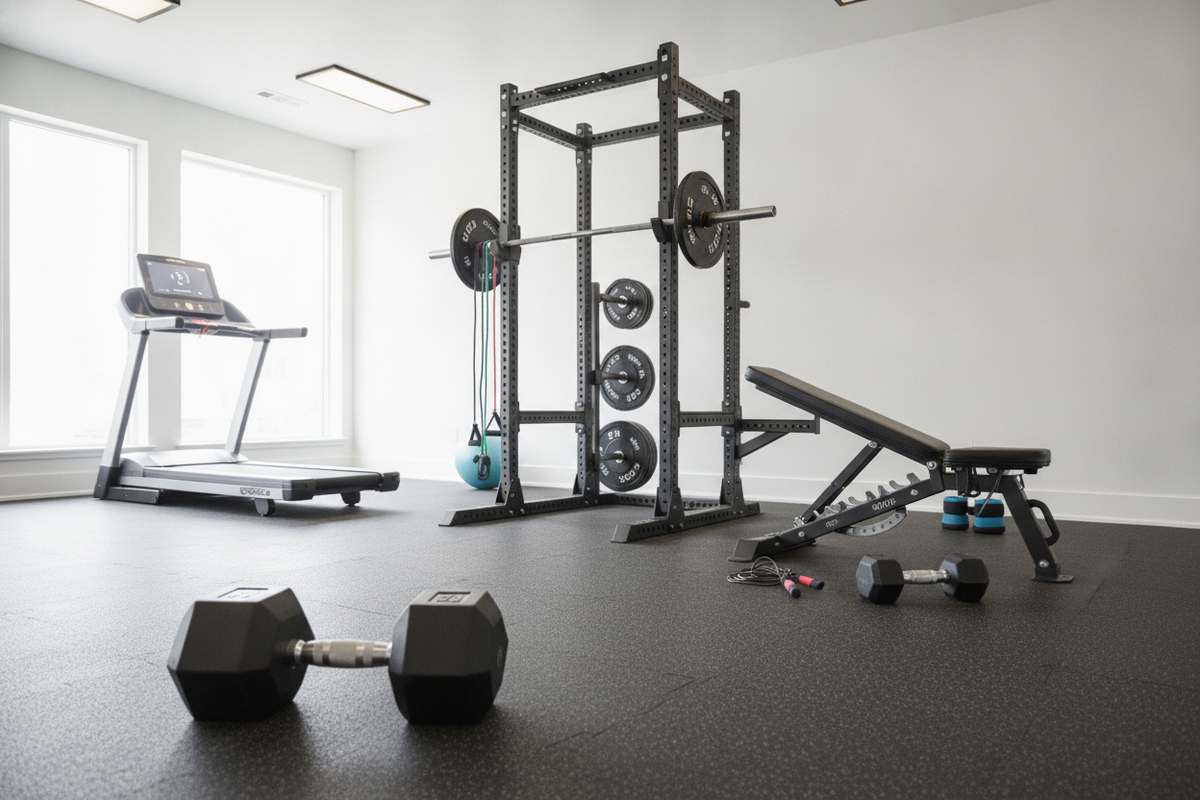
The biggest mistake people make with one leg glute exercises is trying to balance like a yogi. If you are wobbling, you aren't lifting heavy enough to grow. I do my single-leg RDLs with one hand lightly touching my power rack for stability. This allows me to load a 100-lb dumbbell without falling over.
Keep a slight bend in the working knee and push your hips back as far as possible. You should feel a massive pull in the glute-hamstring tie-in. Because you aren't worried about falling, you can actually focus on the eccentric phase, which is where the real growth happens.
Deficit Reverse Lunges
By standing on a 2-inch weight plate or a small platform, you increase the range of motion. This extra depth puts the glute under a massive amount of tension in the lengthened position. It’s one of the most effective single leg workouts for glutes because it combines a stretch with a powerful concentric drive.
I prefer these over forward lunges because they are much easier on the patellar tendon. When you step back, it’s easier to keep your front shin vertical, which keeps the focus on the hip rather than the knee. I’ve found that doing sets of 12-15 reps here provides a pump that makes walking back to the house a genuine challenge.
How to Program Single Leg Workouts for Glutes
You don't need to dedicate an entire day to unilateral work, but you do need to be strategic. I found the best results by placing one heavy unilateral movement immediately after my primary bilateral lift. If I’m squatting on Monday, I follow it with Bulgarian Split Squats. If I’m deadlifting on Thursday, I follow it with Single-Leg RDLs.
If you're looking for a more structured approach, I recommend checking out this 3-day glute exercise plan. It integrates these movements in a way that allows for recovery while still hammering the weak points. Always start with your weaker leg first and only do as many reps on your strong leg as your weak leg managed to complete. That is the only way to close the gap.
Don't Trash Your Knees on the Garage Floor
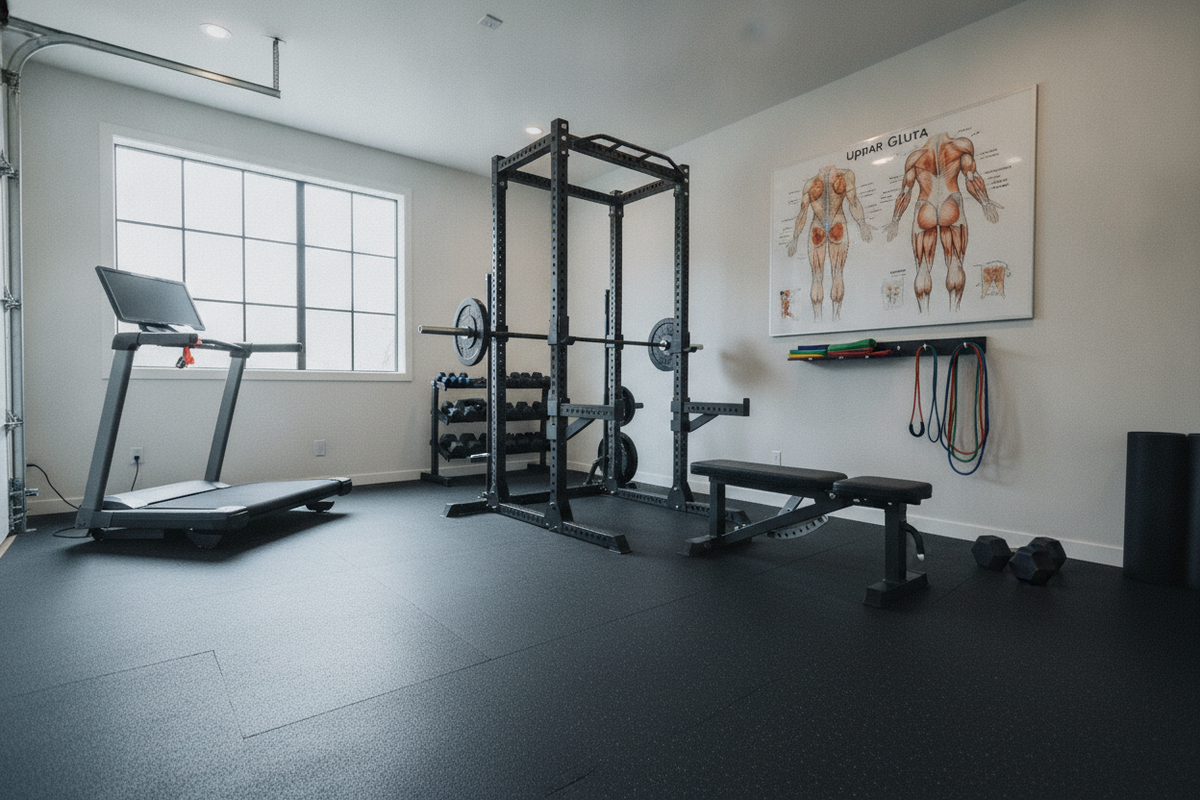
If you are training in a garage like I am, the concrete is your enemy. Dropping your back knee onto bare concrete during a deficit lunge is a fast track to bursitis. I learned this the hard way after a week of 'toughing it out' left me with knees that clicked every time I sat down.
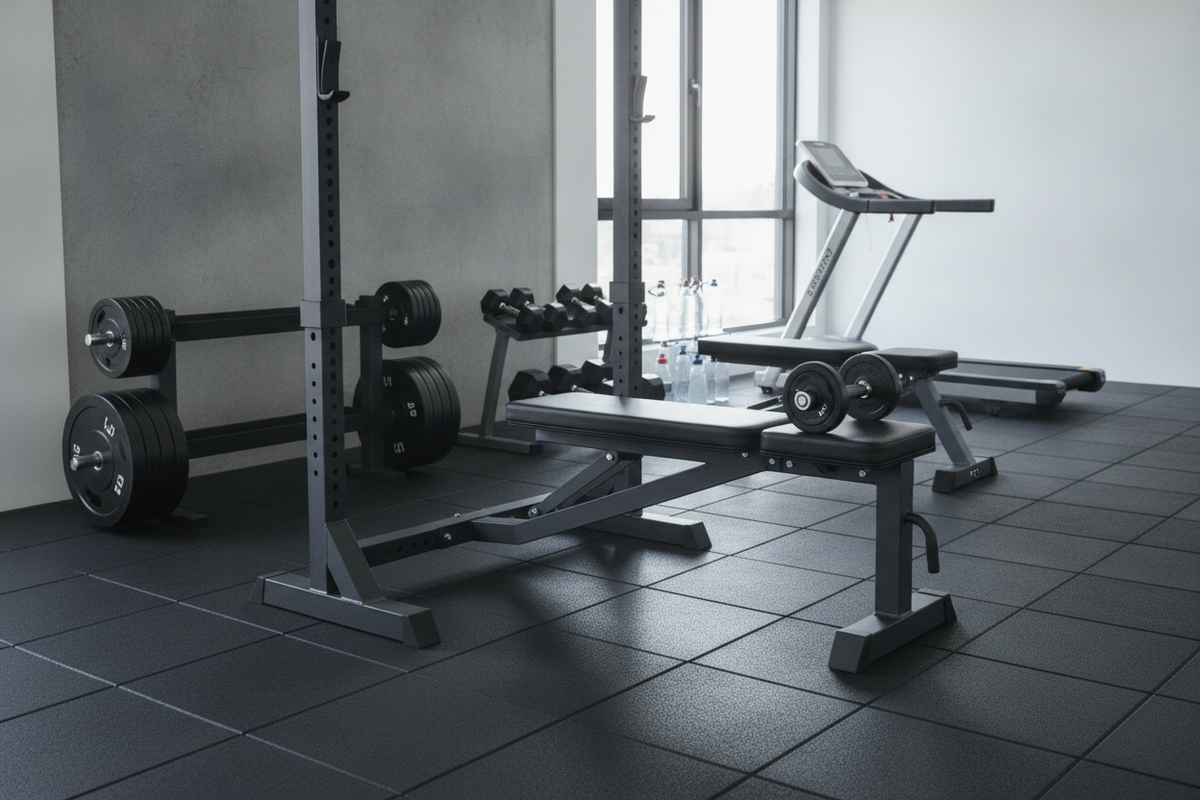
You need a high-density surface that offers both grip and cushion. I highly suggest getting a large exercise mat for home gym use. It gives you the freedom to move through these lunges and split squats without worrying about your joint health. Plus, it stops your sweat from turning the concrete into a slip-and-slide.
FAQ
Do I have to use dumbbells for these?
No, you can use a barbell or a Landmine attachment. However, dumbbells or kettlebells are usually better for unilateral work because they allow for a more natural center of gravity and easier bailing if you lose your balance.
How many days a week should I do single-leg work?
Twice a week is the sweet spot for most people. It’s enough frequency to fix an imbalance without frying your central nervous system to the point where your main lifts suffer.
Why does my lower back hurt during single-leg RDLs?
You’re likely reaching with your arm instead of hinging with your hip. Keep the weight close to your leg and stop the descent once your hips stop moving backward. Going lower just to touch the floor usually results in spinal rounding.