I Finally Stopped Paying the Rogue Strength Tax (Here's Why)
I remember staring at my online shopping cart at 2:00 AM, sweating more than I did during my last set of heavy triples. I was about to drop four figures on a power rack just because it had a specific white logo on the crossmember. I wanted that legendary rogue strength status, but I had to ask myself: am I buying a tool or a trophy? I've spent the last decade filling my garage with 11-gauge steel, and I've learned exactly where the premium price tag matters and where it's just expensive wallpaper.
- Spend big on the barbell; it is your primary interface with the weight.
- Power racks need to be heavy-duty 3x3 steel for safety, not just brand name.
- Cast iron is cast iron—don't pay a premium for 'calibrated' plates if you aren't competing.
- Generic attachments often fit name-brand racks perfectly if the hole spacing matches.
Wait, Are We Talking About D&D or Garage Gyms?
Let's clear the air before we start talking about knurling and rack depth. If you landed here because you are trying to optimize a strength rogue 5e build or figuring out the best dnd strength rogue multiclass, you've taken a wrong turn at the dungeon entrance. While a str rogue 5e character might need high Athletics to grapple, we are talking about physical steel and 190,000 PSI tensile strength bars.
Unless your 5e strength rogue is literally lifting a 45lb plate, this guide is for the garage gym addicts. If you're building a strength based rogue 5e in your campaign, go find a d20. If you're building a strength based rogue in your basement, stick around. We're about to save you enough money to buy a whole new set of dumbbells.
The Cult of the Black Powder Coat
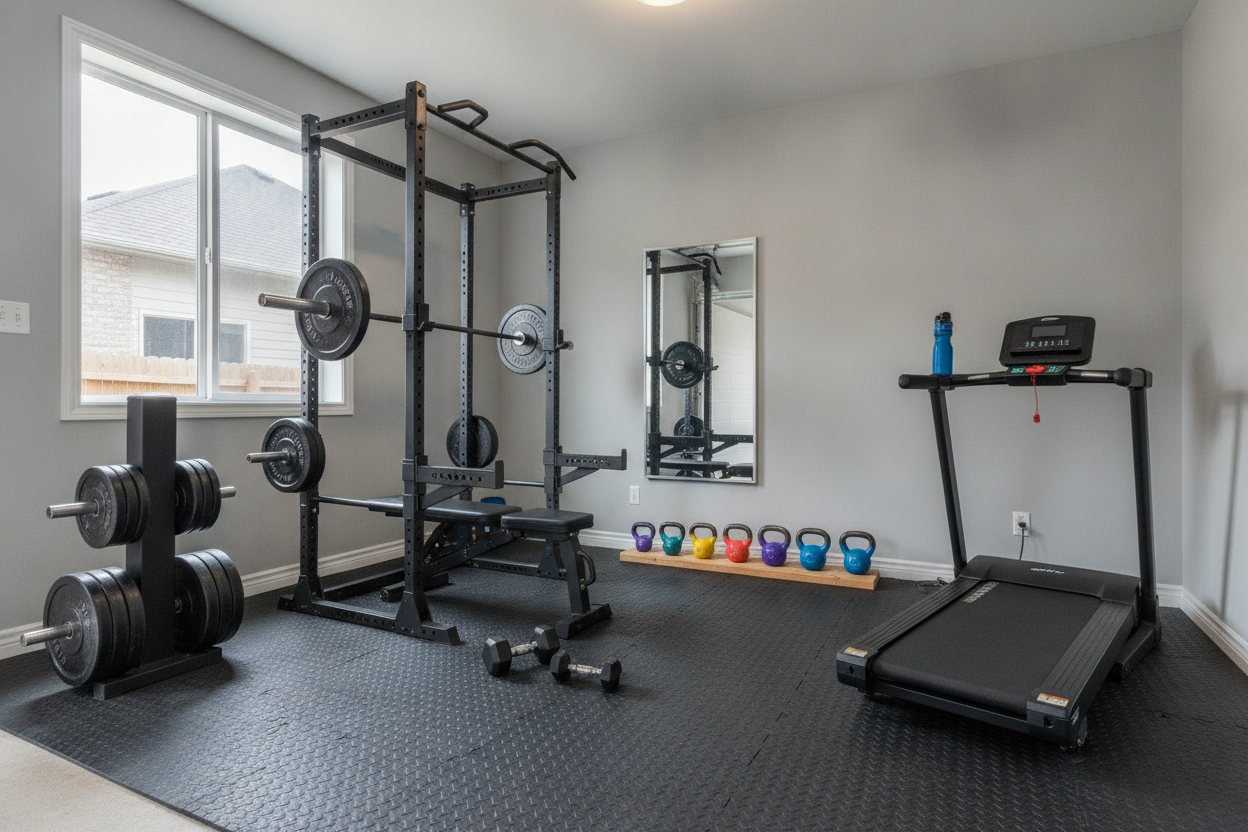
There is a psychological pull to having a gym that looks like it belongs in a CrossFit Games documentary. That signature black powder coat and the overbuilt 3x3 tubing make you feel like you can't fail a lift. But let's be real: the iron doesn't know what brand name is stamped on the uprights. The market is flooded with strength equipment that uses the same Chinese or Indian steel as the big-name brands but costs 40% less because they don't sponsor every major lifting event on the planet.
Social media has turned home gyms into a status symbol. We've all seen the 'garage gym tours' where every single J-cup and safety strap is color-coordinated. It looks great for the 'gram, but it doesn't add a single pound to your total. I've seen guys pull 600 lbs on a rusted-out bar in a shed and guys fail at 135 lbs in a $20,000 custom-branded sanctuary. The gear is a tool, not a personality.
When You Should Absolutely Pay for Premium Gear
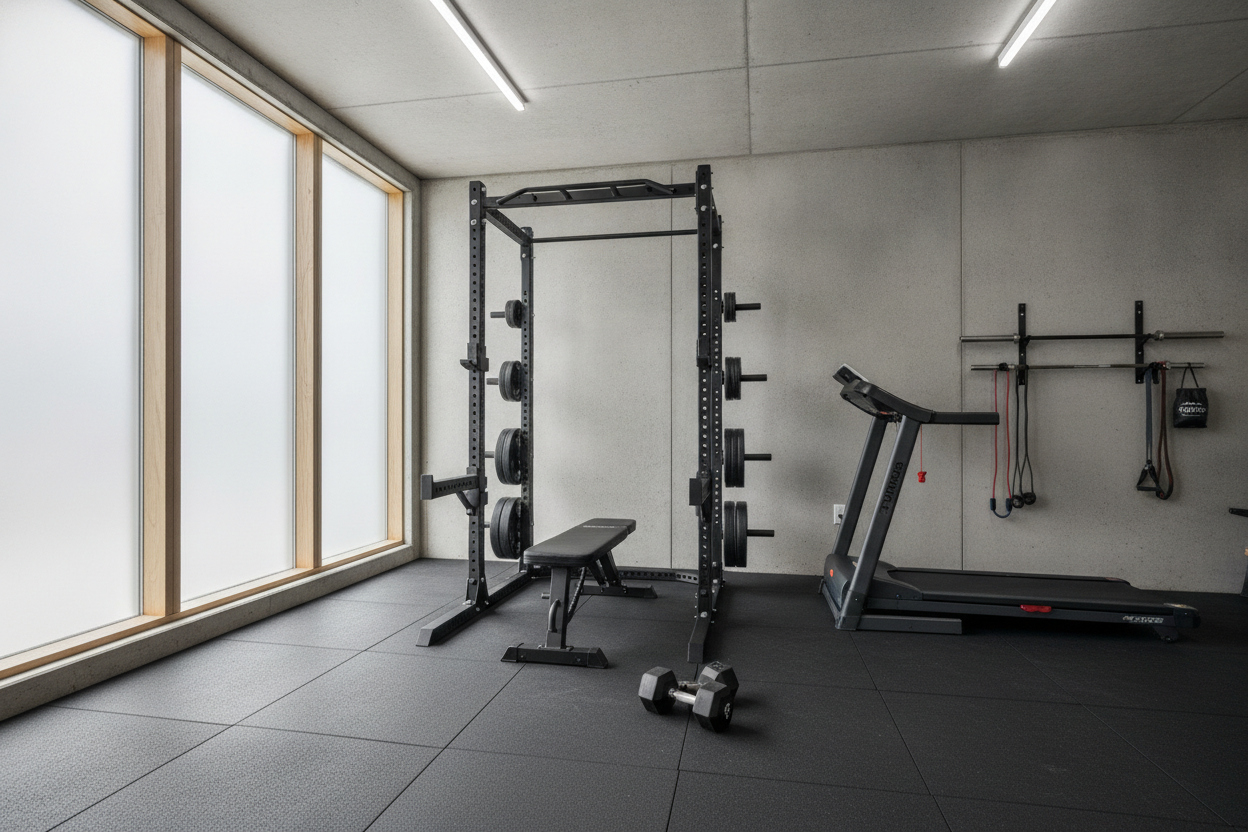
I'm not saying you should buy the cheapest junk on Amazon. There are places where 'good enough' can get you killed. If you're moving serious weight, your power rack needs to be a tank. I look for 3x3 11-gauge steel with 1-inch or 5/8-inch hardware. If the rack weighs less than 300 lbs, I'm not trusting it with my life during a failed squat. This is where the premium brands shine—their welds are cleaner, their tolerances are tighter, and they won't wobble when you're racking a heavy bar.
The barbell is another non-negotiable. A cheap bar will bend, the sleeves will stop spinning, and the knurling will feel like wet soap. I've used bars with 210,000 PSI tensile strength that felt like they were glued to my hands. That's worth the extra $150. You want a bar that has a lifetime warranty against bending because, trust me, you will drop it eventually.
Where You're Just Buying a Logo (Save Your Cash)
Now for the honest truth: a 45-lb cast iron plate from a budget brand weighs 45 lbs. Unless you are an elite powerlifter where a 0.5% weight variance matters, paying $3.00 per pound for a logo is insanity. I've mixed and matched plates for years, and my muscles can't tell the difference between a 'deep dish' boutique plate and a generic one I found on Craigslist. Metal is metal.
The same goes for most strength training accessories. You don't need a $100 name-brand landmine attachment when a $30 generic one performs the exact same task. Pull-up bars, dip stations, and weight trees are basic fabrication jobs. If the steel is thick and the powder coat isn't flaking off in your hand, you're good to go. Stop paying the 'cool guy' tax on things that just sit there and hold weight.
The Trap of Over-Accessorizing
I've seen people buy every specialized attachment under the sun—belt squat levers, jammer arms, ISO-lateral trainers. Most of these end up as expensive coat racks. A true strength based rogue in the gym relies on the big four: squat, bench, deadlift, and overhead press. You don't need a dozen micro-attachments to get strong. You need a solid bar, a safe rack, and the discipline to use them consistently. Every dollar you spend on a niche attachment is a dollar you could have spent on more plates.
How I'd Build a Setup From Scratch Today
If I were starting over with a $3,000 budget, I wouldn't go all-in on one brand. I'd buy a high-end power bar—something with aggressive knurling and great whip. Then, I'd find a mid-tier 3x3 rack from a company that doesn't spend millions on marketing. I'd hunt for used iron plates on the secondary market and spend the remaining cash on a high-quality adjustable bench that doesn't gap in the middle. This hybrid approach gives you the performance of a pro gym at a fraction of the cost.
FAQ
Is Rogue equipment actually better than budget brands?
In terms of finish and resale value, yes. In terms of making you stronger, no. Their quality control is top-tier, but you are definitely paying a premium for the brand name and the 'made in the USA' manufacturing.
Can I use Rogue attachments on a different rack?
Usually, yes, as long as the upright dimensions (like 3x3) and the hole sizes (5/8 inch or 1 inch) match. Always measure your rack's hole spacing before buying expensive accessories.
What is the most important piece of equipment to buy brand name?
The barbell. It's the only piece of gear you actually touch during the lift. A bad rack is annoying; a bad bar is a safety hazard and a performance killer.