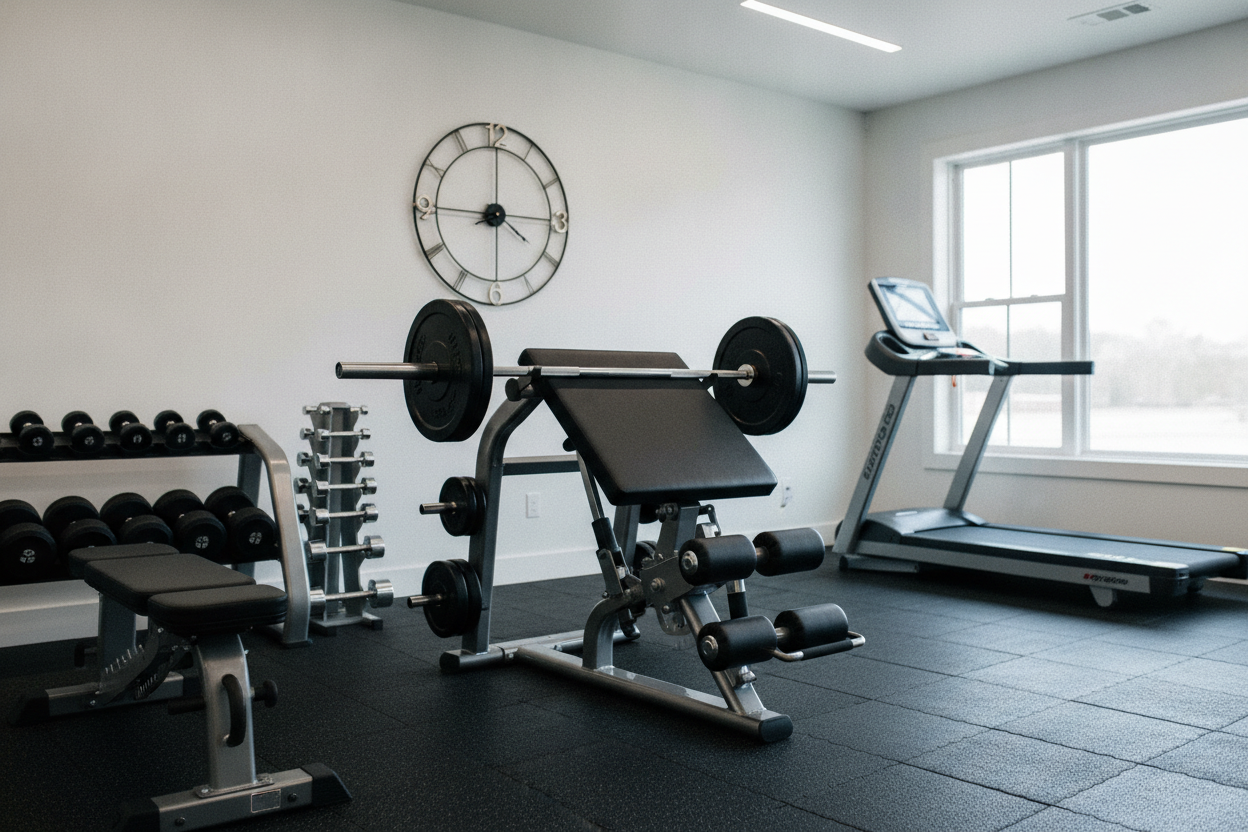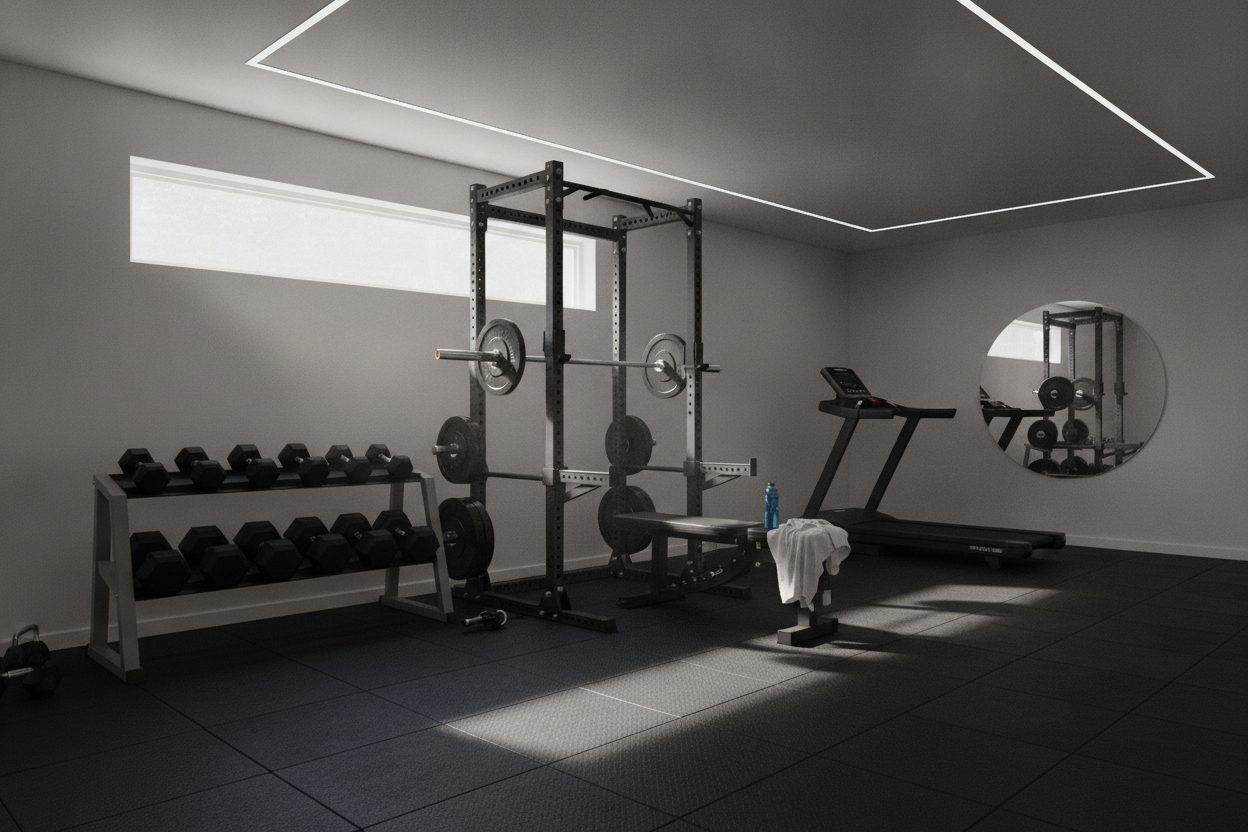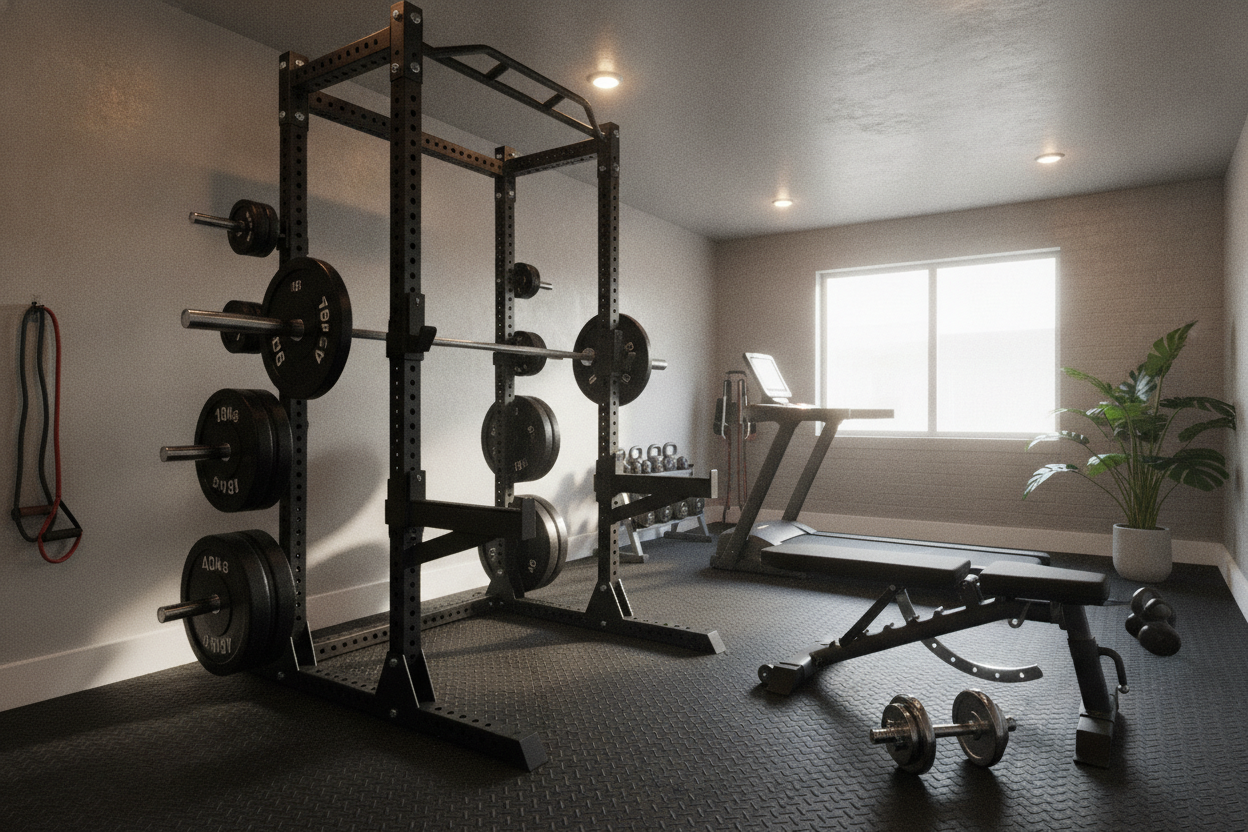
I Finally Figured Out How to Get Gear Gym Quality at Home
I remember buying my first 'power rack' from a big-box retailer. It arrived in a box that felt suspiciously light, and the moment I racked a 225-pound squat, the whole thing swayed like a palm tree in a hurricane. That was the day I stopped looking at 'home fitness' catalogs and started obsessing over how to get gear gym owners would actually allow on their floor.
The secret isn't having a ten-thousand-dollar budget; it's knowing how to spot the difference between a toy and a tool. Most people overpay for shiny paint on 14-gauge steel that will fail the moment they start moving real weight. I've spent the last decade scouring liquidations and testing industrial-grade racks to find the shortcut to a professional-grade setup without the professional-grade invoice.
Quick Takeaways
- Always prioritize 11-gauge steel over the flimsy 14-gauge found in retail stores.
- Commercial liquidations are the best where to get gear gym pros use for pennies on the dollar.
- Protect your foundation with 3/4-inch rubber before you even think about buying a rack.
- Check barbell sleeves for spin and straightness before handing over cash for used iron.
The 'Home Use' Trap: Why Cheap Gear Always Breaks
The fitness industry loves the term 'residential grade.' It's code for 'this will rattle when you use it.' Most home gear is built with thin-walled steel and plastic bushings that disintegrate under heavy loads. If you're serious about training, you quickly realize why your home gym setup matters beyond just aesthetics—it's about safety and longevity.
Buying a cheap rack is a tax on people who don't know better. You'll spend $300 today, realize it’s unstable when you hit a PR, and then spend another $800 to replace it. Save yourself the headache. Look for 3x3-inch or 2x3-inch uprights. If the steel feels like you could dent it with a hammer, it doesn't belong in your garage.
Where to Get Gear Gym Owners Actually Trust
You don't find the good stuff on the first page of a Google search. If you want to know where to get gear gym veterans source their heavy iron, you have to look at the secondary market. Commercial gyms close down or upgrade their equipment every 5 to 7 years. This is your window to strike.
Check sites like GovDeals or local auction houses for school district weight room upgrades. I’ve seen Hammer Strength racks go for $200 because the school just wanted them gone. Facebook Marketplace is a gold mine, but you have to be fast. Set alerts for 'commercial plates' or '11-gauge rack' and have your truck ready. This is the most cost-effective way to get industrial-grade durability on a basement budget.
Decoding the Specs: How to Get Gear Gym-Ready
When you're evaluating a piece of equipment, ignore the brand name and look at the specs. A gym-quality rack should be made of 11-gauge steel. The lower the gauge number, the thicker the steel. If a manufacturer doesn't list the gauge, assume it's garbage. Weld quality is the next tell-tale sign—look for 'stacked dimes' rather than messy, bubbly welds that look like they were done in a hurry.
Weight capacity is another big one. A bench rated for 500 lbs sounds like a lot, but subtract your body weight and a heavy set of dumbbells, and you're suddenly red-lining the equipment's structural integrity. Following the male garage gym rules means overbuilding everything. If you plan to bench 300, buy a bench rated for 1,000.
Your Foundation: Don't Destroy Your Concrete
I see it all the time: someone buys a $1,500 Rogue rack and then sets it directly on their garage floor. One heavy deadlift session later, and their foundation is cracked. You need a high-impact large exercise mat for home gym use to distribute the force of dropped weights.
Don't settle for those puzzle-piece foam mats from the toy aisle. They compress under weight and offer zero protection for your concrete. You want 3/4-inch thick recycled rubber. It dampens the noise, saves your joints during plyometrics, and keeps your expensive plates from chipping when you drop them from hip height.
My Personal Sourcing Checklist for Used Iron
Before you hand over cash for used gear, run this quick audit. For barbells, strip the weights and spin the sleeves. If they grind or stop immediately, the bearings are shot. Roll the bar on a flat floor; if it wobbles, it’s bent and useless for anything other than landmine rows.
For plates, check for cracks in the hub. Cast iron is brittle. If a plate was dropped repeatedly on concrete, it might have hairline fractures that will eventually cause it to split. For adjustable benches, check the pop-pins. If the locking mechanism feels mushy, walk away. Your safety isn't worth saving fifty bucks on a sketchy seat.
Personal Experience: The $50 Barbell Mistake
Early on, I bought a '45-lb bar' from a guy for fifty bucks. It looked fine in his driveway. The first time I loaded it with 315, the bar stayed bent in a permanent 'U' shape. It wasn't even real spring steel; it was basically a glorified pipe. I learned the hard way that a high-quality barbell is the one thing you should never go cheap on. Now, I only buy bars with a minimum 190,000 PSI tensile strength. It’s the difference between a bar that lasts a lifetime and one that becomes scrap metal after one heavy session.
FAQ
What is the best steel gauge for a home gym rack?
11-gauge is the gold standard for commercial and serious home gyms. 14-gauge is too thin for heavy lifting and will likely wobble or bend under significant load.
Is it safe to buy used gym equipment?
Yes, as long as you inspect the structural welds and moving parts. Iron plates are almost always safe to buy used, but be cautious with adjustable benches and machines with cables.
How much should I pay for used weight plates?
Pre-pandemic, 50 cents a pound was the goal. Nowadays, anything under $1 per pound for standard iron is a solid deal. For calibrated or competition plates, expect to pay more.