I Dug Into the Data to Find the Highest Glute Activation Exercises
I spent three years chasing a 'pump' with those colorful mini-bands and 20-rep sets of air squats. I thought the burning sensation in my hips meant I was finally building a powerhouse posterior. I was wrong. It turns out I was just doing butt strengthening exercises wrong by mistaking metabolic stress for actual muscle recruitment.
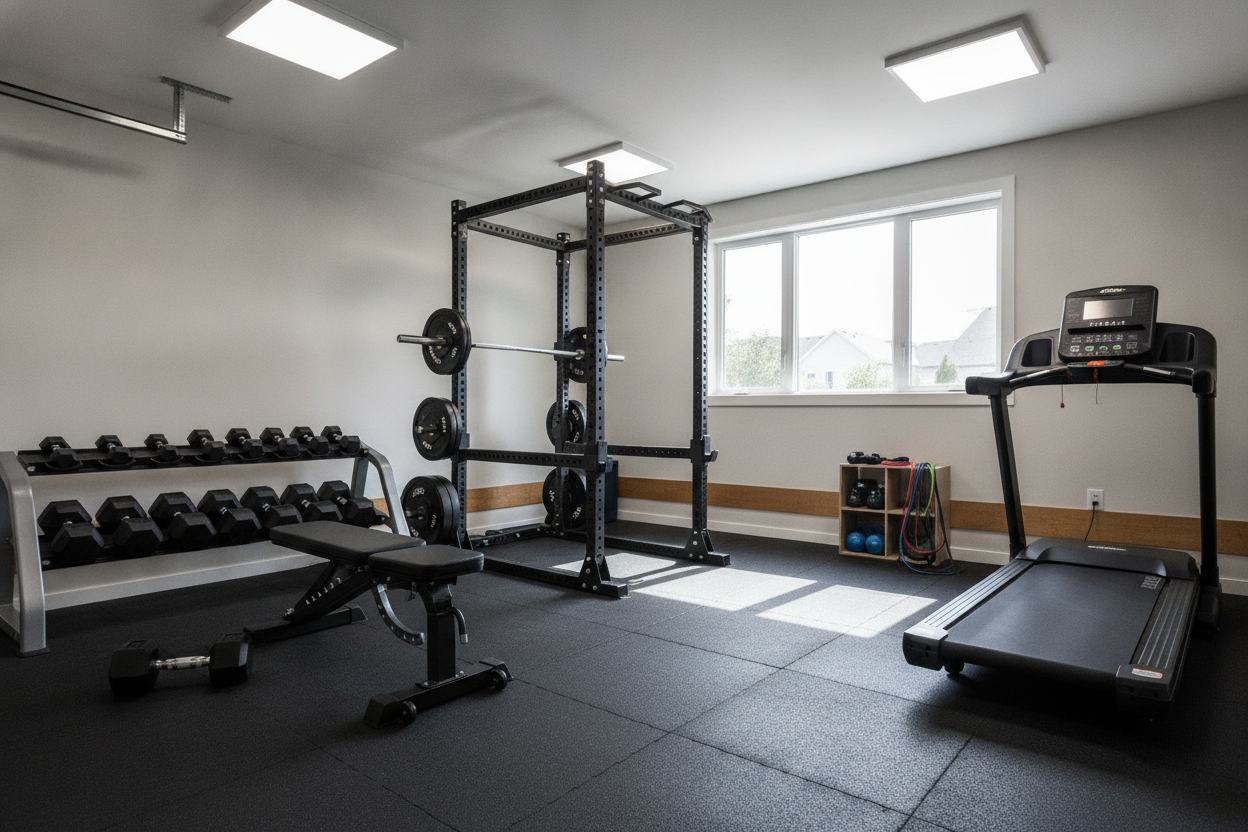
If you want to stop spinning your wheels, you have to look at the highest glute activation exercises backed by hard data, not just what looks good in a 15-second clip. I went down the rabbit hole of peer-reviewed studies and EMG charts to find out what actually makes the gluteus maximus fire. Here is what I found after testing these movements in my own garage gym.
- Hip thrusts consistently outperform squats for glute isolation.
- High step-ups are the dark horse of glute training.
- EMG data shows that vertical force isn't always the best for glutes.
- Progressive overload matters more than the 'burn'.
Why I Stopped Trusting the 'Booty Burn' on Social Media
We have all seen the influencers doing endless kickbacks with zero resistance. They look like they are working hard because they are sweating, but they are mostly just fatiguing the smaller stabilizer muscles. When I started digging into the highest emg glute exercises, I realized my favorite 'burn' moves were barely scratching the surface of my muscle fibers.
The problem is 'dead butt syndrome' or gluteal amnesia. If your brain cannot effectively signal the muscle to contract, you will just compensate with your lower back or hamstrings. I realized I was doing butt strengthening exercises wrong for years, wondering why my deadlift was stalling while my lower back was always trashed. The data changed my entire approach to leg day.
What the Science Says About the Highest EMG Glute Exercises
Electromyography (EMG) measures the electrical activity in your muscles during a movement. It is not a perfect 1:1 for muscle growth, but it is the best tool we have to see which exercises actually recruit the most fibers. When looking for the highest emg glute exercises, researchers look at 'peak' activation (the hardest part of the lift) and 'mean' activation (the average work across the whole rep).
For home gym owners, this data is gold. It means you do not need ten different machines. If you know which three or four movements have the highest recruitment, you can build an elite physique with a barbell and a bench. I found that many 'functional' movements actually had lower glute scores than simple, heavy hip extensions.
Mapping Out the Glute Activation Chart
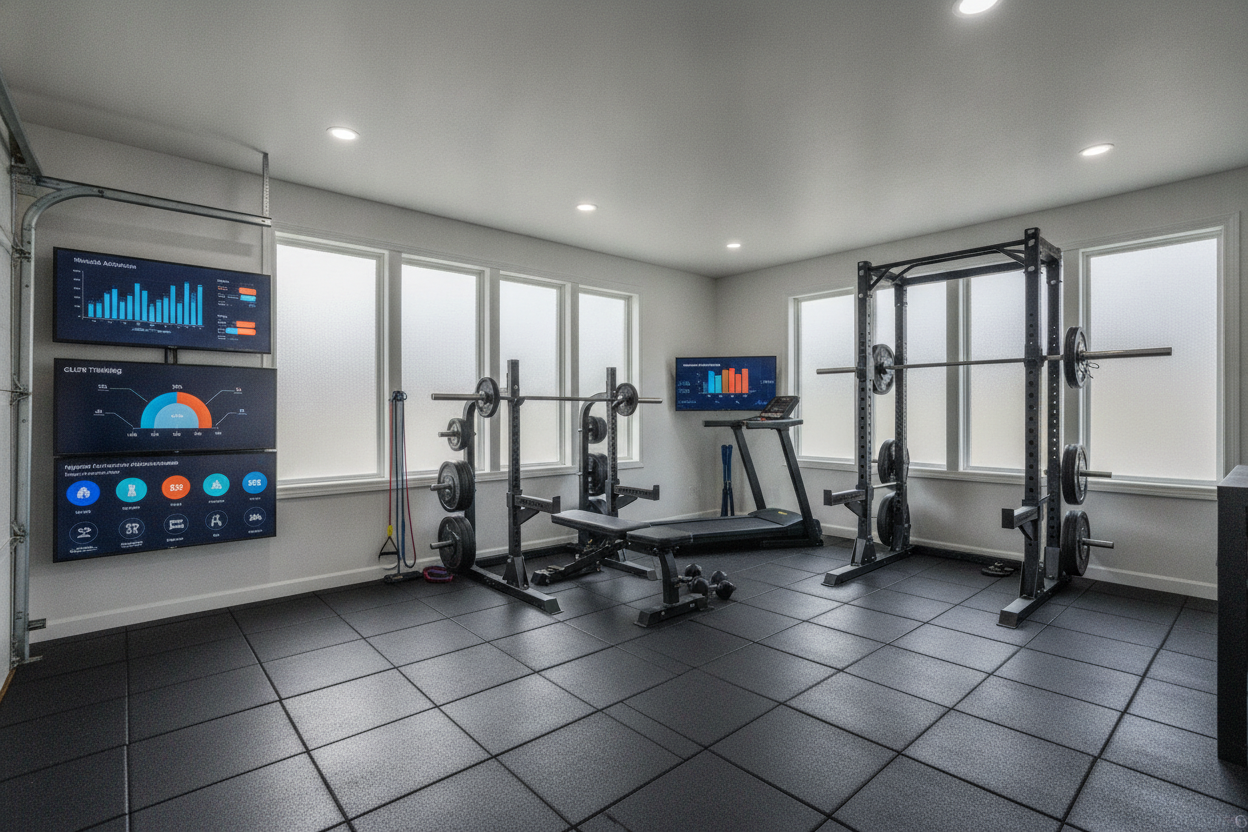
When you look at a glute activation chart, you notice a pattern. The movements that put the glutes under the most tension when they are fully shortened (at the top of the rep) usually win. This is why the barbell hip thrust is the undisputed king of the chart, often showing 70-100% of maximum voluntary isometric contraction (MVIC).
Compare that to a standard back squat, which often sits around 30-45% for the glutes because the quads take over so much of the load. If your goal is specifically glute growth, you cannot rely on squats alone. You need to pick movements from the top of the glute activation chart to see real changes in power and shape.
The Most Glute Activation Exercises Aren't What You Think
The most glute activation exercises usually involve horizontal loading. Think about it: a squat is vertical, but a hip thrust is horizontal. The data shows that the barbell hip thrust, the American hip thrust, and even the single-leg hip thrust are the heavy hitters. But there is a catch—you have to actually be able to feel the muscle work.
Before I load up a bar with 315 lbs, I use specific activation exercises for glutes to wake them up. If I skip this, my hamstrings take over the thrust. Other high-performers include the high step-up (using a box that puts your hip above your knee) and the cable pull-through. These most glute activation exercises force the glutes to work through a massive range of motion under tension.
How to Set Up Your Home Gym for Maximum Posterior Power
You do not need a $5,000 commercial glute drive machine. In my garage, I struggled for months with a standard utility bench that would slide across the floor every time I tried to thrust. It was dangerous and annoying. I eventually switched to a dedicated Gxmmat Glute Bench because it stays put and provides the right pivot point for my shoulder blades.
If you are on a budget, wedge your bench against a power rack or a wall. Use a thick barbell pad—your hip bones will thank you. For cable work, a simple pulley attachment on your rack works wonders for pull-throughs. The key is stability; if you are wobbling, your glutes will not fire at their maximum capacity.
Stop Overthinking the Data and Just Lift Heavy
EMG data is a great compass, but it is not the whole journey. You can pick the perfect exercise from the glute activation chart, but if you are not adding weight or reps over time, nothing happens. I spent too much time worrying about the 'perfect' angle and not enough time just getting strong.
Pick two heavy hitters (like thrusts and step-ups) and two accessories (like 45-degree hypers or banded walks). Hit them twice a week. Eat enough protein to actually build the tissue you are breaking down. The science gives us the shortcuts, but you still have to do the work. My glutes finally started growing when I stopped chasing the 'booty burn' and started chasing a heavier barbell.
FAQ
Is the squat a good glute exercise?
It is okay, but not the best. Squats are quad-dominant for most people. If you want maximum glute recruitment, you need to add hip thrusts or hinges like the Romanian deadlift to your routine.
What if I don't feel my glutes working?
This is common. Use low-intensity activation exercises for glutes like glute bridges or clamshells before your main lifts to establish a mind-muscle connection.
How heavy should I go on hip thrusts?
The glutes are the strongest muscle group in your body. Once your form is locked in, do not be afraid to go heavy. Most people can eventually thrust 1.5x to 2x their body weight for reps.