I Cut My Training Bodybuilding Sessions Down to 45 Minutes
I used to spend two hours every night in my garage, chasing a pump that never seemed to stick. I would scroll through social media, see an training bodybuilding program from some guy with 21-inch arms, and try to replicate it with my basic power rack and a pile of iron. I was exhausted, my elbows were screaming, and my progress was stalled harder than a cold engine in a blizzard.
The reality is that most of us don't have the recovery capacity of a genetic freak on a massive chemical protocol. I had to learn the hard way that more isn't better—better is better. I stripped the fluff, focused on high-density sets, and realized I could get better results in 45 minutes than I ever did in two hours.
Quick Takeaways
- Ditch the junk volume; two high-intensity sets beat six mediocre ones.
- Focus on the eccentric phase to maximize muscle fiber recruitment.
- Stability is king—if your floor is squishy, your lifts will suffer.
- Intensity techniques like rest-pause are your secret weapon for efficiency.
The Volume Trap Most Guys Fall Into
Most guys see a pro bodybuilder workout routine and think they need eight different chest machines to grow. They spend 20 minutes just warming up and another hour doing 'feel-good' sets that don't actually challenge the muscle. For a natural lifter in a home gym, this is a fast track to central nervous system burnout.
When you are training in a garage, you don't have the luxury of a 10-piece Hammer Strength circuit to spread the fatigue. You have to make every rep count. Professional workout routines are often designed for people whose full-time job is recovery. If you have a 9-to-5 and kids, you can't afford to waste energy on junk volume that doesn't trigger an adaptive response.
What Real Training Bodybuilding Actually Looks Like
The secret to a professional workout plan isn't the sheer number of exercises. It is the level of discomfort you are willing to tolerate in a single set. Instead of doing four sets of ten, I shifted to one heavy top set followed by a 'back-off' set using intensity techniques like rest-pause or drop sets.
This approach forces muscle adaptation because you are pushing the tissue to its absolute limit. You aren't just moving weight from point A to point B. You are creating mechanical tension and metabolic stress in a fraction of the time. If you aren't shaking by the end of your second set, you aren't training hard enough.
Stealing the Best Parts of an IFBB Pro Workout Routine
You don't need a commercial gym's worth of equipment to follow an ifbb pro workout routine. You just need to steal their principles: time under tension, a deep weighted stretch, and controlled eccentrics. I stopped ego-lifting and started owning the weight on the way down.
You can easily adapt a pro bodybuilders workout for free weights by swapping out fancy cable rows for heavy chest-supported dumbbell rows. The goal is the same: isolate the target muscle and destroy it. I focus on a three-second eccentric on every rep. It hurts, it’s slow, and it’s why I can get away with doing half the sets I used to do.
My 45-Minute Blueprint for Men's Bodybuilding Workouts
My current men's bodybuilding workout is built around density. I pick four exercises per session. I do two warm-up sets, one 'feeder' set to get the feel of the weight, and one 'all-out' work set to failure. If I have anything left in the tank, I’ll add a 15-second rest-pause and squeeze out three more reps.
This isn't a complex pro bodybuilder workout routine; it’s just brutal. I might pair this with a full body workout routine split if I can only train three days a week, or a traditional push/pull/legs if I have more time. The key is that I am out of the garage in 45 minutes, feeling like I actually did something. You can explore more workout routines to find a split that fits your schedule, but keep the intensity high and the rest periods short.
Why Your Floor Matters More Than Your Machines
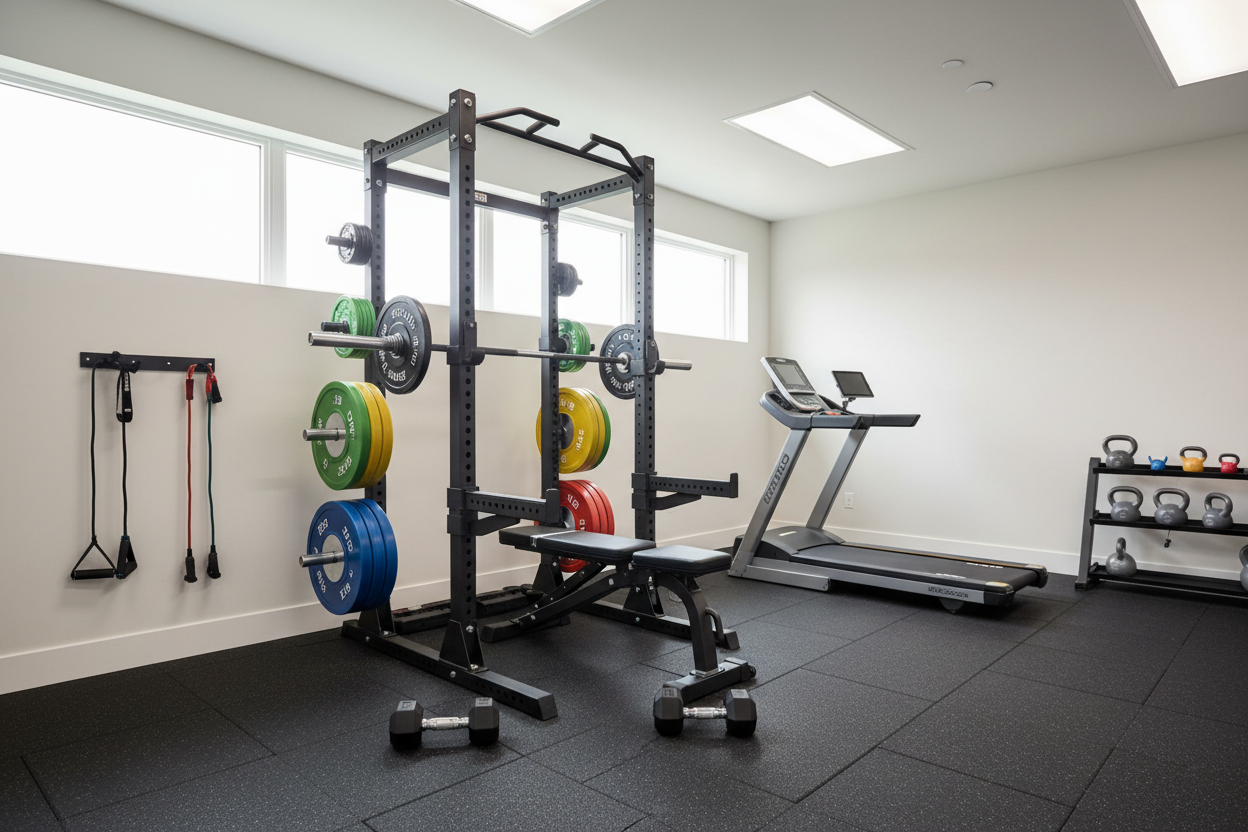
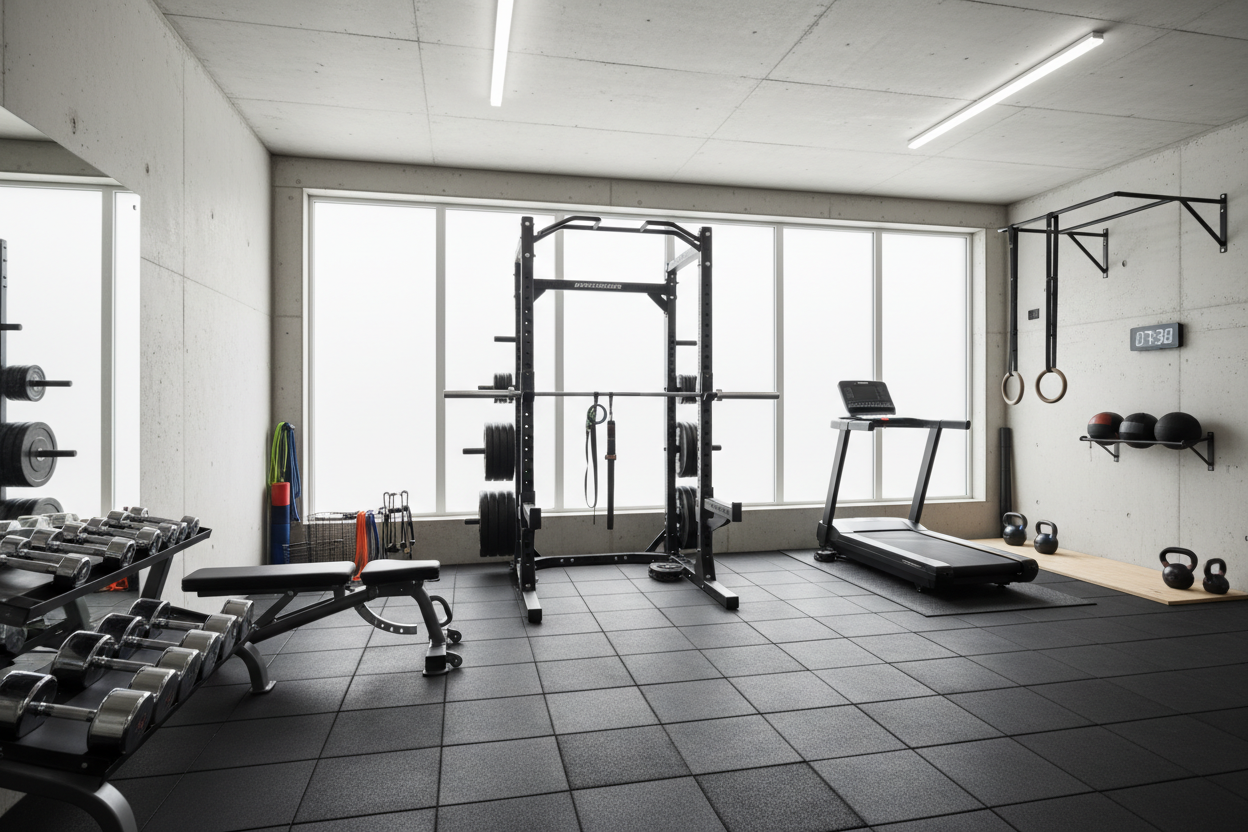
One thing nobody tells you about high-intensity training is that you need a rock-solid base. When you are taking a set of squats or RDLs to absolute failure, you cannot have your feet sliding or sinking into cheap foam tiles. I learned this the hard way when a heavy set of overhead presses nearly ended in a trip to the ER because my 'budget' flooring compressed unevenly.
I swapped the cheap stuff for heavy-duty gym flooring and the difference was immediate. You feel more connected to the ground, which allows you to produce more force. If you're serious about a workout routine for professional bodybuilders, stop worrying about the next fancy attachment and fix your foundation first.
Personal Experience: The Day I Almost Quit
A year ago, I was convinced I needed a $3,000 functional trainer to get a 'pro' back workout. I was doing 25 sets a session and seeing zero growth. I finally got fed up, sold the fluff, and went back to basics: heavy rows and chin-ups. I cut my volume by 60% and my back grew more in three months than it had in three years. My biggest mistake was thinking that 'more' was a substitute for 'hard'. It isn't.
FAQ
How many days a week should I train?
For most lifters, 4 to 5 days is the sweet spot. Any more and your recovery won't keep up with the intensity. Any less and it's hard to hit every muscle group with enough frequency.
Can I build muscle with just dumbbells?
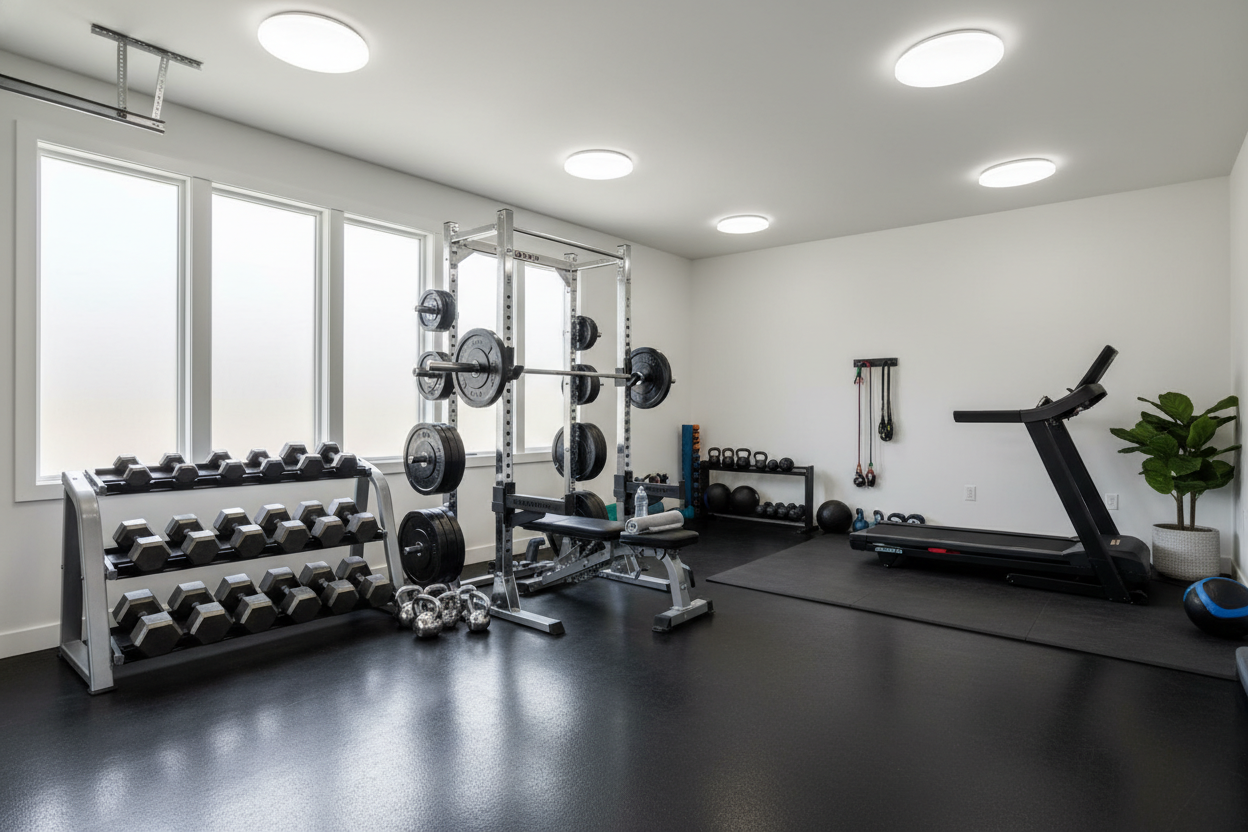
Absolutely. Muscle doesn't have eyes; it only knows tension. If you have heavy enough dumbbells and you're pushing to failure, you can build a pro-level physique in a spare bedroom.
Should I do cardio on this plan?
Yes, but keep it separate from your lifting. A 20-minute walk on your off days or a few hours after your session is plenty for health without cutting into your recovery resources.