I Coach Beginner Weight Training for Women Over 40 (Do This First)
I spent the better part of the late 90s on a StairMaster, staring at a fuzzy CRT television and trying to disappear. If you are currently scrolling through your phone at midnight, comparing adjustable dumbbells and wondering if you are too old to start beginner weight training for women over 40, I have been where you are. I have bought the cheap, plastic-coated weights that cracked after a month, and I have felt that specific brand of gym-floor anxiety where you feel like everyone is watching your shaky knees.
The truth is, most of the fitness industry is still trying to sell you the idea of 'toning' with pink 2-lb weights. It is a lie. If you want to keep your bone density, fix your posture, and actually feel capable in your own skin, you have to pick up something heavy. It is going to be awkward, your brain will feel disconnected from your feet, and you might accidentally drop a plate. That is part of the process.
- Muscle is Medicine: Lifting isn't about looking like a bodybuilder; it is about metabolic health and bone density.
- Coordination Takes Time: The first month is about your brain learning to talk to your muscles, not just physical strength.
- Minimalist Gear Works: You do not need a 20-piece cable machine; a solid bench and a few pairs of dumbbells go a long way.
- Recovery is Non-Negotiable: Over 40, your 'gains' happen while you sleep, not while you are grinding.
Unlearning the 90s Cardio Mindset
For decades, women were told that the only way to be healthy was to burn as many calories as possible. We were taught to treat the gym like a punishment for what we ate. This mindset is the biggest hurdle in beginner weight training for women over 40. When you start lifting, you have to stop trying to shrink and start trying to take up space. You are building a chassis that can carry you through the next forty years.
I see women come into the gym and head straight for the treadmill because it feels safe. It is a predictable machine. But the treadmill won't help you carry a 40-lb bag of mulch or keep your spine upright when you are 70. Strength training is a shift from 'how much do I weigh?' to 'what can I do?'. It is a mental deprogramming that takes longer than the physical adaptation. You have to give yourself permission to stop chasing the 'burn' and start chasing the 'click' of a heavy weight hitting the floor.
Why the First Month Feels Incredibly Clumsy
If you feel like a baby giraffe trying to walk on ice during your first few sessions, you are doing it right. This is the neuromuscular phase of beginner strength training for women over 40. Your brain is literally building new pathways to tell your glutes how to fire and your core how to brace. It isn't that you are 'weak'; it is that your hardware hasn't been calibrated yet.
I remember my first time trying to do a Bulgarian split squat. I fell over three times in one set. I felt like a failure because I couldn't even stand on one leg. But by week three, my brain stopped panicking. Expect this. Do not quit on day 12 because you don't look like a fitness influencer yet. Your first 30 days are about 'greasing the groove.' You are teaching your nervous system that it is safe to exert force. Once that connection is established, the actual muscle growth and fat loss follow much faster than you think.
The Bare Minimum Gear for Your Living Room or Garage
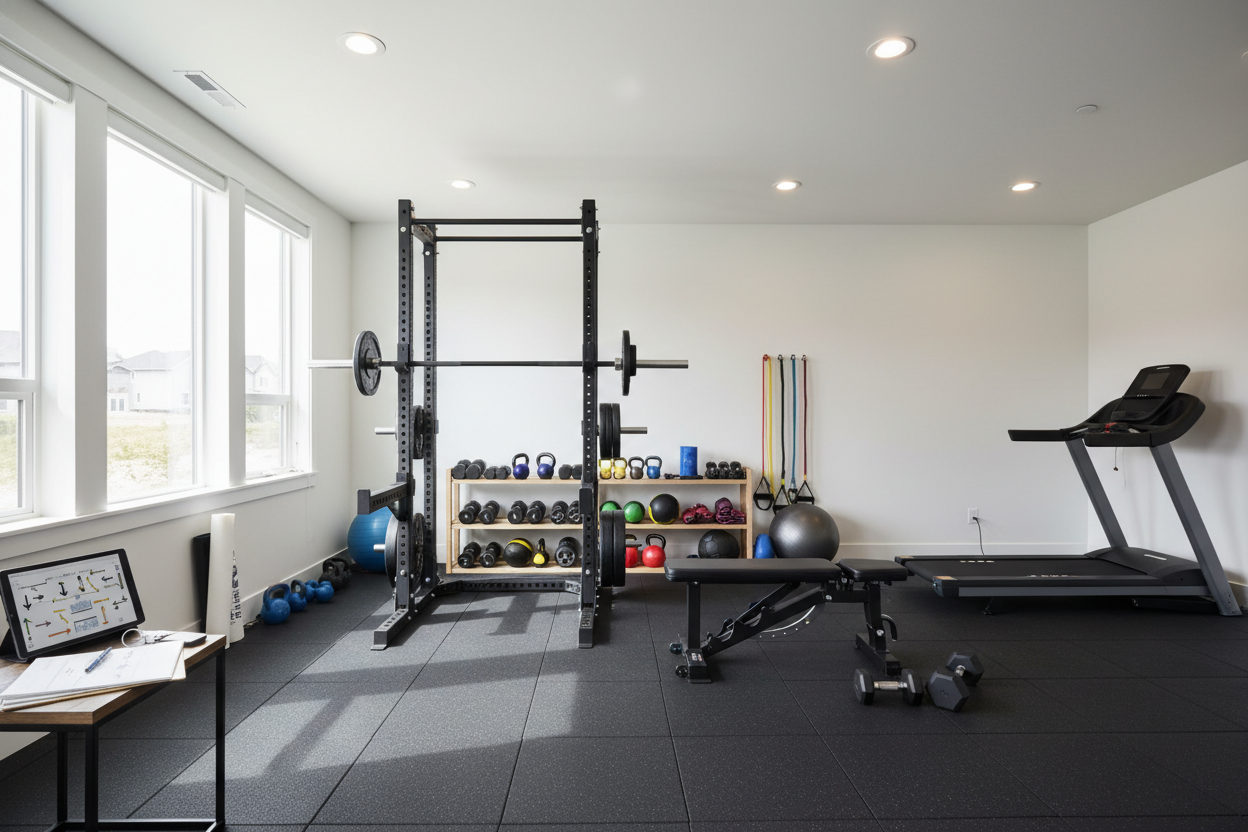
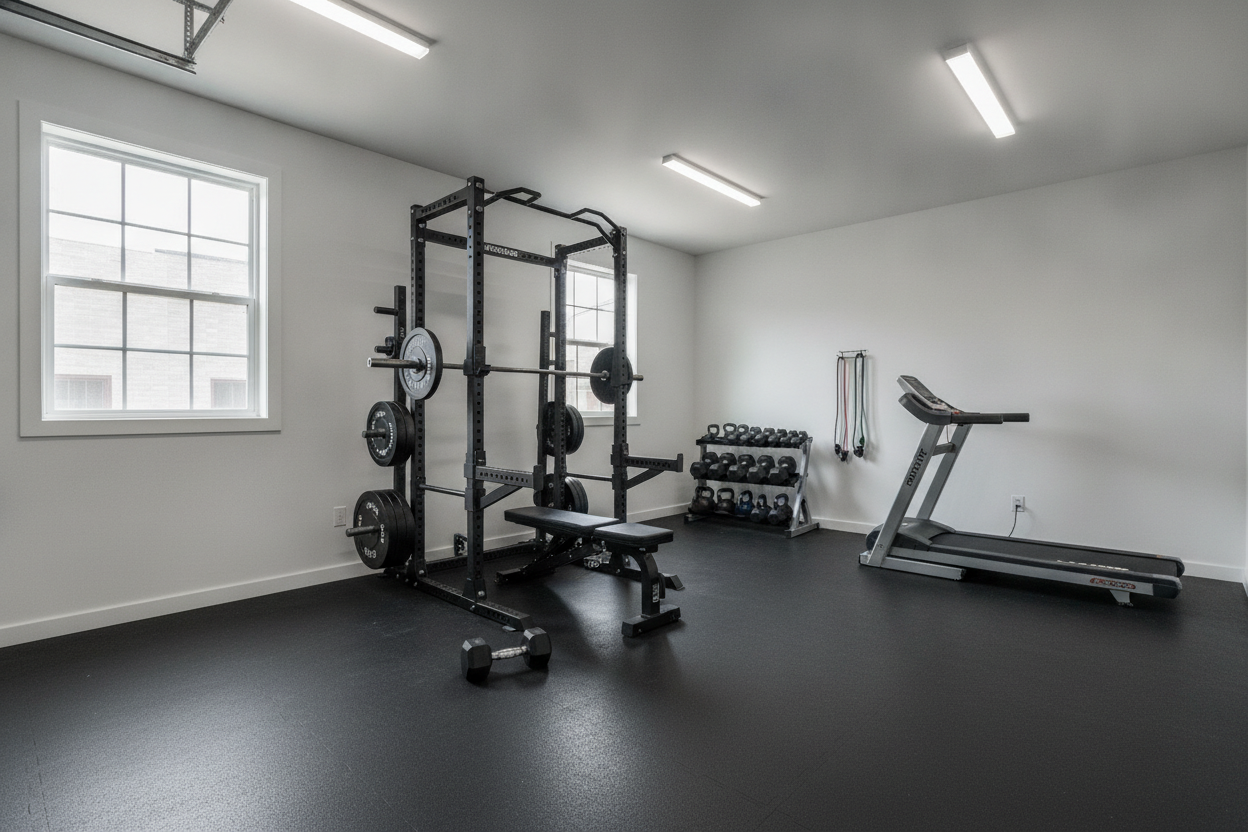
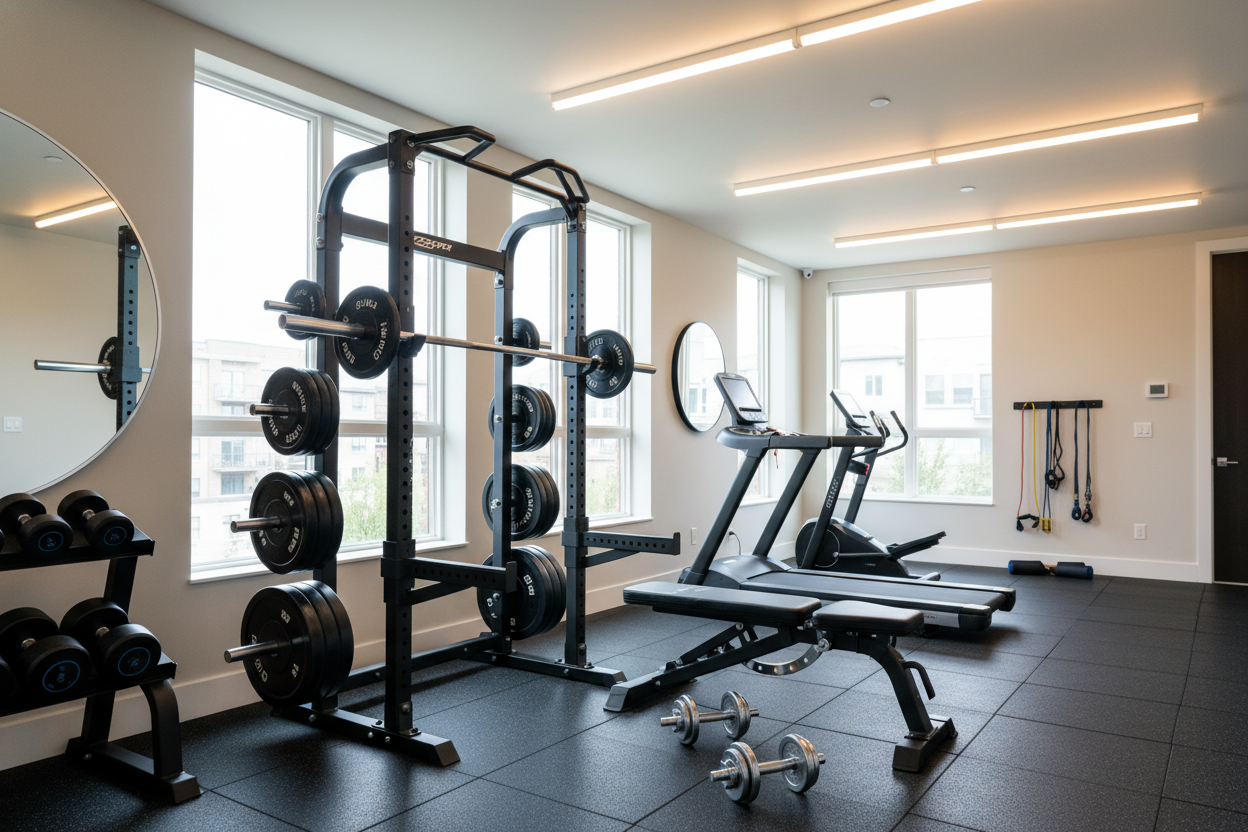
You do not need a commercial-grade power rack to see results. I have seen women build incredible strength with nothing but a pair of 15-lb dumbbells and a sturdy chair, though I recommend upgrading from the chair as soon as possible. The foundation of any home setup is a reliable place to sit or lie down while you press. I usually point people toward the Gxmmat Adjustable Weight Bench. It is stable, it doesn't have that annoying gap in the middle that some cheap benches have, and it handles a combined weight capacity that you won't outgrow in six months.
Next, get a range of dumbbells. If you can only afford two pairs, get a 'light' set (8-10 lbs) for overhead movements and a 'heavy' set (15-25 lbs) for squats and rows. As you progress, you can add small strength training accessories like mini-bands or a door-anchor resistance band set to add variety to your warm-ups. Avoid the gimmicky 'as seen on TV' gear. You want things made of steel, high-density foam, and rubber. If it looks like a toy, it will perform like one.
How to Structure Your Week Without Feeling Wrecked
The biggest mistake a strength training for women over 40 beginner makes is trying to train six days a week. Your joints and central nervous system need more time to bounce back than they did at 22. If you bury yourself in volume, you will end up with tendonitis or burnout before the second month hits. Three days a week is the sweet spot for most of my clients.
Focus on compound movements—exercises that use more than one joint. Think squats, hinges (like deadlifts), pushes, and pulls. These give you the most 'bang for your buck' hormonally. If you are staring at your dumbbells wondering what to actually do with them, I highly suggest following A 3-Day Strength Training Program for Women Over 40 That Actually Fits. It prioritizes the big lifts and leaves plenty of room for recovery. Remember: you don't get stronger at the gym; you get stronger while you are resting between gym sessions.
What Progress Actually Looks Like After 30 Days
Forget the scale for a minute. If you are lifting heavy and eating enough protein, your weight might stay the same while your clothes fit differently. That is body recomposition. After 30 days of consistent work, your wins will be functional. You will notice that you aren't grunting when you get out of the car. You will realize you carried all the groceries in one trip without your grip failing. These are the markers of success.
Starting now is an investment in your future self. I often think about how Stop Handing Seniors 2lb Weights: Strength Training for Women Over 60 highlights the necessity of lifting for longevity. By starting in your 40s, you are building a reservoir of strength that will keep you independent and mobile for decades. You are quite literally armor-plating your body against the effects of aging.
Personal Experience: My Ego-Check Moment
A few years back, I thought I could skip my warm-up because I was 'only' doing a light accessory day. I jumped straight into a set of heavy rows and felt a sharp zip in my mid-back. I spent the next week unable to put on my own socks without help. It was a humbling reminder that as we get older, our bodies demand respect. I learned the hard way that 10 minutes of mobility work is a lot cheaper than three weeks of physical therapy. Now, I never touch a weight until I have broken a light sweat.
FAQ
Will lifting heavy weights make me look bulky?
No. Women do not have the testosterone levels to accidentally turn into a pro bodybuilder. You will likely just look 'tighter' and more defined because muscle takes up less space than fat.
What if I have old injuries or bad knees?
Most 'bad knees' are actually the result of weak glutes and tight hips. Strength training—done with proper form—usually fixes joint pain rather than causing it. Start with a limited range of motion and build up.
How do I know if a weight is heavy enough?
The last two reps of your set should be difficult. If you can breeze through 12 reps while thinking about what to make for dinner, the weight is too light. Increase it by 2-5 lbs.