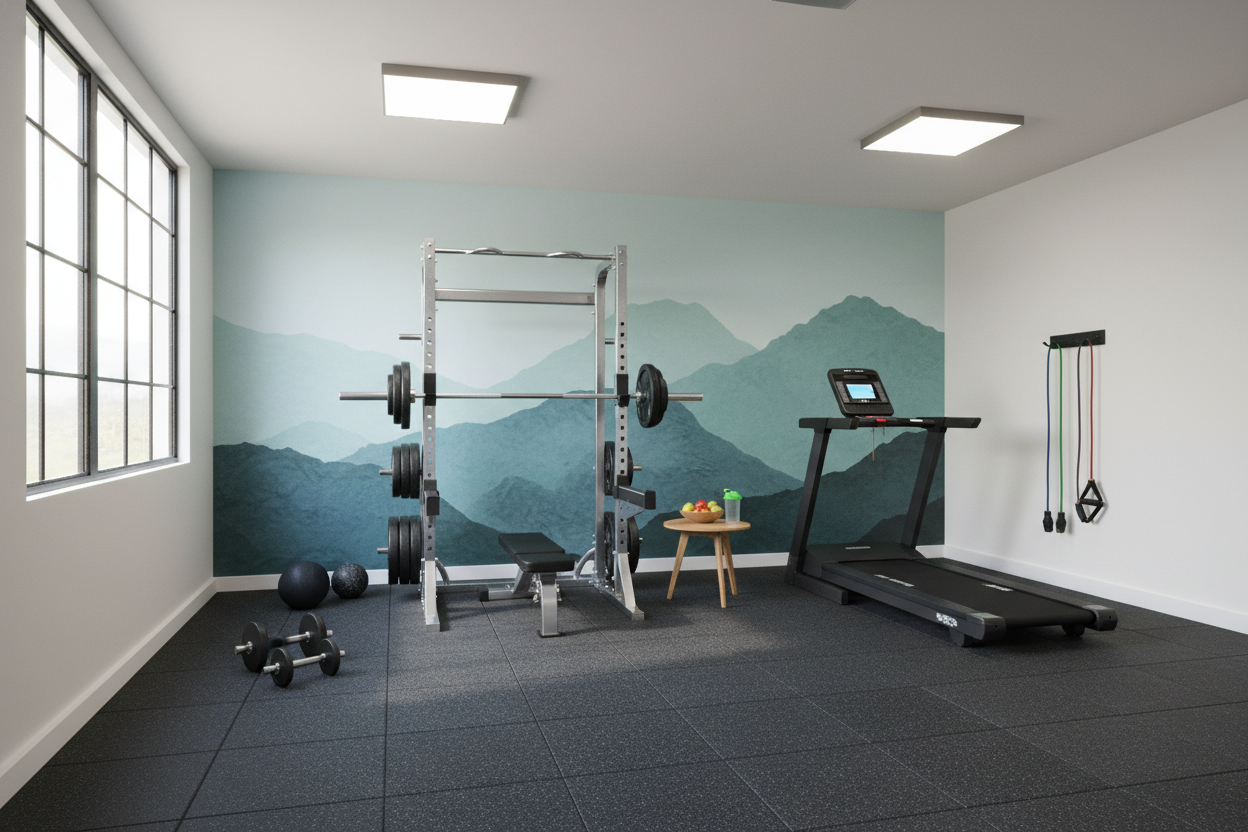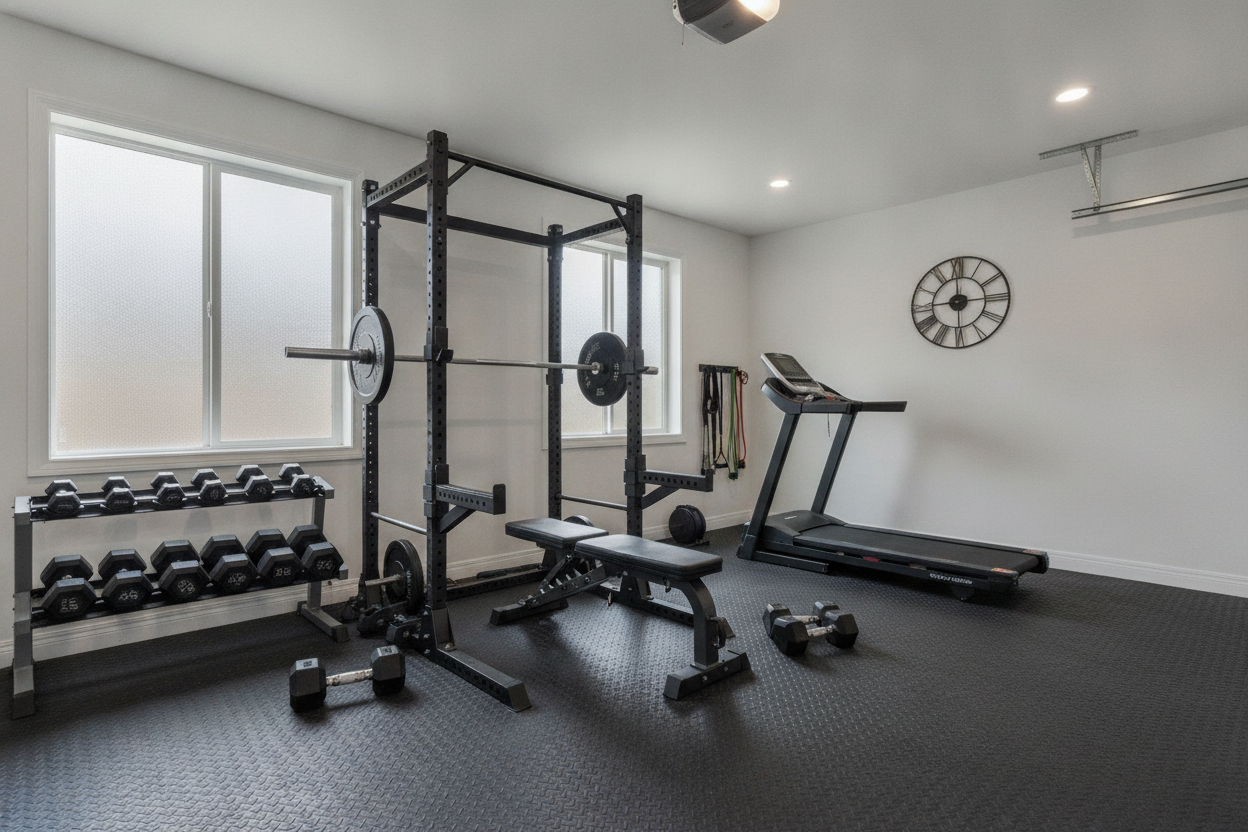
I Built the Perfect Home Weight Set for Beginners (Here's the Math)
I remember the day I finally quit my commercial gym. I was tired of waiting 20 minutes for a squat rack while someone scrolled through their phone. I went home and immediately started hunting for a home weight set for beginners, thinking I would save a fortune. I didn't realize that most 'starter' deals are just clever ways to sell you scrap metal that belongs in a landfill.
- Avoid 1-inch 'standard' bars; they have zero resale value and low weight capacities.
- 230 lbs of total weight is the sweet spot for most starters to see real progress.
- A wobbly bench is a safety hazard, not a bargain.
- Olympic-sized sleeves (2-inch) are non-negotiable for long-term growth.
Why Most Starter Kits End Up as Expensive Coat Racks
Walk into any big-box sporting goods store and you will see them: the shiny, plastic-coated boxes promising a full gym in a single purchase. I am telling you right now, The 'All-in-One' Weight Set for Home Is Usually a Scam. These kits often feature hollow bars that flex under 150 pounds and weights that don't actually fit a standard Olympic rack.
The biggest issue is the increments. A cheap starter weight set usually skips the 2.5-lb and 5-lb plates, forcing you to make massive jumps in weight that lead to stalled progress or injury. If you can't micro-load your bench press, you aren't going to get stronger. You're just going to get frustrated and eventually use that bar to hang your laundry.
The Core Components of a Basic Weight Set
You don't need a 20-piece cable machine. To get strong at home, you need three things: a steel bar that won't snap, a pile of iron or rubber, and a flat surface that doesn't creak when you sit on it. When looking for a Weight Set And Bench, focus on the weight capacity of the bench and the knurling on the bar.
A basic weight set needs to be built around a 7-foot Olympic bar. Even if you're tight on space, the stability of a full-sized bar is worth the extra foot of floor space. Look for a bar with a bronze bushing or needle bearings—it shouldn't feel like you're fighting the weight just to get it to rotate in your hands.
Doing the Math: How Much Iron Do You Actually Need?
Everyone thinks they need 500 lbs of iron on day one. You don't. Unless you're already a competitive powerlifter, you're going to spend the first six months mastering the mechanics of the squat and deadlift. A starter weights set should realistically land between 135 lbs and 230 lbs.
I usually recommend the Gxmmat X6 Power Rack Weight Bench Barbell Bumper Plate Set 230Lbs Package because it hits that mathematical sweet spot. It gives you enough iron to actually perform a meaningful deadlift, but it isn't so much weight that you're paying for shipping on plates that will sit in the corner for a year. You can always buy an extra pair of 45s later; you can't easily fix a cheap, undersized starter kit.
The Bench: Your Setup's Unsung Hero
I once bought a $50 bench from a garage sale that literally folded under me while I was holding 60-lb dumbbells. It wasn't fun. When you're picking an adjustable option for your home weight set for beginners, the frame thickness matters. You want 11-gauge or 14-gauge steel.
The Gxmmat Adjustable Weight Bench is a solid example of what to look for: a wide rear base for stability and a high weight capacity that includes both your body weight and the iron you're holding. If the bench has more than two inches of 'play' or wobble when you shake it, keep looking. Your spine will thank you.
When to Finally Upgrade Your Setup
You’ll know it’s time to upgrade when your warm-up sets are pushing the limits of your current bar. The beauty of starting with quality gear is that you don't have to replace everything—you just add to it. I Built My Entire Garage Gym Around a $300 Lift Weight Set and slowly added plates as my deadlift climbed.
Don't fall into the trap of buying a whole new 'advanced' kit. Once you have the foundation, your only job is to buy more plates. Start with the basics, master the movements, and only spend more money when the equipment is the thing actually holding your numbers back.
How much space do I really need for a home weight set?
A standard Olympic bar is about 7 feet long. You want at least 1.5 feet of clearance on either side to load plates comfortably, so an 8x10 foot area is the minimum for a safe setup.
Are bumper plates better than iron for beginners?
If you're training in a garage or on a second floor, bumpers are better because they absorb impact and save your floor. If you have a dedicated platform and don't plan on dropping the weights, iron is usually cheaper and takes up less space on the bar.
Can I start with just dumbbells?
You can, but you'll hit a ceiling much faster. A barbell allows for much more granular weight jumps and is the gold standard for building total body strength through compound movements.