I Built My Mom a Gym: The Fitness Older Women Actually Need
I walked into my mom's basement last Christmas and felt a physical pang of annoyance. There it was: a graveyard of purple plastic, 'as seen on TV' vibrating plates, and resistance bands that had the structural integrity of a wet noodle. For years, she had been chasing fitness older women are told to want—low impact, high repetition, and zero sweat. She was 68, struggling to lift a 20-pound bag of birdseed, and her 'gym' was doing nothing to help.
I’m a gear tester. I spend my days dropping 100-pound plates and measuring the knurling on 20kg bars with calipers. Seeing her waste her time on gear that wouldn't challenge a toddler made me realize that the industry is failing our parents. So, I dragged the plastic to the curb and built her a real sanctuary for strength.
Quick Takeaways
- Muscle loss (sarcopenia) is the biggest threat to independence; heavy resistance is the only cure.
- Stable, commercial-grade equipment is safer for seniors than flimsy, 'lightweight' home gear.
- Upper body strength is the 'secret sauce' for maintaining daily autonomy.
- Progressive overload works at 70 just as well as it does at 20.
The Problem with the 'Fragile Senior' Marketing
The fitness industry treats every fitness old woman like she's made of porcelain. They market 2-pound pink dumbbells and seated stretching routines that promise 'toning' without the effort. It’s a lie. Your bones don’t get stronger because you moved a light piece of foam through the air; they get stronger because they had to support a load that made them adapt.
By pushing 'light and easy,' marketers are actually accelerating muscle loss. My mom didn't need to 'stretch' her way to health; she needed to pull, push, and carry things that had actual mass. This false sense of security provided by light weights leaves older women unprepared for a slip on the ice or a heavy grocery bag.
Tossing the Junk: What We Threw Away
We started by clearing out the 'aerobic steppers' that wobbled if you breathed on them. If a piece of equipment doesn't feel like it can hold a 300-pound man, I don't want my 130-pound mother standing on it. Stability is safety. We also ditched the ultra-light bands that lose their elasticity after three months.
Most infomercial gear is designed to be stored under a bed, which is exactly where it stays. It's built for convenience, not for results. We replaced the clutter with four foundational pieces that actually provide the mechanical tension required to build bone density and metabolic health.
The 4 Pieces of Real Gear I Bought Her Instead
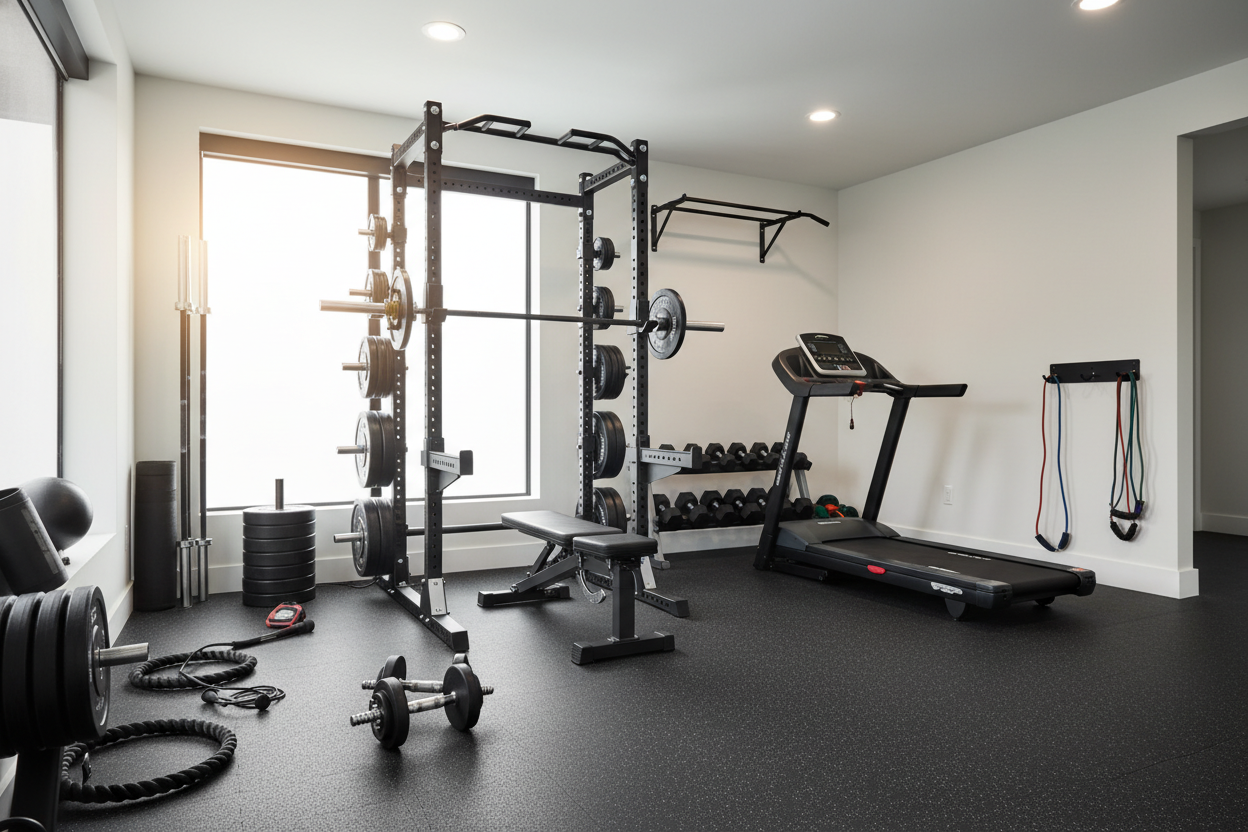
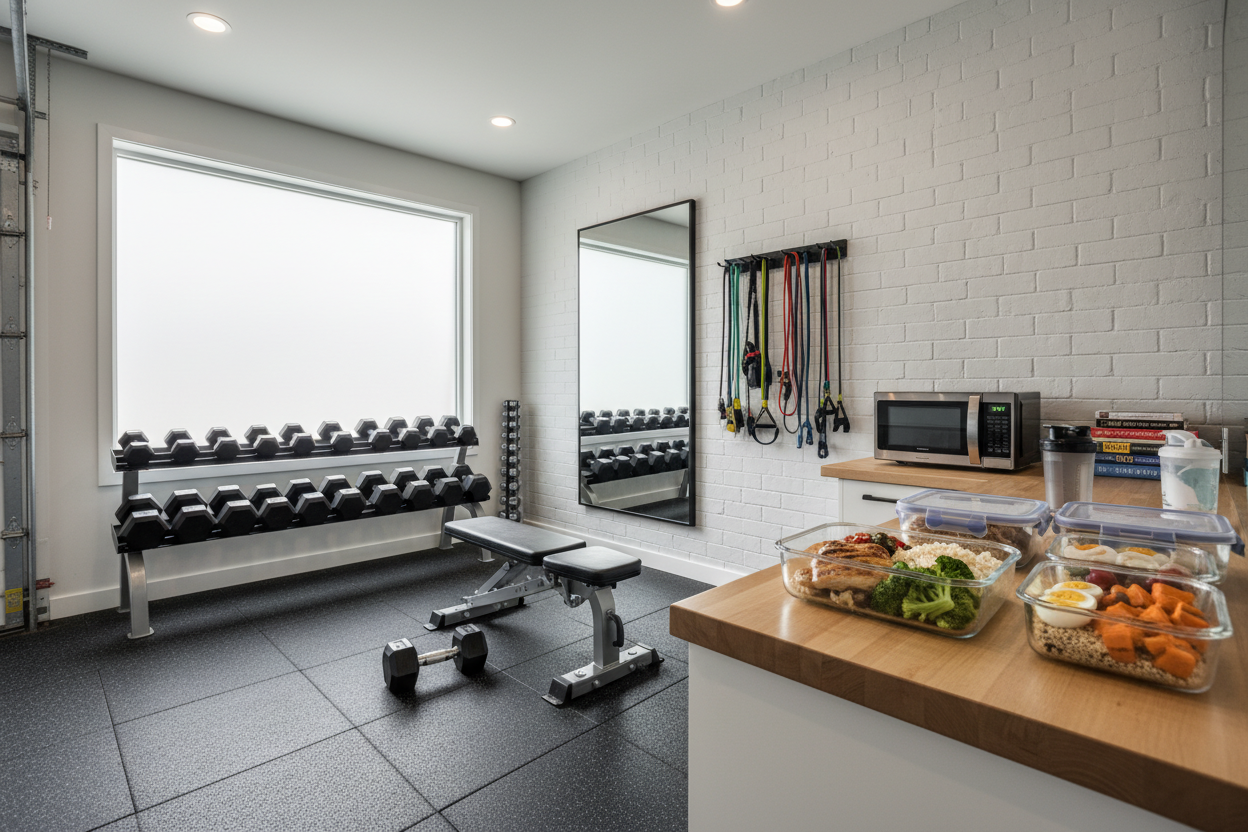
I didn't buy her 'senior' gear. I bought her the top home gym equipment for women that I would use myself, just scaled for her space. First, I got her a pair of high-quality adjustable dumbbells that go from 5 to 50 pounds. They have a solid metal handle—no plastic dials that snap if you set them down too hard.
Second, we added a flat utility bench with a 1,000-pound weight capacity. Why? Because if she’s doing chest presses, I need her to feel like she’s on a rock, not a seesaw. Third, I installed a wall-mounted pull-up bar with a set of heavy-duty long bands for assisted pull-ups. Finally, we got a 15kg 'Belles' Olympic bar—it has a slightly thinner diameter (25mm) which is much easier for her smaller hands to grip securely during deadlifts.
Why We Prioritized Her Back and Shoulders
Most people tell older women to walk. Walking is fine for the heart, but it does zero for the 'computer hunch' or the ability to put a carry-on bag in an overhead bin. We focused heavily on effective back and chest workouts for women to rebuild her posture and grip strength. If you can't pull your own shoulder blades back, you're going to end up with chronic neck pain.
We started with seated rows using the bands and progressed to 'rack pulls' with the barbell. The change in her confidence was almost immediate. When you realize you can pick up 95 pounds off the floor without your back 'going out,' the world becomes a lot less scary. Upper body independence is the difference between living in your own home and needing a transition to assisted living.
How to Start Sane (Without Joint Flare-Ups)
You don't start a 68-year-old on a Smolov squat program. We started with 'movement prep.' For the first two weeks, we didn't even count reps. We just focused on the hinge, the squat, and the press. I made sure she understood that 'feeling the muscle' is different from 'feeling the joint.'
We kept the volume low—two sets of eight. If she woke up the next day with anything more than a light 'I worked out' glow, we backed off. The goal isn't to crush her; it's to build a habit of moving heavy things safely. We used 1.25-pound fractional plates to make progress invisible but constant. Adding one pound a week is 52 pounds a year. That’s how you build a bionic grandma.
My Personal Gear Mistake
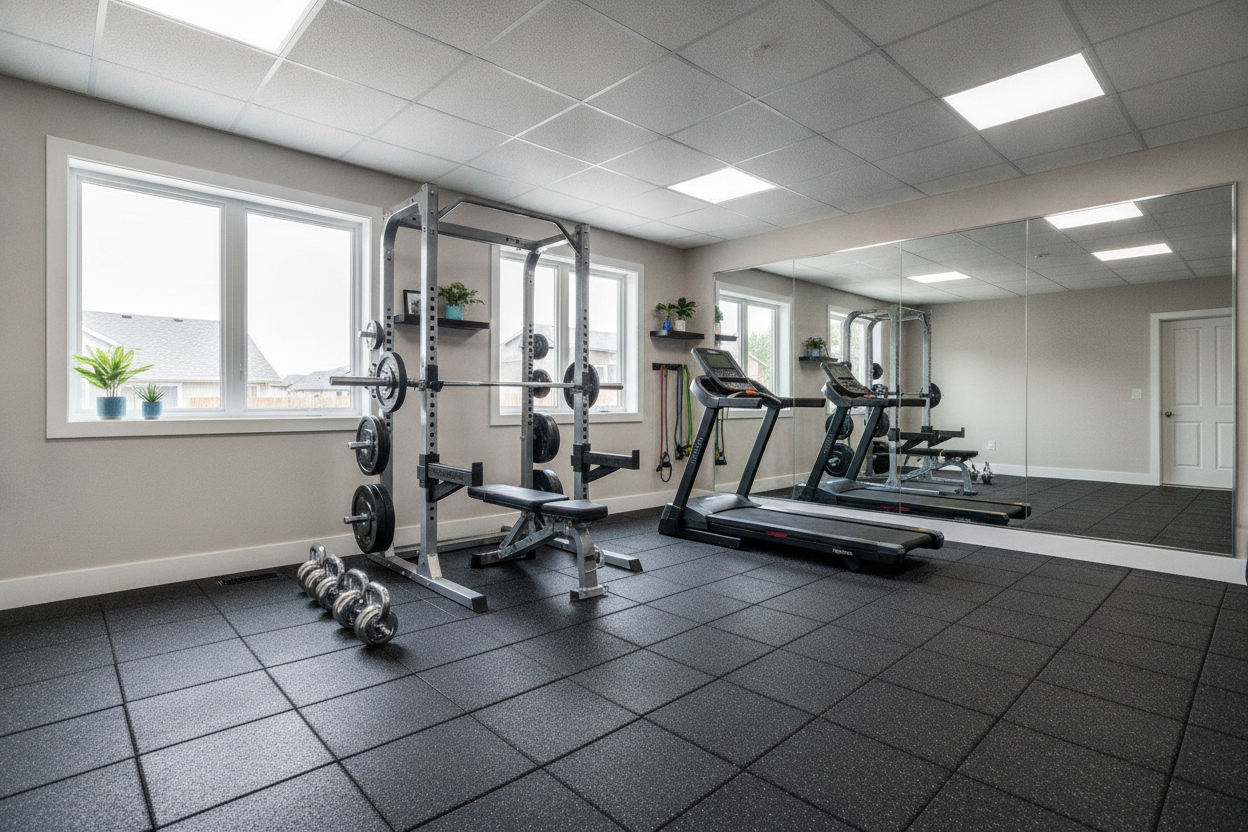
I originally bought her a standard 84-inch power rack. I didn't account for the fact that she’s 5'2". She couldn't reach the J-cups to rack the bar without going on her tiptoes, which is a recipe for a shoulder injury. I had to sell it on Marketplace and buy a 'short' rack specifically designed for low ceilings and shorter lifters. Always check the height of the pull-up bar and the lowest setting of the safety pins before you bolt anything to the floor.
FAQ
Is lifting heavy weights dangerous for women over 60?
It's far more dangerous to be weak. As long as you focus on form and use stable, high-quality equipment, lifting is the best way to prevent falls and fractures. Start light, but don't stay light.
Do I need a full power rack for a home gym?
Not necessarily. A solid bench and a good set of adjustable dumbbells can cover 80% of your needs. However, if you want to deadlift or squat safely alone, a rack with safety spotter arms is a smart investment.
How often should an older woman strength train?
Two to three full-body sessions per week is the sweet spot. It allows for 48 to 72 hours of recovery, which is crucial as we age and our recovery capacity slows down.