I Built My Entire Routine on This Short List of Free Weight Exercises
I remember the night I finally deleted my 'Ultimate Workout' spreadsheet. It had 14 tabs, 200 different movements, and a color-coded legend that would make a NASA engineer weep. I was spending more time researching the list of free weight exercises than I was actually moving heavy iron. My progress had stalled because I was suffering from 'variety-itis'—the belief that if I didn't hit my muscle from 17 different angles, it wouldn't grow.
Quick Takeaways
- Mastering five core barbell lifts beats doing 50 machine variations every time.
- Dumbbells are for fixing imbalances and adding volume without frying your CNS.
- Consistency with a boring routine outperforms intensity on a random one.
- You only need a rack, a bench, and some plates to get elite-level strong.
Why I Stopped Memorizing Hundreds of Movements
The internet loves complexity because complexity sells apps and magazines. If I tell you that you only need to get really good at five things, I can't sell you a 12-week 'muscle confusion' masterclass. I realized that every time I added a new, fancy movement, my 'big' lifts suffered. I was program hopping every three weeks because I wasn't seeing immediate results from some obscure cable crossover variation.
Real strength is built on repetition. It is about doing the same boring, effective movements for years. When you narrow your focus, you stop guessing. You know exactly what a 'win' looks like: adding five pounds to the bar or grinding out one more rep than last Tuesday. Mastering a core group of lifts beats constant variation because it allows for actual progressive overload.
The Core Barbell Lifts You Can't Ignore
If your gym doesn't have a rack, it's a spa, not a gym. The foundation of everything I do starts with the barbell. We're talking about the back squat, the deadlift, the bench press, and the overhead press. These are the heavy hitters that recruit the most muscle mass and trigger the biggest hormonal response. They are also the most dangerous if you're ego-lifting in an empty garage.
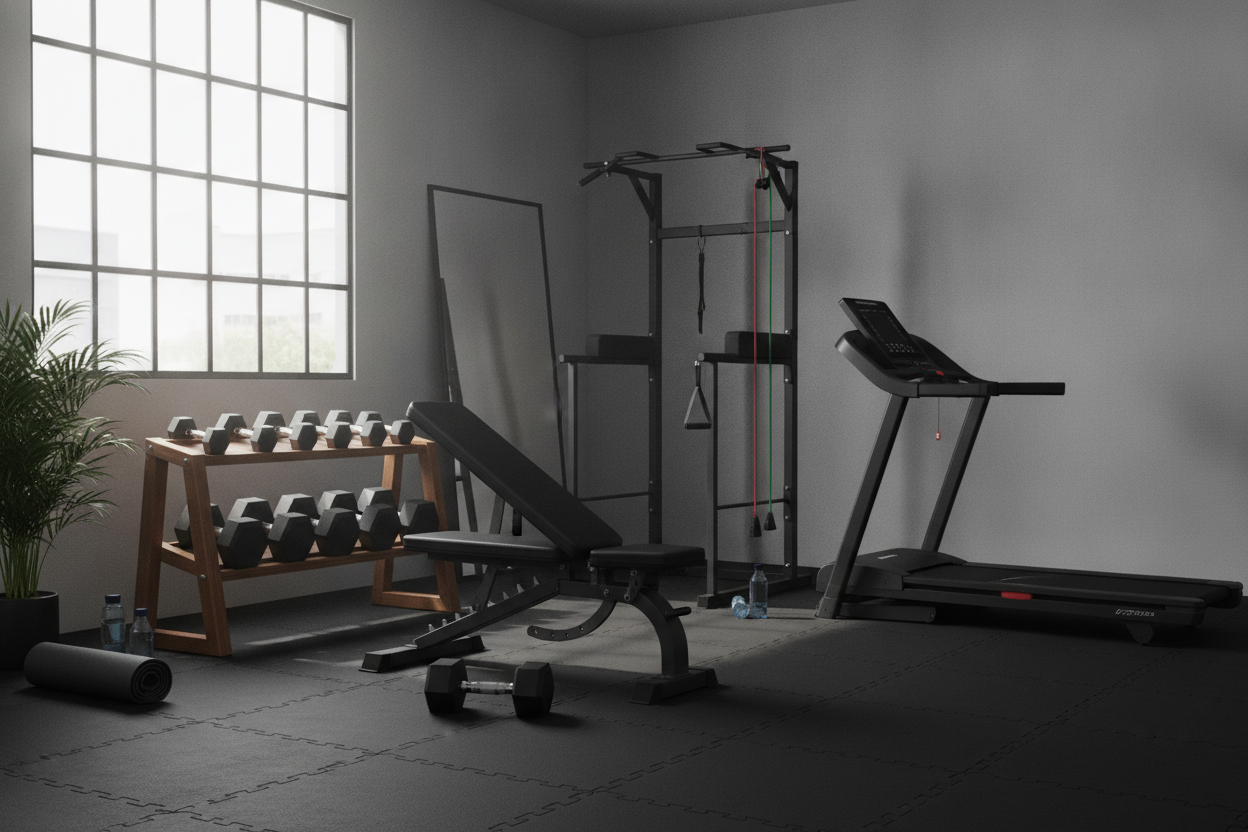
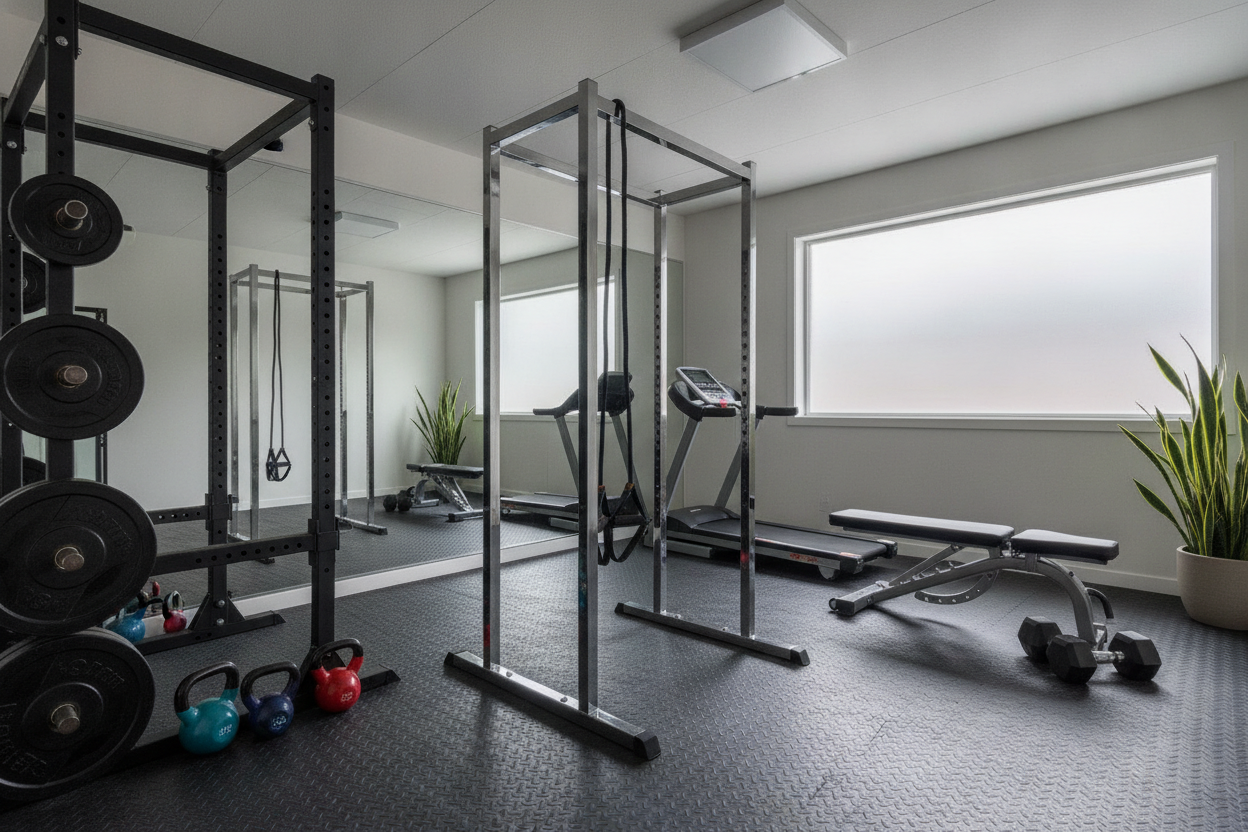
When I moved my training to my own space, safety became the priority. I picked up the Gxmmat X6 Power Rack Weight Bench Package because it gave me the spotting arms I needed to push my limits on the bench and squat without needing a neighbor to stand by. Having a dedicated rack means you can fail safely, which ironically, is the only way to get stronger. If you aren't squatting to depth and pressing overhead, you aren't training; you're just exercising.
Dumbbell Movements That Actually Earn Their Keep
Barbells are for load, but dumbbells are for longevity. Once the heavy compound work is done, I use dumbbells to fill the gaps. This is where you'll find the common weightlifting names of exercises like the Bulgarian split squat, the Romanian deadlift (RDL), and the one-arm row. These movements force each side of your body to work independently, which is the only way to stop your dominant side from doing all the heavy lifting during a barbell set.
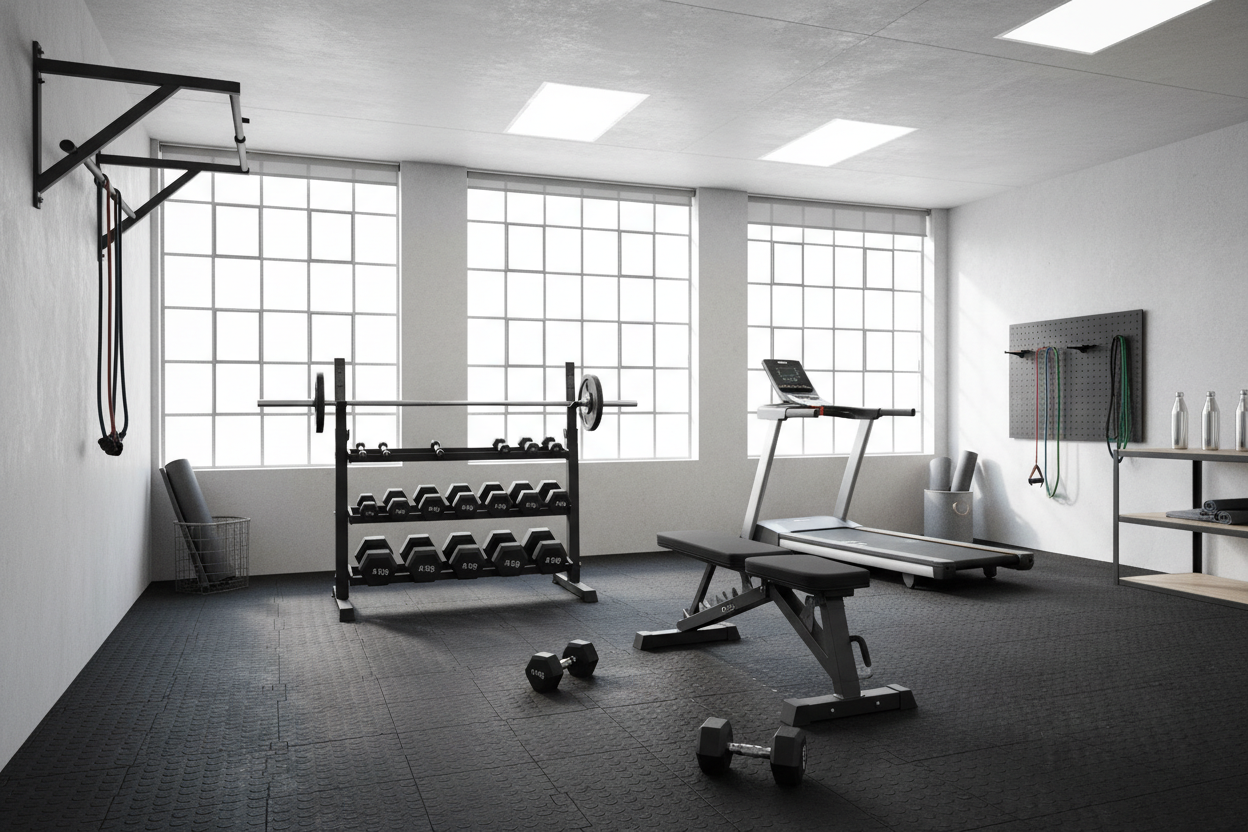
I do almost all my accessory work on a Gxmmat Adjustable Weight Bench. Whether it is incline dumbbell presses to hit the upper chest or seated curls, having a stable, adjustable surface is non-negotiable. I've used cheap benches that wobble when you pick up 50s; it’s a fast track to a shoulder injury. Stick to the basics: rows, lunges, and lateral raises. If an exercise looks like a TikTok stunt, leave it for the influencers.
Decoding the Jargon: Organizing Your Training
You’ll hear a lot of confusing workout names with weights thrown around—PPL, Upper/Lower, Full Body, or the 'Bro Split.' Don't let the terminology paralyze you. These are just different ways to organize the same movements. A 'Push' day is just a collection of presses; a 'Pull' day is just rows and hinges. The weight workout names don't matter as much as the frequency and intensity you bring to them.
If you're confused about how to execute these properly, I always recommend checking out A brutally simple list of weight lifting exercises with pictures to make sure your form isn't a disaster. Start with a basic 3-day full-body split or a 4-day upper/lower split. Pick one heavy barbell move per session, follow it with two dumbbell accessories, and go home. It shouldn't take two hours.
My Honest Mistake
For the first two years of training, I completely ignored the Romanian Deadlift because I thought standard deadlifts were 'enough.' My hamstrings were non-existent, and my lower back constantly ached because my glutes weren't doing their job. I finally swallowed my pride, stripped the weight back, and focused on the hinge. My squat numbers shot up almost instantly. Don't skip the 'boring' accessories just because they don't look as cool on a plate-loaded bar.
FAQ
Do I really need a barbell if I have heavy dumbbells?
Dumbbells are great, but you will eventually outgrow them for leg movements. Most people can squat far more than they can safely clean into position with dumbbells. For maximum strength, the barbell is essential.
How many exercises should be in my routine?
Keep it to 4-6 movements per session. If you're doing 12 different exercises, you aren't training with enough intensity on the first four. Quality over quantity always wins.
What is the best split for a home gym owner?
I'm a huge fan of the Upper/Lower split. It allows you to hit every muscle group twice a week while still giving your joints enough time to recover between heavy sessions.