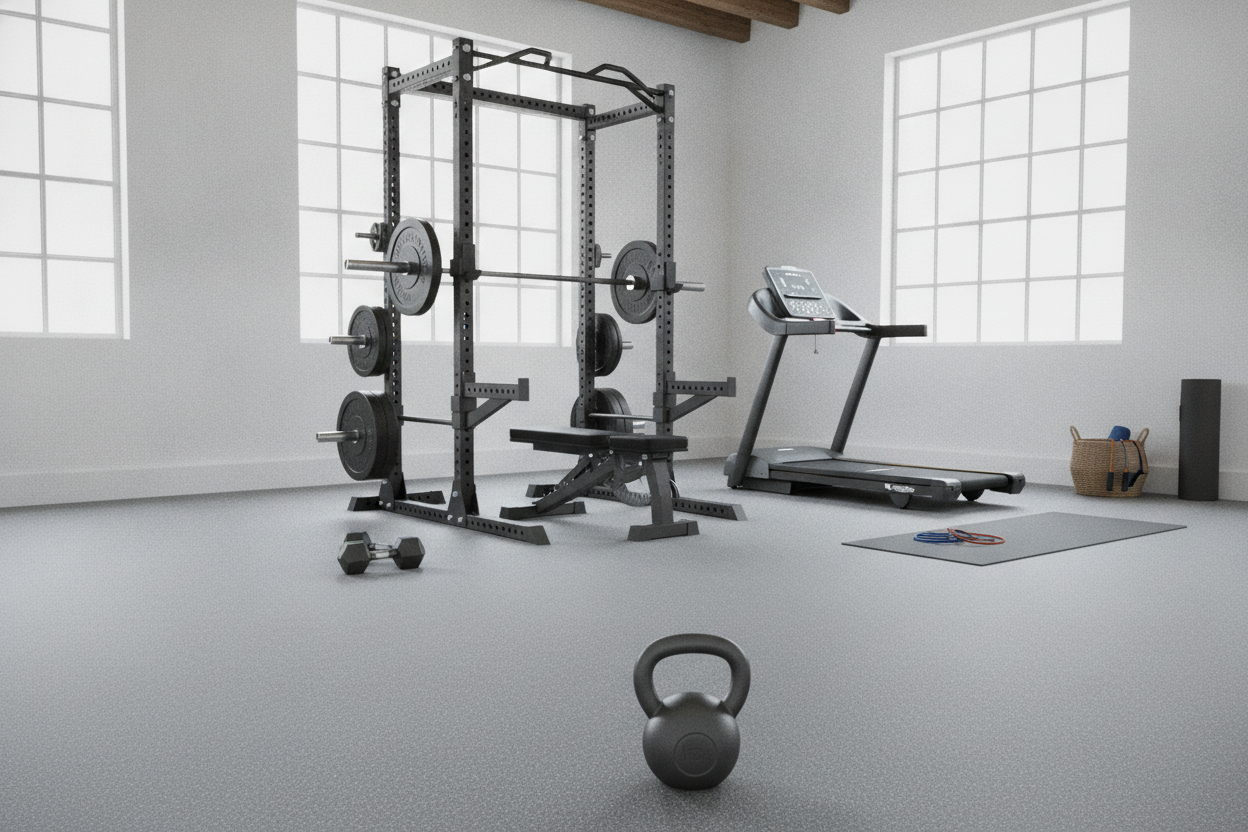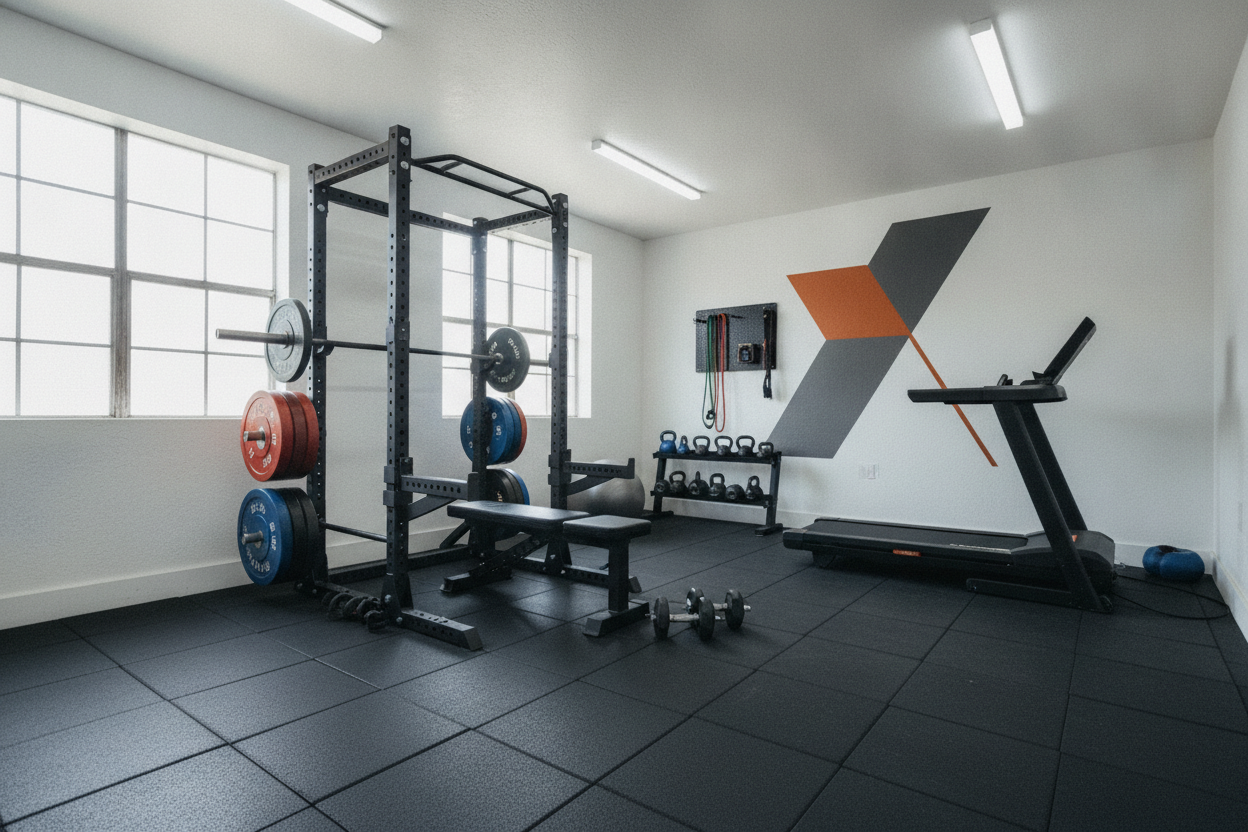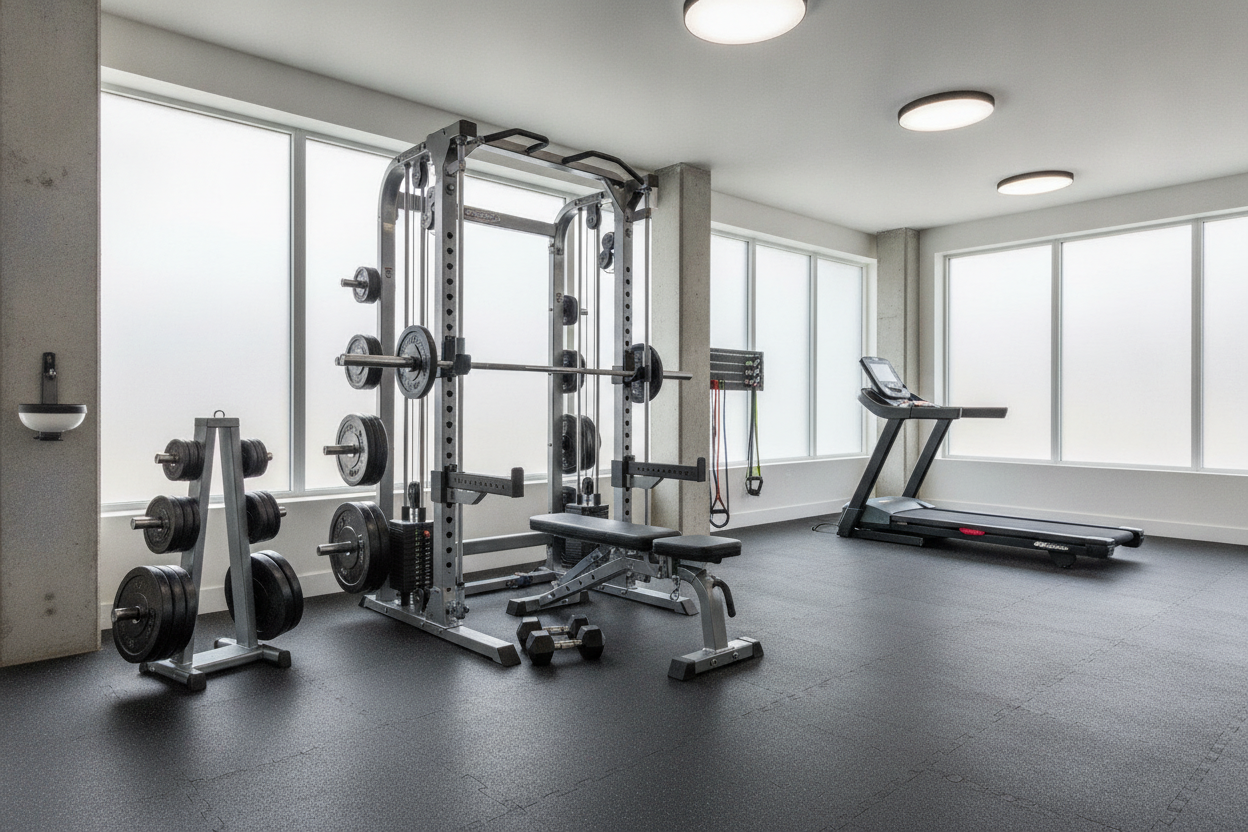
I Built My Entire Garage Around One Power Gym Machine
I remember the sound of my ribcage groaning under a 275-lb barbell. It was 11 PM, the garage was freezing, and I was pinned. I didn't want to call my wife to lift the bar off me, so I did the 'roll of shame' across my stomach, bruising my hip bones in the process. That was the night I decided my power gym machine wasn't just a luxury—it was a survival tool for a guy who trains alone.
- Safety First: Push to absolute failure without needing a spotter or worrying about the 'roll of shame.'
- Hypertrophy Focus: The fixed plane of motion allows you to target muscles without wasting energy on stabilization.
- Massive Footprint: These units are beasts; you will likely lose the ability to park a car forever.
- Plate Loaded: No cables to snap or pulleys to maintain—just raw iron and heavy-duty pivot points.
The Day I Got Crushed (And Rethought My Setup)
I’ve been lifting for fifteen years. I’m not a novice, but I’m also not a professional powerlifter. Most nights, it’s just me and a podcast in my single-car garage. When you’re chasing a PR on the bench press alone, there’s a mental ceiling. You stop two reps early because you’re afraid of the bar ending up on your throat. That night with the 275-lb fail changed everything.
I realized that for a solo lifter, the barbell is a liability when you're training for pure size. I needed a way to move heavy iron without the constant fear of a trip to the ER. Traditional racks are great, but even with safety straps, there's a level of 'what if' that holds you back. I wanted to fail safely, every single session.
What Actually Is a Leverage Machine?
Don't confuse a real leverage system with those flimsy cable machines you see at big-box retailers. A true power gym machine uses heavy-duty steel arms—usually 11-gauge—that pivot on industrial-grade bearings. You load Olympic plates directly onto the arms. There are no cables to snap and no pulleys to get gritty over time. It’s basically the plate-loaded equipment you’d find in a high-end commercial gym, but condensed into a single unit.
The mechanics are fixed-plane, which means the weight moves in a predetermined arc. It’s rock-solid. Most units I've tested can handle 500 lbs or more on the press arms. Because the arms are independent, you can’t let your dominant side do all the work, which is a common issue with standard barbells.
The Good: Maxing Out Without the Paranoia
The biggest win here is the mind-muscle connection. When you aren't worried about the barbell tilting or sliding out of your hands, you can actually focus on the squeeze. I’ve found that I can really exploit the power of tempo on the eccentric portion of the lift. I’ll take five seconds on the way down, knowing that even if my chest gives out, the safety stops will catch the arm an inch above my torso.
It’s a level of intensity you just can’t safely replicate with a barbell in a lonely garage. My chest and quads have grown more in the last year than in the three years prior because I’m finally hitting true muscular failure. You can do drop sets in seconds just by stripping a plate, without having to re-rack a heavy bar.
The Bad: Saying Goodbye to Your Floor Space
Let's be real: these machines are space hogs. My unit is about 76 inches wide and nearly 100 inches deep when the bench is attached. If you’re working in a tight spot, you’re going to feel the squeeze. You need to account for the 'swing' of the arms and the space to actually load the plates on the sides.
Because the machine takes up the whole garage, you might have to literally use your house as a gym machine for things like step-ups on the porch or using the door frames for pull-up variations. You aren't just buying a piece of equipment; you're resigning your garage to 'gym status' permanently. There’s no folding this thing away when guests come over.
Should You Actually Sell Your Squat Rack?
If you are a competitive powerlifter, no. You need the specific skill of balancing a bar. But if you’re a guy like me who just wants to stay strong and look decent without blowing out a shoulder or getting pinned, the leverage machine is superior. It’s built for the hypertrophy crowd and the solo home-gym grinders.
If you value your safety and want to push your limits without a training partner, making a leverage unit the centerpiece of your gym is a smart move. It’s a specialized tool that does one thing incredibly well: it lets you lift heavy until you can't lift anymore, safely.
Does it feel like a barbell?
No. It feels like a high-end gym machine. It's smoother and more stable, which is better for muscle growth but different from the 'raw' feel of a bar.
Can I do legs on it?
Absolutely. Most have a squat/calf raise attachment that is actually better for your back than a traditional back squat because it removes the spinal compression of a bar sitting on your traps.
How much weight can it hold?
Most quality units are rated for at least 500 lbs on the press arms. If you're benching more than that, you probably aren't reading this article anyway.