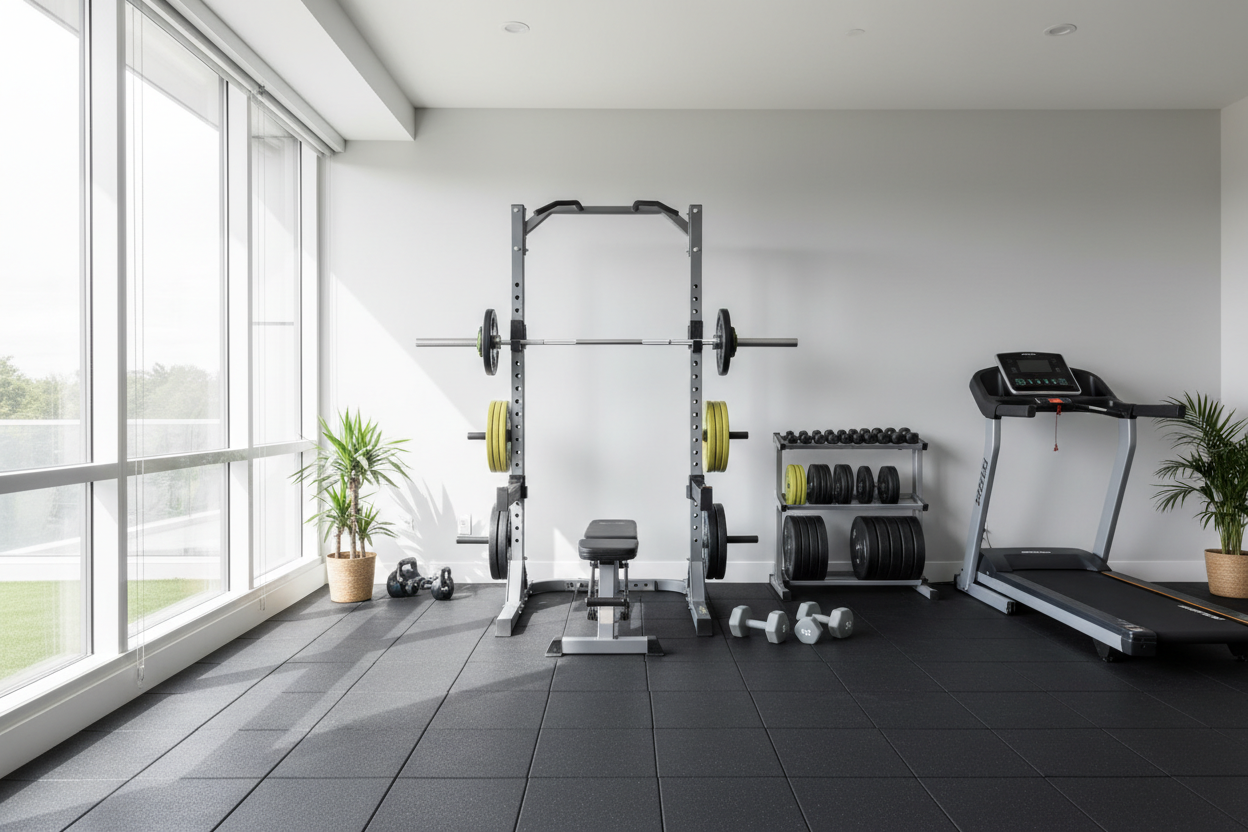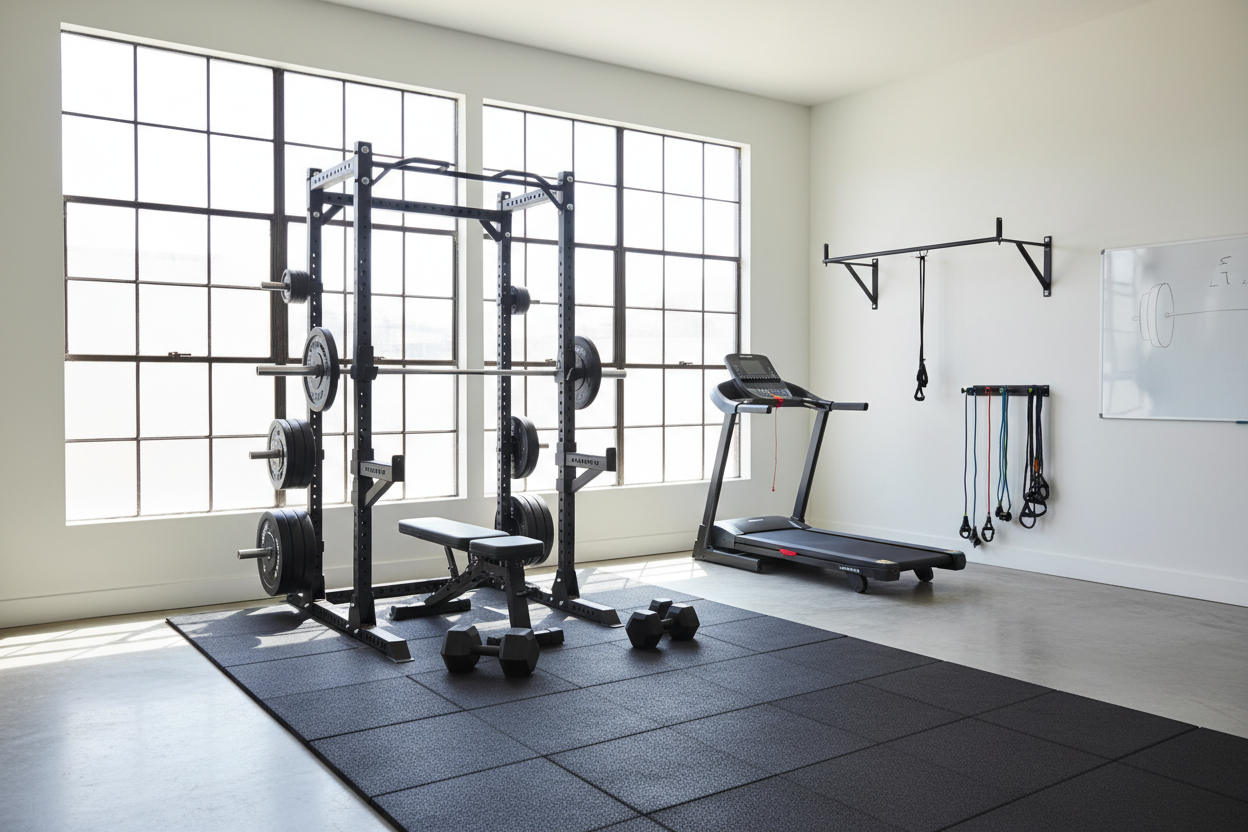
I Built a $1,000 Home Gym Using Only Gearforfit Equipment
I remember staring at my bank statement, watching another $80 vanish into the void of a commercial gym membership I barely used because the squat racks were always occupied by teenagers filming TikToks. I decided it was time to reclaim my garage. I spent weeks comparing specs before finally pulling the trigger on a full setup from gearforfit.
Budget equipment usually comes with a massive asterisk. You expect thin steel, peeling powder coats, and hardware that feels like it was made of recycled soda cans. I went into this experiment expecting a few headaches, but I wanted to see if a thousand bucks could actually buy a sanctuary that survives heavy triples.
- The Rack: Surprisingly sturdy 2x3 steel that doesn't wobble when you re-rack 300 lbs.
- The Plates: Low-odor bumpers with a decent bounce—no toxic rubber smell filling the house.
- The Value: You’re getting about 90% of the quality of premium brands for nearly half the price.
- The Trade-off: Packaging can be rough, and you might find a minor scratch or two out of the box.
The Gamble: Buying a Full Setup Sight Unseen
Ordering a massive freight shipment of steel is stressful. You’re essentially betting a grand that the company didn't skimp on the welds. Most people hesitate because they’ve seen those cheap racks at big-box stores that sway when you just look at them. I had those same doubts about gearforfit before the pallet arrived.
I chose them because they seemed to occupy that middle ground: better than the Amazon 'no-name' brands but cheaper than the big-name boutique manufacturers. I wanted a setup that could handle a 400-lb squat without making me wonder if I’d end up in a fail compilation video. It’s a leap of faith to trust your spine to budget steel.
Unboxing the Haul: First Impressions and Floor Prep
When the truck pulled up, I had my socket wrench ready. The packaging was functional, though a bit beat up from the journey. The first thing I noticed was the weight of the uprights. This wasn't the flimsy stuff. The powder coating was even, and the welds looked clean enough to satisfy anyone who isn't a professional fabricator.
Before the first bolt went in, I had to address the concrete. You can't put a heavy rack on bare garage floors and expect the concrete—or your joints—to last. I laid down a large exercise mat for home gym use to create a stable, grippy base. It levels out the minor imperfections in the floor and keeps the rack from sliding during aggressive movements.
The Power Rack Stress Test
The rack is the heart of the garage. If it sucks, the whole gym sucks. I opted for a standard power rack because it’s the essential gear for comprehensive home fitness and safety. I didn't bolt it to the floor initially just to see how much it would walk.
I loaded up 400 lbs and walked it out. The uprights stayed vertical. I did some weighted pull-ups at 220 lbs total weight, and the sway was minimal. For a rack at this price point, that’s a win. The J-cups have decent padding, though I suspect I’ll replace the plastic inserts in a year or two. It feels like a tank, not a toy.
Dropping the Bumper Plates on Concrete
Deadlifts are the ultimate gear killer. I took the new bumpers and dropped them from the hip repeatedly. I was looking for two things: the 'dead bounce' and the durability of the center steel rings. Some cheap plates have rings that pop out after a month of abuse.
I used a 6x8ft exercise mat as the landing zone to save my ears and the plates. The bounce was predictable—about two inches off the floor with no chaotic lateral movement. The inserts stayed tight. These plates aren't as thin as competition discs, so you'll run out of sleeve space eventually, but for most of us, they work perfectly.
What Survives Daily Abuse (And What Doesn't)
Six months in, the honeymoon phase is over. I’ve hit this gear five days a week. The main components—the rack and the plates—are flawless. Finding reliable gear for fit people who actually train hard is usually expensive, but this stuff is holding its own. The rack hasn't developed any structural issues, and the bar still spins well.
The only casualties? The clips that came with the bar were garbage—I replaced them with aluminum collars immediately. Also, the powder coat on the pull-up bar is starting to smooth out where I use chalk. It's purely cosmetic, but it shows where the 'budget' nature of the finish lies. If you want a pristine showpiece, buy commercial. If you want to train, this is fine.
The Final Verdict: Should You Trust the Price Tag?
If you have a $5,000 budget, go buy a custom-colored rig from a boutique shop. But if you’re a regular lifter looking to escape the commercial gym grind without taking out a second mortgage, this is a solid play. You’re getting heavy-duty steel that does exactly what it’s supposed to do.
I don't regret the $1,000 investment. It’s already paid for itself in saved time and membership fees. Just make sure you spend the extra fifty bucks on decent flooring and a good set of collars. The rest of the gear is ready for whatever you can throw at it.
FAQ
Is the steel thick enough for heavy lifting?
Yes. The 11-gauge and 14-gauge options they offer are standard for home and light commercial use. Unless you're squatting 700+ lbs, you won't see these uprights flex.
How long does assembly take?
Plan for about two hours for a full rack if you have a helper. Use your own ratcheting wrenches; the 'tools' included in the box are basically useless for getting the bolts tight enough.
Do the bumper plates smell like chemicals?
There was a slight 'new tire' smell for about 48 hours, but it dissipated quickly. It's nothing like the toxic stench you get from some of the cheaper brands found on big auction sites.