I Broke 3 Weight Training Stations Before Finding One That Works
I remember the day my first 'all-in-one' died. I was mid-rep on a lat pulldown when the cable snapped, sending the handle into my forehead and the weight stack crashing down like a ton of bricks. It was a cheap weight training stations I bought because the price looked right and the box promised 50 different exercises. I learned the hard way that when a machine tries to do everything for $400, it usually does everything poorly.
- Look for 11-gauge steel frames; anything thinner will wobble under real weight.
- Nylon-coated aircraft cables are non-negotiable for safety and longevity.
- Selectorized stacks save time, but plate-loaded systems save your budget.
- Avoid machines with more than three pulley points; they create too much friction.
The All-in-One Trap: Why I Hated My First Multi-Gym
My first mistake was buying a flimsy multiple exercise machine for home from a big-box sporting goods store. On the showroom floor, it looked decent. Once I got it home and actually tried to push my limits, the flaws were glaring. Within a month, the seat had developed a permanent lean to the left and the 'smooth' motion felt like pulling a sled through gravel.
Cheap multigym equipment often relies on plastic bushings instead of ball bearings. This creates a jerky, inconsistent resistance that ruins your mind-muscle connection. If you want actual results, you need to look at the best weight training machines that use commercial-grade components designed to handle daily abuse without the frame twisting under load.
The Anatomy of a Weight Station Home Gym That Actually Survives
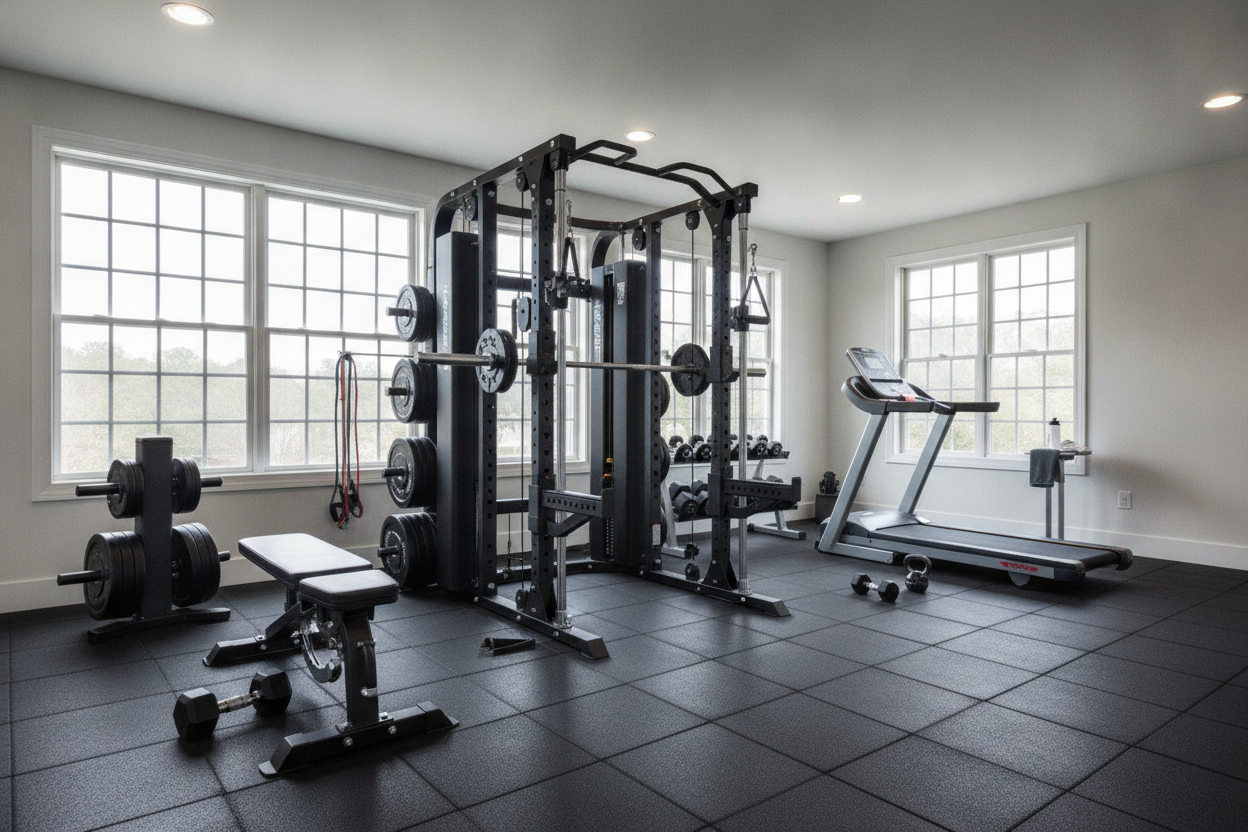
A real weight station home gym isn't light. If you can pick up the frame by yourself, it is garbage. You want 2x3 or 3x3 inch steel tubing. This thickness provides the stability needed for heavy chest presses or rows without the machine walking across the floor. Also, check the pulleys. You want fiberglass-reinforced nylon or, even better, aluminum pulleys with sealed bearings.
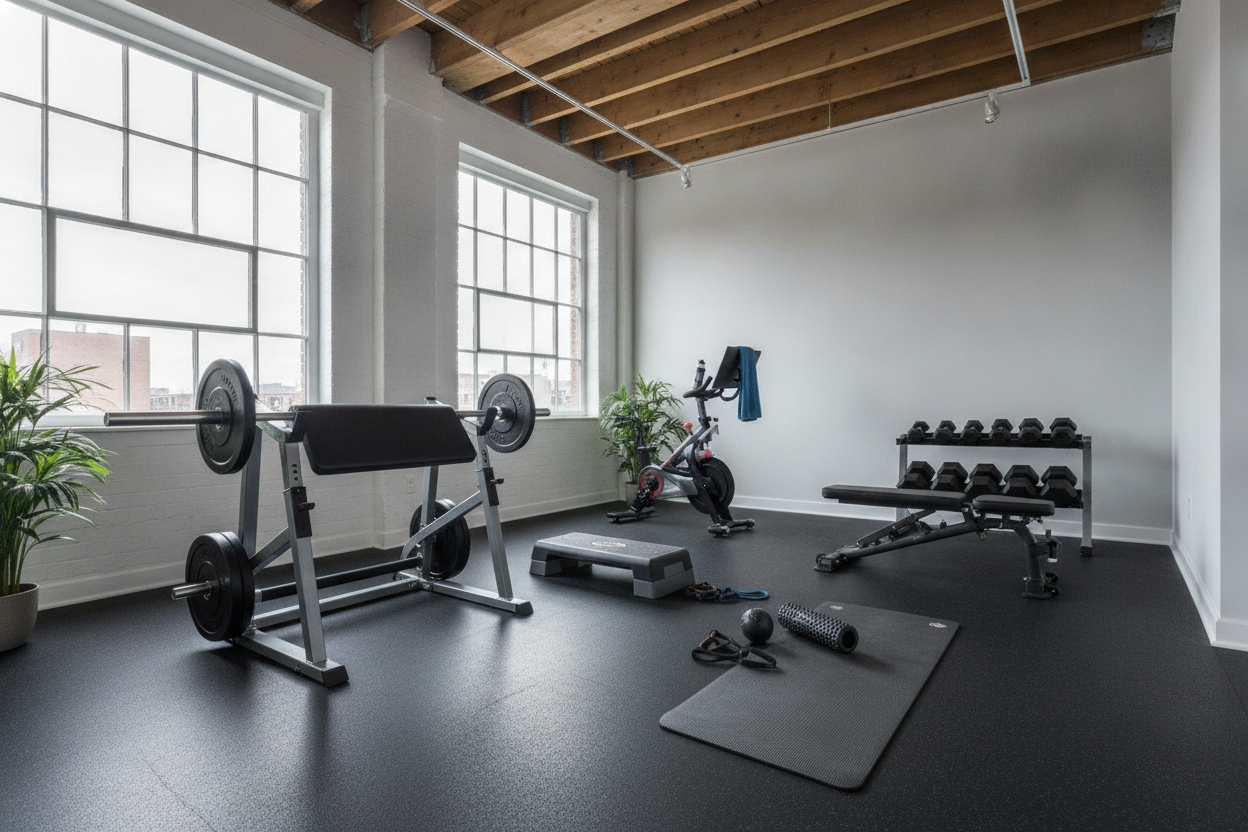
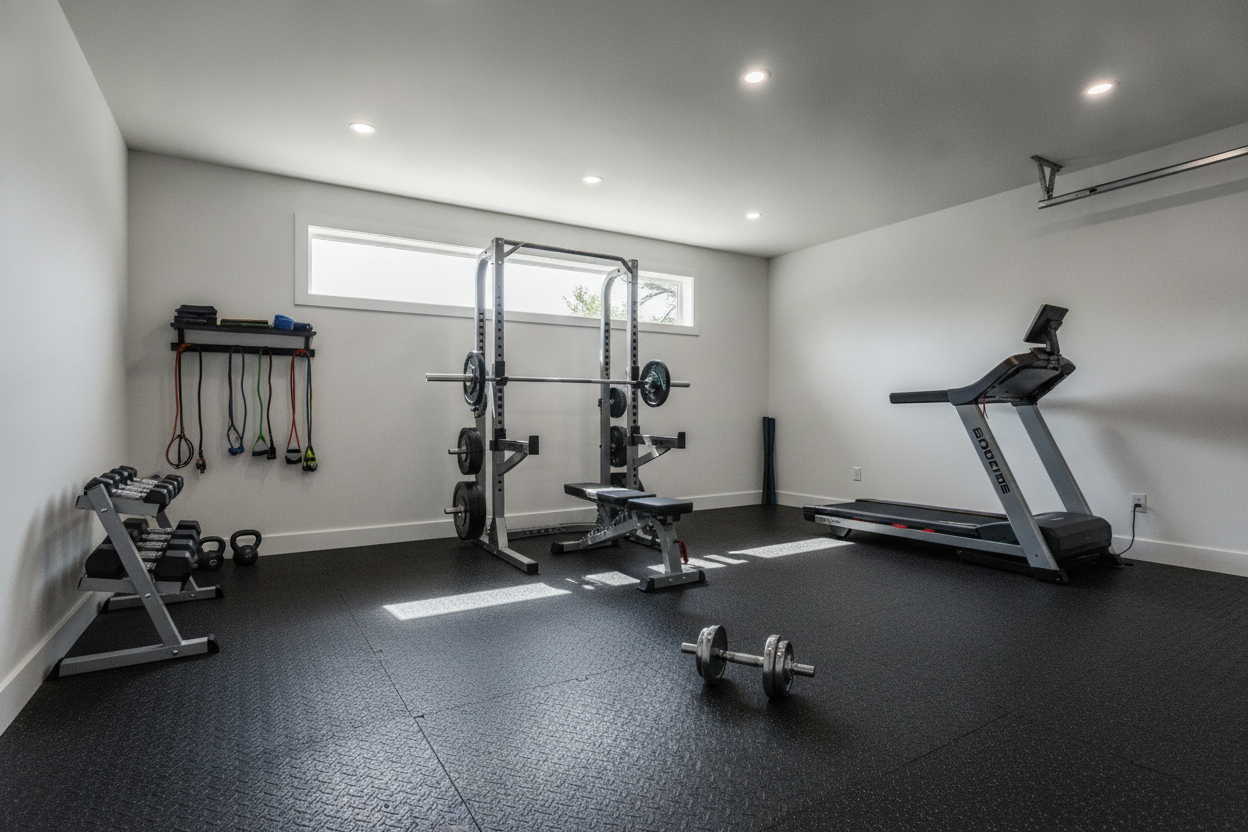
Keep in mind that these heavy-duty stations are absolute floor-killers. I always recommend laying down durable gym flooring before you even think about bolting the frame together. Without it, the vibration and weight will eventually crack your concrete or ruin your hardwood. It is a small investment to protect your home and dampen the noise of the weight stack.
Selectorized Stacks vs. Plate-Loaded Designs
When picking a workout station with weights, you have to choose your poison: a built-in selectorized stack or a plate-loaded arm. Stacks are incredibly convenient for drop sets and keep the footprint small. However, most home units cap out at 160 or 210 lbs. For many lifters, you'll outgrow that lat pulldown stack in a year.
Plate-loaded designs are usually more affordable and allow you to use your existing Olympic plates. The downside? You have to manually load and unload every set. If you are training for raw strength, the plate-loaded route is almost always better because the weight ceiling is significantly higher. Just make sure the weight horns are chrome-plated so the finish doesn't chip off after a month of sliding plates on and off.
Space vs. Gimmicks: Do You Really Need 100 Exercise Options?
You do not need a sprawling weight workout station that takes up half your garage. Most of those '100-in-1' machines have attachments you will never use—like that weird 'rowing' station that feels like a toy or a 'pec dec' that kills your shoulders. A compact, high-quality mini gym machine that nails the basics is worth five times more than a bulky gimmick machine.
Focus on the big movements: a solid press, a smooth cable pull, and a functional leg developer. Your garage gym doesn't need to look like a commercial club. You should weight training equipment for home based on what you actually do, not what looks cool in a catalog. If it doesn't help you get stronger, it's just a very expensive clothes rack.
My Golden Rules for Buying a Multi-Gym Without Getting Scammed
Before you drop a grand, check the warranty. If the company only offers 90 days on cables and upholstery, they know the product is junk. Look for at least a one-year warranty on wear items and a lifetime warranty on the frame. If the manufacturer won't stand behind their steel, you shouldn't stand under it.
When you're ready to pull the trigger, stick to vetted weight lifting machines that have been tested by people who actually train. Look for adjustable seat heights and multiple grip positions. These small ergonomic details are the difference between a machine you love using and one that collects dust because it makes your joints ache.
How much space do I really need?
Most stations need at least a 6x8 foot footprint for the machine itself, plus an extra 2 feet of clearance on all sides so you don't smash your hands into a wall during flyes.
Are cables better than free weights?
They aren't 'better,' but they provide constant tension throughout the entire range of motion. This is huge for hypertrophy and isolation work that's hard to replicate with just a barbell.
Can I assemble it myself?
Yes, but set aside 4 to 6 hours and have a real socket wrench set ready. The 'tools' they include in the box are usually stamped metal garbage that will strip your bolts.