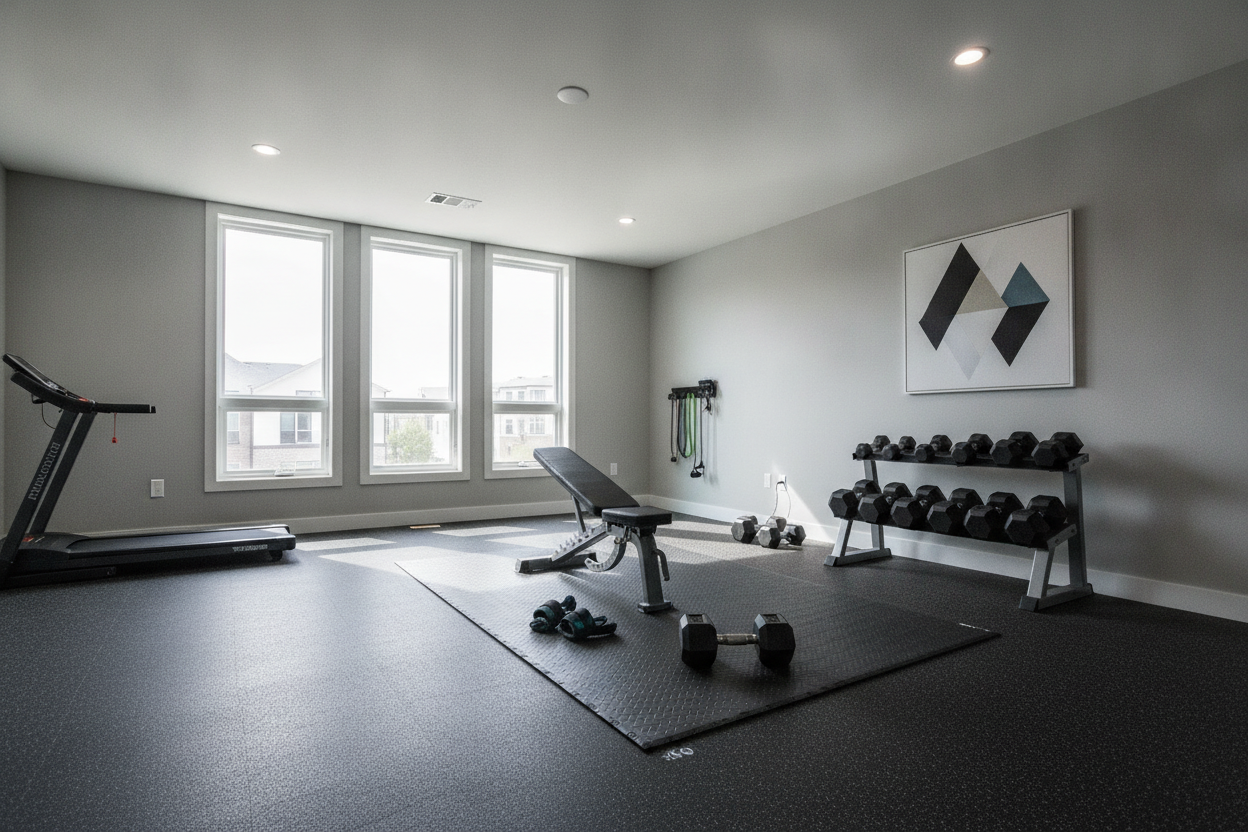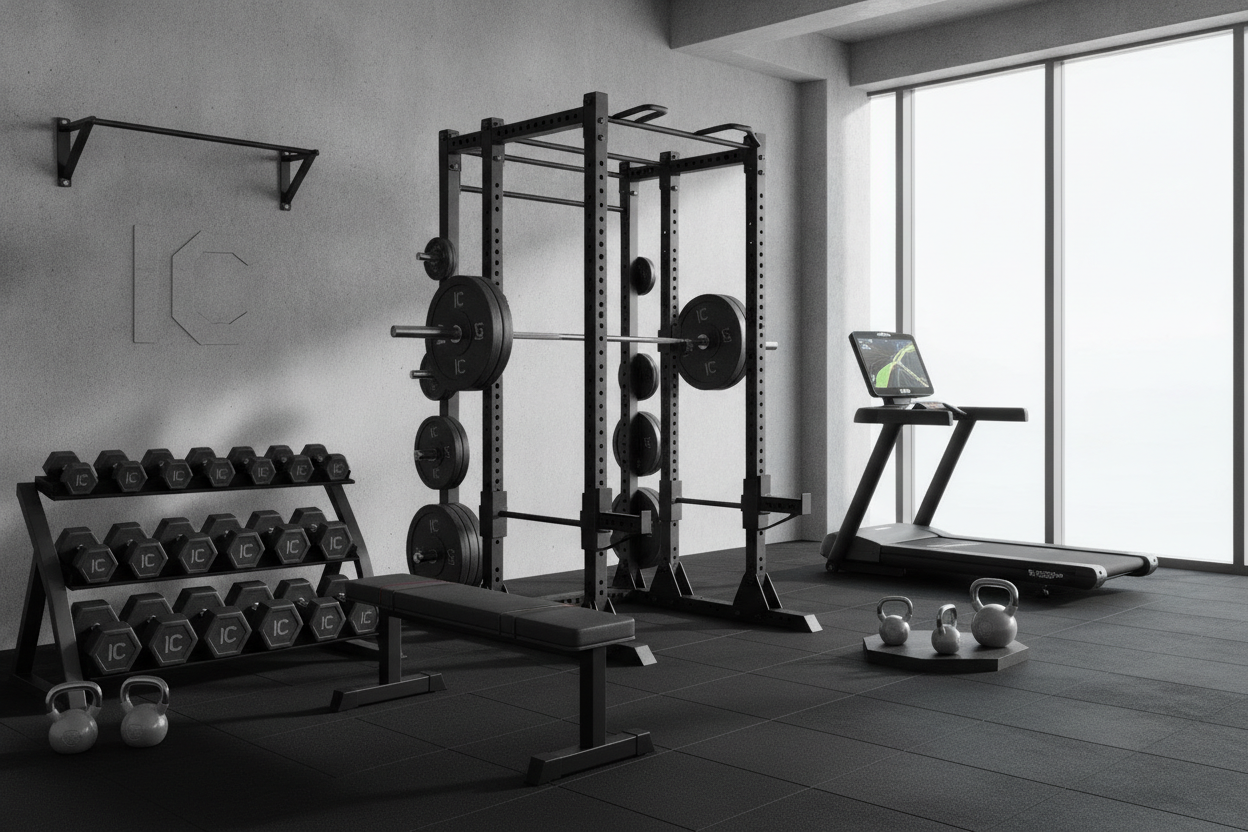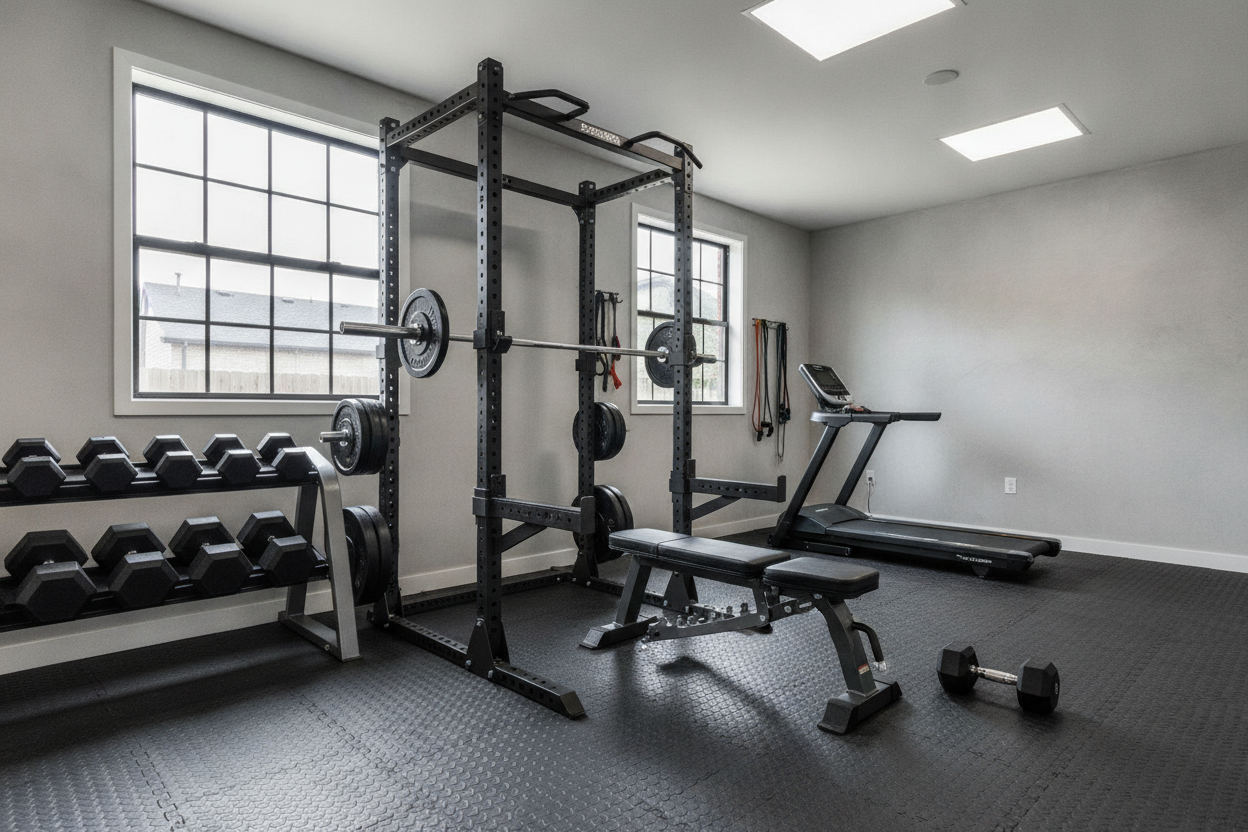
I Blew My Budget on Premium Exercise Equipment (And Regret Half of It)
I remember the night I finally hit 'confirm' on a $1,200 barbell. I was tired of my local commercial gym hiking prices and the constant crowd around the only decent rack. I wanted the best, so I went hunting for premium exercise equipment like I was building a pro-athlete’s sanctuary in my garage.
Three years later, my garage is full of steel. Some of it is the best money I ever spent; some of it is just expensive paperweights with a logo. I’ve learned that high-end doesn't always translate to better gains. Sometimes, it just means you have a prettier tax on your hobby.
- Invest heavily in the bar and the rack; they are your safety net.
- Avoid 'designer' weight plates; cast iron is cast iron.
- Moving parts like pulleys and bench hinges demand quality or they will fail.
- Flooring is the most underrated investment for protecting expensive gear.
The Trap of the 'Buy Once, Cry Once' Mentality
We’ve all heard it: 'Buy once, cry once.' It sounds smart. You tell yourself that spending $5,000 on a full suite of premium sports equipment now will save you money over a decade. But here is the reality: if you are just starting out, you don't actually know how you like to train yet. I’ve seen guys drop three grand on a competition-spec powerlifting rack only to realize six months later they actually prefer kettlebells and sandbags.
Before you go chasing the shiny stuff, you need to establish the essential equipment for every fitness level. A basic squat stand and a decent bar will get you through your first two years of linear progression just as well as a custom-painted monster rack. The trap is thinking that luxury gear makes you more committed. It doesn't. It just makes your credit card bill heavier. Start with the basics and earn the right to upgrade once you’ve actually worn the finish off a budget bar.
I fell for this myself with a set of $800 adjustable dumbbells. They looked amazing in the photos. In practice? They were too bulky for curls and the plastic locking mechanism felt like it would snap if I breathed on it too hard. I could have bought a full set of used iron hex bells for half that price and they would have lasted forever.
When You Actually Need to Spend the Big Bucks
Spending money on premium fitness equipment makes sense when safety and mechanical precision are on the line. If you are squatting 400 pounds, you aren't just looking for 'good enough.' You are looking for structural integrity. High-quality fitness equipment uses thicker steel, better welds, and higher-rated hardware that won't shear under a heavy load.
You also pay for the 'feel' of the movement. On cheap gear, a pull-down feels jerky. On good quality gym equipment, the bearings are smooth, the cables don't stretch, and the resistance is consistent from the top of the rep to the bottom. If it has a pulley or a hinge, that is where your budget should go.
Racks and Barbells: Don't Cheap Out Here
The rack is the anchor of your gym. When you’re looking at premium gym equipment, look for 11-gauge steel and 3x3-inch uprights. This isn't just about weight capacity; it's about lateral stability. A cheap rack will sway when you rack a heavy bar, and that is terrifying when you're exhausted at the end of a set.
Then there is the barbell. A premium bar has a specific 'whip' and knurling that grips your skin without tearing it off. I once used a budget bar that had chrome plating so thick it was slippery. I switched to a stainless steel power bar with a 200,000 PSI tensile strength rating, and it changed my pull overnight. The bar is your only point of contact with the weight—make it a good one.
Benches and Cables: The Wobbly Middle Ground
A bad bench is a distraction. If the seat wobbles while you're trying to stabilize a pair of heavy dumbbells, you're losing power and risking a shoulder tweak. Premium benches usually weigh 70 to 100 pounds for a reason—they are built with massive steel bases and high-density foam that doesn't bottom out after six months of use.
Cable machines are the same story. Cheap home units use plastic pulleys that create friction and heat, eventually fraying the cable. Premium home gym equipment uses aluminum or high-grade nylon pulleys with sealed bearings. It’s the difference between a smooth, 'commercial gym' feel and a gritty, frustrating mess that makes you want to skip accessory day.
Where Budget Gear Actually Beats the High-End Stuff
Here is a secret: a 45-pound iron plate from a garage sale weighs exactly the same as a 45-pound plate with a boutique logo on it. Spending a premium on cast iron plates is the fastest way to waste your gym budget. Unless you are a competitive lifter who needs calibrated plates within a 10-gram tolerance, standard iron is fine. You can find incredible home gym equipment deals on plates and basic dumbbells if you look at local marketplaces or refurbished shops.
I also regret buying 'premium' chalk and collars. Basic spring collars hold the weight just as well as $60 magnetic ones for 99% of lifts. And chalk? It’s just magnesium carbonate. Don't pay for the fancy packaging. The same goes for storage trees and weight pegs. If it just sits there and holds something, buy the cheapest version that doesn't fall over.
I once spent $150 on a 'precision-engineered' jump rope. It was fast, sure, but no faster than the $15 speed rope I bought at a sporting goods store. The high-end one actually broke faster because the wire was too thin for my driveway. Sometimes, the 'pro' version is actually more fragile because it's designed for a specific, controlled environment.
How to Mix High and Low Without Ruining Your Setup
The smartest way to build a gym is the 'Hybrid Method.' You buy premium home gym equipment for the 'Big Three'—your rack, your bar, and your bench. These are the items that keep you safe and provide the most feedback during a lift. Everything else can be budget-friendly until you have the cash to upgrade.
For accessories like landmines, dip bars, or even plate loaded lat towers, you can often find mid-tier brands that offer 90% of the quality for 40% of the price. Always check a Major Fitness Home Gym Equipment Review Guide or similar resource before mixing brands to ensure the hole spacing on your rack matches the attachments you want to buy. There is nothing worse than buying a high-end 3x3 rack and realizing your budget attachments are made for 2x3 tubing.
My current setup is a mix. I have a competition-grade barbell and a heavy-duty power rack, but my plates are a mismatched collection of rusted iron I bought from a closing CrossFit box. It looks a bit 'mad max,' but it performs where it counts. That's the balance you want: a gym that works harder than it looks.
Protecting Your High-End Investment
If you spend thousands on large fitness equipment and then bolt it directly into bare concrete, you are asking for trouble. Vibration and moisture are the enemies of steel. Concrete is porous and holds moisture, which will rust the bottom of your expensive rack from the inside out. Furthermore, dropping weights on concrete will eventually crack the slab and ruin the internal structure of your plates.
You need a buffer. I recommend a large exercise mat for home gym use or, better yet, 3/4-inch stall mats. This isn't just for the floor; it's for the gear. Good flooring absorbs the shock that would otherwise go into your barbell's bearings or your rack's bolts. If you can afford the premium gear, you can afford the rubber to protect it.
FAQ
Is 11-gauge steel really necessary?
For a main power rack, yes. It provides the mass needed to keep the rack from shifting and can handle the force of a failed lift without bending. For accessory stands, 14-gauge is usually fine.
Should I buy a used premium barbell?
Only if you can inspect it in person. Check for a permanent bend by rolling it on a flat floor and ensure the sleeves spin freely. If it’s rusted, you can usually clean it with a wire brush and 3-in-1 oil.
What is the first thing I should upgrade in a budget gym?
The barbell. It is the most important piece of equipment you own. A high-quality bar improves your grip, protects your joints with better spin, and lasts a lifetime if maintained.