
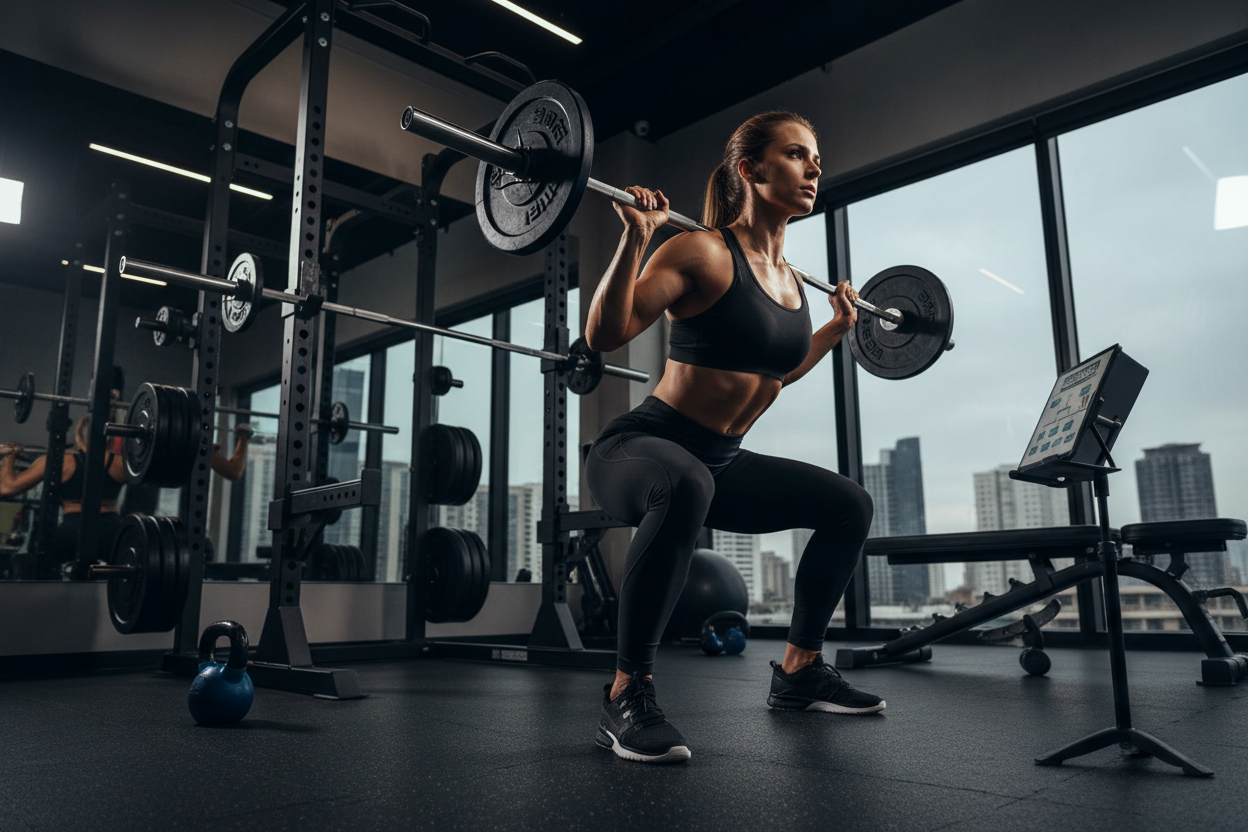
How to Workout at a Gym: The Complete Beginner Blueprint
Walking into a fitness facility for the first time—or stepping back in after a long hiatus—can feel like navigating a foreign country. Between the clanking iron, rows of complex machines, and the unspoken rules of the floor, it is easy to feel overwhelmed. If you are wondering how to workout at a gym without feeling completely lost, you are not alone.
Whether you are supplementing your home garage setup with a commercial membership or just starting your fitness journey, knowing exactly how to workout at the gym comes down to having a solid plan. In this guide, we will break down how to navigate the equipment zones, structure your routine, and train with confidence.
Key Takeaways
- Have a plan before you arrive: Knowing your exercises prevents wandering and saves time.
- Start with compound movements: Prioritize free weights like squats and presses before isolation machines.
- Learn the layout: Most gyms are divided into free weights, machines, cardio, and functional turf zones.
- Respect the etiquette: Always re-rack your weights and wipe down benches after use.
Navigating the Equipment Zones
Commercial gyms are massive, but they all follow a similar layout blueprint. Understanding these zones is the first step in mastering your environment.
Free Weights vs. Machines
The free weight area houses power racks, dumbbells, and benches. This is where you will build the most functional strength. If you are used to a premium home power rack , you might find commercial gym racks crowded. Selectorized machines, on the other hand, are great for beginners or for isolating muscles safely without a spotter. They guide your range of motion and make adjusting weight as simple as moving a pin.
Functional and Cardio Areas
Beyond the heavy iron, look for the functional turf or stretching mats. This area is ideal for kettlebell swings, mobility work, and core circuits. The cardio deck is usually self-explanatory, but try to use it for a 5-10 minute dynamic warm-up rather than your entire session if your goal is building muscle.
Structuring Your Routine
The biggest mistake people make is winging it. A structured approach ensures you hit all muscle groups efficiently.
The Warm-Up Protocol
Never skip the warm-up. Spend 5 minutes elevating your heart rate, followed by dynamic stretches like arm circles and bodyweight lunges. This prepares your joints and central nervous system for the heavy loads to come.
Compound Movements First
Always sequence your hardest, multi-joint exercises at the beginning of your workout when your energy is highest. Think barbell squats, deadlifts, bench presses, and overhead presses. Once you have completed 3-4 sets of these, move on to isolation exercises like bicep curls or leg extensions to finish off the muscle.
From Our Gym: Honest Take
As someone who spends 90% of my time training in my custom basement gym, I still drop into commercial gyms when traveling. The biggest shock for me is always the equipment variance. Last month, I was doing heavy deadlifts at a big-box gym, and the knurling on their standard barbell was completely worn smooth—my chalked grip was slipping at 315 lbs, a weight I easily pull on my home power bar. It was a stark reminder of why equipment maintenance and quality matter. If you are training at a public gym, you have to be adaptable. Bring your own lifting straps, be prepared to swap a barbell movement for a dumbbell variation if the racks are full, and never assume the cable machine ratios feel exactly the same as your setup at home.
Frequently Asked Questions
How long should a gym workout last?
For most people, 45 to 60 minutes of focused effort is plenty. If you are resting appropriately between heavy sets, an hour gives you enough time to complete a warm-up, 4-5 exercises, and a quick cooldown.
What should I bring to the gym?
Keep it simple: a water bottle, a sweat towel, headphones, and a supportive pair of training shoes. If you lift heavy, a quality lifting belt and chalk (if the gym permits it) are great additions to your gym bag.
Is it better to build a home gym or go to a commercial gym?
It depends on your goals and budget. A commercial gym offers variety and a social atmosphere. However, a home gym eliminates commute times, waiting for equipment, and monthly fees. Many dedicated lifters eventually invest in a home power rack and barbell to train on their own schedule.


