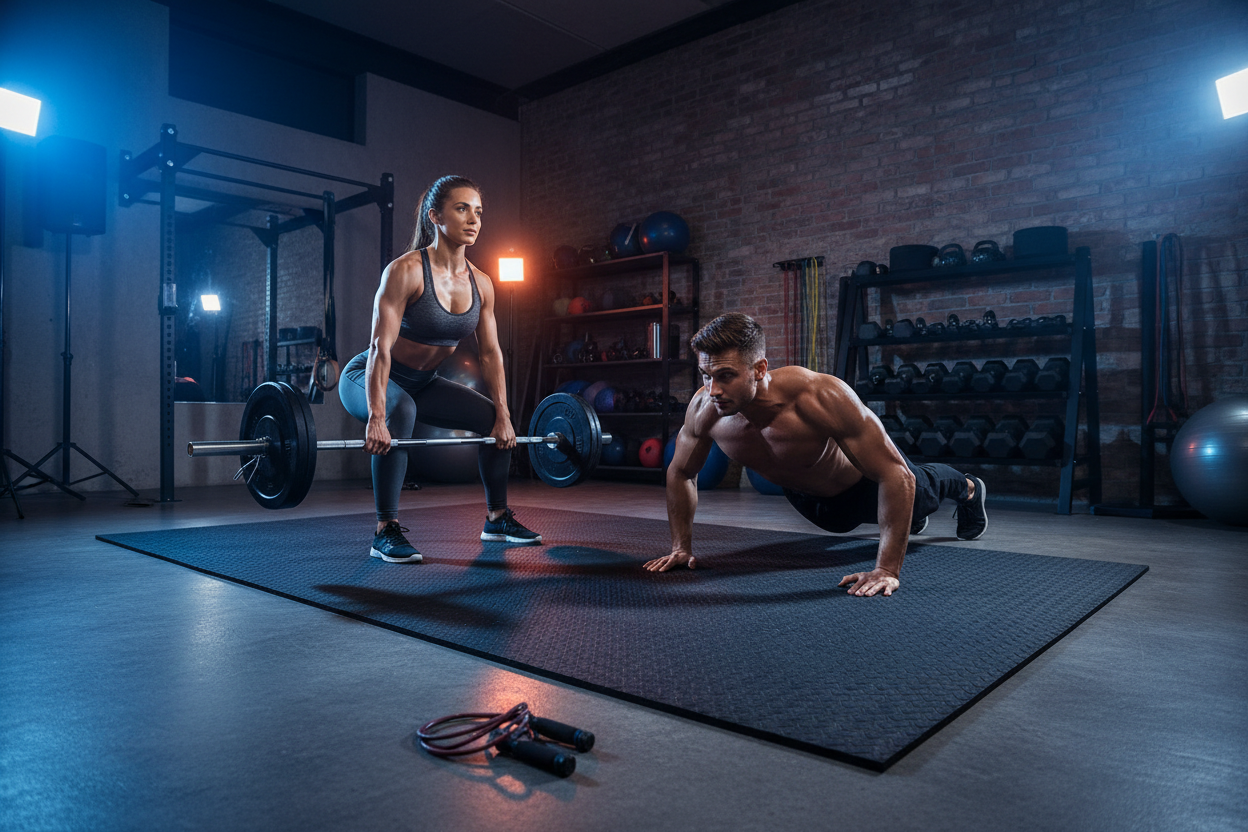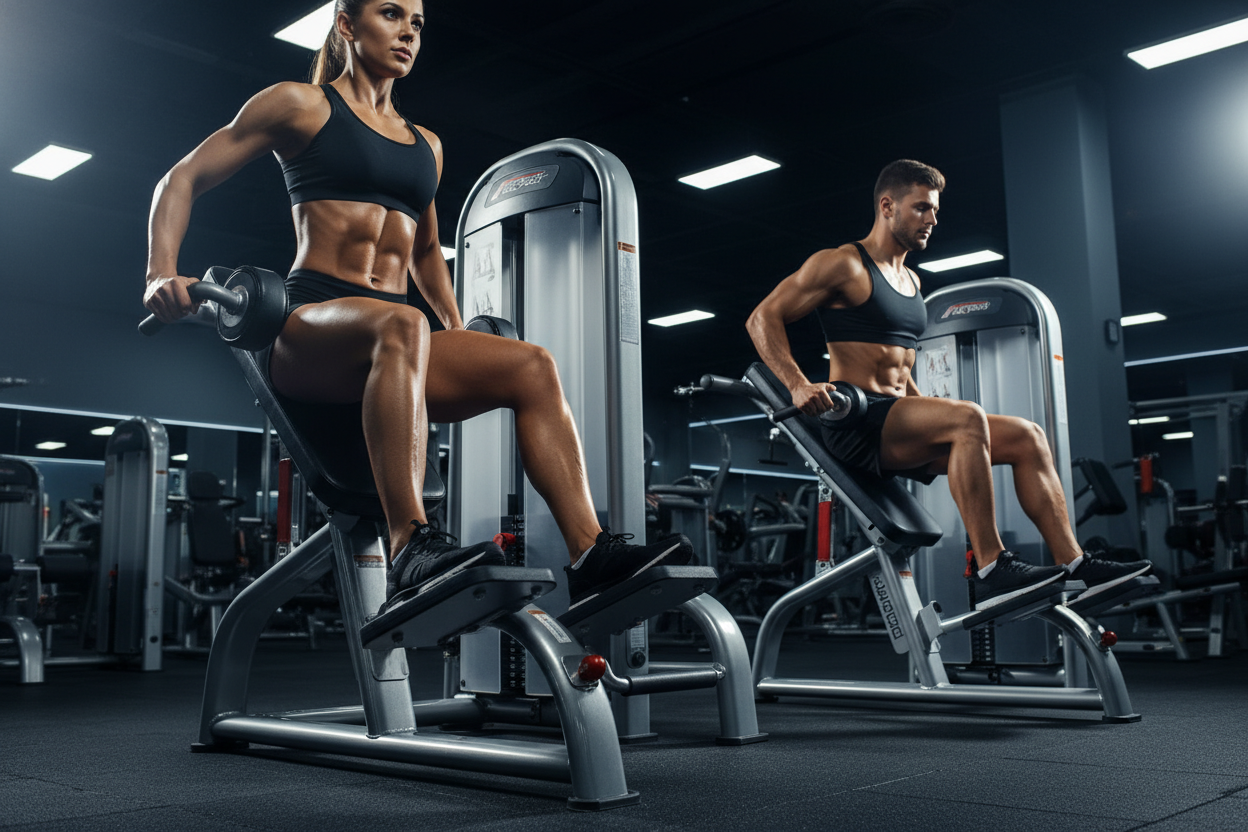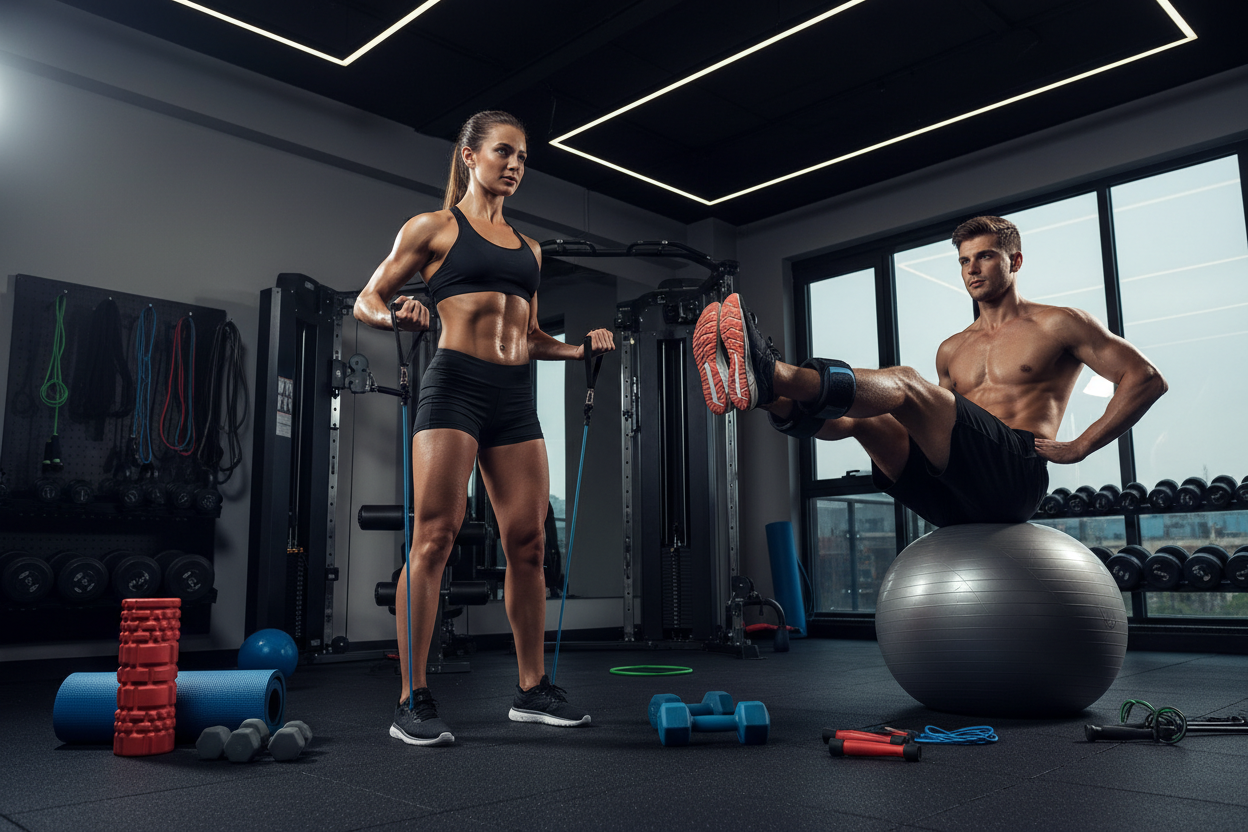
How to Sculpt a Lean Physique With Simple Exercise Equipment for Toning
You have probably heard the myth a thousand times: lift heavy to get bulky, lift light to get toned. This misconception leads countless people to waste money on the wrong gear, spinning their wheels without seeing definition. If you want that visible muscle separation, you need to understand what "toning" actually is: building muscle while losing body fat.
To achieve this, your exercise equipment for toning needs to provide sufficient resistance to stimulate the muscle, not just burn calories. It is not about doing a hundred reps with a pink dumbbell; it is about mechanical tension and progressive overload.
Key Takeaways
- Resistance is Mandatory: Toning requires hypertrophy (muscle growth), which only happens when muscles are challenged against resistance.
- Compound Over Isolation: The most effective gear allows you to work multiple muscle groups simultaneously (e.g., squats over leg extensions).
- Versatility Matters: Look for equipment that allows for a full range of motion to target both the upper and lower body effectively.
- Progressive Overload: Good equipment allows you to increase difficulty as you get stronger, preventing plateaus.
The Science of Toning: Why Cardio Machines Aren't Enough
Many beginners flock to ellipticals or treadmills hoping to tone up. While cardio is great for heart health and caloric expenditure, it does not provide the stimulus needed to shape the muscle underneath the fat.
To change the shape of your body, you need resistance tools. When you lift weights or pull against bands, you create microscopic tears in the muscle fibers. When these repair, they grow back stronger and denser. This density is what creates the "hard" look associated with being toned.
Essential Gear for Total Body Definition
You do not need a gym membership to get results. A few strategic pieces of equipment can outperform a room full of machines if used correctly.
1. Adjustable Dumbbells
If you have limited space, adjustable dumbbells are the gold standard. They allow you to perform compound lifts like thrusters or lunges, which are arguably the best exercise equipment for arms and legs combined.
By changing the weight, you can switch from heavy leg work to lighter shoulder isolation instantly. This versatility ensures you never outgrow your equipment.
2. Kettlebells
Kettlebells offer a unique advantage: an offset center of gravity. This forces your stabilizer muscles to work overtime to control the weight.
Movements like the kettlebell swing combine cardio and strength, torching fat while building the posterior chain (glutes and hamstrings). It is dynamic tension that static weights often miss.
3. Resistance Bands (Loop and Tube)
Do not underestimate the rubber band. Unlike free weights, which rely on gravity, bands provide "linear variable resistance." This means the exercise gets harder the further you stretch the band.
This peak tension at the end of a movement is incredible for muscle contraction and definition, particularly for the glutes and shoulders.
My Training Log: Real Talk
I want to be transparent about my personal experience with exercise equipment for toning. It isn't always smooth sailing like the commercials show.
I specifically remember my first month exclusively using tube resistance bands. I bought a cheap set online, thinking they were all the same. During a high-rep overhead press, the carabiner actually snapped mid-rep. It didn't hit me, but the band whipped back and left a welt on my forearm that lasted a week.
Beyond the safety issue, I learned that the "door anchors" usually scuff the paint on your door frame if you aren't careful. And let's talk about fabric vs. latex loop bands: if you are hairy like me, cheap latex bands will pull leg hair out during squats. I switched to fabric-lined bands for my lower body work, and it changed the game—no more rolling up, no more pinching skin. It’s a small detail, but it’s the difference between finishing a workout and quitting halfway through out of annoyance.
Conclusion
Achieving a toned physique is about working smarter, not just harder. By selecting equipment that allows for progressive resistance and compound movements, you optimize your training for muscle definition.
Stop chasing the burn of high reps with zero weight. Grab a kettlebell or a pair of dumbbells, challenge your muscles, and the definition will follow.
Frequently Asked Questions
Can I tone my body without heavy weights?
Yes, but you still need high resistance. You can achieve this with bodyweight leverage (calisthenics) or heavy resistance bands. The key is that the last few reps of any set must feel difficult to complete.
How often should I use this equipment to see results?
Aim for 3 to 4 strength training sessions per week. This frequency allows you to hit every muscle group twice a week, which is the sweet spot for hypertrophy and toning.
What is the single best piece of equipment for a small apartment?
Adjustable dumbbells are the winner here. They replace an entire rack of weights and allow you to perform hundreds of exercises, making them the most space-efficient tool for full-body toning.