How to Pick a Beginner Weight Set You Won't Outgrow in a Month
I remember my first 'home gym' purchase: a pair of neon green 5-pounders I found in a bargain bin. Three weeks later, I was using them as doorstops because they were too light for anything but a paperweight. If you are hunting for a beginner weight set, don't buy for who you are today. Buy for the version of you that is going to be 20% stronger in six weeks.
- Skip the plastic-coated sand weights; they leak and they are unnecessarily bulky.
- Prioritize adjustable options or iron plates that hold their resale value.
- Iron lasts forever, while 'beginner' kits usually end up in a landfill.
- Get a bench early; floor presses only get you so far before your range of motion suffers.
The 30-Day Trap of the 'Starter Kit'
Most weight sets for beginners are designed by marketing departments, not lifters. They sell you these colorful, vinyl-wrapped sets that look nice in a living room but fail the moment you start making progress. This is the 'starter kit trap.' When you first start lifting, your nervous system learns how to recruit muscle incredibly fast—we call this 'newbie gains.'
That starter dumbbell set with 5, 10, and 15-lb pairs might feel heavy during your first week of goblet squats. By week four, you will be doing 20 reps and barely breaking a sweat. You need resistance that forces adaptation. Buying fixed-weight sets in tiny increments is the fastest way to drain your bank account while your strength plateaus.
Dumbbells or a Barbell? Making the Right First Call
What is a good weight set for beginners? It depends on your floor space and your ceiling. If you are working out in a spare bedroom or a crowded apartment, dumbbells are your best friend. If you have a garage or a basement with some clearance, a barbell is the gold standard for raw strength. You have to decide if you want to optimize for versatility or maximum load.
The Case for Starting With Dumbbells
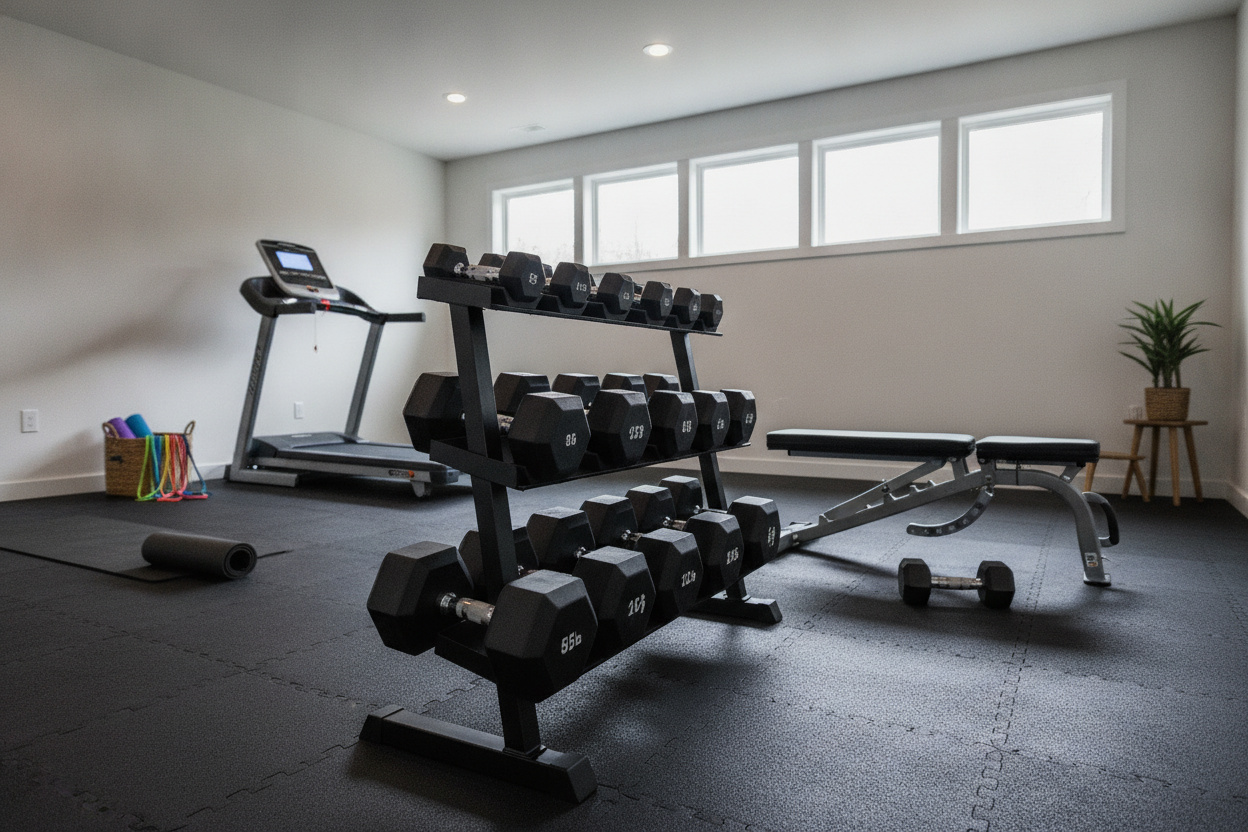
A dumbbell set for beginners is usually the smartest entry point. They allow for unilateral training, which just means working one side at a time to fix those inevitable strength imbalances. Plus, they are safer to drop if you hit failure and don't have a spotter. Just realize that I maxed out my 50lb weights faster than I expected, and you likely will too if you stay consistent.
When to Jump Straight to a Barbell System
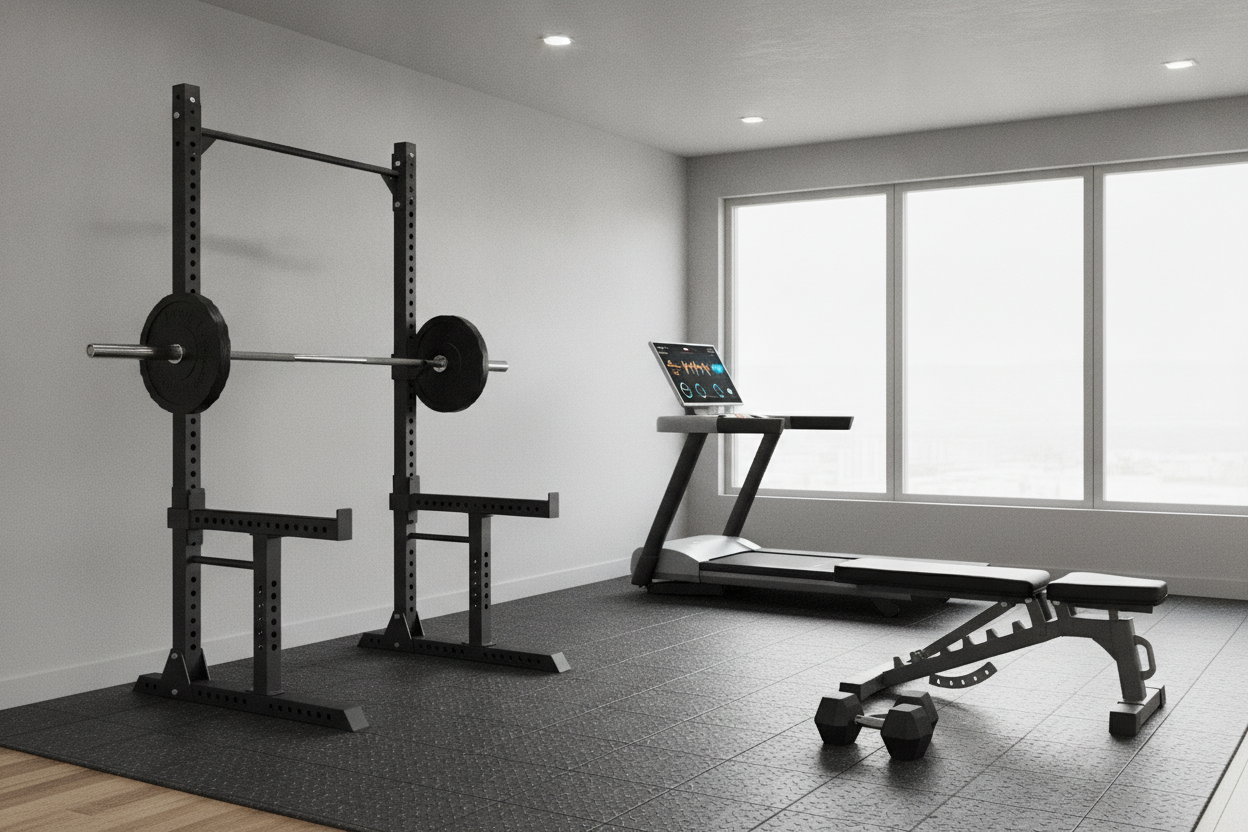
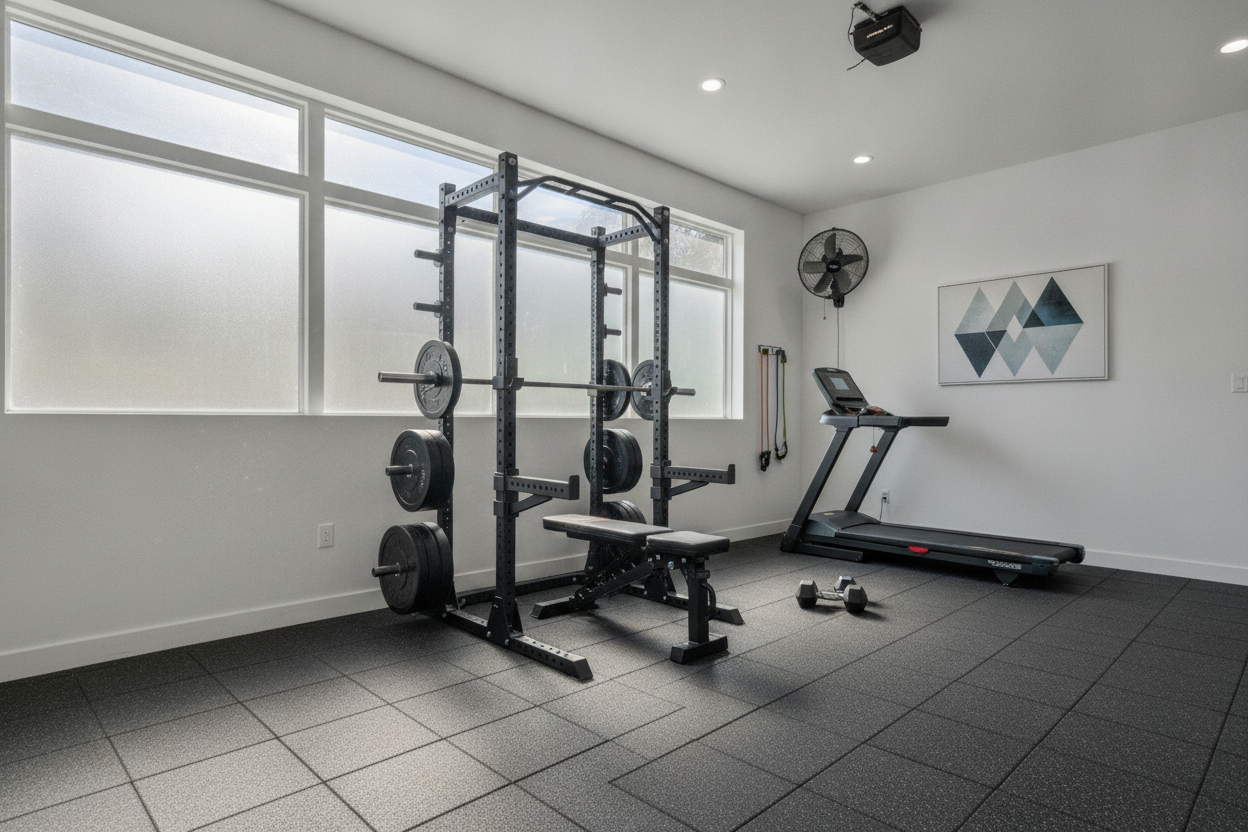
If your goal is to get as strong as humanly possible, weightlifting sets for beginners should revolve around a 7-foot Olympic bar. There is a steeper learning curve with the squat, bench, and deadlift, but the payoff is massive. A solid barbell bumper plate set gives you enough runway to grow for a year or more without needing to buy more iron. It is a bigger upfront investment, but it is the last set you will ever need to buy for the basics.
What Actually Matters When You're Buying Your First Weights
Ignore the 'ergonomic' grips and the flashy colors. Look at the material. Sand-filled plastic weights are thick and awkward; they make it impossible to use proper form because the bells are too wide. The best beginner dumbbell set is usually a pair of loadable handles or a high-quality adjustable system that goes up to at least 50 lbs per hand.
You also need to think about your environment. If you are training on a second floor, you want rubber-coated plates to keep the noise down. If you are in a garage, raw iron is fine, though it might rust if you live in a humid climate. Also, don't forget that a weight set and bench combo is the only way to effectively train your chest and shoulders through a full range of motion.
A Dead-Simple Setup That Will Last Your First Year
If I were starting over today with a limited budget, I would skip the 'all-in-one' plastic kits. I would buy a beginner weights set consisting of two loadable dumbbell handles and about 100 lbs of standard iron plates. This allows you to 'micro-load'—adding just 2.5 lbs at a time—which is the secret to never hitting a wall.
Pair those weights with a sturdy adjustable weight bench so you can do inclines, declines, and seated rows. This setup takes up about 12 square feet of space but provides enough resistance to keep you challenged for at least twelve months of hard training. It is better to have a small amount of high-quality gear than a mountain of cheap plastic you will hate using by next month.
Personal Experience: The Sand Leak Incident
I once bought a cheap set of vinyl-encased weights because they were half the price of the iron ones. Six months in, the casing on a 25-lb plate cracked during a set of lunges. I spent the next three hours vacuuming fine black sand out of my carpet. I learned the hard way: if you buy cheap, you buy twice. I eventually sold the remaining plastic plates for pennies on the dollar and bought a used iron set that I still use ten years later.
FAQ
Is iron or rubber better for a best beginner weight set?
Iron is cheaper and lasts forever, but it’s loud. Rubber (or urethane) is quieter and easier on your floors. If you have neighbors or roommates, go rubber. If you have a dedicated garage space, iron is the best bang for your buck.
How much weight do I actually need to start?
For most people, a total of 100 to 150 lbs is the sweet spot for a best dumbbells set for beginners. This gives you enough for heavy lower-body moves like squats while still having light increments for overhead presses.
Are adjustable dumbbells worth the high price?
Yes, specifically for the space they save. Replacing 15 pairs of fixed dumbbells with one pair of adjustables is a massive win for anyone training in a bedroom or small apartment. Just don't drop them—the internal gears can be sensitive.