How to Lean Out Leg Muscles Without Adding Bulk (The Real Method)
You have been hitting the squat rack religiously, but instead of the slim, streamlined look you wanted, your jeans feel tighter around the thighs. It is a frustrating paradox common in the fitness world. Learning how to lean out leg muscles requires a distinct shift in strategy from standard strength training protocols. It is not about stopping exercise; it is about changing the stimulus to encourage density and fat loss rather than maximum hypertrophy (muscle growth).
Key Takeaways: The "Lean Leg" Blueprint
- Volume over Load: Shift from heavy weights (low reps) to lighter weights with high repetitions (15-20+ range) to build endurance fibers rather than bulk.
- LISS Cardio is King: Low-Intensity Steady State cardio (like walking) helps burn fat without spiking cortisol or inducing the muscle swelling often associated with HIIT.
- The Calorie Deficit: You cannot spot-reduce fat, but a slight caloric deficit is non-negotiable to reveal the muscle structure underneath.
- Stretch for Shape: Incorporating elongation exercises (yoga, Pilates) helps maintain functional length and mobility, contributing to a longer visual line.
The Physiology of Leaning Out
To understand how to lean out thigh muscles, we have to look at muscle fiber types. Heavy lifting recruits Type II fibers, which have the highest potential for growth (hypertrophy). If your legs feel "bulky," it is often a combination of well-developed Type II muscle underneath a layer of body fat.
To get strong lean legs, you want to target Type I fibers (slow-twitch). These fibers are resistant to fatigue and, crucially, do not grow as large as their Type II counterparts. By training for endurance, you encourage the muscle to become efficient and dense, rather than voluminous.
Adjusting Your Resistance Training
If your goal is to get lean thighs, you do not need to fear weights, but you should change how you use them. The focus should be on metabolic conditioning.
High Repetitions, Low Rest
Drop the heavy barbell back squats. Instead, utilize bodyweight movements, resistance bands, or light dumbbells. Perform sets of 15 to 25 repetitions with short rest periods (30-45 seconds). This keeps your heart rate elevated and burns more calories during the session.
Compound Movements for Efficiency
When figuring out how to build lean leg muscle, focus on lunges, step-ups, and goblet squats. These movements engage the entire lower body and core, burning more energy than isolation machines like the leg extension.
The Cardio Factor: Walking vs. Running
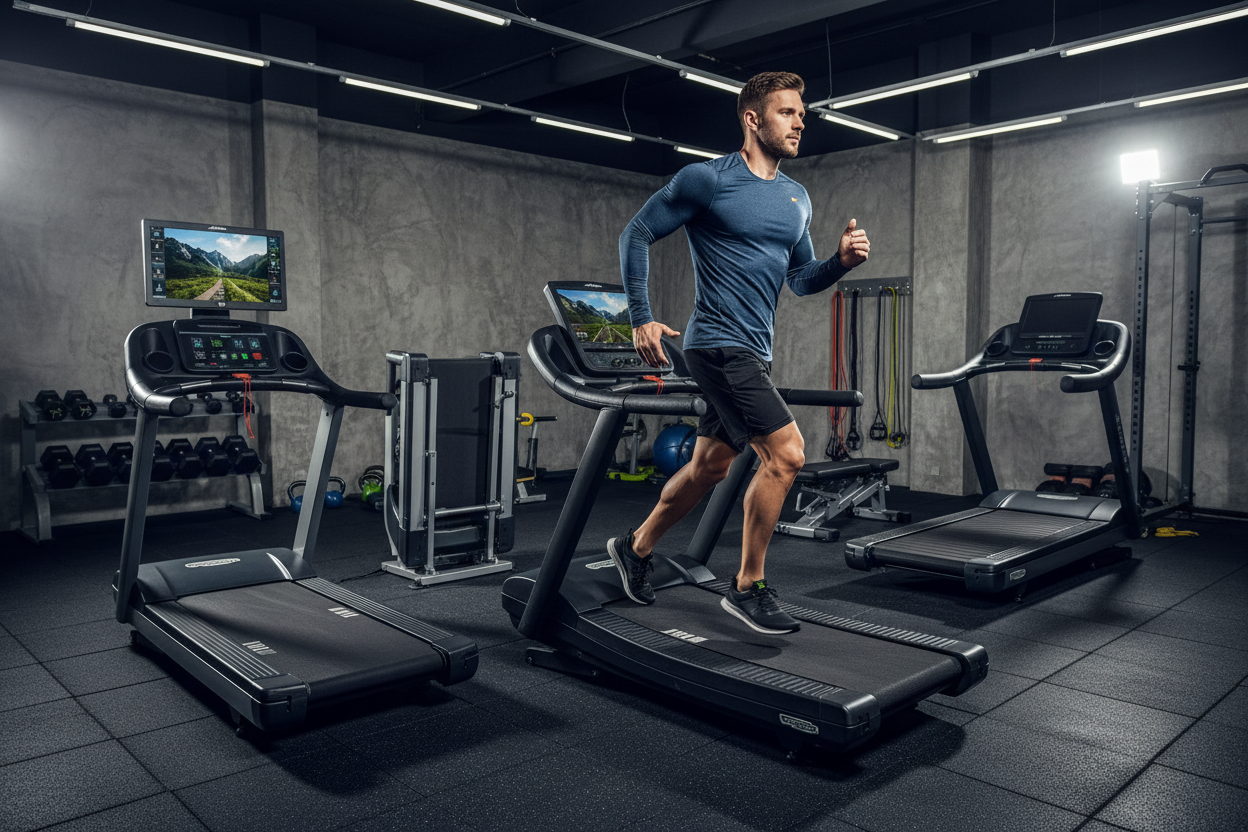
This is where many go wrong. High-impact sprinting or heavy resistance cycling can actually build leg size. For the specific goal of how to get lean thigh muscles, walking is arguably the best tool.
Walking (especially on a slight incline) places the body in a fat-burning zone without requiring the explosive power that builds mass. It also reduces water retention and inflammation compared to high-impact sprinting, which can leave legs looking "puffy" post-workout.
Dietary Adjustments for Definition
You can do all the Pilates in the world, but if your body fat percentage remains high, you won't see the definition. How to build lean leg muscle female trainees often ask involves a strict look at nutrition.
Ensure you are in a slight caloric deficit. Keep protein intake moderate to high to protect muscle tissue, but watch your carb intake—excess carbohydrates can lead to water retention, which blurs muscle definition.
My Training Log: Real Talk on Leaning Out
I spent a solid two years chasing a double-bodyweight squat. The strength gains were incredible, but I remember the specific moment I realized my aesthetic goals had shifted. I tried to pull on a pair of raw denim jeans—stiff, no stretch—and they physically wouldn't clear my quads. It wasn't fat; the muscle was just hard and expansive.
I switched my programming to lean out. The hardest part wasn't the diet; it was the ego check of grabbing the 15lb dumbbells instead of the 50s. I also remember the specific, burning boredom of walking on a treadmill at a 12% incline. There is a weird mental grit required to walk for 45 minutes staring at a gym wall compared to the adrenaline of a heavy lift. But, about six weeks in, that "tight" feeling in my hamstrings and the friction rub on my inner thighs when walking started to vanish. The legs didn't get weak, they just got efficient.
Conclusion
Leaning out your legs is a game of patience and specific stimulus. By reducing the heavy mechanical load and increasing your walking volume, you signal to your body that it needs to be lighter and more efficient, not bigger and more powerful. Trust the process, keep your protein high, and don't skip the long walks.
Frequently Asked Questions
Will lifting weights make my legs bulky?
It depends on how you lift. High-weight, low-repetition training promotes size (hypertrophy). Low-weight, high-repetition training promotes endurance and density without significant size gains.
How long does it take to lean out leg muscles?
This varies by genetics and starting body fat, but with consistent diet and training changes, you typically start seeing a reduction in circumference and increased definition within 6 to 8 weeks.
Is running or walking better for lean legs?
Walking is generally preferred for leaning out because it burns fat without demanding the explosive muscle power that sprinting requires, which can lead to muscle growth in the quads and calves.