

How to Build Muscle With a Machine Only Workout Program for Beginners
Walking into the weight room for the first time feels like entering a foreign country where everyone speaks a language you don't know. The barbell racks are crowded, dumbbells are scattered, and the fear of doing something wrong—and getting injured—is real. That is exactly why a machine only workout program for beginners is not just a safety net; it is a legitimate strategy for rapid growth.
Many fitness purists will tell you that you "must" use free weights to get big. They are wrong. Your muscles do not have eyes. They don't know if resistance is coming from a rusty iron plate or a selectorized weight stack. They only understand tension. If you can apply tension safely and progressively, you will grow.
Key Takeaways: Quick Summary
- Stability equals Output: Machines provide external stability, allowing you to focus 100% of your effort on pushing the weight rather than balancing it.
- The Schedule: A 3 day machine workout routine (Full Body) is superior for beginners compared to body-part splits because it hits every muscle group three times a week.
- Progressive Overload: You must increase the weight, reps, or slow down the tempo every single week to see results.
- Safety First: Machines reduce the risk of injury by locking you into a fixed range of motion, making them ideal for learning movement patterns.
Why a Machine Workout Schedule Works
The biggest hurdle for a beginner isn't strength; it's coordination. When you squat with a barbell, your body burns energy just trying to keep you upright. When you use a leg press, that stability is provided for you.
This allows you to reach "mechanical failure" safely. In a gym machine workout routine for muscle building, you can push until you literally cannot move the weight anymore without worrying about a bar crushing your chest. This intensity is what drives muscle growth.
The 3 Day Machine Workout Routine
We are going to utilize a Full Body split. While advanced lifters might use a push pull legs machine only split (6 days a week), beginners respond best to hitting muscles frequently with rest days in between.
Day 1: Foundation & Strength
- Leg Press: 3 sets of 10-12 reps (Place feet shoulder-width apart).
- Chest Press Machine: 3 sets of 10-12 reps (Keep elbows slightly tucked, not flared).
- Lat Pulldown (Wide Grip): 3 sets of 12 reps (Focus on driving elbows down to pockets).
- Seated Overhead Press: 3 sets of 10 reps.
- Machine Bicep Curl: 2 sets of 15 reps.
Day 2: Volume & Hypertrophy
- Hack Squat or Goblet Squat Machine: 3 sets of 12 reps.
- Seated Cable Row: 3 sets of 12-15 reps (Squeeze shoulder blades together).
- Pec Fly / Pec Deck: 3 sets of 15 reps (Control the negative).
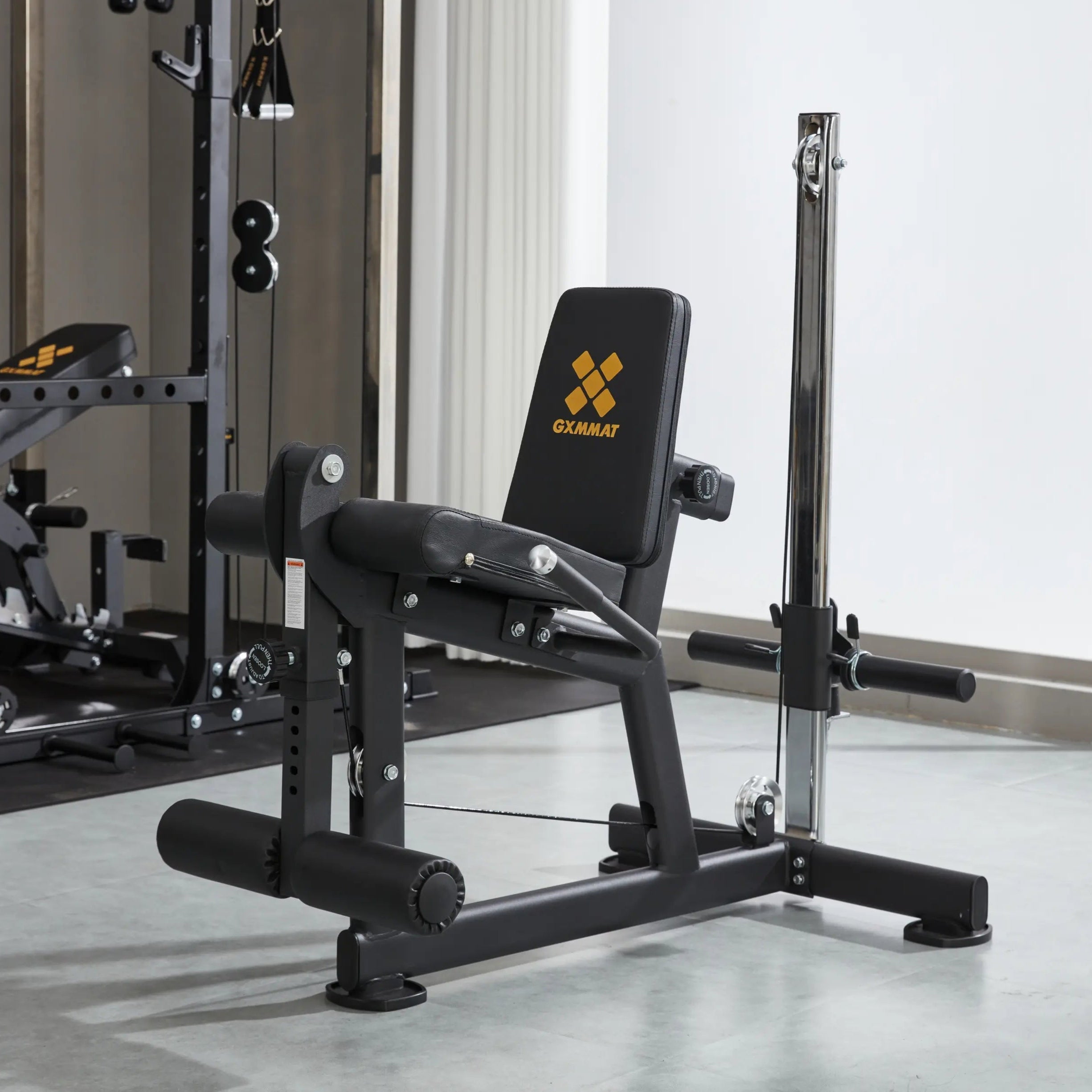
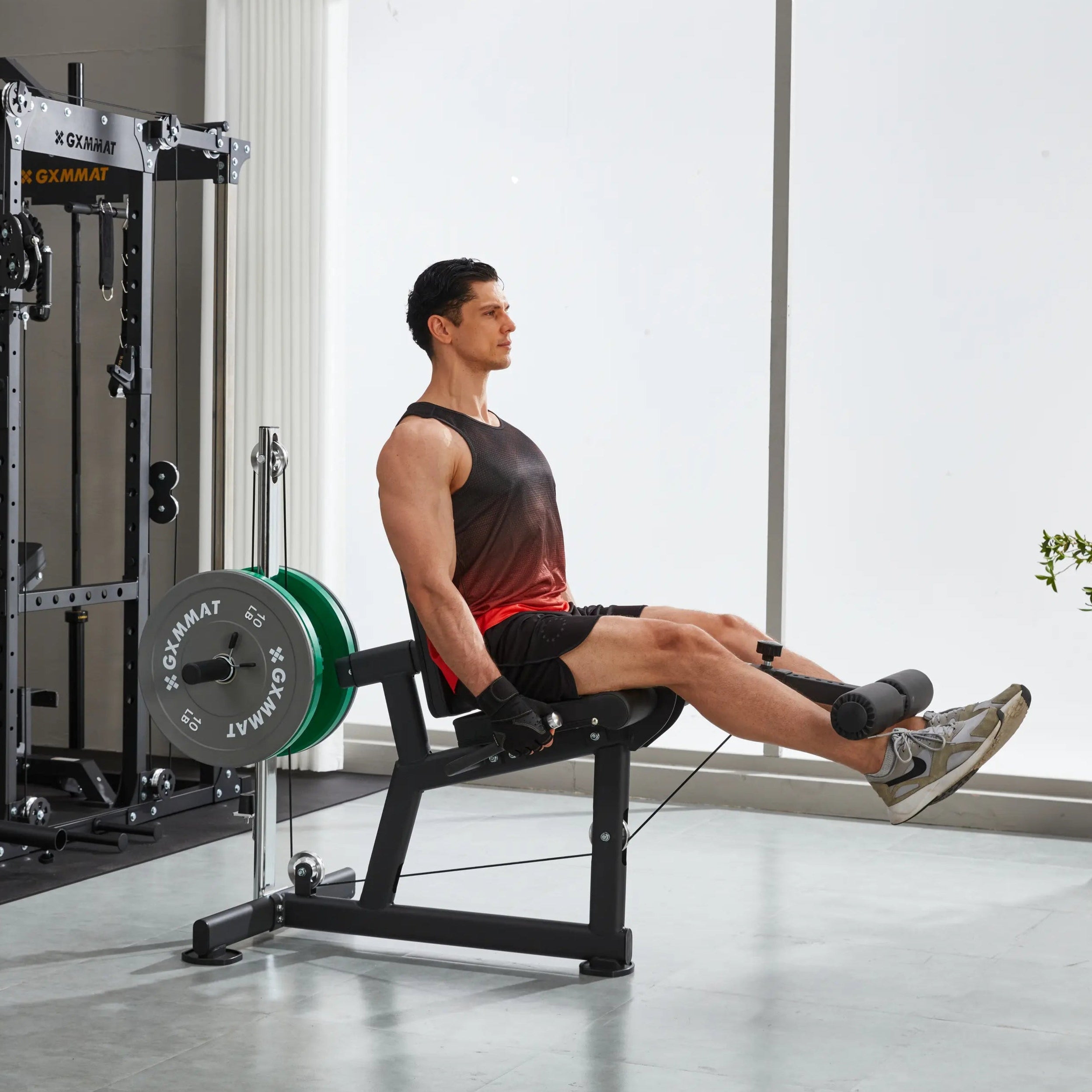
- Leg Extension: 3 sets of 15 reps.
- Tricep Pressdown Machine: 3 sets of 15 reps.
Day 3: Power & Weak Points
- Leg Press (High Stance - Glute Focus): 3 sets of 10 reps.
- Assisted Pull-Up Machine: 3 sets to failure (Use enough weight to allow 8+ reps).
- Shoulder Press Machine: 3 sets of 12 reps.
- Seated Leg Curl (Hamstrings): 3 sets of 15 reps.
- Ab Crunch Machine: 3 sets of 20 reps.
Common Mistakes in Equipment Workout Routines
Even with machines, things can go wrong. The most common error is "pin sticking." This is where you get comfortable with a certain weight on the stack and stay there for months.
To make this equipment workout routine effective, you must move the pin down the stack. If you hit 12 reps easily, the weight is too light. Increase it by the smallest increment available next session.
Another mistake is fitment. Machines are built for the "average" human. Before you start your set, adjust the seat height and handles. The pivot point of the machine (usually a red dot or bolt) should align with your body's joint (knee or elbow).
My Training Log: Real Talk
I want to be honest about my own experience here. A few years ago, I tweaked my lower back deadlifting. For three months, I was forced into a machine-only regimen. I hated the idea at first—I thought I'd lose all my "functional" strength.
I was wrong. The first thing I noticed was the isolation. On the seated row machine specifically, I recall the chest pad digging into my sternum. It was uncomfortable, but it forced me to stop using momentum. I couldn't swing my torso like I did with dumbbells.
There’s also a specific grit to machine training. The sound of the weight stack plates clanking together when you accidentally let the weight drop too fast is humiliating in a quiet gym. It taught me to control the eccentric (lowering) portion of the rep. By the time I went back to free weights, my lats were actually bigger because the machines forced me to engage the muscle, not just move the weight.
Conclusion
Don't let anyone tell you that machines are just for rehabilitation or the elderly. A proper machine workout schedule provides the stability you need to safely overload your muscles. Stick to the routine above for 8 weeks, track your weights, and focus on slow, controlled reps. The growth will follow.
Frequently Asked Questions
Can you build muscle with only machines?
Yes. Muscle growth occurs through mechanical tension and metabolic stress. Machines provide both. In fact, because machines offer more stability, you can often push closer to muscular failure safely compared to free weights.
Is a push pull legs machine only split better than full body?
For beginners, full body is usually better. A PPL split requires 6 days in the gym to hit every muscle twice a week. A full-body 3 day machine workout routine hits every muscle 3 times a week, which takes advantage of the beginner's rapid recovery capabilities.
How long should I rest between sets on machines?
Rest for 90 to 120 seconds for compound movements like the Leg Press or Chest Press. For isolation movements like Leg Extensions or Bicep Curls, 60 seconds is usually sufficient.


