How to Build 3D Delts With Simple Beginner Shoulder Exercises
Shoulder training is the paradox of the gym. It is the key to that coveted V-taper aesthetic, yet the shoulder joint is the most mobile and unstable joint in the human body. If you rush into heavy lifting without a strategy, you aren't building muscle; you are building a future physical therapy appointment. That is why selecting the right beginner shoulder exercises is not just about aesthetics—it is about longevity.
Key Takeaways: The Beginner Shoulder Blueprint
If you only have a minute, here is the core strategy for a safe and effective beginner shoulder workout.
- Function over Ego: The deltoid muscle is relatively small. Heavy weights often force larger muscles (like traps) to take over, defeating the purpose.
- Three-Head Approach: A complete beginner shoulder routine must target the Anterior (front), Lateral (side), and Posterior (rear) heads.
- Control the Eccentric: Slowing down the lowering phase of the rep triggers more growth than jerking the weight up.
- Warm-up is Mandatory: Rotator cuff warm-ups are not optional for shoulder workouts for beginners.
Understanding the Anatomy of a Capable Shoulder
Before grabbing dumbbells, you need to understand what you are lifting. The shoulder isn't one muscle; it's three distinct heads that function differently.
Most beginner shoulder workouts fail because they overemphasize the front delt (which already gets battered during chest presses) and neglect the rear delt. This creates a hunched, forward-rolled posture. To build a 3D look, your routine must be balanced.
The Core Compound Movement: Overhead Press
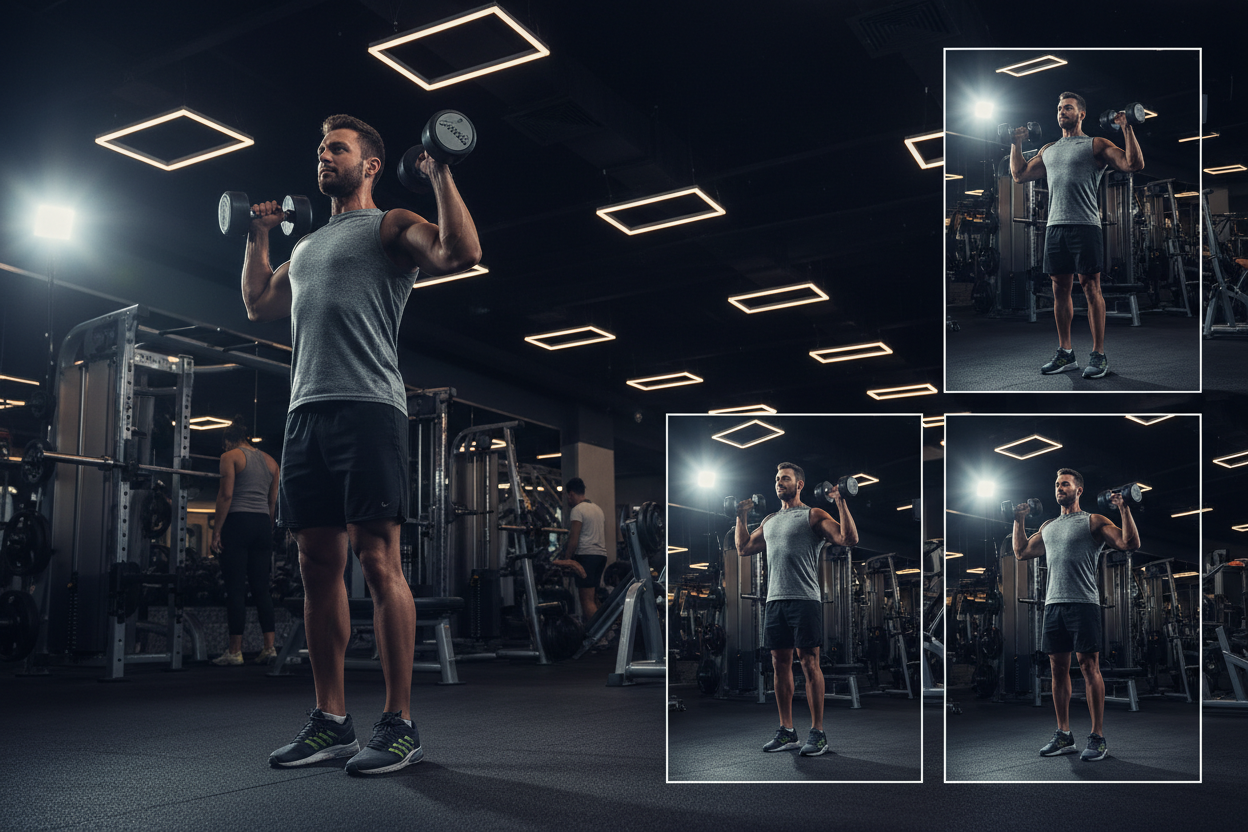
The Overhead Press (OHP) is the bread and butter of any beginner shoulder workout gym session. It allows for the most weight to be moved and integrates the core for stability.
Standing vs. Seated
For a beginner shoulder exercise, I usually recommend starting seated. It removes the need for lower back stabilization, allowing you to focus entirely on the shoulder mechanics. However, once you master the path of motion, move to standing to build total-body tension.
The Form Cue: Don't press the bar or dumbbells straight up in front of you. Press them up and slightly back so that at the top of the movement, your biceps are aligned with your ears.
The Isolation Movement: Lateral Raises
If the press builds mass, the lateral raise builds width. This is the movement that gives you that "capped" look.
The biggest mistake in beginner shoulder routines here is leading with the hands. When you lift the weights, lead with your elbows. Imagine you are a puppet with strings attached to your elbows. If your hands go higher than your elbows, you lose tension on the side delt and shift it to the rotator cuff—a common cause of impingement.
The Posture Fixer: Face Pulls
Most shoulder exercises for beginners ignore the rear delts. This is a mistake. The Face Pull is arguably the most important movement for shoulder health. It counteracts the slouching posture many of us develop from sitting at desks.
Using a cable machine, pull the rope towards your forehead, driving your thumbs back behind your head. This targets the rear delts and the external rotators, keeping your shoulders healthy for heavy pressing.
My Training Log: Real Talk on Shoulder Training
I want to be transparent about my early days with beginner shoulder workouts. I wasted about six months ego-lifting on lateral raises.
I remember grabbing the 25lb dumbbells because the 15s looked "too light" for a guy my size. I would swing the weight up using my hips, and at the top of every rep, I felt this distinct, sharp pinch near my neck rather than a burn in my shoulder. I ignored it until I started getting tension headaches.
The reality check came when a coach forced me to drop to 10lb dumbbells—literally the pink ones in the corner. He made me pause for two seconds at the top. The burn was excruciating, and my side delts were shaking within eight reps. That specific, deep ache in the side of the arm (not the neck) is exactly what you are chasing. If you don't feel that isolated burn, the weight is too heavy.
Conclusion
Building impressive shoulders doesn't require a complicated matrix of machinery. It requires mastering the basics and leaving your ego at the door. Stick to this beginner shoulder routine, focus on feeling the muscle work rather than moving the weight from A to B, and the growth will follow. Consistency beats intensity in the beginning.
Frequently Asked Questions
How often should beginners train shoulders?
For most beginner shoulder workouts, training twice a week is the sweet spot. This allows for sufficient volume to stimulate growth while providing enough rest days for the joints to recover.
Can I do this beginner shoulder exercise routine at home?
Absolutely. While a beginner shoulder workout gym setup is ideal for progressive overload, you can effectively perform overhead presses and lateral raises with resistance bands or water jugs if you don't have dumbbells.
Why does my shoulder click during lateral raises?
Clicking often indicates that the humerus (arm bone) is rubbing against the acromion (shoulder blade). Try leaning your torso slightly forward (about 15 degrees) and lifting the weights slightly in front of your body, rather than directly out to the sides. This puts the shoulder in the "scapular plane," which is anatomically safer.