How to Actually Program Pure Strength Exercises in a Garage Gym
I remember the first time I hit a plateau that lasted six months. I was hitting the garage five days a week, sweating through my shirts, and effectively chasing the puke factor every session. I felt like a beast, but the numbers on the bar weren't moving. My squat was stuck, my bench was regressing, and I was perpetually grumpy. That's when I realized I wasn't doing pure strength exercises; I was just doing high-intensity cardio with a barbell.
True pure strength training isn't about how much you sweat or how fast your heart beats. It is a specific, calculated attack on your nervous system. If you want to move serious weight in a home gym, you have to stop training like a bodybuilder and start training like a crane.
Quick Takeaways
- Strength is a neurological skill, not just a metabolic process.
- Keep reps between 1 and 5 for maximum force production.
- Rest periods of 3 to 5 minutes are mandatory to replenish ATP.
- Focus on the 'Big Four' lifts: Squat, Deadlift, Press, and Bench.
- Invest in flooring that allows you to fail safely.
The Biological Difference Between Exhaustion and True Power
Most people confuse being tired with getting stronger. When you do a set of 15 curls, your muscles burn because of metabolic stress and hydrogen ion buildup. That's great for size, but it's not training for pure strength. Real strength is about 'neural drive'—the ability of your brain to tell your muscles to fire all at once with maximum intensity.
When you perform a pure strength workout, you aren't trying to tear muscle fibers to the point of exhaustion. You are practicing the skill of high-tension output. This is why you can feel relatively 'fresh' after a heavy triple but still fail the next set if you don't rest. Your Central Nervous System (CNS) takes much longer to recover than your lungs do.
Why Your Current Lifts Aren't Pure Strength Exercises
If your program has you doing 3 sets of 10 on everything, you aren't building max power. You're building endurance. To trigger the adaptations required for elite force production, you have to operate in the 85% to 95% range of your one-rep max. This means the 1-5 rep range is your home.
I see guys in garage gyms all the time trying to 'feel the burn' with light weights and short rest periods. That is the opposite of what you want. If you can talk comfortably 30 seconds after a set, you didn't lift heavy enough. But if you're chasing the puke factor, you've likely overshot the intensity and entered the realm of metabolic conditioning, which actually competes with your strength gains.
The 4 Foundational Lifts You Actually Need to Load Heavy
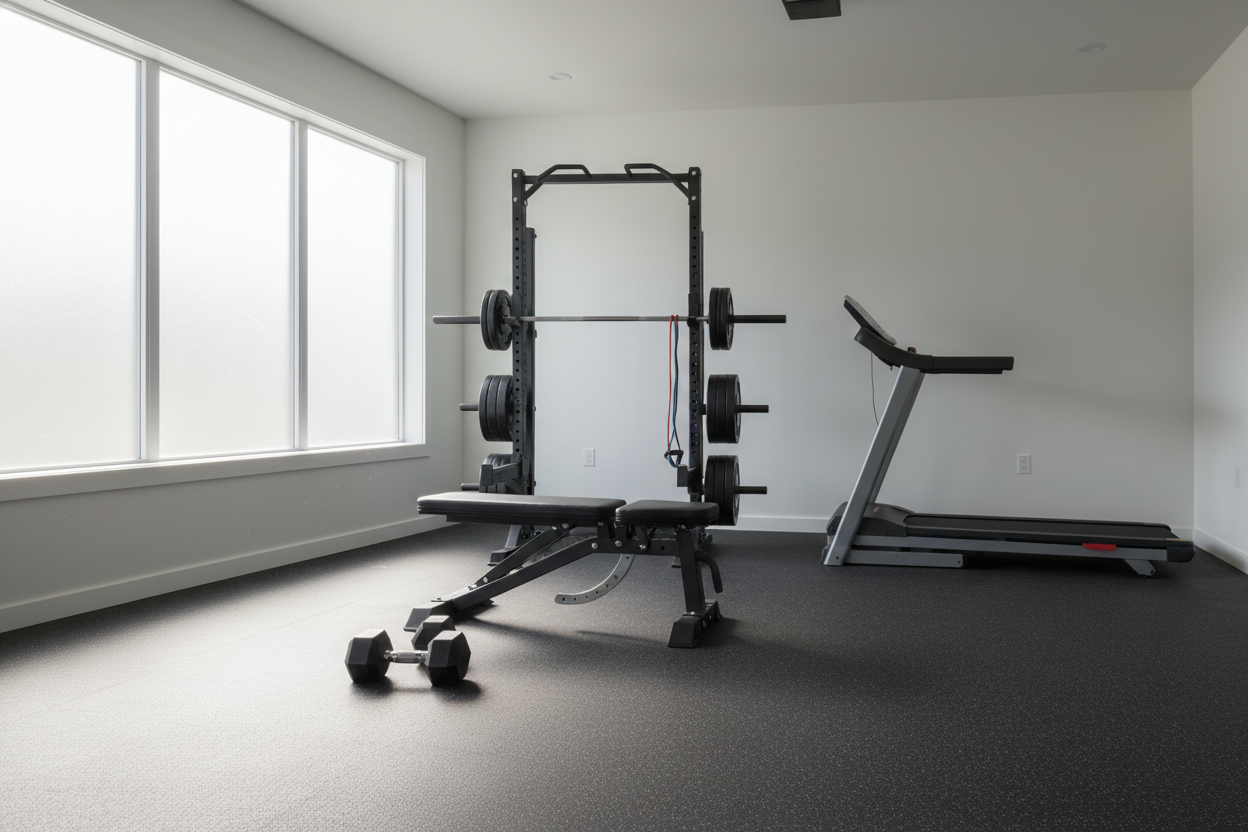
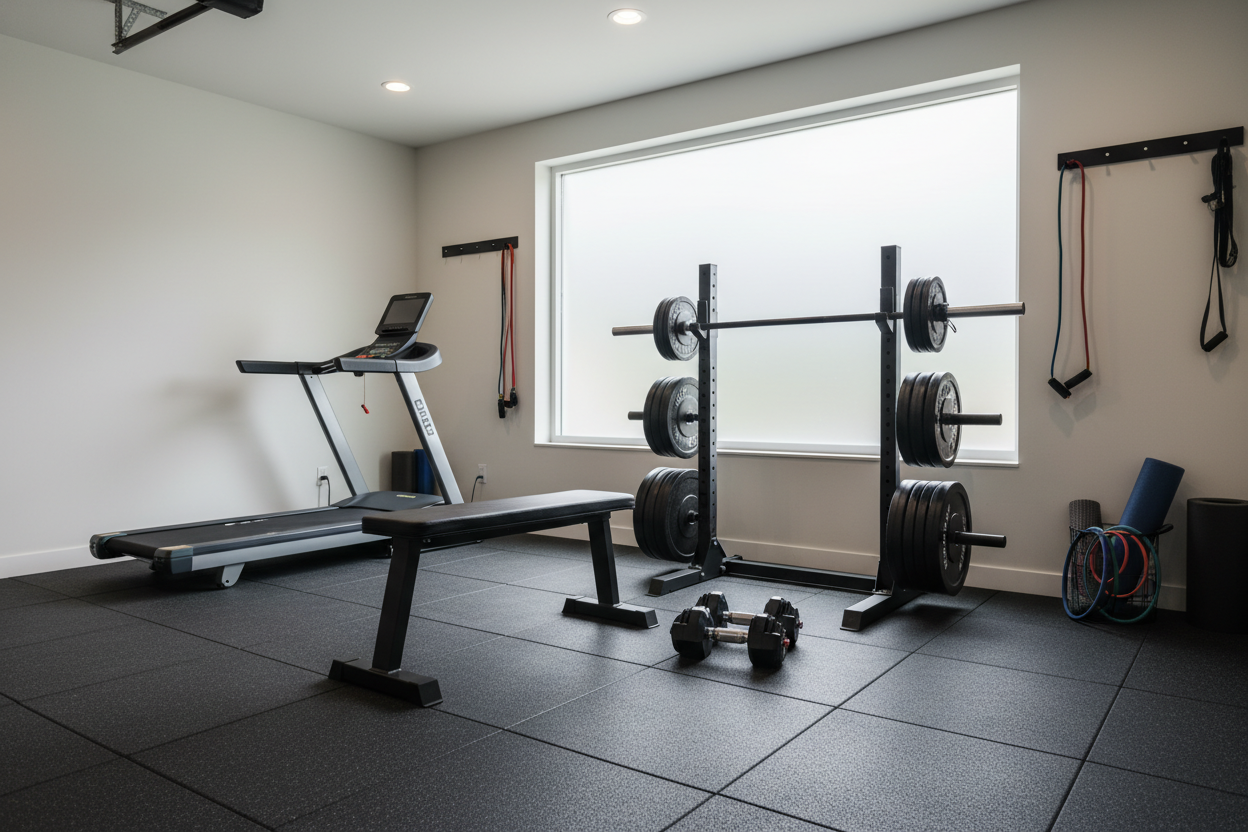
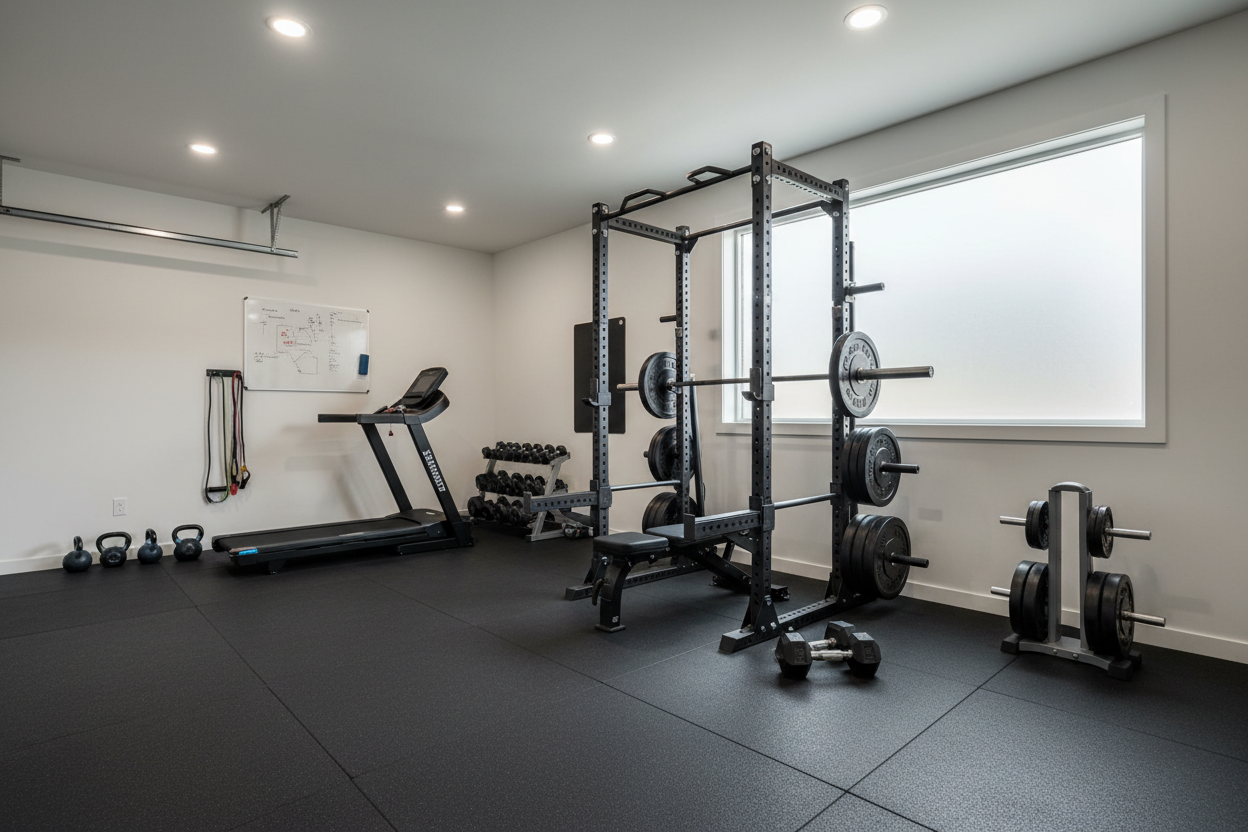
You don't need 20 different machines. You need a barbell and some heavy-duty strength equipment that won't buckle when you've got four plates on each side. Focus your entire program around these four movements: the Low-Bar Squat, the Conventional Deadlift, the Strict Overhead Press, and the Flat Bench Press (or a heavy Pendlay Row).
These movements allow for the greatest amount of weight to be moved over the longest effective range of motion. To do this safely, you need basic strength training accessories. A 10mm or 13mm leather powerlifting belt is non-negotiable once you start pushing past 2x bodyweight on deadlifts. It provides the intra-abdominal pressure needed to keep your spine from turning into a question mark.
Structuring a Pure Strength Workout Without Frying Your CNS
A typical session should start with your primary lift. If it's Squat day, you do your squats first. Don't do 5 sets of 5; try 3 sets of 3 at 90%. After that, take a full 5-minute rest. Use a timer. If you jump back under the bar in 60 seconds, you are leaving pounds on the table because your ATP-CP system hasn't fully recharged.
Limit your heavy 'working sets' to about 9-15 total reps per big lift per week. Anything more and you risk CNS burnout, which feels like a permanent flu and a total loss of motivation. I usually stick to a 3-day-a-week split: Monday (Squat/Bench), Wednesday (Deadlift/Press), Friday (Light Squat/Heavy Row). This gives your nervous system 48 hours to recover between bouts of high-tension output.
Protecting Your Body and Your Floor When the Weight Gets Real
The biggest mental block in a home gym is the fear of breaking something. If you're scared to drop a 400-lb deadlift because you're worried about cracking the concrete, you will never fully commit to the lift. You'll 'slow' the descent, which fries your lower back and kills your recovery.
You need thick gym flooring or a dedicated lifting platform. I've seen guys try to use those thin puzzle-piece mats from big-box stores—don't do it. They compress instantly under heavy loads. Get 3/4-inch stall mats or a multi-layered rubber mat that can absorb the shock. When you know the floor can take the hit, you can focus 100% of your aggression on the lift itself.
My Personal Experience: The 'More is Better' Trap
A few years ago, I decided I wanted a 500-lb deadlift. I thought the fastest way there was to deadlift heavy three times a week. Within a month, I couldn't sleep, my grip strength vanished, and I was getting headaches during warm-ups. I was doing 'pure strength' movements, but I wasn't recovery-focused. I scaled back to one heavy session a week and added 40 lbs to my pull in two months. Lesson learned: intensity is a tool, not a lifestyle.
FAQ
How many times a week should I train for strength?
Three to four days is the sweet spot. Your nervous system needs more time to recover than your muscles do. If you're truly lifting at 90%+, you can't do that every day.
Can I do cardio while training for pure strength?
Yes, but keep it low impact. A 20-minute walk is fine. High-intensity interval training (HIIT) often interferes with the neurological adaptations you're trying to build in the rack.
Do I need a squat rack for pure strength training?
Yes. You cannot safely find your 1-rep or 3-rep max on squats or bench press without safety pins or spotter arms. It's a fundamental safety requirement for a solo garage lifter.