How Rest-Pause Sets Saved My Muscle Mass Building Workouts
I was standing in my garage at 5:30 AM, staring at a pair of 50-pound dumbbells like they were cursed. I’d been stuck on the same weight for three months. Every time I tried to jump to the 55s, my form disintegrated, but staying at 50 felt like I was just going through the motions. If you’ve ever hit that wall where your progress flatlines and your muscle mass building workouts start feeling like a chore, you know exactly where I was.
I didn't need more plates or a fancy new cable machine that costs as much as a used Honda. I needed a way to make the weight I already owned feel heavier. That’s when I rediscovered rest-pause training—a technique that turned my stagnant sessions into the most productive mass gaining workouts I’ve had in years.
Quick Takeaways
- Rest-pause allows you to bypass temporary fatigue to hit high-tension reps that trigger growth.
- You only need 15 seconds of rest between mini-sets to partially recharge your ATP stores.
- This method is incredibly safe for solo home lifters because you aren't grinding to total muscular collapse on every rep.
- It works best on isolation moves and machines, not technical heavy hitters like the deadlift.
The Day My Garage Gym Progress Ground to a Halt
Training alone in a garage is great until you need a spotter. When you're chasing a muscle mass gaining workout that actually delivers, you eventually hit a ceiling. For me, it was the overhead press. I couldn't squeeze out that 10th rep to save my life, and without a partner to help me through the sticking point, I was stuck in a loop of mediocre sets.
The frustration of standard muscle gaining workouts is that we often stop because of 'junk' fatigue—that burning sensation that isn't actually the muscle failing, but just metabolic waste building up. I realized I was leaving at least two or three high-quality, growth-stimulating reps on the table every single set because I was afraid of getting pinned under the bar or dropping a weight on my toes.
The Magic of the 15-Second Intra-Set Breather
The rest-pause method is stupidly simple. You take a set to technical failure (the point where your form would break if you did one more), rack the weight, count to 15, and then go again. Those 15 seconds give your phosphocreatine system just enough time to recover so you can squeeze out 2 to 5 more reps. These are the 'effective' reps—the ones that actually signal your body to grow.
You don't need variety to build mass as much as you need to push the intensity on the core lifts you’re already doing. By breaking one long set into two or three mini-sets, you’re essentially tricking your nervous system into doing more work with the same weight. It’s the ultimate hack for any workout for mass building when you’re limited by the gear in your rack.
How to Program This Without Frying Your Nervous System
Here is the mistake I made: I tried doing rest-pause on every single set of every single exercise. By Wednesday, I felt like I’d been hit by a freight train. My grip was shot, and I was falling asleep at my desk. Rest-pause is a tool, not a lifestyle. You should only use it on the final set of an exercise.
If you're looking for reliable muscle gain programs, you’ll notice they usually prioritize recovery. To use this safely, pick one or two exercises per session. Do your first two sets normally, then on the third set, go to near-failure, rest 15 seconds, go again, rest 15 seconds, and finish. That’s it. You’ve just turned a standard set of 10 into a high-intensity cluster of 15.
The Best Lifts for Rest-Pause (And the Ones I Avoid)
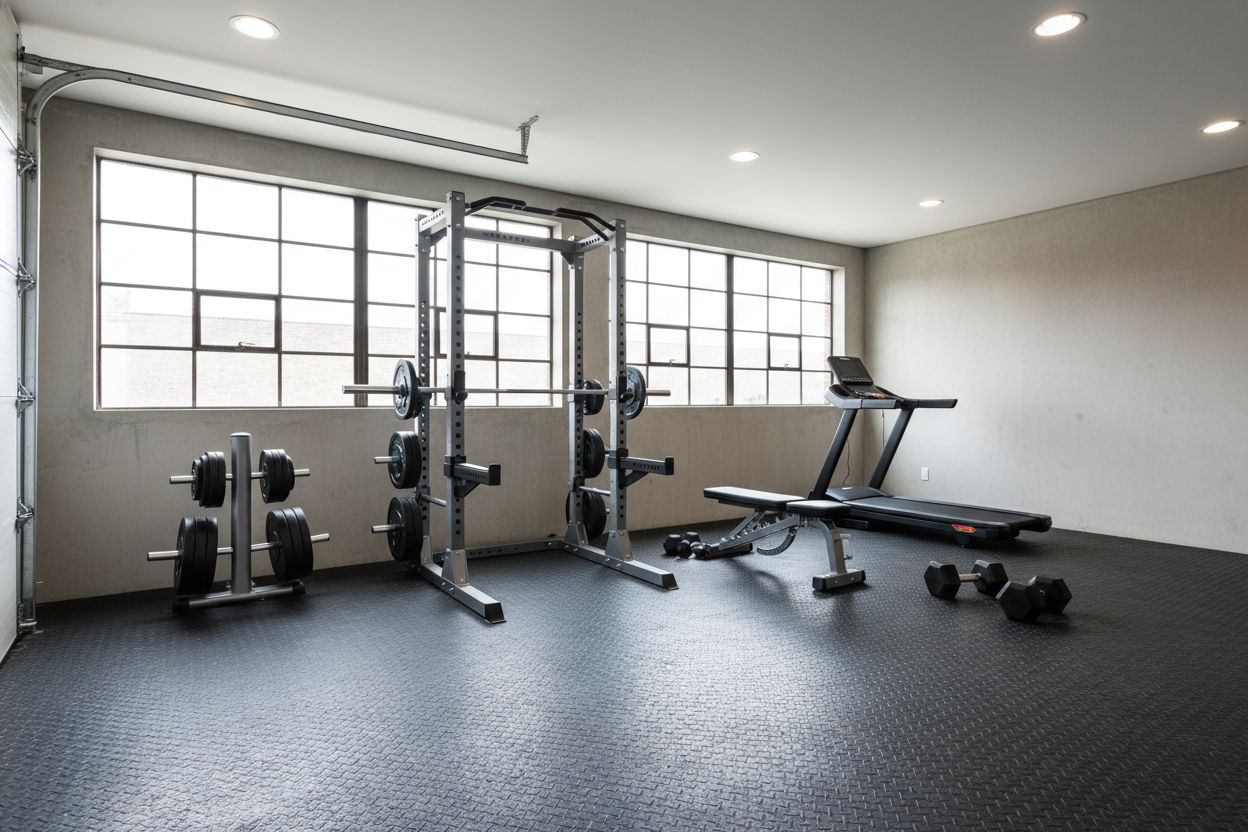
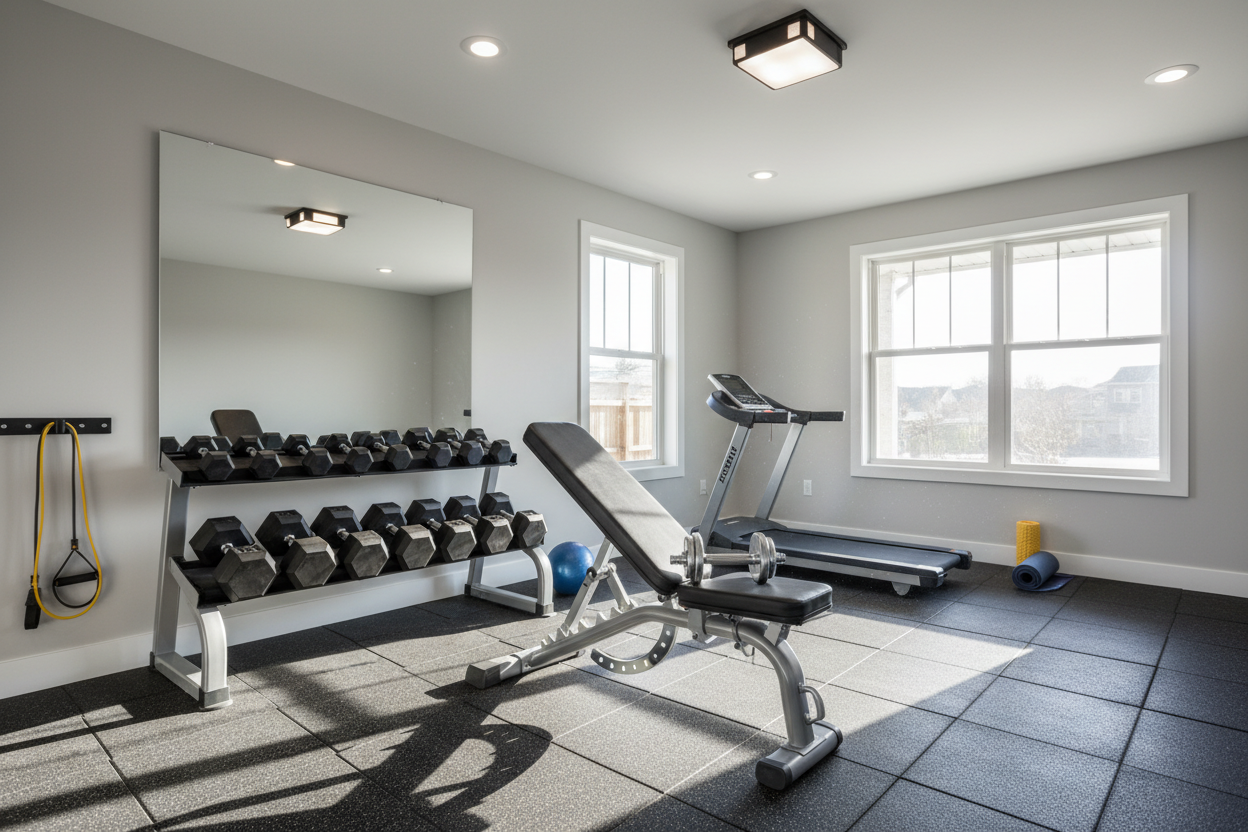
Not all lifts are created equal for this. I love rest-pause for dumbbell bench presses, chest-supported rows, and lateral raises. These are 'safe' failures. If you can't get the weight up, you just set it down. It’s much easier on your joints when you have high-quality gym flooring for home workout sessions, especially when you're gassed and dropping 80-pounders after a brutal set of rows.
I never, ever rest-pause back squats or traditional deadlifts. The risk of your lower back rounding when you’re that fatigued is too high. If you want to blast your legs, apply this to a leg muscle mass workout using Bulgarian split squats or leg extensions instead. Your spine will thank you, and your quads will still feel like they’re on fire.
A Simple Workout for Gaining Muscle Mass to Try Today
Ready to try it? Here is a sample upper-body 'Push' session I’ve used to break through plateaus. The 'RP' denotes the rest-pause set.
- Dumbbell Flat Bench: 3 sets of 8-10 reps. (Final set: Rest-Pause for 2 mini-sets).
- Incline Dumbbell Flyes: 3 sets of 12 reps. (Final set: Rest-Pause for 1 mini-set).
- Dumbbell Lateral Raises: 3 sets of 15 reps. (Final set: Rest-Pause until you can't feel your shoulders).
- Overhead Tricep Extension: 3 sets of 10-12 reps. (Final set: Rest-Pause).
This entire workout for gaining muscle mass takes about 45 minutes, but the density of the work is much higher than a standard session. You'll leave the garage with a pump that feels like your skin is two sizes too small.
FAQ
Is rest-pause better than straight sets?
It’s not 'better'—it’s a different tool. Straight sets are better for building a foundation and practicing form. Rest-pause is for when you’re already proficient and need to force the muscle to adapt to a higher workload without increasing the total weight on the bar.
Can I do this every day?
No. It’s too taxing on the central nervous system. Stick to using it on 1-2 exercises per workout, and give that muscle group at least 48 hours to recover before hitting it again. If you feel lethargic or your strength drops, back off.
Do I need a spotter for rest-pause?
That’s the beauty of it: usually, no. Because you are taking 15-second breaks, you are rarely reaching that 'stuck under the bar' level of failure. However, always use safety bars if you’re using a barbell in a rack.