How long should an upper body workout be before it becomes junk volume?
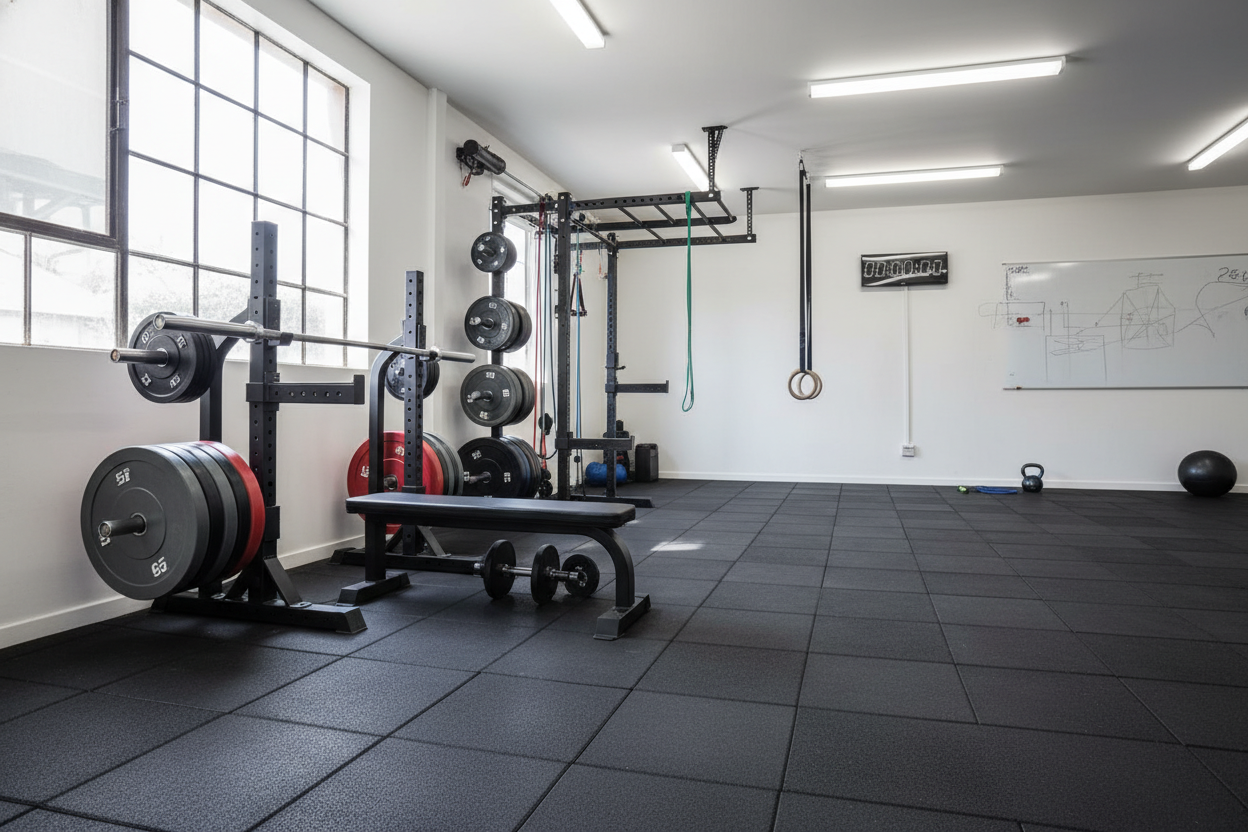
I remember my early days training in a freezing garage with a cheap 300-lb barbell set and a bench that wobbled every time I hit 135. I thought being a 'hard worker' meant staying out there for two hours until I couldn't lift my arms to garage door height. I was wrong. I wasn't getting bigger; I was just getting tired and making my rotator cuffs scream for mercy. Most people asking how long should an upper body workout be are actually asking how much work they can survive, rather than how much they can effectively recover from.
Quick Takeaways
- The biological sweet spot for upper body growth is 40 to 60 minutes.
- Anything past the 60-minute mark usually results in 'junk volume'—reps that fatigue you without building muscle.
- Quality over quantity: 5 heavy, intense sets beat 15 sloppy, half-assed sets every time.
- If your grip strength or eccentric control starts failing, your CNS is done. Pack it up.
Why You Are Letting the Clock Dictate Your Gains
Muscles don't own stopwatches. Your biceps don't know if it's 2:00 PM or 4:00 PM, but your endocrine system definitely does. We've been brainwashed by 1970s bodybuilding magazines showing pros training for three hours a day. Here is the reality check: unless you have 'pharmaceutical assistance' and eight hours to sleep every day, that volume will wreck you. For the natural lifter in a home gym, more time usually means less intensity.
When you drag a workout into the two-hour mark, you aren't training hard anymore. You're pacing yourself. You start taking five-minute rest periods to scroll through Instagram, or you drop the weight just to hit a rep goal. This is how you end up with a 'dad bod' despite spending ten hours a week in the gym. You want to trigger a growth response, not perform a marathon of mediocrity.
The Sweet Spot: How long should upper body workout be?
If you want the hard truth, 45 to 55 minutes is where the magic happens. This window allows you to move enough weight to stimulate hypertrophy without your cortisol levels spiking through the roof. Cortisol is the enemy of muscle; it's a catabolic hormone that breaks down tissue. After about an hour of heavy lifting, your testosterone levels begin to dip and cortisol takes the wheel. You're effectively digging a hole that your body can't fill before your next session.
Think of your energy like a battery. You want to dump 90% of that battery into high-tension, heavy movements. If you spend two hours in the gym, you’re forced to leak that energy out slowly. I'd rather see you do four sets of bench press with 90% effort than ten sets with 50% effort. How long should upper body workout be for the best results? Keep it under an hour and keep the intensity high enough that you're actually worried about the last rep.
Minutes 0-10: Joint Prep and Activation
Don't just walk in and start throwing plates on the bar. The first ten minutes are about bulletproofing your joints. I use a thick exercise mat to get on the floor and work on scapular slides, cat-camels, and deadbugs. If your upper back is locked up from sitting at a desk, your shoulders are going to take the brunt of your overhead press.
I personally focus on the 'Big Three' of warm-ups: thoracic spine mobility, rotator cuff activation with light bands, and serratus anterior engagement. This isn't 'cardio.' It's making sure your joints are lubricated and your nervous system is awake. If you skip this, you'll spend the rest of the workout compensating for tight muscles, which is a fast track to a labrum tear.
Minutes 10-40: The Heavy Compound Block
This is the 'meat' of the session. In these 30 minutes, you should be doing your heaviest lifts: Barbell Rows, Overhead Press, Bench Press, or Weighted Pull-ups. This is where 90% of your progress comes from. You shouldn't be chasing a 'pump' here; you should be chasing mechanical tension. I like to keep my rest periods between 2 and 3 minutes here to ensure I can move the same weight on the third set as I did on the first.
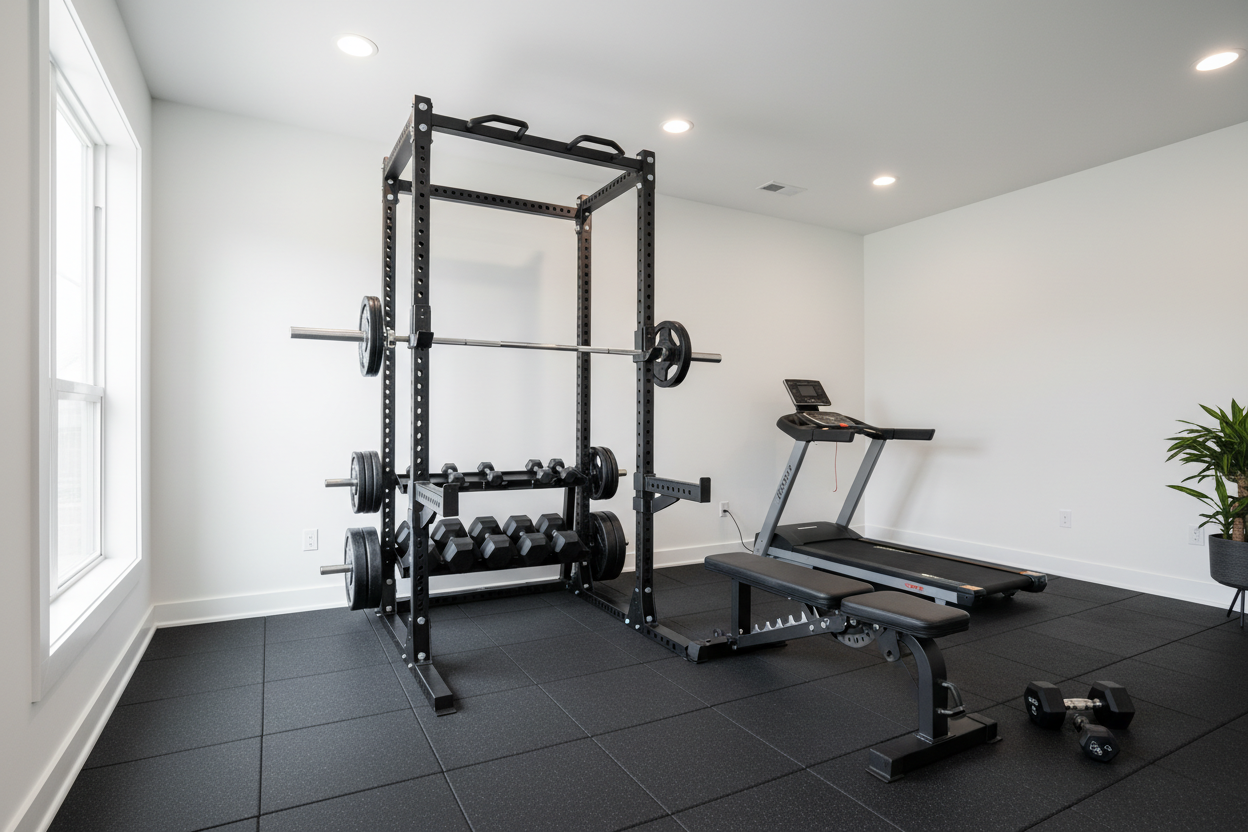
If you're training in a garage gym, you don't need fifteen different machines. Give me a solid rack and a barbell, and I'll build more muscle in 30 minutes than a guy using every cable attachment in a commercial gym for two hours. Focus on moving the weight with a controlled eccentric (the way down) and an explosive concentric (the way up). If you can't control the weight, it's too heavy.
Minutes 40-50: The Accessory Burnout
Once the heavy lifting is done, you have about ten minutes to chase the pump. This is for the 'mirror muscles'—biceps, triceps, and lateral delts. You don't need to overthink this. If you're short on time, you can even use an easy upper body workout that needs zero setup to finish off your arms and shoulders with high-rep sets.
The goal here is metabolic stress. Shorten your rest periods to 30-45 seconds. Use dumbbells or bands to burn out the muscle fibers that the heavy compounds might have missed. But remember: if you're already 50 minutes in and you're feeling sluggish, don't feel bad about cutting this part short. The heavy work was the priority.
Red Flags That You've Stayed in the Gym Too Long
You need to learn how to read your body's 'shut-off' signals. The first sign is usually your grip. If you're doing rows and the bar starts slipping out of your hands—even though your back isn't tired—your central nervous system (CNS) is fried. Your brain is literally stoping your muscles from firing at full capacity to protect you. Another red flag is 'joint ache' vs 'muscle burn.' If your elbows or shoulders start to feel a deep, dull ache, you've crossed the line into junk volume.
I've made the mistake of pushing through this many times, thinking I was being 'hardcore.' All I got for my trouble was a three-week bout of tendonitis that kept me from lifting anything heavier than a coffee mug. If you want to see how this applies to specific days, check out my breakdown on how long a chest workout should really last. You'll see that smaller muscle groups fatigue even faster than the whole upper body complex.
How to Condense Your Routine When You're Short on Time
If you only have 30 minutes, don't skip the workout. Use antagonist supersets. This means pairing a 'push' movement with a 'pull' movement. For example, do a set of bench press, rest 60 seconds, then do a set of barbell rows. This allows one muscle group to recover while the other works. You can effectively double your work capacity without increasing your time in the gym.
I use this method whenever my schedule gets slammed. It keeps the heart rate up and ensures I'm not sacrificing the heavy movements that actually build strength. For more templates on how to program these fast-paced sessions, visit our workout hub. You don't need two hours to look like you lift; you just need a plan that respects your biology.
FAQ
Is 30 minutes enough for an upper body workout?
Yes, if you focus strictly on heavy compound movements and use short rest periods or supersets. You won't have time for six different bicep curls, but you can definitely build a massive chest and back in 30 minutes of focused effort.
What happens if I work out for 2 hours?
For most people, your intensity will drop significantly. You'll likely accumulate 'junk volume,' increase your risk of overuse injuries, and spike your cortisol levels, which can actually hinder muscle recovery and growth.
How many exercises should I do in an upper body session?
Aim for 4 to 6 exercises. Two 'primary' heavy lifts (like a press and a pull) and 2 to 4 'accessory' lifts for arms and shoulders. Anything more than that usually leads to diminishing returns.