How I Finally Got My Scapula Unstuck to Release Shoulder Tension
I remember the morning I couldn't reach for my coffee mug without a sharp, biting pinch in my right trap. Too many heavy overhead presses followed by eight hours hunched over a laptop had turned my upper back into a solid block of granite. I spent weeks trying every passive stretch on YouTube, but nothing worked because my scapula was essentially glued to my rib cage.
The mistake most of us make is thinking we can just pull on the muscle until it gives up. If you want to actually release shoulder tension, you have to stop treating your body like a piece of meat and start talking to your nervous system. You don't need a massage therapist; you need to reclaim the way your shoulder blade moves against your torso.
Quick Takeaways
- Static doorway stretches often aggravate the joint capsule rather than fixing the tightness.
- Active mobility resets the nervous system's 'tension' dial faster than passive stretching.
- Thoracic spine extension is the prerequisite for any meaningful shoulder relief.
- Performing these movements on the floor prevents the lower back from cheating the range of motion.
Why the Classic Doorway Stretch Is Failing You
We've all done it. You stand in a doorway, arm at 90 degrees, and lean forward until you feel a burn in your pec. It feels productive, but for a garage gym athlete with locked-up delts, it's often a waste of time. When your scapula is stuck, your humerus (upper arm bone) just slams into the front of the joint. You aren't stretching the muscle; you're just irritating the bicep tendon and the labrum.
True mobility requires active motor control. Your brain keeps those muscles tight because it doesn't trust your joint in those end-range positions. To get a real release, you have to move from passive pulling to a blueprint for pain-free motion. This means engaging the muscles that are supposed to stabilize the joint so the ones that are 'guarding' can finally let go.
The Best Exercise for Shoulder Tension Isn't a Stretch
The fastest exercise for shoulder tension is actually a series of contractions. Think about it: if you want a muscle to relax, you often have to fire its antagonist. This is reciprocal inhibition. If your chest and front delts are screaming, we need to wake up the rhomboids and lower traps to force the front side to chill out.
I call this 'active release.' Instead of hanging from a pull-up bar and hoping for the best, we are going to use controlled, low-intensity movements to signal the brain that the 'danger' is over. When you perform shoulder release exercises with intent, you're essentially recalibrating the tension levels in the tissue. This isn't about getting a pump; it's about clearing the 'gunk' out of the movement pattern.
My 3-Step Floor Protocol to Actually Free Up the Joint
I stopped doing my mobility work standing up. Gravity is a liar when you're tired, and your lower back will arch to make you think your shoulders are moving better than they are. Get on the floor. The hard surface provides immediate feedback on your spinal position.
Step 1: The Thoracic Spine Smash
Before you touch the shoulder, you have to fix the 'bucket' it sits on. I use a peanut (two lacrosse balls taped together) or a firm foam roller. Place it right between your shoulder blades, keep your butt on the floor, and slowly knit your ribs down. Support your head and gently lean back. We are looking for extension in the upper back, not the lower back. If your T-spine is a brick, your shoulders will never be mobile.
Step 2: The Scapular Glide
Now we address the 'glue.' Lie face down with your forehead on a towel. Reach your arms out like a 'T'. Without lifting your hands off the floor, try to slide your shoulder blades toward your spine and then push them away. This blade exercise for shoulder health breaks up the adhesions between the scapula and the ribs. It’s harder than it sounds if you’ve been sitting at a desk all day.
Step 3: Active Floor Angels
Flip over onto your back. This is the final boss. With your knees bent and feet flat, try to put your entire arm—elbows and fingernails—on the floor in a 'goalpost' position. Slowly slide them overhead while keeping every part of the arm in contact with the ground. If your ribs flare up, stop. That’s your true range of motion. We are building strength in this new space you've just cleared out.
When Should You Do These Shoulder Release Exercises?
Don't do this right before you try to hit a 1RM bench press. You don't want your stabilizers to be 'relaxed' and sleepy before moving heavy iron. I treat this routine as a standalone recovery session on my off days or as a cooldown after a high-volume upper body day. If I've been sitting in a truck or at a computer for more than four hours, I'll hit Step 2 just to keep the blood flowing.
Don't Do This on a Bench (Get on the Floor)
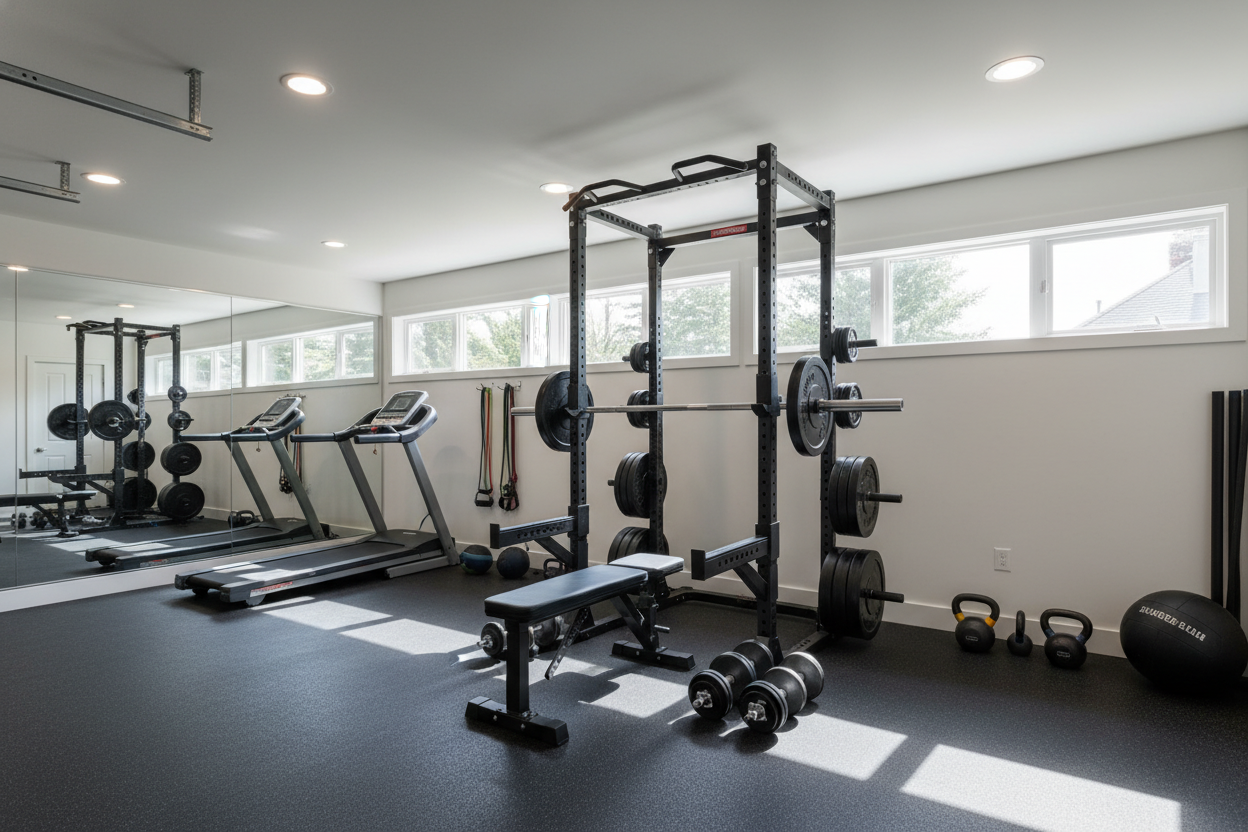
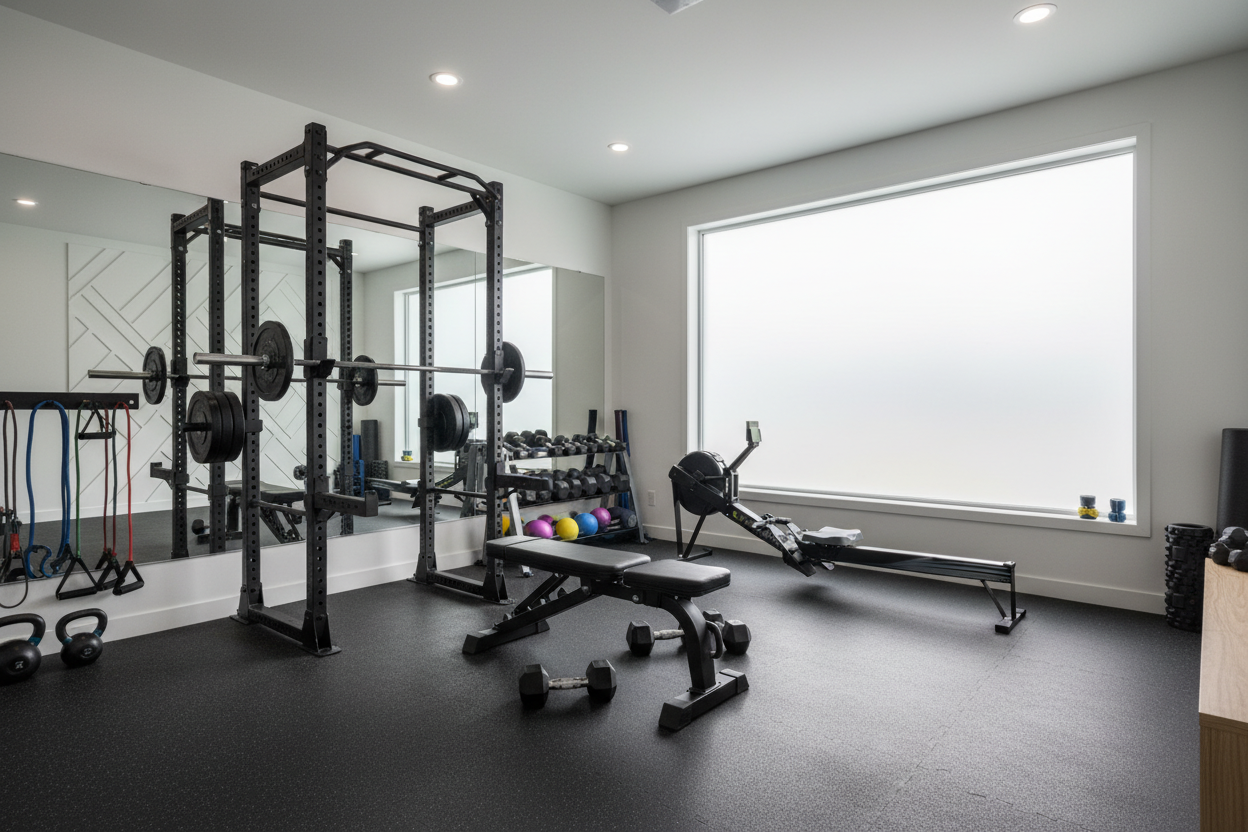
A weight bench is too narrow for real mobility work. Your shoulders need a wide, stable base to react against. I do my entire routine on a 6x8ft exercise mat in the middle of my gym floor. Having that extra real estate means I can transition from the T-spine smash to the floor angels without falling off the edge or hitting a power rack upright.
The floor forces honesty. You can't arch your back away from the ground without knowing it. If you can't keep your spine flat against the mat while moving your arms, you haven't earned that range of motion yet. Stay on the floor until the movement feels like butter.
Personal Experience: My Labrum Mistake
A few years ago, I thought I could 'stretch' my way out of a minor labrum impingement. I spent twenty minutes a day doing aggressive 'skin-the-cats' on gymnastics rings. I was literally pulling the joint apart, making the inflammation worse. It wasn't until I stripped everything back to these floor-based, active movements that the pain stopped. I learned the hard way that more tension isn't the answer to tension.
FAQ
Why do my shoulders click during floor angels?
Usually, it's the tendons snapping over bony prominences because the scapula isn't tracking correctly. Focus on Step 2 (the glide) to ensure the blade is moving before you add the arm rotation.
Can I use a lacrosse ball instead of a foam roller?
Yes, but be careful. A lacrosse ball is very pinpointed. For the T-spine, a 'peanut' is better because it protects the spinous processes of your vertebrae while hitting the erectors.
How long does it take to see results?
You'll feel a temporary release immediately, but permanent changes in tissue length and motor control usually take 4-6 weeks of consistent work, three times a week.