How I Finally Fixed My Aimless Strength Training Gym Workouts
I used to be the guy standing in the middle of the weight room at 5:15 PM, staring blankly at a occupied squat rack while holding a pair of 25-pound dumbbells I didn't actually need. I had a 'plan' in my head, but the reality of a crowded commercial gym turned my strength training gym workouts into a series of frustrated audibles and 15-minute wait times for the cable crossover.
Quick Takeaways
- Stop winging it: A written plan is your only defense against a crowded gym floor.
- Compound movements first: If you aren't squatting, pressing, or pulling, you're just burning time.
- The A/B Strategy: Always have a dumbbell or machine alternative ready for every barbell lift.
- Get in and out: 60 minutes of focused work beats 90 minutes of scrolling on your phone between sets.
The 'Wandering Gym Bro' Syndrome
Most people fail in commercial gyms because they treat the floor like a buffet. They walk in, see what's open, and do three sets of whatever machine looks least intimidating. This is how you end up doing four variations of tricep pushdowns while your legs haven't seen a heavy load in three weeks. It’s aimless, and it’s the fastest way to hit a plateau that lasts for years.
The problem is the lack of a rigid but adaptable structure. You need to know exactly what your 'Main Lift' is before you even step through the front door. If you’re just 'doing chest,' you’ll end up waiting 20 minutes for a flat bench. If you’re 'executing a heavy horizontal press,' you can pivot to dumbbells or a floor press the moment you see the bench is taken. Stop wandering and start executing.
The Core of Actual Gym Strength Training Exercises
If you want to actually change your physique or your numbers, you have to prioritize the big rocks. I’m talking about the movements that require the most coordination and the most heavy-duty strength equipment you can find. This means barbells, heavy dumbbells, and racks that don't wobble when you rack 225 pounds. These strength training exercises gym veterans swear by aren't flashy, but they work.
Your workout should be built around four main movements: a squat, a hinge, a push, and a pull. Everything else is just dressing. I see too many lifters spending forty minutes on the lateral raise machine when they haven't even touched a barbell that day. If you aren't loading your spine or pushing your limits on compound movements, you aren't training for strength; you're just exercising.
The Machine Trap (And When to Actually Use Them)
Machines aren't the enemy, but they are often a trap. It's easy to sit on a chest press machine and scroll through Instagram, feeling like you're working because you're moving a pin. But the stability provided by the machine means your core and stabilizer muscles are essentially taking a nap. For real progress, use machines for 'accessory' work—the high-volume stuff you do after your heavy lifting is done.
I personally use them to finish off a muscle group when I'm too fatigued to maintain perfect form with a barbell. If you're confused about which ones are worth the floor space, check out this smart gym machine guide. It’ll help you distinguish between the pieces that actually build muscle and the ones that just look cool in a circuit room.
Structuring Your Routine for the Monday Rush
Monday at 5 PM is the ultimate test of your programming. If your routine requires a specific power rack to be open, you've already lost. I build my gym strength training exercises with a built-in 'Audible' system. I call it the A/B Routine. If Option A (the Barbell Squat) is blocked by a guy doing bicep curls, I immediately move to Option B (Heavy Goblet Squats or the Leg Press) without a second thought.
The goal is to keep the heart rate up and the intensity high. You shouldn't be standing around for ten minutes waiting for a piece of gear. My rule is simple: if it’s not open in two minutes, I swap it for a mechanically similar movement. This keeps the workout under an hour and ensures I'm not that person hovering over someone else's bench like a vulture.
Swapping Strength Training Exercises Gym Crowds Ruin
Here is my quick-reference list for when the gym is packed. If the Flat Bench is taken, go for the Dumbbell Floor Press. If the Squat Rack is a no-go, grab the heaviest dumbbells you can find for Bulgarian Split Squats. If the Pull-up bar is crowded, hit the Lat Pulldown machine with a vengeance. These swaps aren't 'lesser' movements; in many cases, the increased stability or different range of motion can spark new growth.
I also recommend keeping a few strength training accessories in your bag, like your own set of D-handles or a quality pair of lifting straps. Often, the reason a machine is 'taken' is because someone is using the only decent handle in the building. If you have your own, you can jump on a different cable station and get to work immediately while everyone else fights over the one frayed rope attachment.
Equipping Your Own Space (When You Finally Snap)
There comes a day for every serious lifter when the commercial gym experience just isn't worth it anymore. Maybe it's the broken AC, the rising membership fees, or the fact that you spent more time waiting for the deadlift platform than actually lifting. That’s when you start looking at your garage or spare room differently. Transitioning from a commercial member to a home gym owner was the single best move I made for my consistency.
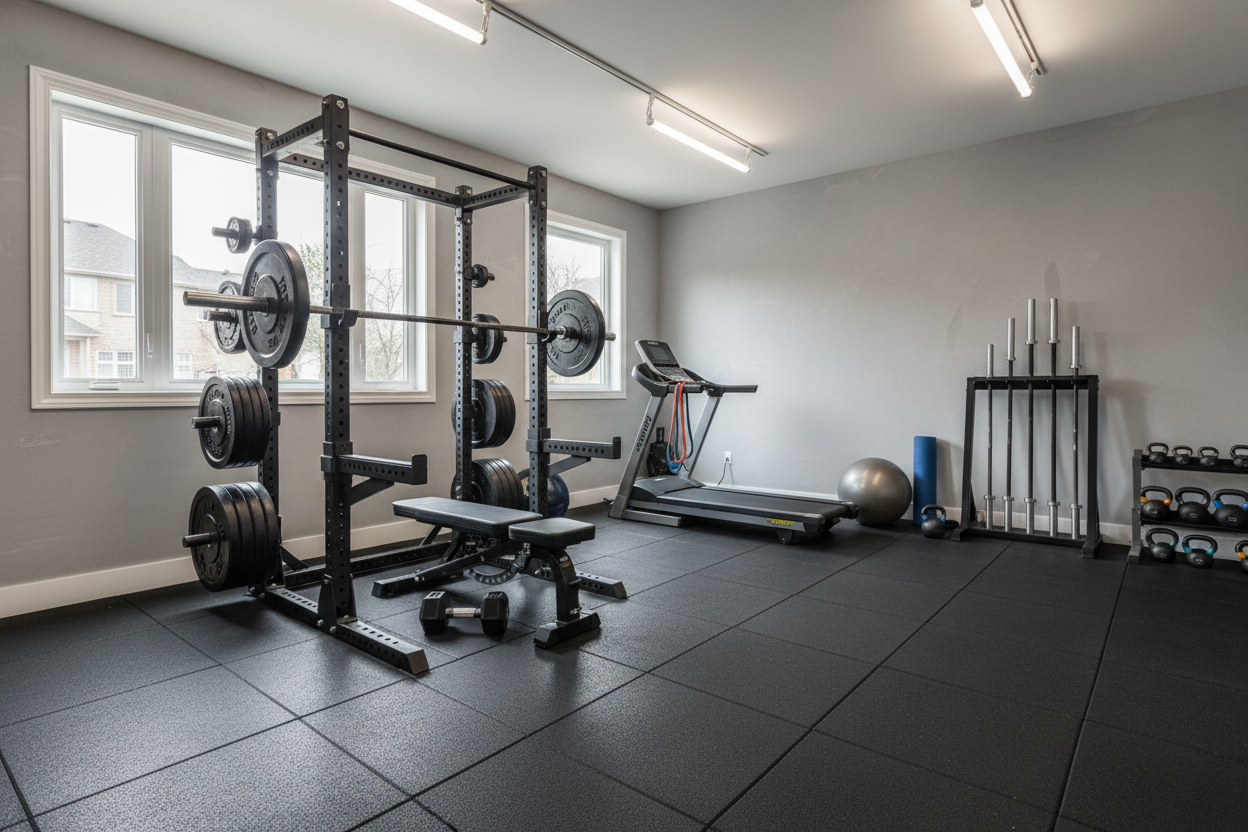
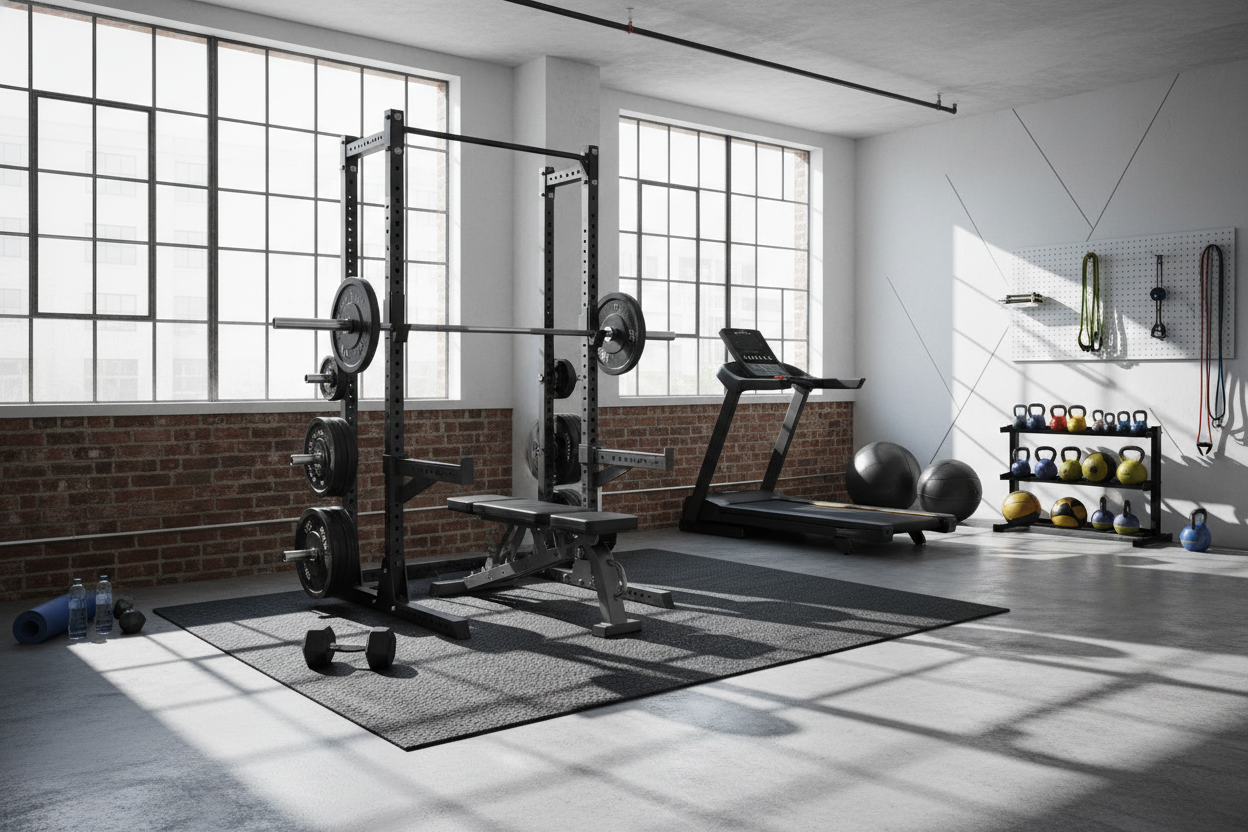
You don't need a 2,000-square-foot facility. You need a solid rack, a barbell that doesn't feel like a pool noodle, and enough plates to keep you honest. If you're tired of the circus, looking into the top home gym equipment is the first step toward never having to wait for a squat rack again. There is a certain peace in knowing the only person leaving sweat on the bench is you.
Personal Experience: The Leg Press Lesson
I remember one specific Tuesday where I had planned a heavy back squat session. Every single rack was occupied by high schoolers doing some sort of complex circuit. I was furious. I almost walked out. Instead, I swallowed my pride and hit the leg press for 10 sets of 15 reps, focusing on a slow eccentric. I couldn't walk for three days. It taught me that the 'perfect' exercise is the one you can actually do with intensity, not necessarily the one on your spreadsheet.
FAQ
How long should a strength workout last?
If you're training with actual intensity, 45 to 75 minutes is the sweet spot. Anything longer and you're likely talking too much or resting way too long between sets. Get in, hit your heavy compounds, finish with accessories, and leave.
Can I build strength using only machines?
You can build muscle, but true 'strength' usually requires managing an unstable load—like a barbell or dumbbell. Machines are great for isolation, but they don't teach your body how to move as a single unit like free weights do.
What is the best exercise for overall strength?
The Deadlift. It hits almost every muscle in your posterior chain and teaches you how to generate force from the ground up. If you can only do one thing, pick things up and put them down.