How an EZ Bar Shoulder Press Saved My Wrecked Wrists
I remember hitting a wall three years ago. Every time I cleaned a straight barbell to my shoulders for a heavy set of presses, my wrists felt like they were being crushed by a hydraulic press. It wasn't the weight—I was only moving 135—it was the angle. My mobility was shot, and forcing my hands into that perfectly flat, pronated position on a 28mm shaft was a recipe for chronic tendonitis.
I almost gave up on vertical pressing entirely until I saw a beat-up, rusty curl bar in the corner of my garage. I loaded it up, grabbed the angled inner grips, and pushed. No pain. That was the day the ez bar shoulder press became a permanent staple in my programming. If your joints are screaming, you don't need a doctor; you might just need a better bar.
Quick Takeaways
- The semi-neutral grip of a curl bar reduces torque on the wrist and elbow joints.
- It is an excellent hypertrophy tool for high-volume shoulder days.
- You can't move as much absolute weight as a straight bar, but the mind-muscle connection is often superior.
- It requires a power rack or squat stand for a safe setup.
The Straight Barbell Was Killing My Joints
The standard Olympic bar is the gold standard for a reason, but it's also incredibly unforgiving. When you perform a standard military press, your wrists are forced into extreme extension. If you have tight lats or poor internal shoulder rotation, your body compensates by cranking on the small connective tissues in your wrists and elbows.
I spent months icing my forearms and wearing compression sleeves just to get through a basic push workout. I tried widening my grip, narrowing it, and even using suicide grips, but the straight line of the bar was the problem. The forced pronation creates a bottleneck of tension. Switching to a shoulder exercise with curl bar cambers allowed my hands to sit at a natural 45-degree angle, which instantly shifted the load from my joints back onto my deltoids where it belongs.
Why the EZ Bar Shoulder Press Actually Works
The magic is in the camber. By using the angled portion of the bar, you're putting your forearms in a semi-neutral position. This aligns the radius and ulna bones more effectively, preventing the 'pinching' sensation many lifters feel at the bottom of the movement. It’s the same reason people prefer hammer curls over straight bar curls—it’s just basic ergonomics.
Using an ez bar overhead press doesn't just save your wrists; it also opens up the shoulder joint. Because your elbows are tucked slightly more forward due to the grip angle, you're pressing in the scapular plane. This is a much safer neighborhood for your rotator cuffs to live in. Of course, even with better gear, you should still Unlock Elite Mobility Using The Shoulder Stretch With Bar to ensure your thoracic spine isn't the real culprit behind your pain.
Wait, What Muscles Does an EZ Bar Overhead Press Work?
Don't worry, you aren't sacrificing gains for comfort. The ez bar overhead press muscles worked are nearly identical to the straight bar version. You’re smashing the anterior (front) deltoids and the triceps. However, because of the slightly angled grip, I find I get a much better contraction in the medial delt than I do with a standard narrow-grip barbell press. Your upper pectorals also kick in to stabilize the weight as you drive from the clavicle to lockout.
How to Set Up the Movement Without Looking Stupid
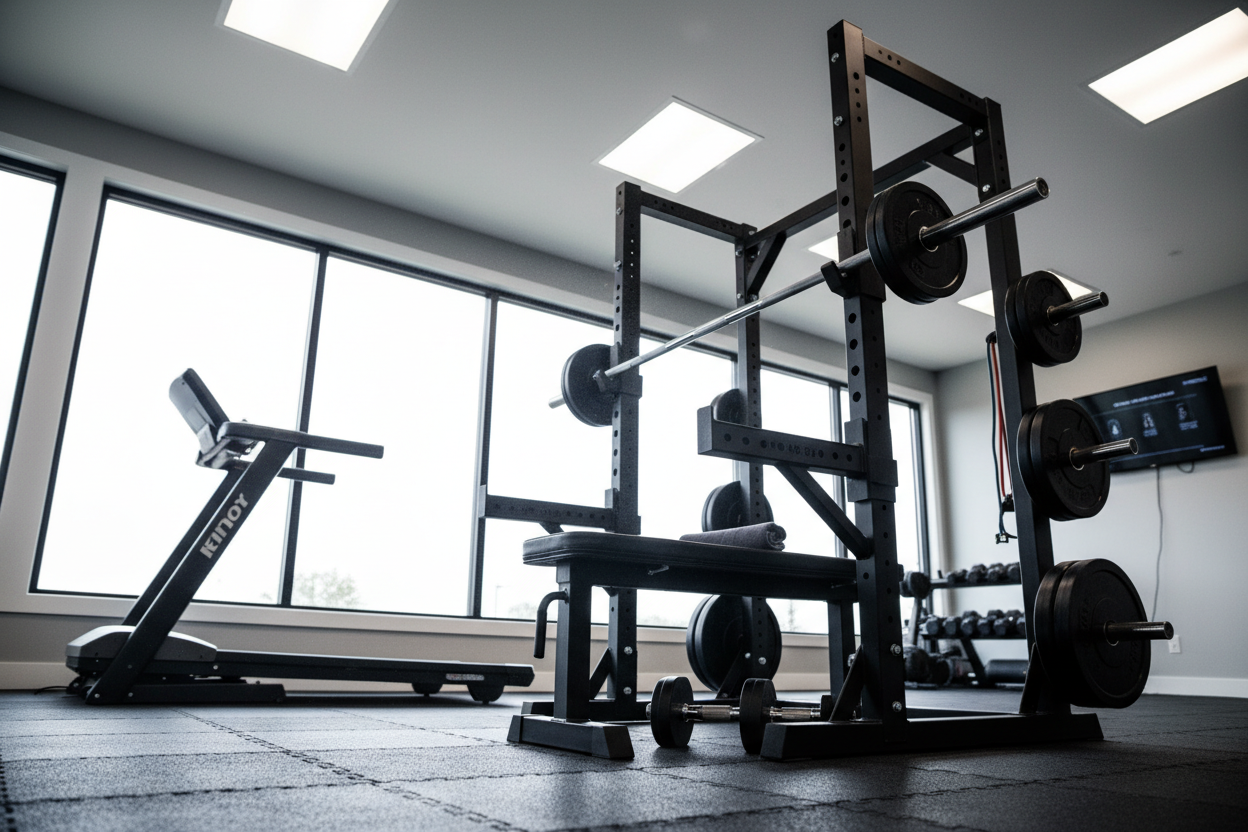
The biggest mistake people make with a shoulder workout with curl bar equipment is trying to 'power clean' the bar from the floor. EZ bars are shorter and the weight distribution is center-heavy; cleaning it is awkward and a great way to tweak your lower back. Set your J-hooks in a rack at chest height.
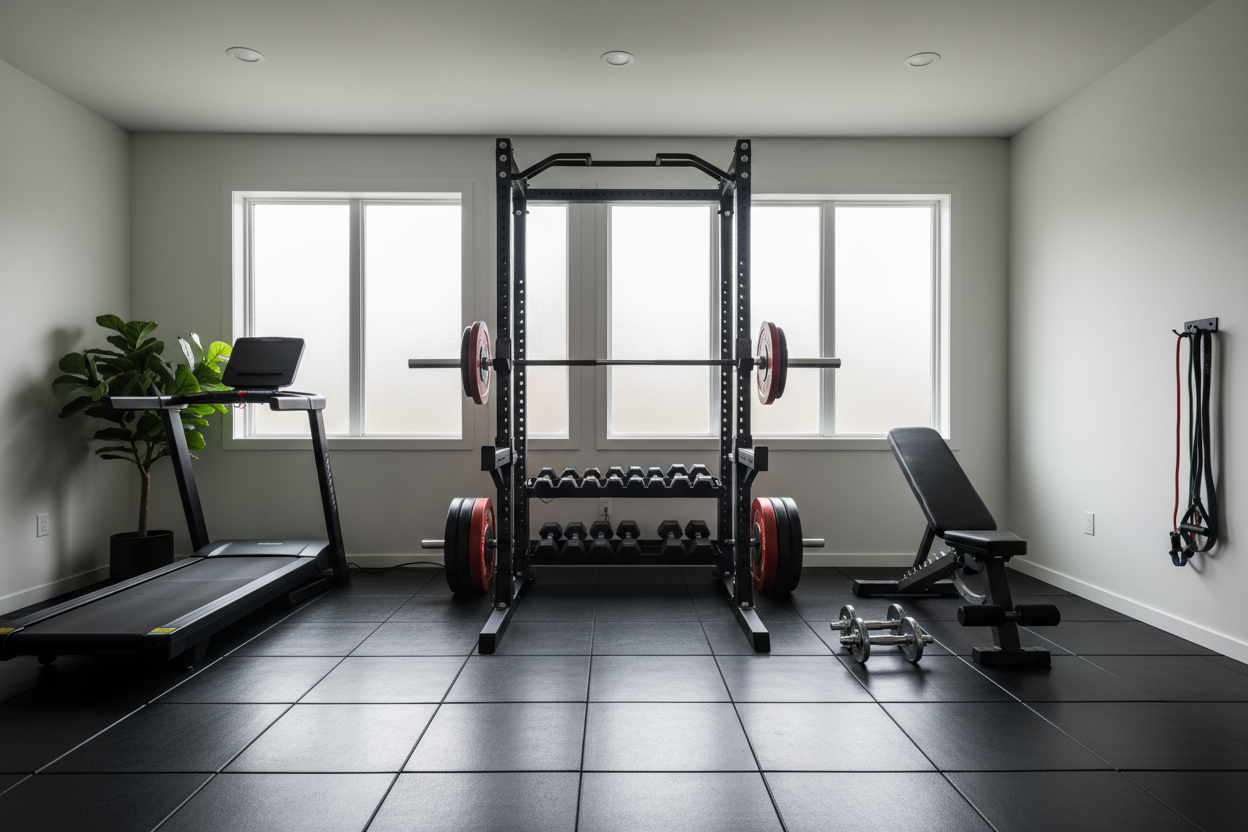
If you're looking for a solid foundation, something like the Gxmmat X6 Power Rack Weight Bench Barbell Package is perfect because it gives you a stable platform to unrack from. Grab the inner cambers for a tricep-heavy press, or the outer 'wide' cambers to put more emphasis on the delts. Keep your glutes squeezed, core tight, and press the bar in a slight arc so it ends up directly over your ears at the top.
Other EZ Curl Bar Shoulder Exercises Worth Your Time
Since you’ve already got the bar loaded, don't stop at pressing. The ez bar shoulder raise is a phenomenal isolation move. Hold the bar with a front-grip and raise it to eye level; the cambered handles make it much easier on the wrists than a straight bar front raise. I also swear by the EZ bar upright row—using the outer grips prevents that nasty impingement feeling in the high-pull position.
For those looking to build a complete routine around these movements, check out our Workout Hub for programming ideas. You can easily swap out dumbbell work for these EZ bar variations to keep the intensity high without the stability struggle of independent weights.
When to Graduate Back to a Standard Bar
Is the shoulder press with ez bar a permanent replacement? For some of us with old injuries, yes. But if you’re a competitive powerlifter or someone who wants to move the absolute maximum amount of poundage, you’ll eventually want to test the waters with a straight bar again. The EZ bar is a specialized tool, but it lacks the whip and the standard 2-inch sleeve length of a full-sized bar.
Once your wrist inflammation has died down, try reintroducing the Gxmmat Olympic Bar for your heavy low-rep sets, while keeping the EZ bar for your high-volume accessory work. It’s not an all-or-nothing choice. My personal rule: if it hurts, swap it. No ego lift is worth a month of physical therapy.
FAQ
Is the EZ bar shoulder press harder than a regular press?
It’s actually a bit more stable for most people, but you might find you lift 10-15% less weight simply because the bar itself is lighter (usually 15-25 lbs) and the grip is narrower than a standard bench-width press.
Can I do this seated or standing?
Both work. Standing requires more core stability, while seated allows you to focus purely on the deltoids. If your ceiling height is low in your home gym, the seated ez bar military press is a lifesaver.
Which grip should I use on the bar?
The inner, 'narrow' grips are best for tricep development and saving the wrists. The outer, 'wider' grips will hit the shoulders harder but can be slightly more taxing on the elbows if you aren't used to the angle.