Home Universal Gyms: Are They Actually Worth the Space?
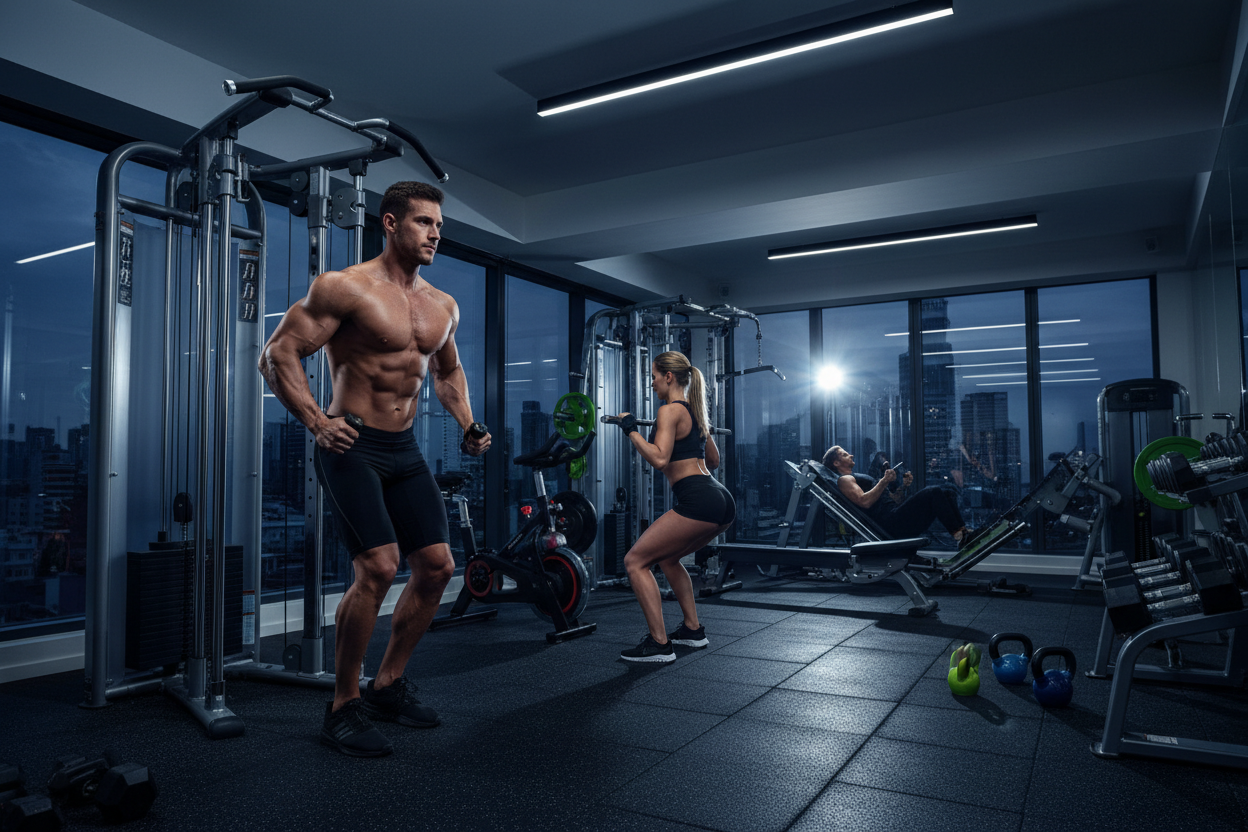
Building a fully functional workout space usually means playing a game of Tetris with bulky racks, scattered dumbbells, and mismatched benches. If you are dealing with limited square footage but still want a comprehensive, full-body workout, you have likely considered consolidating your setup. That is where home universal gyms come into the conversation.
These compact, weight-stack or plate-loaded systems promise to replace an entire commercial gym floor. But before you clear out the garage or sacrifice your guest room, you need to know if this style of multi purpose home gym equipment actually aligns with your training goals and budget. Let us break down exactly what you should look for.
Key Takeaways
- Space Efficiency: Most universal systems require a minimum 6x8 foot footprint, plus clearance for cable extensions.
- Versatility: A quality unit allows for over 50 different exercises, targeting every major muscle group safely.
- Cost to Value: While initial investment varies, a single machine is often more budget-friendly than buying individual standalone pieces.
- Safety: Pin-loaded weight stacks and guided motions make these ideal for solo lifters pushing to failure without a spotter.
Mapping Out Your Footprint
The biggest mistake buyers make is underestimating the working footprint of their multi purpose home gym equipment. It is not just about the dimensions of the machine itself; it is about the space your body needs to move around it.
Basement vs. Garage Setups
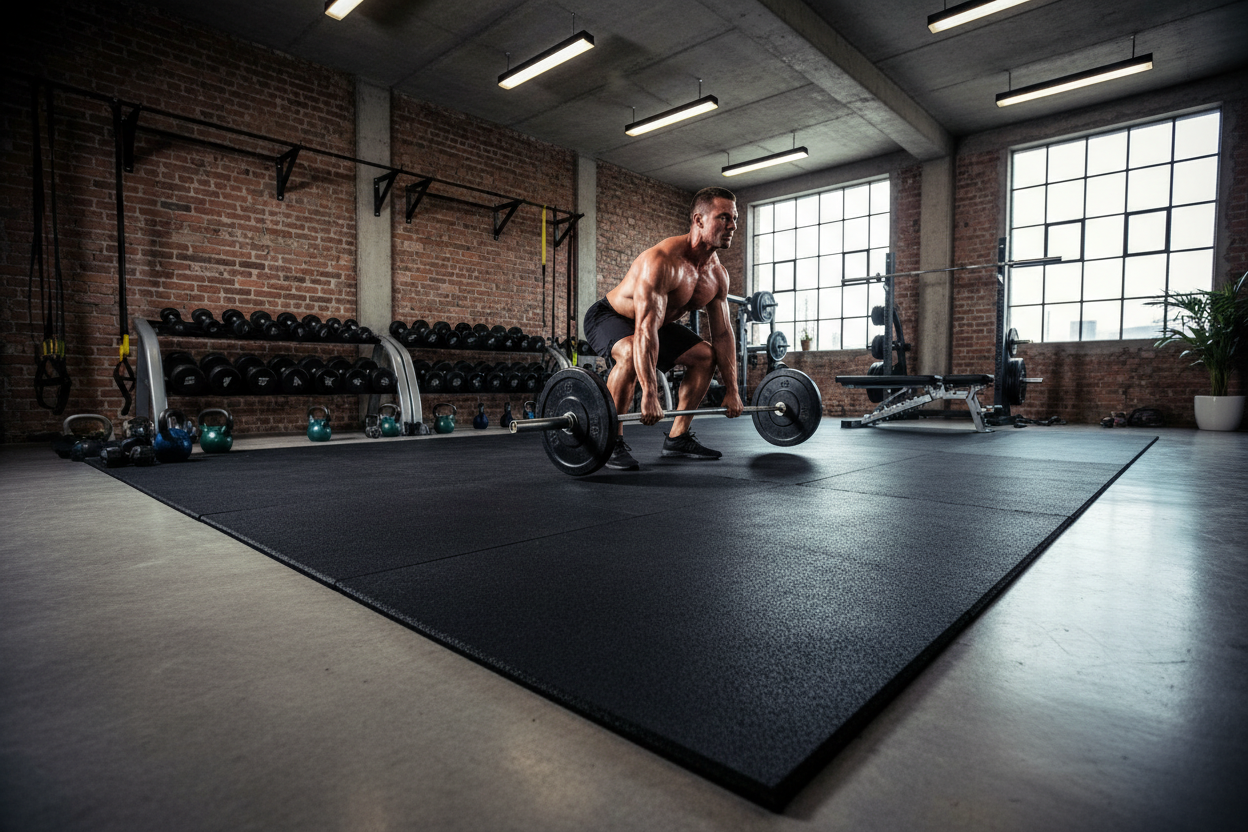
If you are setting up in a basement, ceiling height is your primary constraint. Many premium universal gyms feature high-pulley lat pulldown towers that can scrape an 8-foot ceiling. Always measure twice. For garage gyms, footprint is less of an issue, but you should consider rubber flooring to level out any slope in the concrete and protect the machine's frame.
Decoding the Specs and Costs
Not all multi-station setups are created equal. The difference between a wobbly, entry-level unit and a smooth, commercial-feeling rig comes down to materials, pulley ratios, and the weight stack.
Understanding Home Gym Machine Price
When evaluating a home gym machine price, look closely at the resistance mechanism. Entry-level models often use resistance bands or lower-quality nylon pulleys, which can feel jerky. Mid-tier to premium models use cast iron weight stacks, sealed bearing pulleys, and aircraft-grade steel cables. Expect to pay anywhere from $500 for a basic entry-level model to over $3,000 for a heavy-duty, commercial-grade system. Remember, you are essentially buying a leg press, lat pulldown, chest press, and cable crossover all in one.
Maximizing Your Workouts
The true beauty of a multi purpose home gym machine lies in its efficiency. You can transition from heavy chest presses to seated rows in a matter of seconds just by moving a pin.
The All-In-One Seated Home Gym Experience
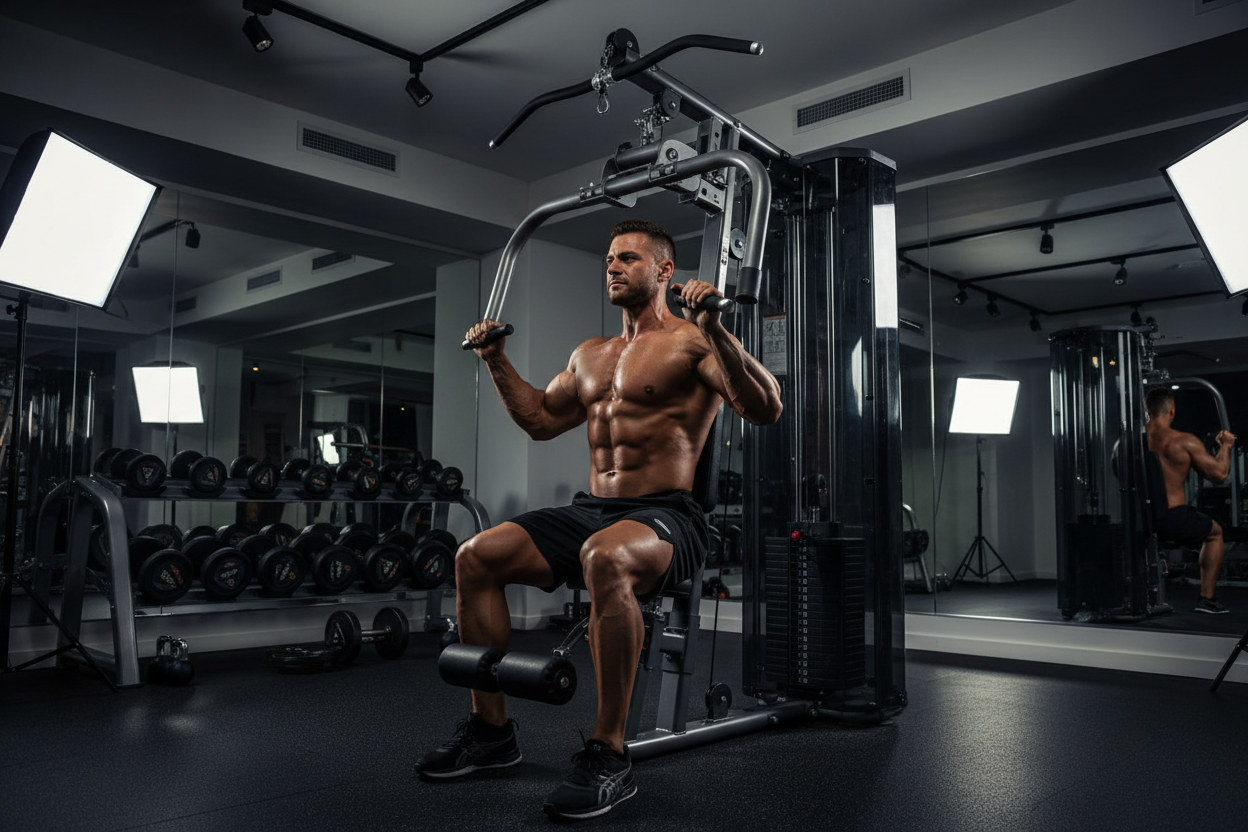
For those with mobility issues, or lifters who prefer isolated, stable movements, an all-in-one seated home gym configuration is incredibly valuable. Because your core and spine are supported by the backrest during heavy presses and rows, you can push closer to muscular failure without your form breaking down. This makes it an excellent choice for hypertrophy training and safe solo lifting.
From Our Gym: Honest Take
We have tested dozens of these systems over the years, and I will be honest: the transition between exercises is where a machine proves its worth. On a recent model we tested in our facility, the 200-pound selectorized weight stack was buttery smooth during lat pulldowns, thanks to the aluminum pulleys. However, I noticed that at 6 foot 2, the seated leg extension attachment felt a bit cramped for my femur length—a common quirk with fixed-dimension machines.
That said, after six months of heavy, daily use by multiple staff members, the nylon-coated cables showed zero fraying, and the high-density foam padding held its shape perfectly. If you are a powerlifter looking to drop heavy barbells, this is not for you. But for the 90% of people looking to build muscle safely and efficiently at home, it is a game-changer.
Frequently Asked Questions
Are home universal gyms good for building muscle?
Absolutely. Muscle growth requires progressive overload and tension. Because universal gyms use selectorized weight stacks or plates, you can easily track your progress and safely push your muscles to fatigue without needing a spotter.
How much space do I actually need?
While the machine itself might only be 4x6 feet, you generally need a working space of at least 8x8 feet. This allows you to stand to the side for cable lateral raises or step back for triceps pushdowns without hitting a wall.
What is the typical weight limit on these machines?
Entry-level models typically feature 150 to 160-pound weight stacks. Premium models offer 200 to 250-pound stacks, and some even allow you to add standard Olympic plates to increase the resistance further. Check the cable tensile strength rating as well—quality machines will be rated for up to 2,000 lbs.