Home Gym List of Equipment: The Definitive Guide for 2024
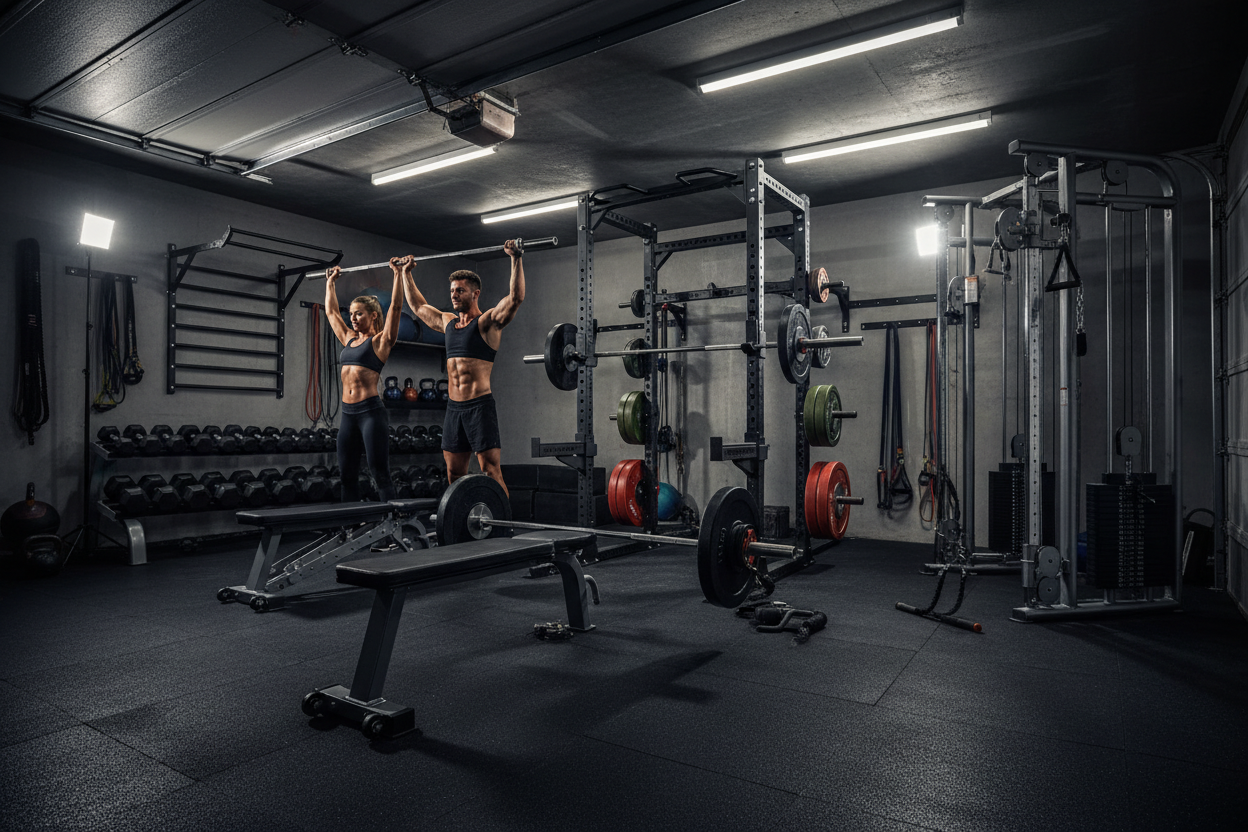
Building a sanctuary for iron in your garage or spare room is the best investment you can make for your health. However, the fitness industry is flooded with gimmicks, cheap knock-offs, and machines that turn into expensive coat racks. You don't need a warehouse full of gear; you need the right tools for the job.
If you are trying to curate a home gym list of equipment that balances budget, space, and functionality, you have come to the right place. Let's cut through the marketing noise and focus on the steel that actually builds muscle.
Quick Summary: The Essentials
If you are looking for a quick answer on what constitutes the core of a functional training space, here is the breakdown. These items yield the highest return on investment for strength training.
- Power Rack or Squat Stand: The centerpiece for safety and heavy lifting.
- Olympic Barbell: Look for 28mm-29mm diameter with decent tensile strength.
- Weight Plates: Cast iron for budget, bumper plates for noise reduction.
- Adjustable Bench: A flat/incline combo offers the most versatility.
- Adjustable Dumbbells: Saves massive amounts of floor space compared to a fixed rack.
- Horse Stall Mats: The gold standard for protecting your foundation.
The Foundation: Where to Start
When asking what is the best equipment for a home gym, the answer always starts with the "Big Three": The Rack, The Bar, and The Bench.
1. The Power Rack
Do not skimp here. A power rack acts as your spotter. If you plan on benching alone or squatting heavy, you need safety pins or straps. Look for a rack with 3x3 inch steel uprights and 1-inch holes (often called "Westside spacing" in the bench zone). This allows for precise adjustments so you don't get crushed under a max effort lift.
2. The Barbell
The barbell is the interface between you and the weight. A cheap bar will bend, the knurling (the rough texture) will wear down, and the sleeves won't spin. Bad sleeve rotation creates torque on your wrists during cleans or presses, leading to injury. Good equipment for home gym setups must include a bar with at least 190,000 PSI tensile strength.
3. The Bench
Stability is key. When you are lying on a bench with heavy dumbbells, you cannot afford a wobble. A flat bench is cheaper and more stable, but an adjustable bench (FID - Flat, Incline, Decline) opens up dozens of exercise variations. Ensure the gap between the seat and back pad is minimal; otherwise, it becomes a literal pain in the back.
Versatility Tools: Dumbbells and Kettlebells
While the barbell handles heavy compound movements, dumbbells are crucial for unilateral work (training one side at a time) to fix imbalances.
Space is usually the limiting factor in a garage gym. Instead of a full wall of fixed dumbbells (5lbs to 100lbs), invest in a high-quality pair of adjustable dumbbells. The best equipment for a home gym is efficient. Look for a mechanism that changes weight quickly—drop sets are impossible if you have to unscrew manual collars every time.
The Unsung Hero: Flooring
You might not think of rubber mats as "gear," but they are critical. You cannot drop deadlifts on concrete, and carpet is unstable for squats.
Skip the expensive "puzzle piece" foam tiles sold at sporting goods stores. They compress too much and come apart during lunges. Go to a farm supply store and buy 3/4-inch rubber horse stall mats. They are heavy, indestructible, and provide the solid feedback you need for heavy lifting.
My Training Log: Real Talk
I want to share a specific detail about buying gear that specs on a website won't tell you. Years ago, I bought a budget "all-in-one" bench from a big-box store because I wanted to save $150.
On paper, it looked fine. But the first time I set up for a heavy incline press, I realized the fatal flaw: the vinyl was too slippery. Every time I drove my legs into the ground to create arch and tension, I slid backward up the bench. I spent more energy fighting friction than pushing weight.
Worse, the bench was too narrow. My shoulder blades hung off the sides, making my base of support unstable. I felt a terrifying wobble when the dumbbells were at the top of the movement. I sold it two months later for a loss. The lesson? The "grit" of the pad material and the width of the backboard matter just as much as the weight rating.
Conclusion
Building a home gym is a marathon, not a sprint. You do not need to buy everything at once. Start with the rack, bar, and plates. Add the specialty bars and cables later. Focus on quality over quantity, and your gym will serve you for decades.
Frequently Asked Questions
How much space do I need for a home gym?
At a minimum, you need a 10x10 foot space. An Olympic barbell is 7 feet long, and you need clearance on either side to load plates comfortably without putting a hole in your drywall.
Is used equipment safe to buy?
Absolutely. Iron doesn't expire. Used weight plates and dumbbells are often the good equipment for home gym builders on a budget. Just check for rust on barbells and cracks in the welds of racks.
What is the single most important piece of equipment?
If you can only choose one, the barbell is king. With just a bar and plates, you can deadlift, floor press, row, clean, and lunge. It offers the most exercise variety for the money.