
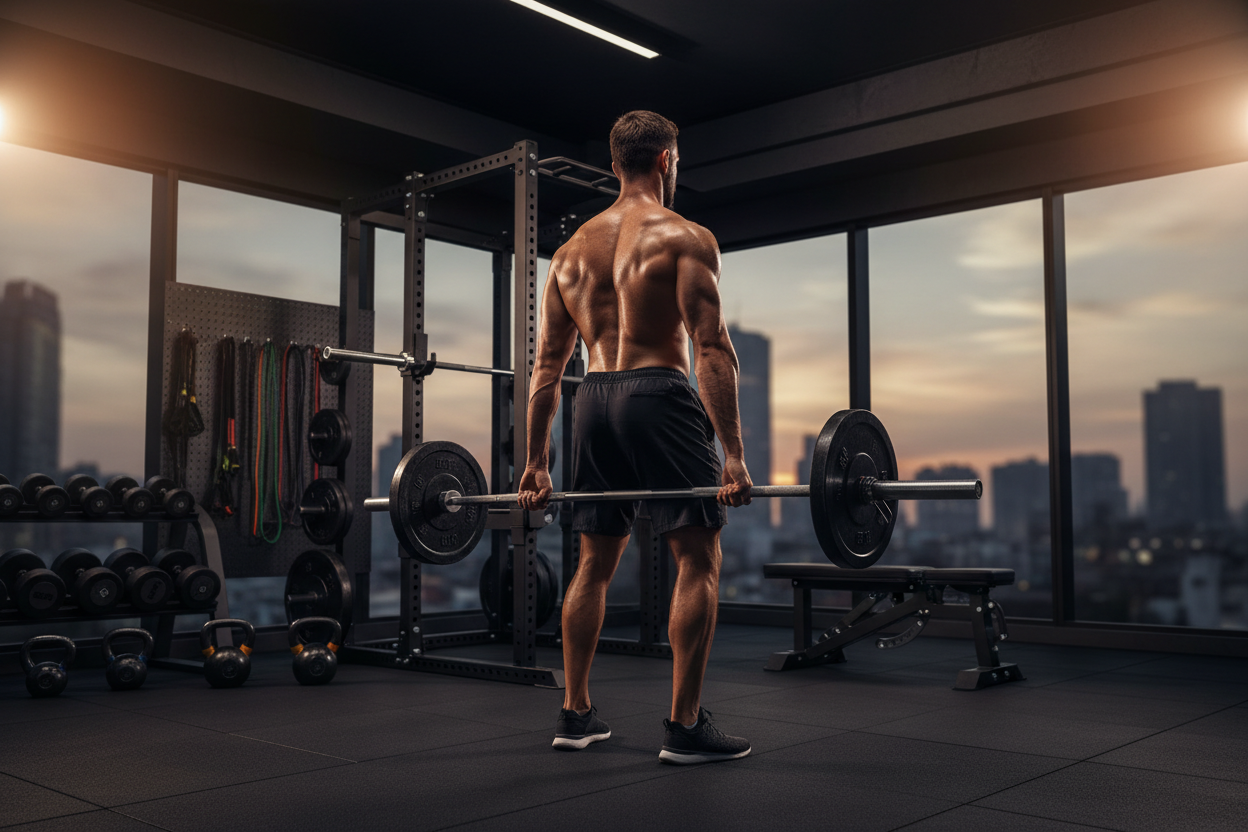
Home Equipment for Strength Training: Build a Gym That Works
Tired of waiting in line for the squat rack while the clock ticks on your lunch break? You aren't alone. Transitioning to a garage or basement gym is the ultimate fitness flex, but the initial planning phase often stops people in their tracks.
When it comes to choosing the right home equipment for strength training, the sheer volume of options—from budget online finds to premium commercial rigs—can be paralyzing. This guide cuts through the noise to help you build a functional, durable setup that fits your space, matches your budget, and actually delivers results.
Key Takeaways
- Prioritize versatility: Choose multi-use items like power racks and adjustable dumbbells over single-station machines.
- Check the steel gauge: Look for 11-gauge steel on racks for maximum durability and safety.
- Measure twice, buy once: Always account for barbell overhang and vertical ceiling clearance for overhead lifts.
- Invest in the contact points: Spend more on the barbell and bench, as these are your primary touchpoints for safety and comfort.
Space Planning: Will It Fit Your Setup?
The biggest hurdle to weight lifting for home isn't budget; it's real estate. North American homes typically offer three main gym zones: the garage, the unfinished basement, or a spare bedroom. Each requires a different approach to equipment selection.
Garage and Basement Considerations
If you're eyeing a power rack, pay close attention to ceiling height. Standard basements often hover around the 8-foot (96 inches) mark, meaning a standard 90-inch rack leaves very little room for pull-ups. Additionally, remember that a standard Olympic barbell is 7.2 feet long. You will need at least a 10-foot wide space to comfortably load and unload plates without punching holes in your drywall.
The Buying Guide: Specs That Actually Matter
It's easy to get distracted by sleek marketing, but strength equipment comes down to geometry and materials. Here is what separates a lifetime investment from a wobbly regret.
Weight Capacity and Build Material
For racks and benches, the industry standard for serious home gyms is 11-gauge steel with hardware that is at least 5/8-inch thick. Entry-level equipment often uses thinner 14-gauge steel. While 14-gauge might claim a 500-pound static weight limit, it will sway and rattle during dynamic movements like re-racking a heavy squat. When shopping for home equipment for strength training, stability is synonymous with safety.
From Our Gym: Honest Take
We test dozens of setups, but building my own two-car garage gym taught me lessons you won't find on a spec sheet. For instance, I initially bought a cheaper 14-gauge squat stand to save money. At 6'2', racking a 315-pound squat made the entire frame shudder—a terrifying feeling when you're training alone.
I upgraded to an 11-gauge power rack with a textured powder coat. After 14 months of daily use in a humid, uninsulated garage, there are zero signs of rust. My only caveat? The heavy-duty J-cups that came with the rack had thin UHMW plastic that wore down quickly, so I had to replace the inserts to protect the knurling on my barbell. Spend the extra money on thick protective plastic for your rack accessories—your barbell will thank you.
Frequently Asked Questions
Is home equipment for strength training worth the upfront cost?
Absolutely. While the initial investment can range from $1,000 to $3,000 for a quality setup, it pays for itself within 2 to 3 years when you factor in the cost of a premium gym membership, commuting time, and gas. Plus, the resale value of quality steel is incredibly stable.
How much space do I need for weight lifting for home?
A minimalist setup (kettlebells and adjustable dumbbells) requires just a 6x6 foot area. For a full barbell setup with a rack and bench, you should dedicate a minimum of 10x10 feet to ensure safe plate loading and adequate clearance for dynamic movements.
What is the most important piece of equipment to buy first?
Start with an Olympic barbell and a set of bumper or iron plates. You can perform deadlifts, floor presses, and rows with just the bar. From there, add a high-quality flat bench and a squat stand or power rack to unlock the rest of your compound lifts.


