Heavy Versus Light Weight Lifting: Which Builds Mass Faster?
I remember staring at my 45-lb plates last Tuesday, wondering if my elbows could handle another heavy triple. We’ve all been there—scrolling through forums at midnight, trying to decide if heavy versus light weight lifting is the secret to finally filling out a T-shirt or if we're just grinding our joints into dust for nothing. My garage floor is scarred from dropped deadlifts, and my medicine cabinet is stocked with ibuprofen, so I’ve lived both sides of this coin.
The truth is, the internet loves a tribal war. You’ve got the powerlifting purists who think anything over five reps is cardio, and the high-rep hypertrophy crowd who lives for the 'pump' and hasn't touched a weight over 70% of their max in years. After a decade of testing gear and programming, I can tell you that both camps are half-right and half-annoying.
Quick Takeaways
- Muscle growth (hypertrophy) can be achieved with both heavy vs light weights, provided you train close to failure.
- Heavy lifting (1-6 reps) is superior for building absolute strength and neurological efficiency.
- Light weight training (15-30 reps) creates massive metabolic stress and is generally easier on your connective tissues.
- A hybrid approach—starting heavy and finishing light—is the most sustainable way to build a physique.
The Endless Debate: Why We're Still Arguing About Rep Ranges
The classic gym bro argument usually boils down to 'heavy for strength, light for tone.' That’s a gross oversimplification that needs to die. In a real-world garage gym setting, 'heavy' and 'light' are relative. If you’re using a 20-lb dumbbell but your muscle is screaming and you can’t finish the 20th rep, that’s a high-intensity stimulus. If you’re lifting 315 lbs for a single but you had five more reps in the tank, you aren't actually working that hard.
When we talk about heavy versus light weights, we’re really talking about two different paths to the same destination: muscular failure. Science has shown us that as long as the effort (proximity to failure) is high, the muscle doesn't particularly care if it’s a 5-rep grinder or a 25-rep burner. The 'should i lift heavy or light' question is less about which one works, and more about which one you can recover from.
I’ve seen guys obsessed with the 'light weight gym' mentality who never grow because they stop as soon as it starts to sting. On the flip side, I’ve seen powerlifters who are strong as oxen but look like they’ve never touched a vegetable because they refuse to do any volume. To grow, you need to stop worrying about the arbitrary numbers and start focusing on the actual tension you’re placing on the muscle fibers.
The Brutal Truth About Grinding Out Heavy Sets
There is no substitute for the raw mechanical tension of moving big iron. When you lift heavy vs light weights—specifically in that 80-90% of your one-rep max range—you are forcing your nervous system to recruit every available motor unit. It’s a violent, demanding process that builds thick, dense muscle and the kind of strength that actually translates to moving a couch or deadlifting a car engine.
However, there’s a tax to be paid. Lifting heavy weights vs light weights puts a massive load on your tendons and ligaments. If you’re over 30 and trying to max out your squat every week, your knees are going to start sounding like a bag of potato chips. To do this safely, you need a reliable weight set and bench. I’ve tested cheap benches that flexed under 200 lbs; that’s not where you want to be when you’re pushing for a PR.
The disadvantage of lifting heavy is the recovery time. A true 5x5 session at RPE 9 can leave your central nervous system (CNS) fried for days. You might feel 'off' at work, grumpy, or just physically drained. If you only ever lift heavy, you risk burnout or a catastrophic injury when your form inevitably breaks down under the weight. Is it better to lift heavy or light? For pure strength, heavy wins. For longevity, you need more tools in the box.
Why Chasing the Pump with Lighter Weights Isn't Just Fluff
For a long time, 'light weights vs heavy' was dismissed as 'toning' work for people who didn't want to get sweaty. We know better now. Metabolic stress—the 'pump' you feel when your muscles are engorged with blood and lactic acid—is a primary driver of hypertrophy. When you lift light weights, you’re often keeping the muscle under tension for 40 to 60 seconds, which triggers a different hormonal response than a 10-second heavy set.
I personally found a huge breakthrough when I stopped heavy bodybuilding weight lifting as my only mode of training. My joints stopped aching, and my muscles actually started looking fuller. Using lighter weights vs heavier weights allows you to focus on the 'mind-muscle connection,' which sounds like hippie nonsense until you actually try to isolate your lats without your biceps taking over the whole movement.
The catch? Training with light weights is mentally agonizing. To get the same growth as a heavy set of 5, you have to take that set of 20 to the point where your muscles are literally on fire and shaking. Most people quit five reps too early. If you're asking 'does lifting light weights do anything,' the answer is yes, but only if you have the grit to push through the burn. If you stop when it gets uncomfortable, you’re just doing warm-ups.
Equipment Matters: When to Go Heavy and When to Back Off
Your gear should dictate your strategy. I don't care how tough you think you are; doing high-rep, to-failure squats with a barbell is a recipe for a rounded back and a trip to the chiropractor. Compound movements like the squat, deadlift, and overhead press are built for heavy to light weight training transitions, but they generally shine in the lower rep ranges where form is easier to maintain.
For the high-rep, 'light bodybuilding' stuff, I almost always prefer machines or isolation gear. Using weight lifting machines allows you to push to absolute muscular failure without worrying about a 300-lb bar crushing your windpipe. You can focus entirely on the squeeze and the stretch. In my own gym, I use the barbell for the 'work' and the cables or machines for the 'finish.'
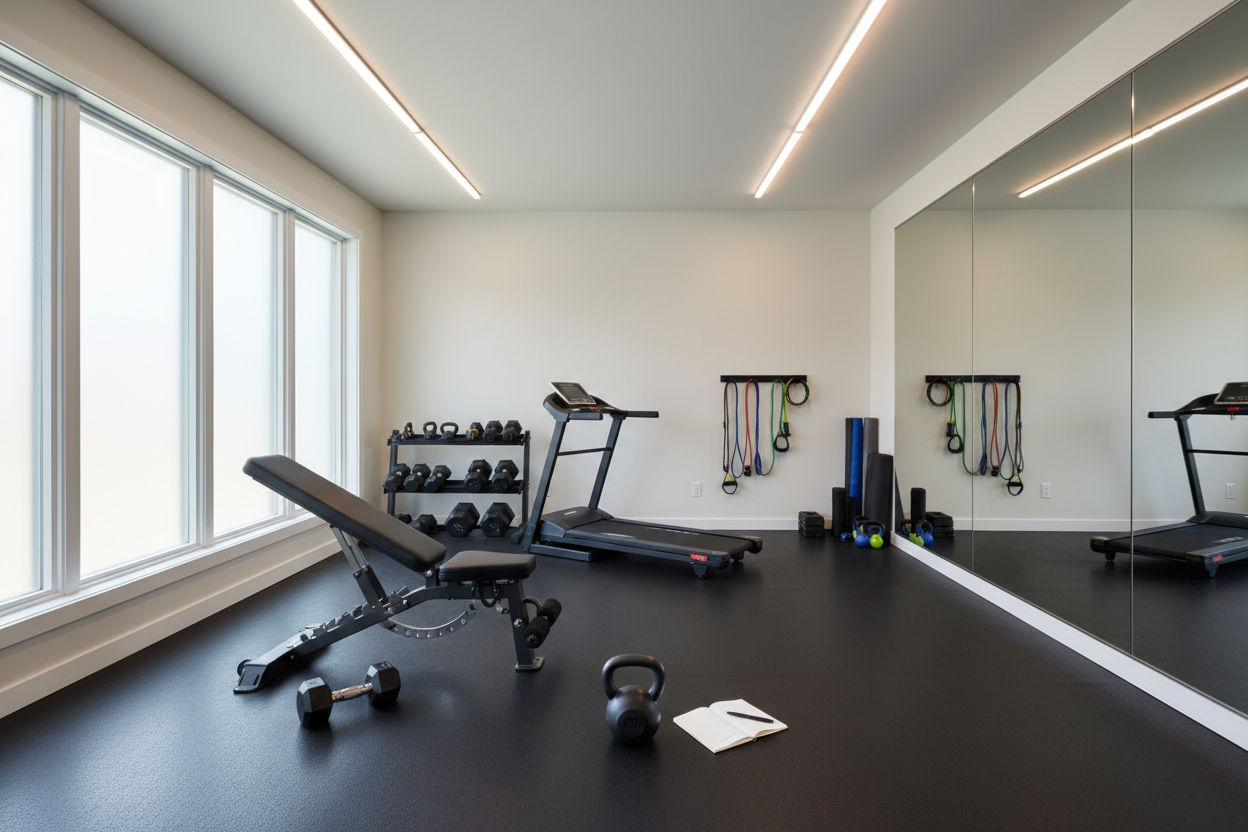
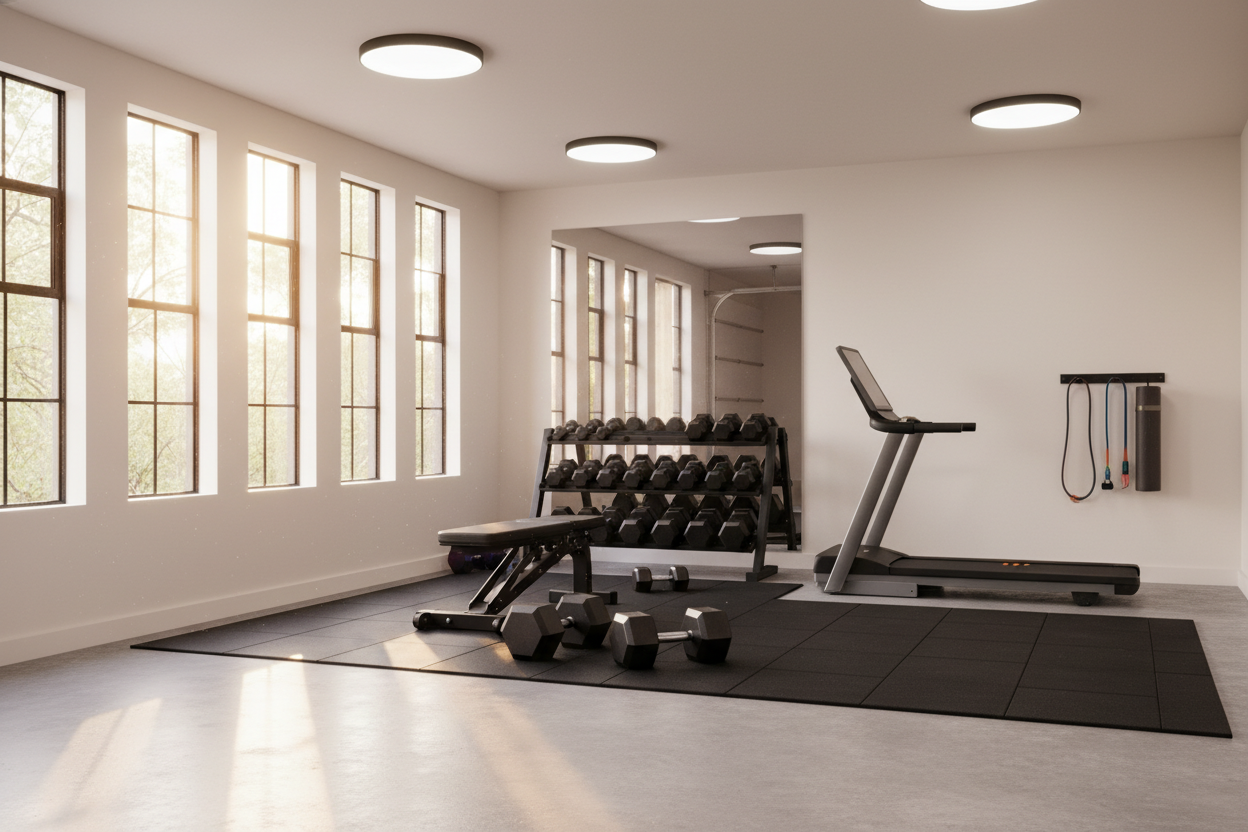
If you're working with a limited home setup, you have to be creative. If you only have dumbbells up to 50 lbs, you can't really do 'heavy' floor presses forever. You’ll eventually have to pivot to higher reps, slower eccentrics, or shorter rest periods to keep the stimulus high. This is where the 'light weight gym' setup actually forces you to become a better programmer because you can't just keep adding plates to the bar.
The Sweet Spot: Mixing Heavy and Light Weight Training
The most effective way to program is to stop choosing sides. Mixing heavy and light weight training in the same session is the 'power-building' secret. I like to start my workouts with a heavy, low-rep compound lift while my CNS is fresh. Think 3 sets of 5 on the bench press. This builds the 'hard' strength and keeps your bone density high.
After the heavy lifting is done, I move into the 8-12 rep range for accessory work, and then finish with a 'widowmaker' set of 15-20 reps. For this transition, a solid adjustable weight bench is essential. You can go from heavy flat presses to incline dumbbell work and then finish with high-rep seated curls or lateral raises without skipping a beat. This 'heavy or light weights' hybrid approach hits every muscle fiber type and maximizes blood flow.
Should you lift heavy or light to gain muscle? Both. Start with the heavy stuff to build the foundation, then use the lighter weights to add volume without destroying your elbows. This prevents the 'plateau' that happens when you only ever do one or the other. It’s about being a complete lifter, not just a specialist in one rep range.
So, Is It Better to Lift Heavy or Light?
At the end of the day, the 'heavy versus light weight lifting' debate is a distraction. The best weight to lift is the one that allows you to train consistently without injury. If you’re a beginner, you should start with moderate weights to learn the movement patterns before you worry about maxing out or chasing a pump. If you’re a veteran with nagging injuries, leaning into the lighter, high-rep side of the spectrum can save your career.
Stop asking 'should i lift heavy or light' and start asking 'how hard am I actually working?' If you leave the gym with three reps left in the tank on every set, it doesn't matter what's on the bar. Pick a weight, respect the form, and push it until you can't. That’s how you grow.
Personal Experience: The Shoulder Lesson
Three years ago, I was convinced that if I wasn't benching over 300 lbs, I was wasting my time. I ignored the 'light versus heavy' science and just kept adding weight. One afternoon, my left shoulder gave a sickening 'pop' during a heavy double. I spent six months unable to press a 5-lb dumbbell. That injury forced me to learn the value of high-rep, controlled movements. Now, my chest is bigger than it ever was during my 'heavy only' days, and I haven't touched a max-effort bench press in a year. Don't wait for a tear to realize that lighter weights have a seat at the table.
FAQ
Is it better to start with heavy or light weights?
Start with moderate weights that you can control for 10-12 reps. This builds the technique you need before you try to move heavy iron or push light weights to absolute failure.
Should I lift heavy or light to tone?
'Toning' is just muscle growth combined with low body fat. You can achieve this with either, but lifting heavy helps preserve muscle mass while you're in a calorie deficit.
Can you build muscle with only light weights?
Yes, absolutely. As long as you are taking those light sets close to failure, the hypertrophy response is nearly identical to heavy lifting. It just takes more mental toughness to handle the burn.
How often should I mix heavy and light training?
I recommend a 70/30 split. Spend 70% of your time in the moderate-to-heavy range (6-12 reps) and 30% on high-rep finishers to maximize growth and joint health.