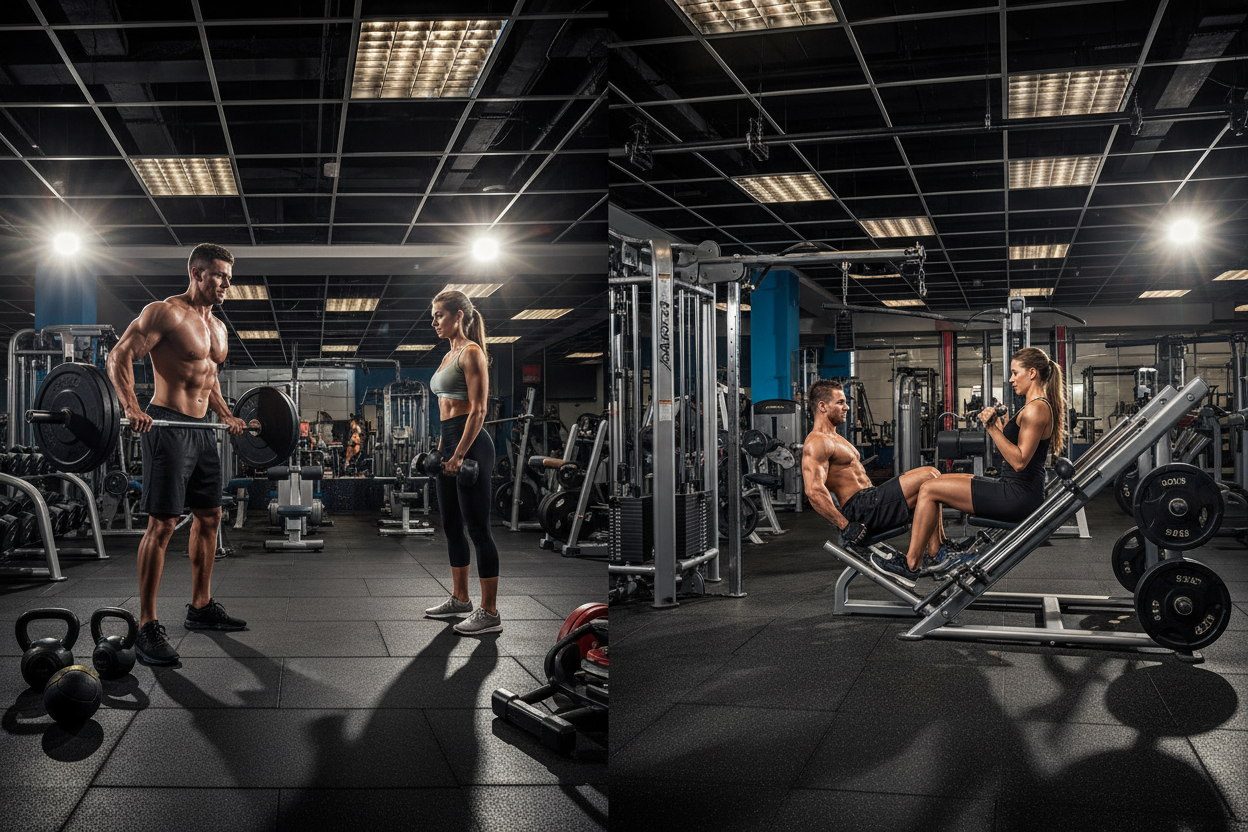
Gym Weights Explained: The Definitive Equipment Guide
Walking onto the fitness floor can feel like stepping into a mechanical jungle. You are surrounded by racks of iron, stacks of rubber, and complex pulley systems. If you feel a wave of "gymtimidation" looking at the sheer variety of weights in a gym, you aren't alone.
Understanding your tools is the first step to a successful training program. Knowing the difference between a bumper plate and a cast-iron plate, or why a kettlebell feels heavier than a dumbbell of the same weight, changes how you train. This guide cuts through the noise to explain exactly what you are looking at and how to use it.
Quick Summary: Understanding Gym Equipment
If you are in a rush, here is the breakdown of the primary categories you will encounter. These are the core distinctions for anyone learning the different types of weights.
- Free Weights: Tools that are not attached to a machine (Barbells, Dumbbells, Kettlebells). They require you to stabilize the load.
- Weight Plates: The circular discs loaded onto bars. They come in "Iron" (classic, noisy) or "Bumper" (rubber, bouncy) varieties.
- Selectorized Machines: Equipment with a weight stack where you insert a pin to choose the load.
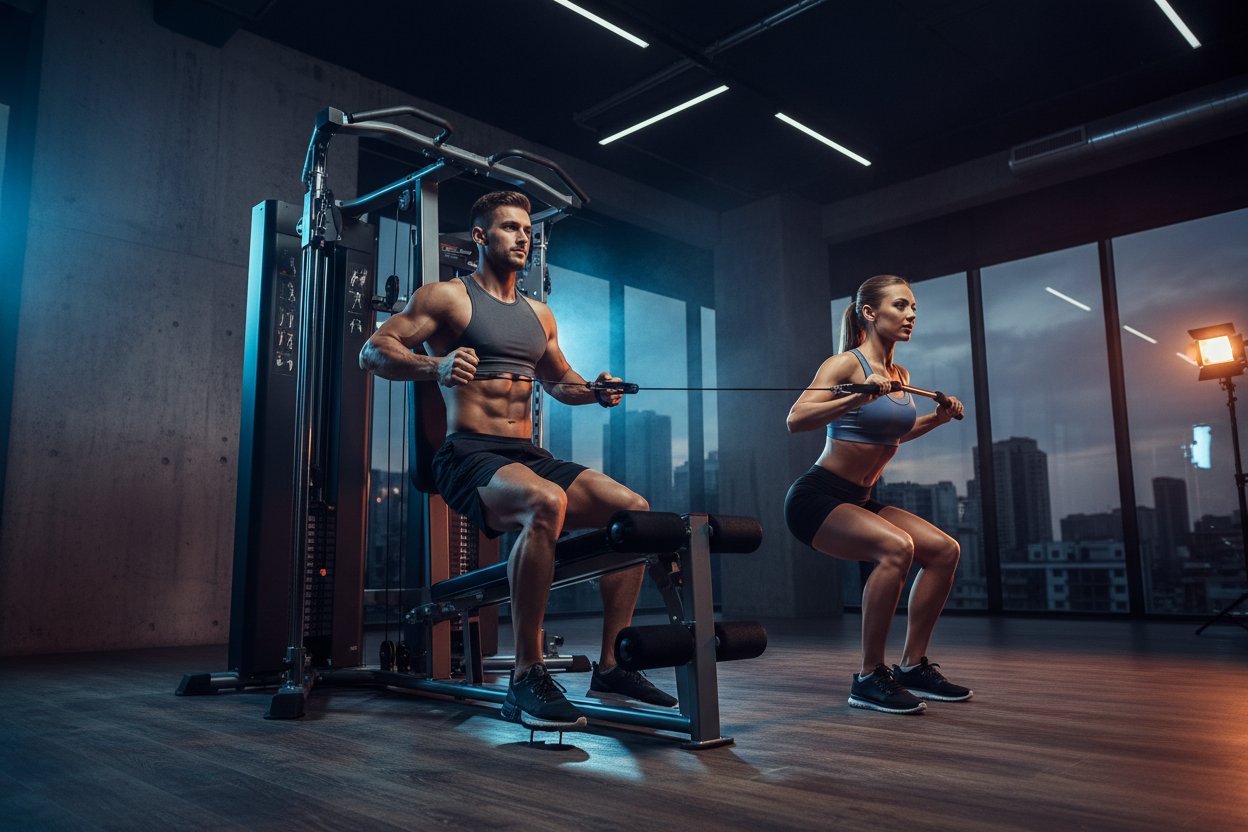
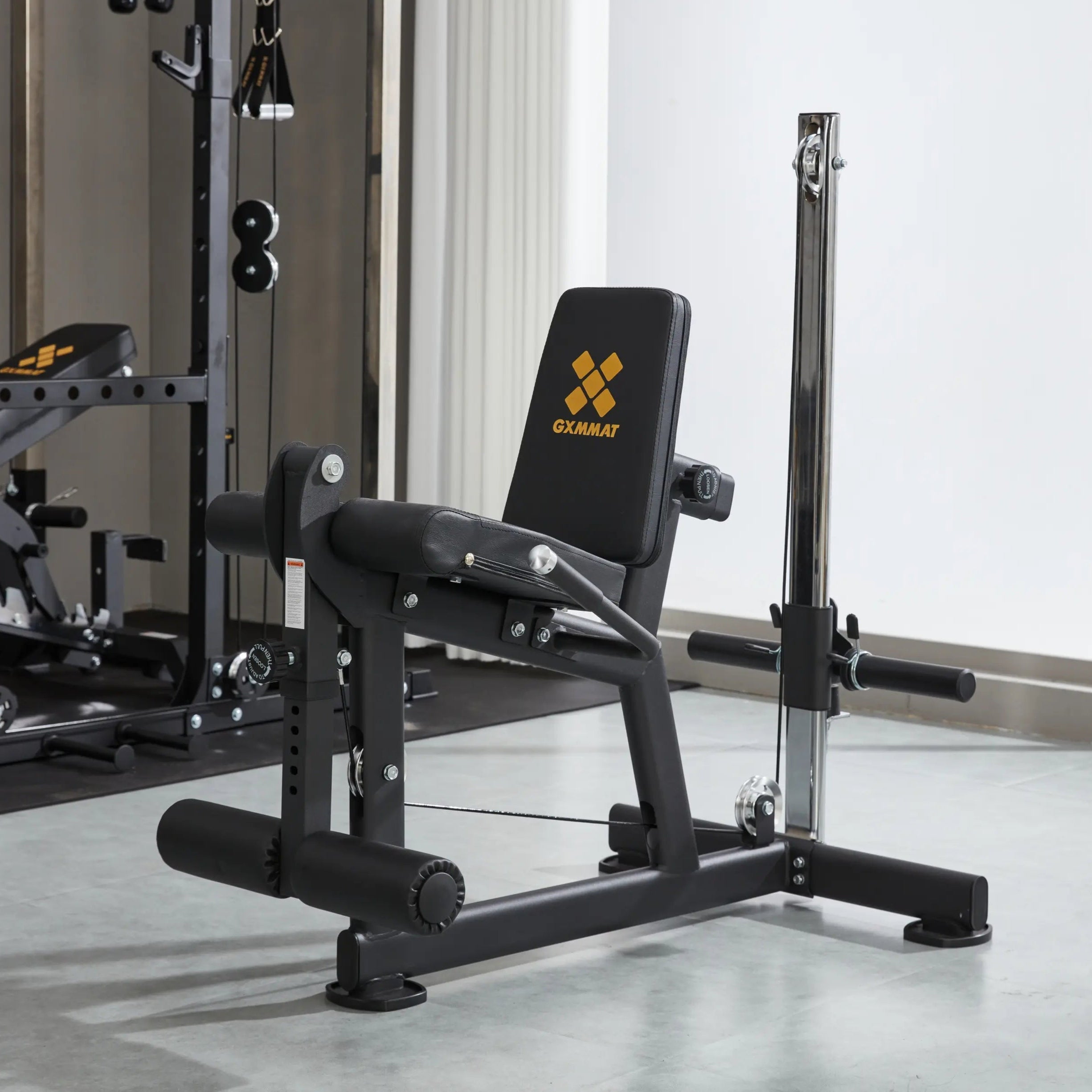
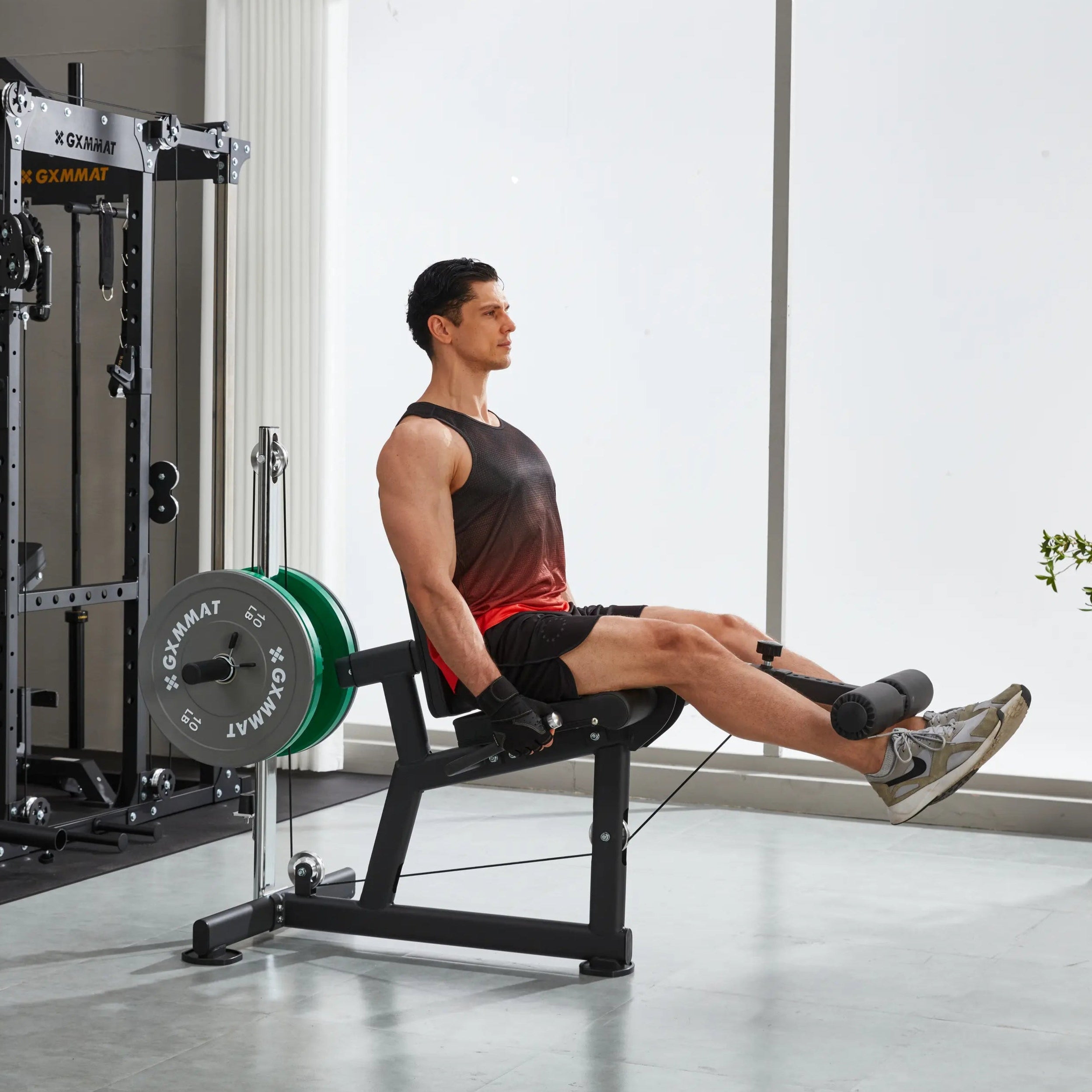
- Plate-Loaded Machines: Machines where you manually load round plates onto pegs (often called Hammer Strength).
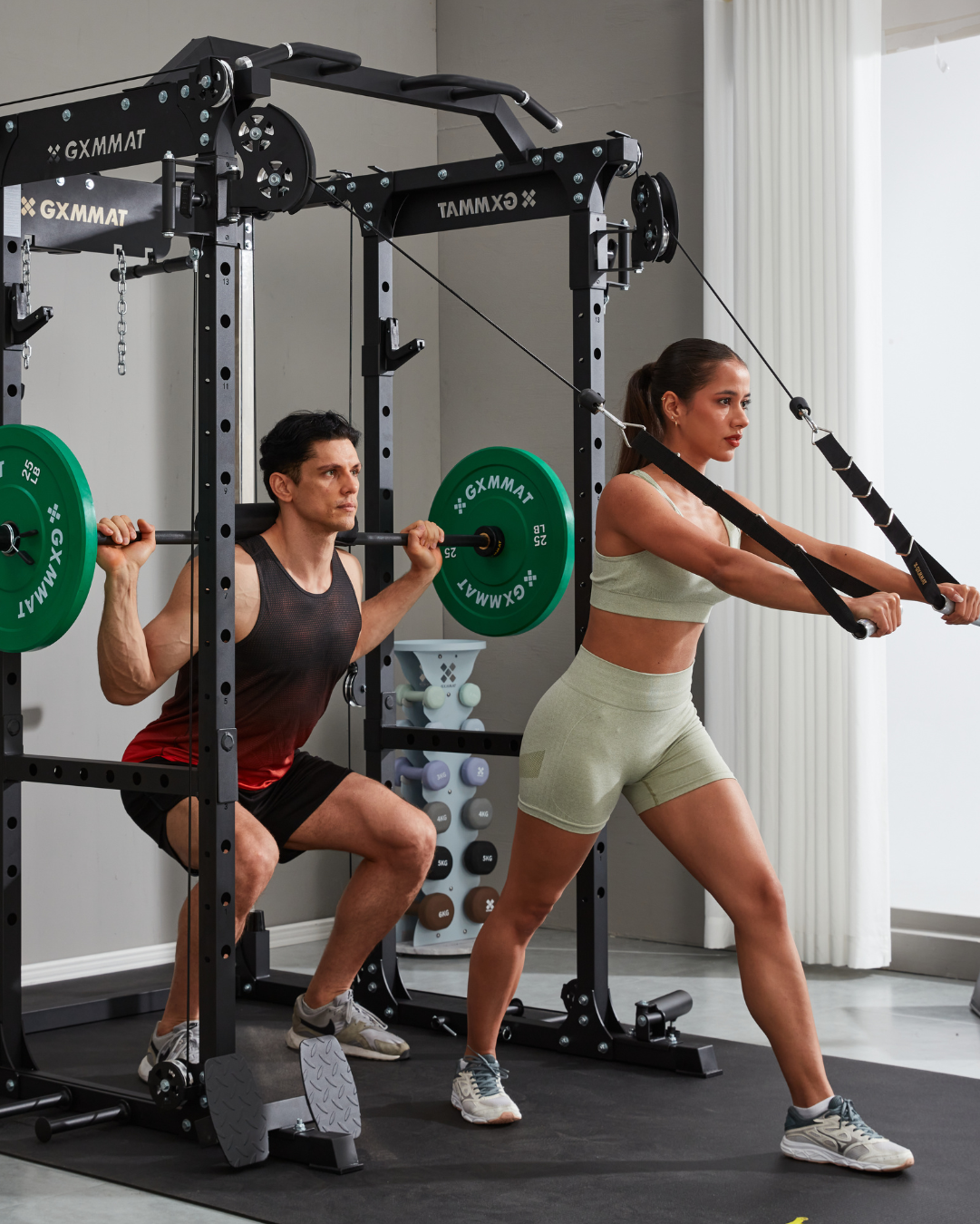
- Cable Machines: Systems using pulleys to provide constant tension in any direction.
The Hierarchy of Free Weights
When people ask about the different types of weights for lifting, they are usually referring to free weights. These are the most effective tools for building overall strength because they force your body to balance the load, engaging more stabilizer muscles.
The Barbell
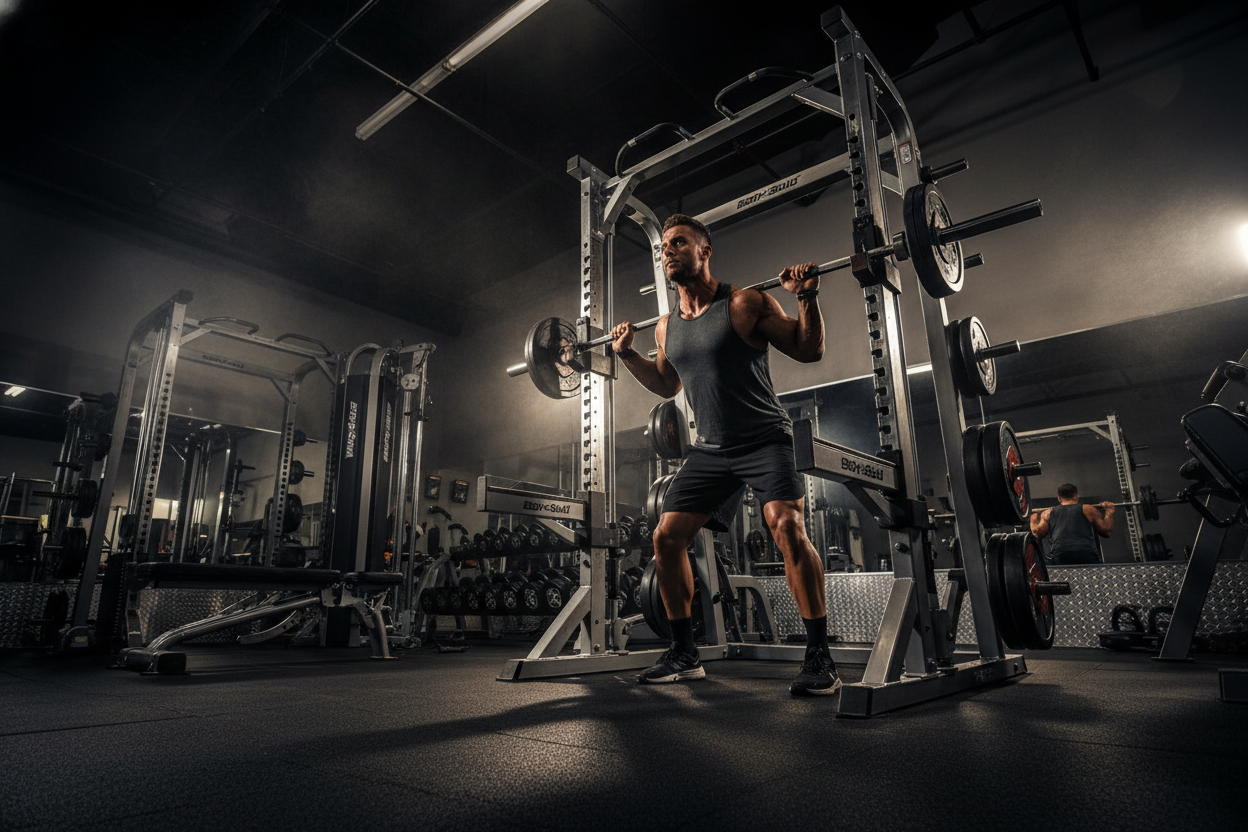
The long metal bar is the king of the gym. Most commercial gyms use "Olympic Barbells," which weigh exactly 45 lbs (20 kg) and differ from the lighter "standard" bars you might buy for a home garage setup.
The ends of the bar (sleeves) rotate. This is crucial. If the sleeves didn't spin, the inertia of the spinning plates would twist the bar out of your hands during a lift. When looking at types of workout weights, the barbell allows for the heaviest loading potential.
Dumbbells
Dumbbells are the short, handheld weights usually found on a long rack in front of a mirror. They come in two main styles:
- Fixed Dumbbells: The weight is welded or bolted permanently. These are the most common kinds of weights in commercial facilities.
- Adjustable Dumbbells: Often found in home gyms or smaller studios, where you change the weight on a single handle.
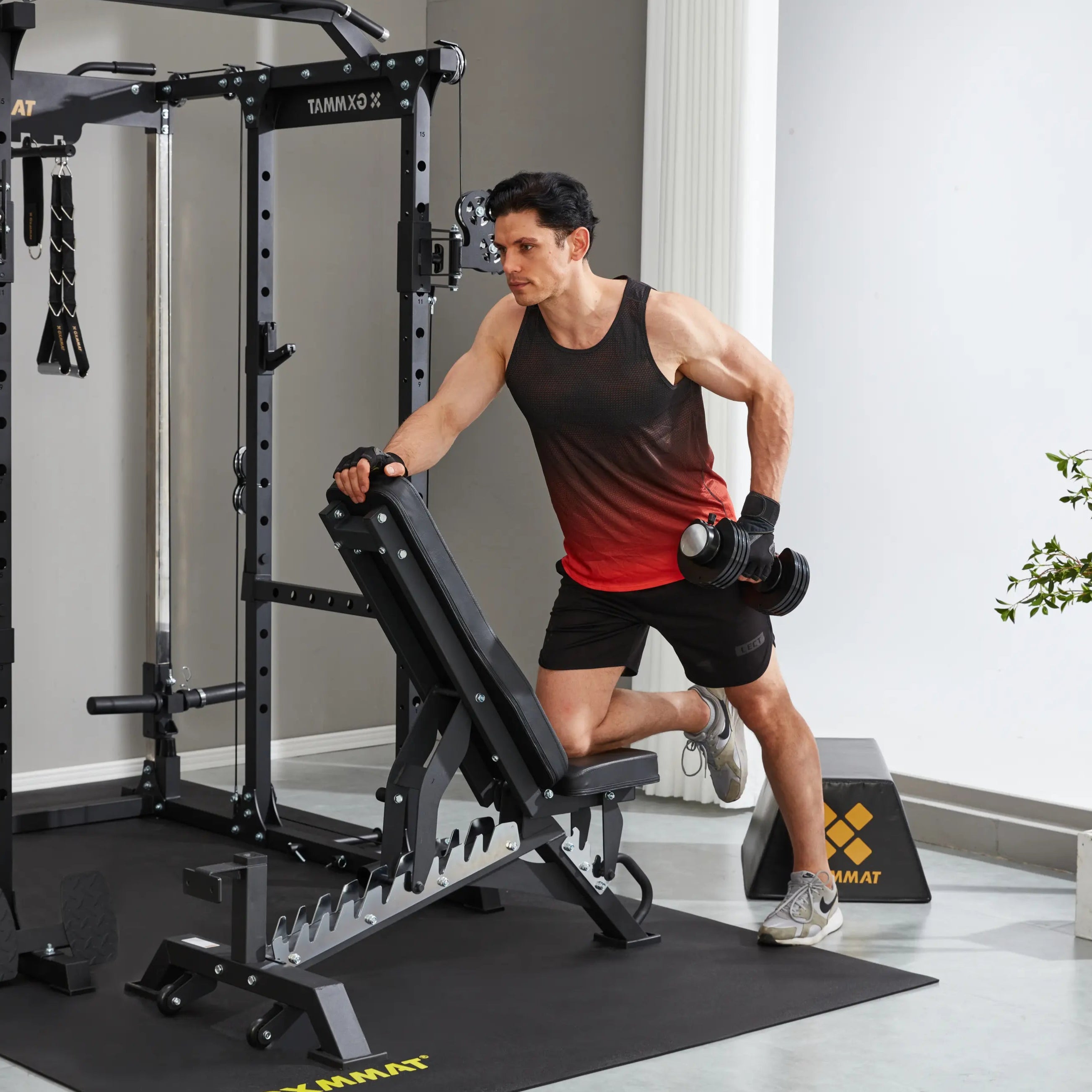
Dumbbells are superior for fixing muscle imbalances. If your right arm is stronger than your left, a barbell lets the right side compensate. Dumbbells force each side to pull its own weight.
Kettlebells
Looking like a cannonball with a handle, the kettlebell has a center of gravity that sits outside your hand. This makes the weight feel heavier and harder to control than a dumbbell. These types of free weights are excellent for dynamic, swinging movements that build endurance and grip strength.
Decoding Weight Plates
Those heavy circles you slide onto a barbell are not all created equal. There are distinct different types of weight plates, and using the wrong one can be a gym etiquette violation.
Iron Plates vs. Bumper Plates
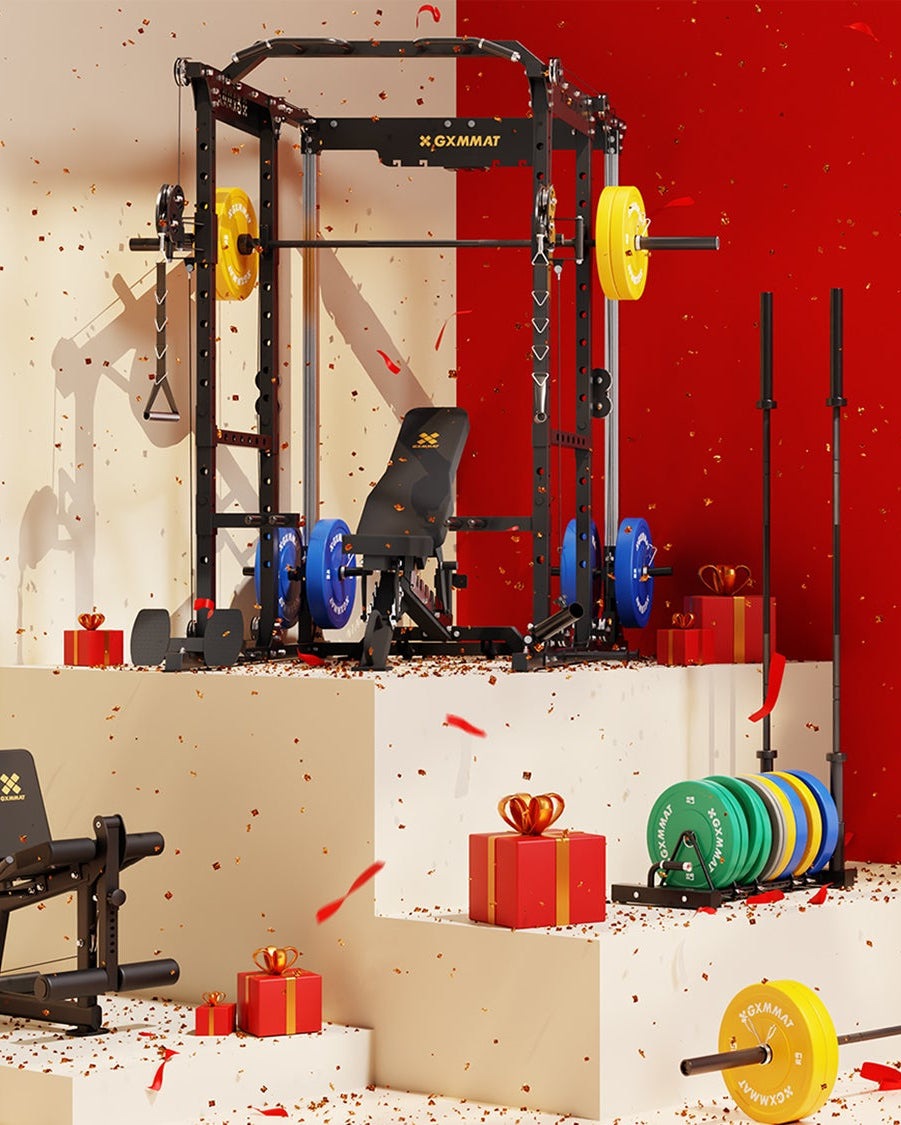
Iron Plates: These are the classic, clanging metal discs. They are thinner, meaning you can fit more of them on a bar. However, you should never drop these from waist height. They can crack the floor or the plate itself.
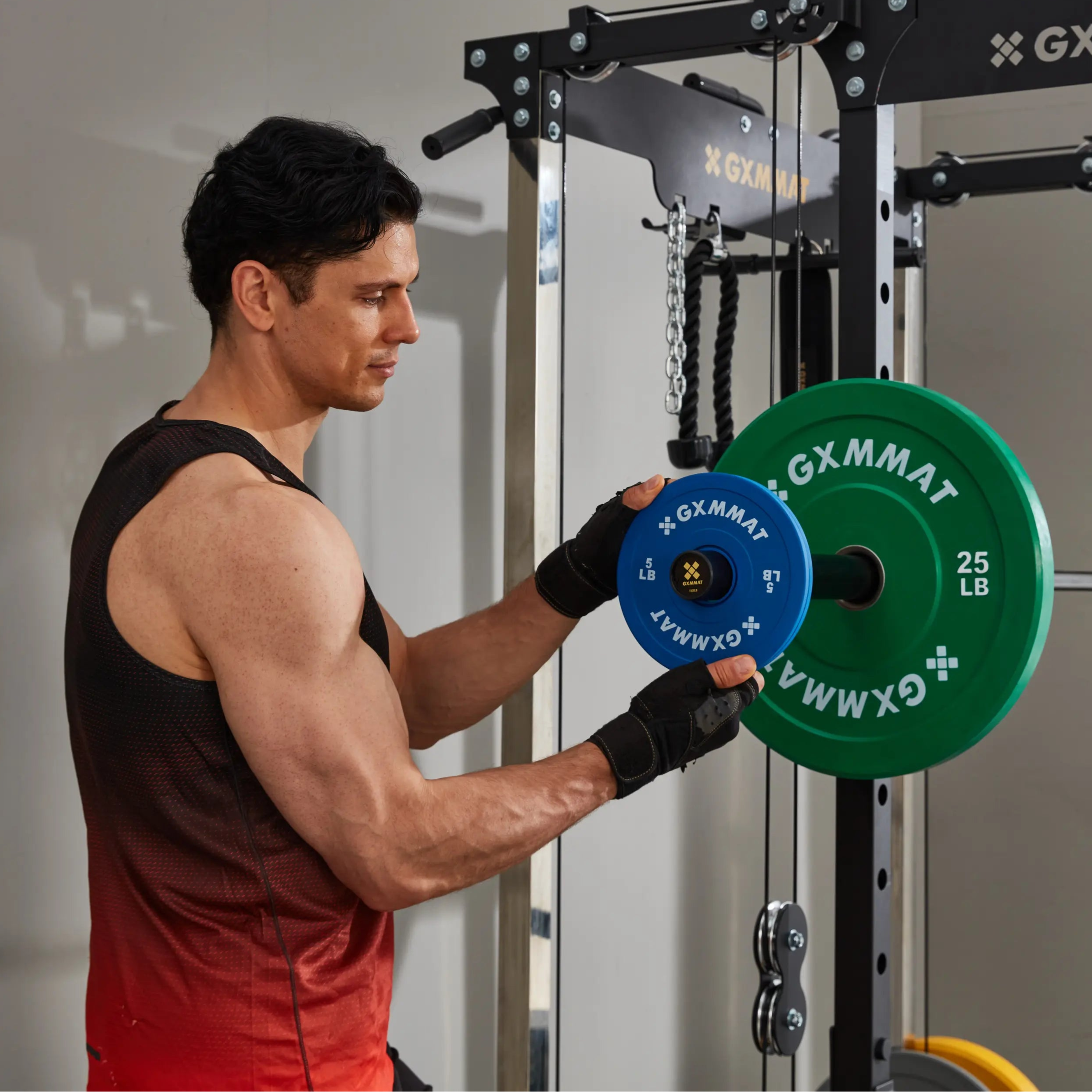
Bumper Plates: Made of dense rubber, these are designed to be dropped. If you are performing Olympic lifts (like cleans or snatches) or Crossfit-style workouts, these are the types of weights names you need to look for. They bounce when they hit the platform, protecting the equipment.
Machines and Cables
Not all different weights at the gym are loose iron. Machines provide stability, making them excellent for beginners or for isolating a specific muscle group near the end of a workout.
Pin-Loaded vs. Plate-Loaded
Pin-Loaded (Selectorized): These are the easiest to use. You sit down, move a pin to the "50" label, and push. The path of motion is fixed. You cannot mess up the form easily, but the machine dictates how you move, not your body structure.
Plate-Loaded: These machines look like a hybrid. They move on a hinge, but you must manually load iron plates onto the sides. These different types of gym weights generally allow for a slightly more natural arc of motion and can handle significantly heavier loads than pin-loaded stacks.My Personal Experience with weights in a gym
I remember the first time I transitioned from a commercial "fitness club" to a serious powerlifting gym. I thought I knew my way around the rack, but the equipment felt completely different.
The specific detail that caught me off guard wasn't the weight itself—it was the knurling. On the shiny barbells at my old gym, the cross-hatch pattern on the metal was smooth, almost polished down from years of use. I barely needed chalk.
When I grabbed a stiff "Ohio Power Bar" at the new gym, the knurling was so aggressive it felt like holding a cheese grater. After my first set of deadlifts, my palms were raw and red, even though I was lifting the same numbers. I also learned the hard way about "calibrated plates." I loaded up what I thought was my usual squat weight, but calibrated steel plates sit closer to the center of the bar than thick rubber bumpers. The bar didn't whip or bend at all. It felt like I had a telephone pole on my back—rigid and unforgiving. That lack of "whip" made the lift feel 20 pounds heavier.
Understanding these subtle nuances—how the bar feels in your hand and how the plates distribute weight—is something you only learn by getting under the bar.
Conclusion
Navigating the different types of weights for workout routines doesn't have to be complicated. Start with the basics. Use machines to learn the movement patterns, and graduate to free weights like barbells and dumbbells to build real stabilizing strength.
The best weight type gym equipment is the one you feel comfortable using consistently. Don't overthink the physics—just pick up the weight, prioritize your form, and lift.
Frequently Asked Questions
What are the different types of weights called in a gym?
The three main categories are Free Weights (dumbbells, barbells, kettlebells), Machines (selectorized and plate-loaded), and Cables. Within free weights, you will also find variations like medicine balls, sandbags, and EZ-curl bars.
Which types of gym weights are best for beginners?
Beginners often benefit from starting with selectorized (pin-loaded) machines. These guide your range of motion and reduce the risk of injury. However, incorporating dumbbells early is wise to develop coordination and stabilizer muscles that machines miss.
What is the difference between standard and Olympic weights?
The main difference is the hole size and weight capacity. Olympic weights have a 2-inch center hole and are the standard in almost all commercial gyms. Standard weights have a 1-inch hole and are typically found in cheaper home gym sets. They are not compatible with each other.