Gym Floor Used: Is Secondhand Rubber Worth It?
Setting up a home gym in your garage or basement is exciting until you look at the price tag of thick, commercial-grade rubber. If you are trying to stretch your budget, searching for a gym floor used by a local facility or another home lifter is usually one of the first ideas that comes to mind. But is stepping onto someone else's old mats a smart financial move, or a hygienic nightmare waiting to happen?
Flooring is the foundational layer of your home gym. It protects your foundation, dampens noise, and saves your joints. In this guide, we will help you decide if secondhand flooring is the right move for your setup, what red flags to watch out for, and how to safely sanitize your finds.
Key Takeaways
- Used rubber flooring can save you 30% to 50% compared to buying brand new commercial mats.
- Always inspect for compression wear, curling edges, and lingering odors before handing over your cash.
- Horse stall mats are the most common, durable, and cost-effective secondhand option on the market.
- Proper sanitization with an enzymatic cleaner is non-negotiable before installing used mats in your home space.
What to Look For When Sourcing Secondhand
Not all used rubber is created equal. When you are scouting out a potential deal, you need to evaluate the physical condition of the mats. A cheap mat is not a deal if it ruins your workout experience.
Inspecting for Wear and Tear
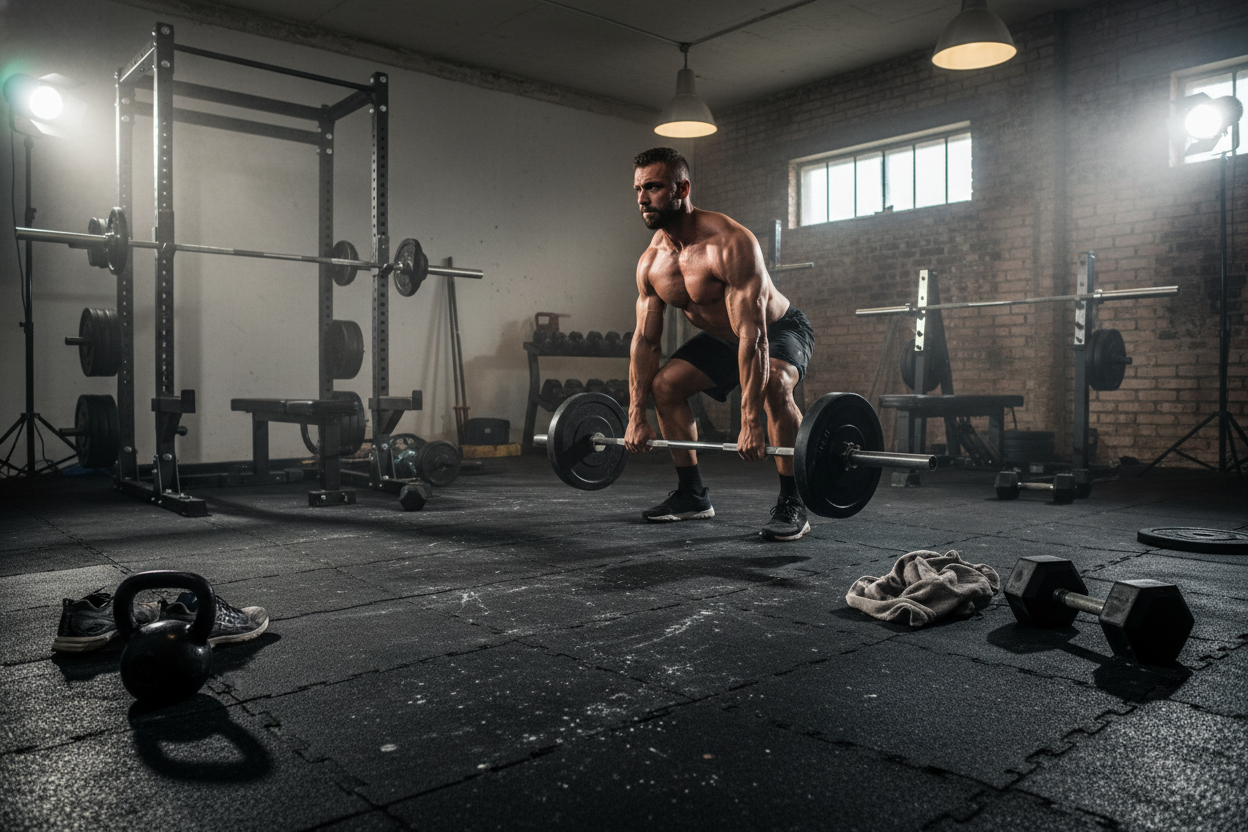
Commercial gyms and CrossFit boxes are notorious for wearing down specific areas of their floors. Look closely at the center of the mats. Are there permanent divots from repeated deadlift drops? Are the edges curling upward? Curled edges create a massive tripping hazard and rarely flatten out, even under heavy equipment.
Thickness and Density Matters
For a home gym where you plan to drop barbells, you need at least 3/4-inch thick, high-density rubber. Many sellers will try to pass off thin, 1/4-inch foam interlocking tiles as 'gym flooring'. These are fine for yoga or light dumbbell work, but they will not protect your concrete floor from a dropped 45-pound plate.
Cost vs. Lifespan Analysis
Finding that perfect balance between budget and longevity is the key to building out your dream gym without going into debt.
When to Buy Used
You should absolutely consider secondhand mats if you are outfitting a large two-car garage or a massive basement. The square footage costs add up incredibly fast. If you can find a local gym liquidating their assets, you can often score premium vulcanized rubber for pennies on the dollar.
When to Buy New
If you are setting up a small 8x8 foot lifting platform or an indoor spare-bedroom gym, buy new. The cost savings on just a few mats aren't worth the hassle of transporting, scrubbing, and airing out used rubber. Plus, new mats guarantee a uniform look and zero mystery odors.
Prepping and Cleaning Your Used Mats
If you do pull the trigger on secondhand mats, you cannot just throw them on your floor and start lifting. They need a serious detox.
The Deep Clean Protocol
Take the mats to your driveway. Sweep them thoroughly, then scrub them with a mixture of warm water and a neutral pH cleaner or an enzymatic cleaner (like Simple Green). Avoid harsh chemicals like bleach, which can degrade the rubber. Let them bake in the sun for a full weekend; the UV rays work wonders for killing lingering bacteria and neutralizing the classic 'used gym' smell.
From Our Gym: Honest Take
When we expanded our garage testing facility last year, we found a stack of used gym flooring for sale from a local functional fitness gym that was upgrading their space. I paid $20 per 4x6 foot mat—a massive steal compared to the $55 retail price.
However, the reality of secondhand rubber hit me as soon as I loaded them into the truck. They were caked in years of chalk dust, sweat, and spilled pre-workout. It took me three intense rounds of power washing and scrubbing with an enzymatic cleaner to get them to a usable state. Furthermore, two of the mats had permanent compression indents from where heavy squat racks had sat for five years. I ended up cutting those specific sections off and using the scraps to level out my treadmill. Was it worth the $400 in savings? Yes. Was it a weekend of back-breaking labor to get them clean? Absolutely. If you value your time more than your money, buy new.
Frequently Asked Questions
Where can I find used gym flooring for sale?
The best places to look are Facebook Marketplace, Craigslist, and local commercial gym liquidation auctions. You can also call local farm supply stores to see if they have discounted, slightly damaged horse stall mats.
How do I get rid of the smell on used rubber mats?
Sunlight and fresh air are your best friends. Scrub the mats with an enzymatic cleaner, rinse them thoroughly, and leave them outside in direct sunlight for 48 to 72 hours. Ensure they are completely dry before bringing them indoors.
Is it safe to put a used gym floor over carpet?
It is generally not recommended to put heavy rubber mats directly over plush carpet. The mats will shift during dynamic workouts, and trapped moisture can lead to mold growth in the carpet fibers. If you must, use a rigid plywood subfloor between the carpet and the rubber mats.