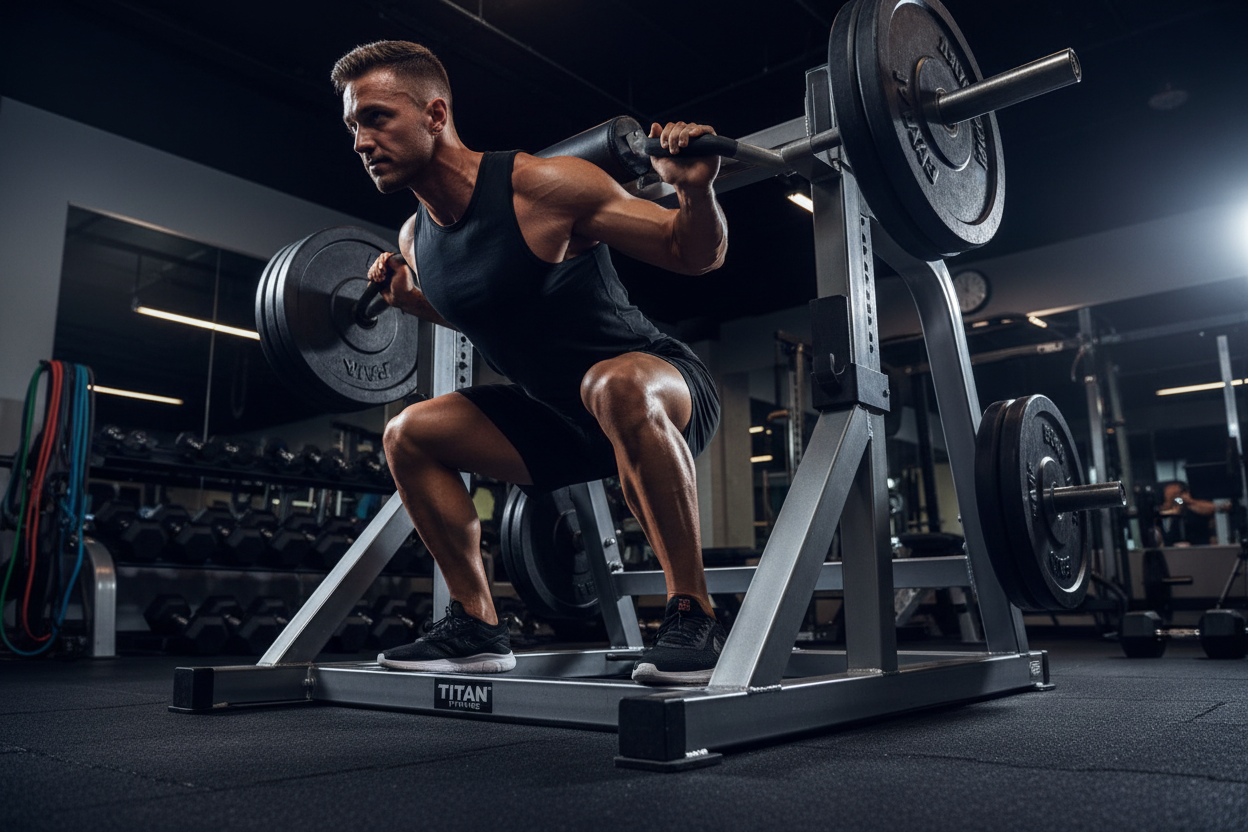
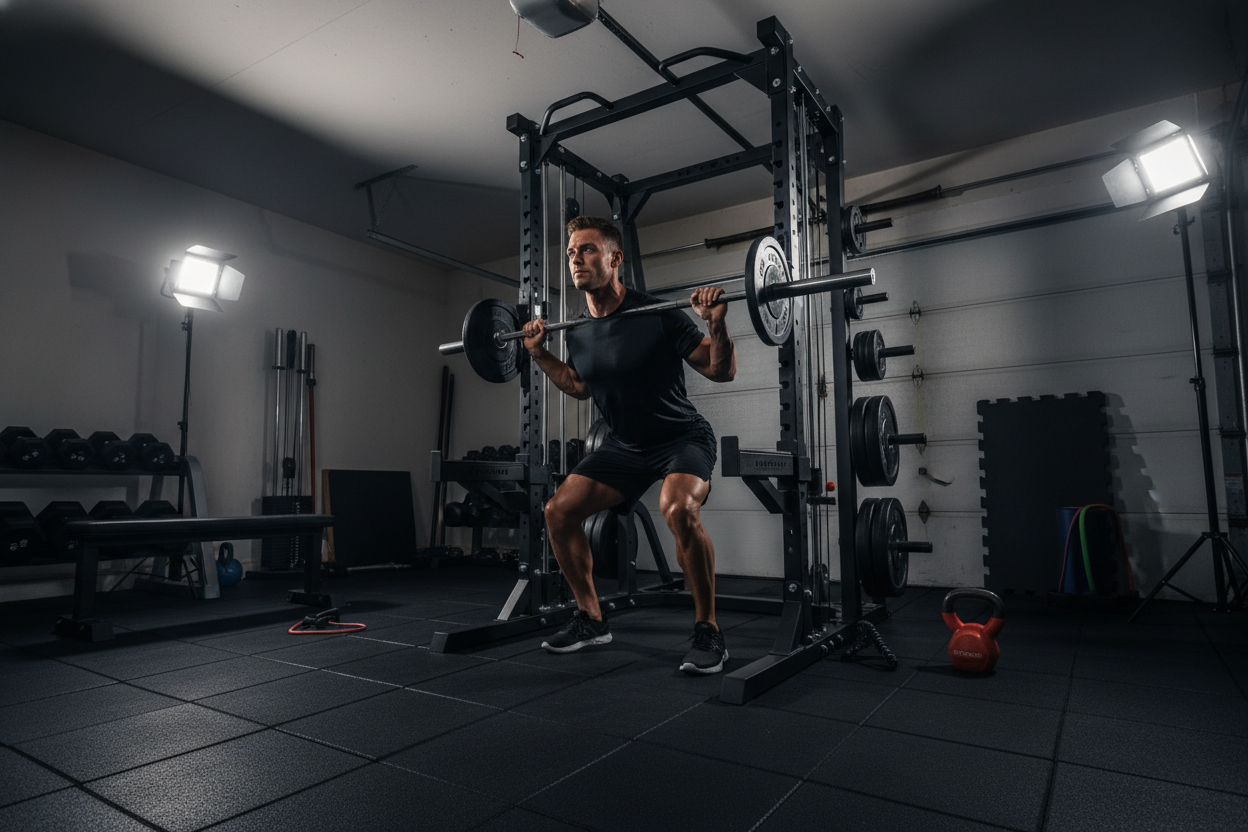
Gym Equipments Companies: The Definitive Quality Guide
Building a fitness facility or outfitting a serious home gym is a massive financial commitment. You aren't just buying heavy metal; you are investing in biomechanics, safety, and longevity. Unfortunately, the market is saturated with gym equipments companies promising commercial-grade durability at budget prices.
Most buyers focus solely on the price tag or the aesthetic appeal of a machine. This is a mistake. To get equipment that withstands years of abuse, you need to look at manufacturing tolerances, steel gauges, and supply chain reliability. This guide cuts through the marketing noise to help you identify partners worth your money.
Key Takeaways
- Check the Steel Gauge: True commercial gear uses 11-gauge steel or lower (thicker). Anything higher than 12-gauge is strictly for light residential use.
- Analyze the Warranty: A company confident in their welds will offer a lifetime warranty on frames. Anything less is a red flag.
- Proprietary vs. Standard Parts: Avoid workout equipment companies that use proprietary cables or pulleys; if they go out of business, your machine becomes scrap metal.
- Lead Times Matter: Reliable manufacturers have transparent shipping schedules. Vague delivery dates often indicate dropshipping from unreliable sources.
Categorizing Manufacturers: Know What You Need
Not all manufacturers play in the same sandbox. Understanding where a brand sits on the spectrum prevents you from overspending on features you don't need or under-spending on durability you do.
The High-End Commercial Tier
These companies supply the big box chains and university athletic centers. They focus on biomechanics—how the machine moves with the human body. When you buy from this tier, you are paying for R&D. The movement patterns are smooth, and the resistance curves are mathematically calculated to match muscle strength curves.
The "Pro-Sumer" Market
This is the sweet spot for garage gym owners and private training studios. These workout equipment companies bridge the gap between home use and commercial durability. They often skip the fancy plastic shrouds and digital integrations to focus on raw structural integrity. If you want a rack that can hold 1,000 lbs but fits in a basement, this is your category.
How to Vet Equipment Quality
You cannot rely on photos. Renderings can make a hollow aluminum tube look like solid steel. Here is the science behind vetting the gear.
Weld Quality and Finish
Look for "robotic welds" in the specifications. Hand welding is fine for custom pieces, but for mass production, robotic consistency ensures safety. Also, check for powder coating versus wet paint. Powder coating is baked onto the metal, making it resistant to chipping when you inevitably clang plates against the frame.
Upholstery and Contact Points
The first thing to fail on gym equipment is usually the vinyl. High-quality companies use double-stitched, marine-grade vinyl that resists sweat and bacteria. If the foam density is too soft, you will bottom out during a heavy bench press, losing stability and force transfer.
Common Red Flags in the Industry
The fitness industry is rife with re-branding. Many "brands" are simply importers slapping a logo on generic catalogs from overseas factories.
Be wary of companies that do not list the weight capacity or the product weight. If a power rack weighs less than 150 lbs, it will likely wobble dangerously during pull-ups or racked squats. Additionally, if customer service relies solely on a chatbot or email form with no phone number, expect a nightmare if a part arrives damaged.
My Training Log: Real Talk
I need to be honest about why vetting matters. A few years ago, I bought a specialized leg curl machine from one of those pop-up gym equipments companies that flooded social media ads. It looked like a tank in the photos.
The reality was different. I remember the specific sound it made—a hollow, tinny rattle—every time the weight stack moved. It didn't sound solid; it sounded cheap. But the worst part was the roller pad. It used a cheap, slick vinyl that became a slip-and-slide the second I started sweating. I couldn't keep my ankles locked in position because the material had zero grip.
Within six months, the cable stripped its coating, creating this gritty friction that made a 50lb lift feel like 70lbs at the bottom and 30lbs at the top. I ended up selling it for scrap. That experience taught me that "heavy duty" is just a marketing buzzword unless the specs back it up.
Final Thoughts
Selecting the right equipment provider is about risk management. You are mitigating the risk of injury from equipment failure and the financial risk of replacing gear too soon. Do your homework, check the specs, and prioritize structural integrity over flashy aesthetics.
Frequently Asked Questions
What is the most important spec to check on power racks?
The upright size and steel gauge. Look for 3x3 inch uprights made of 11-gauge steel. This creates a heavy, stable base that won't tip over without being bolted down, and it is compatible with most modern attachments.
Why are commercial gym equipment companies so expensive?
You are paying for liability insurance, extensive biomechanical research, and service contracts. Commercial gear is designed to run for 16 hours a day, every day, without maintenance. Home gear is designed to be used 3-5 hours a week.
Can I use residential equipment in a commercial studio?
Generally, no. Doing so usually voids the warranty immediately. If a client gets injured on a piece of residential equipment in a commercial setting, your liability insurance may refuse to cover the claim.