Gym Equipments and Their Names: The Definitive Guide for 2024
Walking into a commercial gym for the first time often feels like stepping into a spaceship cockpit. You see levers, pulleys, stacks of iron, and people moving in strange patterns. The biggest barrier to a good workout isn't usually physical weakness; it's the anxiety of not knowing what anything is called or how it works.
You are not alone in this confusion. Understanding gym equipments and their names is the quickest way to kill "gymtimidation" and structure a program that actually yields results. We aren't just going to list names here; we are going to break down the mechanics so you know exactly which tool to grab for your specific goals.
Key Takeaways: The Equipment Hierarchy
- Free Weights: Tools like dumbbells and barbells that require you to stabilize the load, offering the highest muscle activation.
- Plate-Loaded Machines: Hybrids like the Leg Press where you manually add weight plates; great for heavy lifting with safety.
- Selectorized Machines: Equipment with a weight stack and a pin (e.g., Lat Pulldown), ideal for isolation and quick weight changes.
- Cable Systems: The "Functional Trainer" or cable towers that provide constant tension throughout the movement range.
- Smith Machine: A barbell fixed on vertical rails, acting as a spotter for heavy compound lifts.
The Free Weight Section: Where Strength Starts
This area is usually defined by open space, rubber flooring, and heavy iron. While intimidating, these are the most effective tools for building total-body strength.
The Barbell and Dumbbell
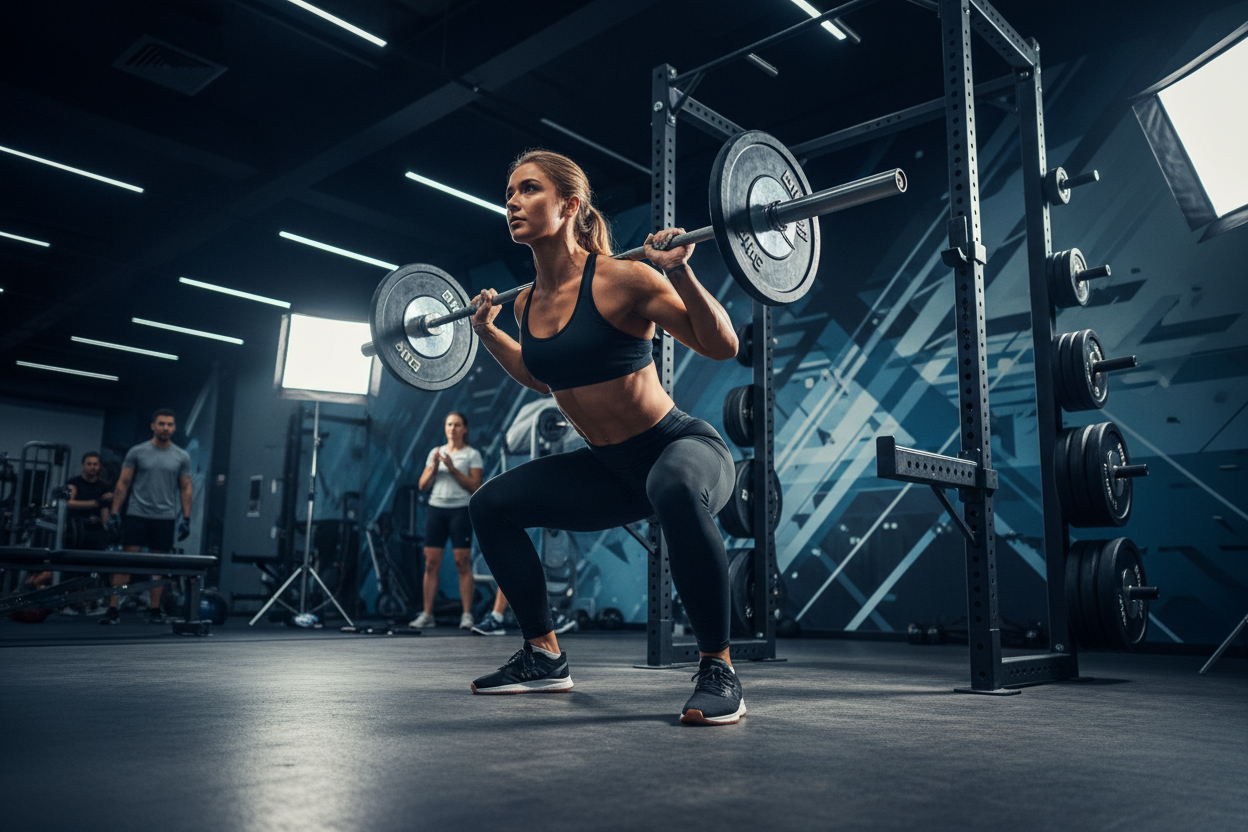
The standard Olympic Barbell is that 7-foot long, 45lb (20kg) bar you see in the squat racks. It is the king of weight room machines names—even though it's technically not a machine. It allows for the heaviest loads.
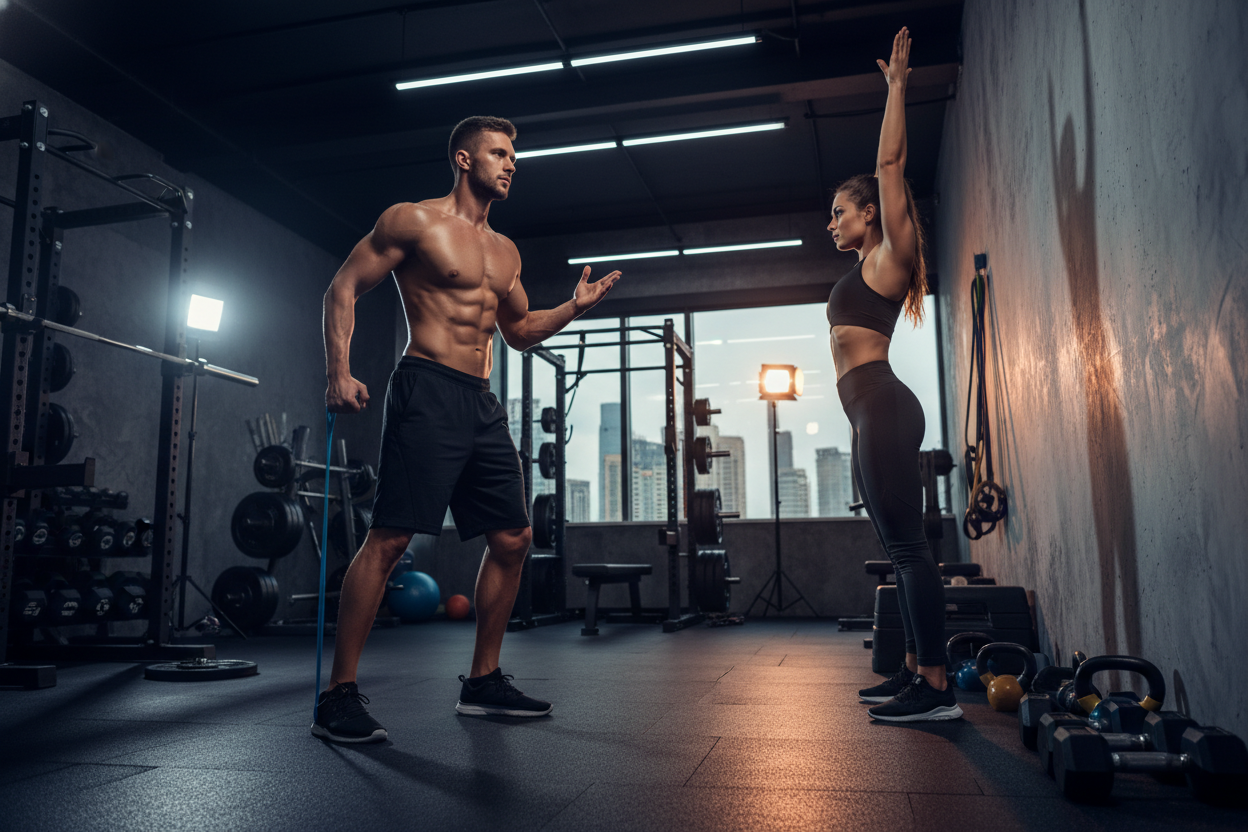
Dumbbells are the smaller, handheld weights. The science here is simple: because they aren't connected, your left and right sides must work independently. This fixes muscle imbalances that machines might hide.
The Squat Rack vs. The Power Rack
You will often hear these terms used interchangeably. A Power Rack (or Cage) has four vertical posts and horizontal safety bars. It is designed to catch the barbell if you fail a lift. A Squat Stand usually only has two posts. If you are lifting heavy without a spotter, always choose the Cage.
Common Gym Machine Names: Upper Body
When browsing names of weight machines in gyms, you are usually looking for selectorized machines (the ones with the pin). These isolate specific muscle groups.
Lat Pulldown
This machine mimics a pull-up. You sit down, secure your knees under pads, and pull a long bar down to your chest. It targets the Latissimus Dorsi (the big back muscles). The key here isn't just pulling; it's depressing your shoulder blades first to engage the back rather than just the biceps.
Pec Deck (Machine Fly)
Often confused with a chest press, the Pec Deck has you sitting upright with your arms out to the side, bringing them together in front of your face. It isolates the chest muscles without tricep involvement. It’s excellent for hypertrophy (muscle growth) at the end of a workout.
Cable Crossover (Functional Trainer)
This is that massive frame with two adjustable pulleys on opposite sides. It is one of the most versatile pieces of equipment. Because cables provide continuous tension (gravity doesn't let the weight rest at the top of the movement), it creates a different stimulus than free weights.
Gym Leg Machines Names with Visual Cues
Leg day confuses many because the machines look similar but function differently. If you are searching for gym leg machines names with pictures, use these descriptions to identify them on the floor.
The Leg Press
Look for a large machine with a seat that is either angled at 45 degrees or horizontal. You place your feet on a large platform and push the sled away. This is a common gym machine name you must know. It allows you to overload the legs with heavy weight without putting compressive stress on your spine, unlike a barbell squat.
Leg Extension vs. Leg Curl
These two are often right next to each other. The Leg Extension has a roller pad that sits on top of your shins; you kick up to work the quads.
The Hamstring Curl (Seated or Prone) has a pad that sits behind your ankles; you pull your heels back or down towards your glutes. The mechanism isolates the back of the leg. If you want knee health, do not skip the curls.
The Hack Squat
This looks like a Leg Press but inverted. You stand on a platform with shoulder pads resting on you, and you slide down a track. It forces a very deep knee bend, targeting the quadriceps heavily. It is one of the most grueling gym weight equipment names to encounter in a program.
My Training Log: Real Talk
I want to share a specific detail about gym equipments and their names that you won't find in a manufacturer's manual. It's about the "Seated Leg Curl."
Technically, it's just a machine where you pull your heels back. But in reality, it's the machine that humbles you the most because of the "lap bar." I remember spending months thinking I was plateauing on this machine. I would load the stack, grind out a rep, and feel my hips shooting up off the seat. I wasn't using my hamstrings; I was using leverage and lower back momentum.
The moment I started crushing that lap pad down so tight against my thighs that it was borderline uncomfortable, my lift weight dropped by 30 pounds, but the burn in my hamstrings doubled. Knowing the name of the machine is one thing; knowing that the lap bar is actually the most critical component for isolation is the difference between moving weight and building muscle.
Conclusion
Mastering common gym equipment names is about more than just vocabulary; it is about safety and intent. When you know the difference between a Hack Squat and a Leg Press, you can make intelligent choices about which movement fits your current physical state. Don't be afraid to ask staff or use this guide as a reference on your phone. The equipment is there to serve you, not scare you.
Frequently Asked Questions
What are the best machines for beginners?
Beginners should start with selectorized machines like the Chest Press, Seated Row, and Goblet Squats (using a dumbbell). These machines have fixed paths of motion, which reduces the risk of injury while you build foundational stability.
Is the Smith Machine effective for building muscle?
Yes. While it gets hate from purists, the Smith Machine is excellent for hypertrophy. Because you don't have to stabilize the bar, you can focus entirely on pushing the muscle to failure safely.
What is the machine with the ropes called?
That is likely the "Battle Ropes" (anchored to the floor) or a "Cable Machine" with rope attachments. If it involves a sliding pulley system, it is generally referred to as a Cable Crossover or Functional Trainer.