Gym Equipment With Names: What You Actually Need to Buy
Ever stared at a massive cable apparatus or a strange metal contraption and wondered what it actually does? Building a home gym is incredibly frustrating when you don't even know the right terminology to search for. Whether you are trying to maximize a tight garage space or break through a workout plateau, understanding gym equipment with names is your first step to making smart, budget-friendly investments.
This guide will decode the confusing terminology, help you identify the exact machines you need, and prevent you from wasting money on redundant gear.
Key Takeaways
- Knowing the correct terminology prevents costly buying mistakes and redundant purchases.
- Power racks and functional trainers offer the highest return on investment for home setups.
- Space planning and ceiling clearance dictate your equipment choices more than your budget does.
- Commercial-grade machines often have different naming conventions than entry-level home gear.
Core Strength Builders: Identifying the Essentials
Before you start adding items to your cart, you need to match your training goals with the right gear. Learning every single gym equipment name isn't necessary, but understanding the foundational pieces is crucial.
The Power Rack (Squat Cage)
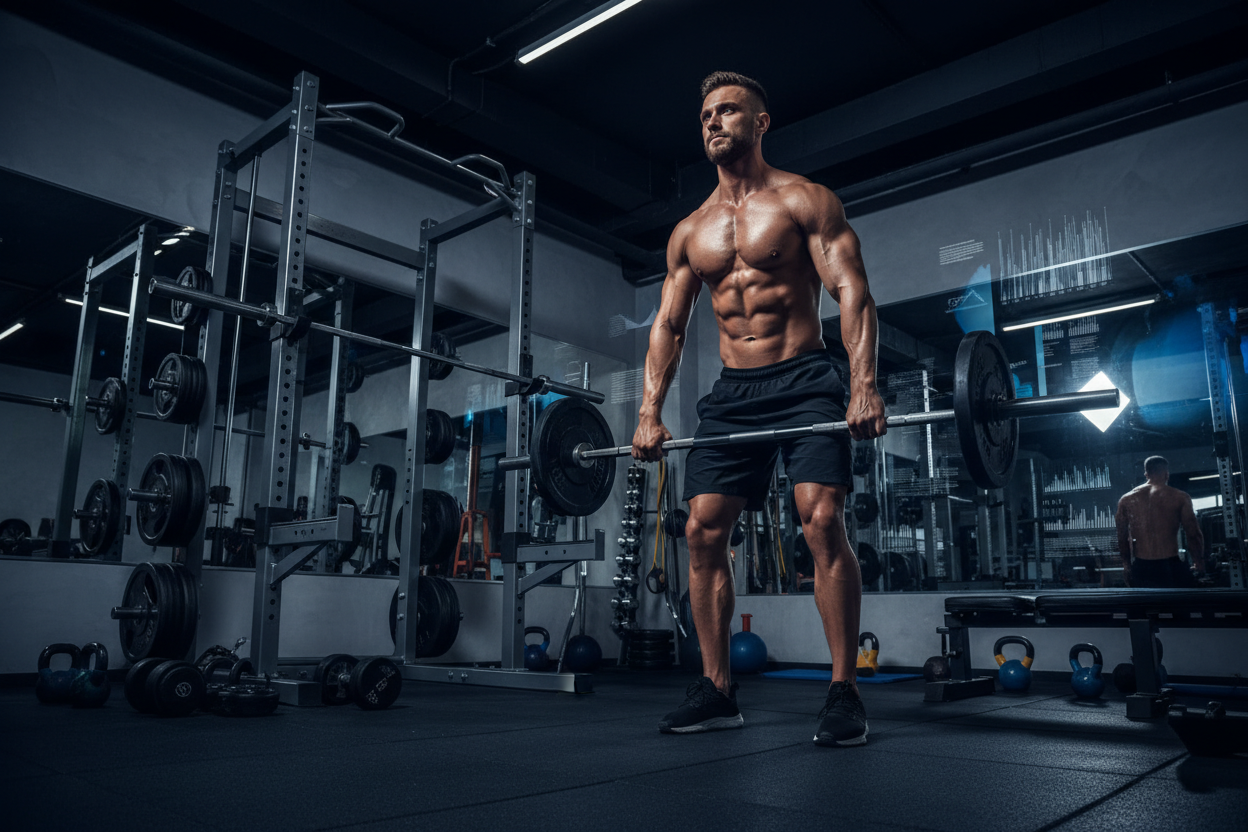
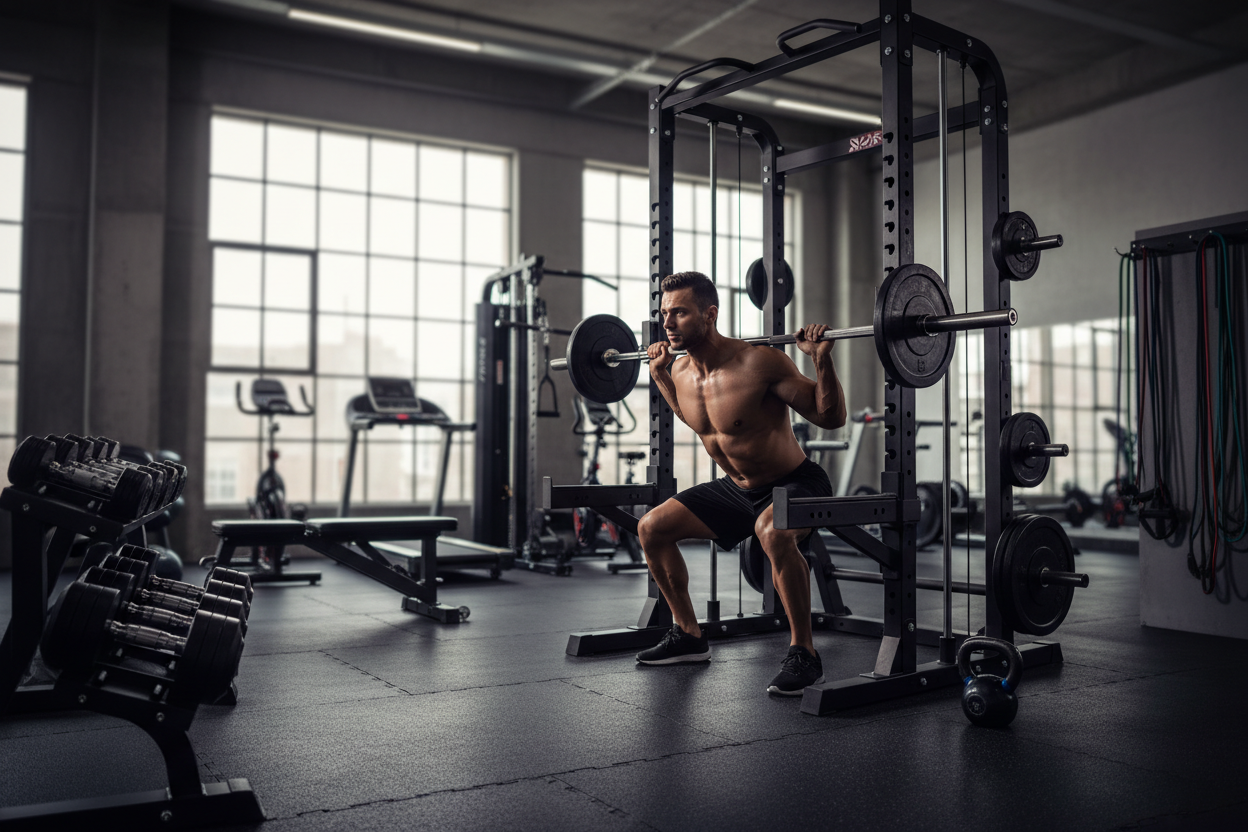
The power rack is the undisputed centerpiece of any serious home gym. It consists of four vertical steel uprights and horizontal safety pins. This is where you will perform heavy compound movements like squats, bench presses, and rack pulls safely without a spotter. When comparing models, look for 3x3-inch steel tubing and 11-gauge steel for commercial-level durability.
Functional Trainers (Cable Machines)
If you have ever searched for gym machine equipment names, you have likely seen functional trainers. These feature dual weight stacks and adjustable pulleys. They are unparalleled for isolation work, core training, and rehabilitation exercises. While they have a larger footprint, they replace dozens of single-use machines.
Space Planning: Fitting Big Gear in Small Spaces
North American homes present unique challenges. A basement setup deals with low ceilings, while a garage gym battles sloped floors and humidity.
Clearances and Footprints
Never trust the base footprint alone. A power rack might only measure 48 by 48 inches on the floor, but you need an additional 24 inches of clearance on the sides to load Olympic plates. Furthermore, if you plan to do muscle-ups or overhead presses, you must account for your own height plus the barbell's diameter above the rack.
From Our Gym: Honest Take
When we first outfitted our testing facility, I made the classic mistake of prioritizing floor space over vertical clearance. At 6'2, I bought a standard 84-inch squat stand. I quickly realized I needed at least 48 inches of clearance above the rack for standing overhead presses—something most product pages conveniently fail to mention.
Another caveat: when we invested in our first functional trainer, I didn't pay attention to the pulley ratio. We bought a 2:1 ratio machine, which means a 200-pound weight stack only provides 100 pounds of actual resistance. My chalked grip held solid on heavy pulls, but I maxed out the stack on seated rows within six months. Always check the ratio before buying.
Frequently Asked Questions
What is the most versatile piece of home gym equipment?
The power rack is the most versatile. With the addition of a barbell, weight plates, and a few attachments like dip bars or a lat pulldown seat, it allows you to train every single muscle group safely.
How much space do I actually need for a home gym?
For a basic setup (power rack, bench, and barbell), you need a minimum of 8 by 8 feet. This gives you enough room to unrack the bar and load plates without hitting drywall.
Are Smith machines better than free weight racks?
Smith machines operate on a fixed track, which is great for isolation and training without a spotter. However, free weight racks are generally preferred for home gyms because they engage stabilizing muscles and offer more natural movement patterns.