Gym Equipment With Name and Pictures: The Definitive Beginner Guide
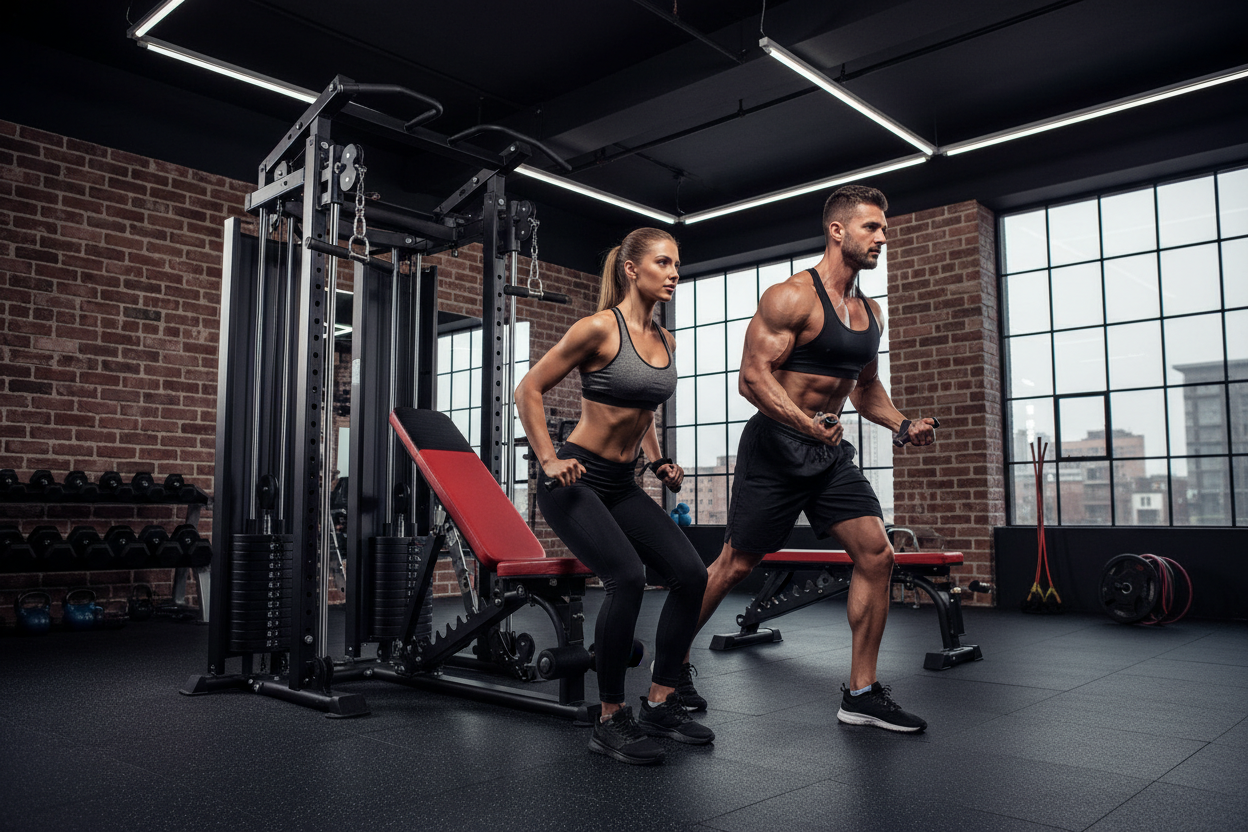
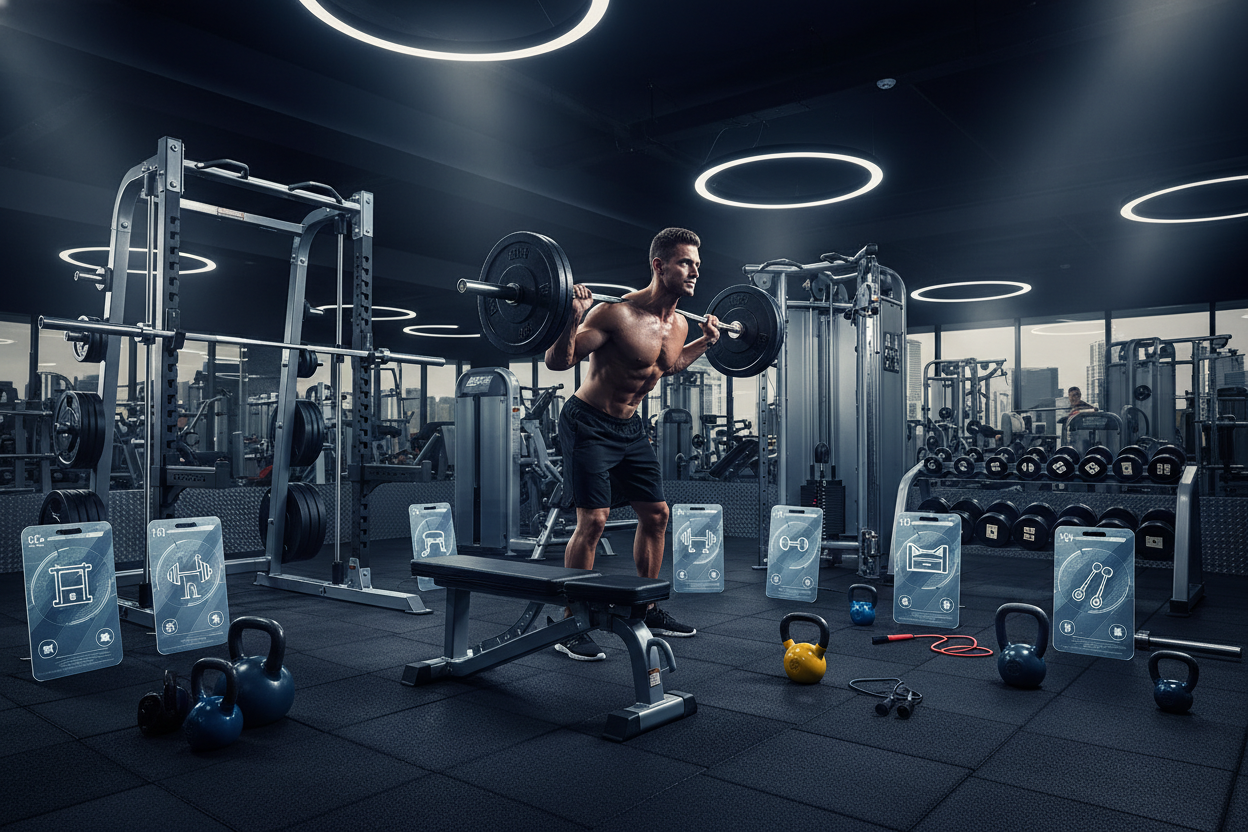
Walking into a modern fitness center often feels less like entering a place of wellness and more like stepping onto the bridge of a spaceship. You are surrounded by pulleys, levers, and iron, often without a clear instruction manual. If you have been frantically searching for a guide to gym equipment with name and pictures, you are not alone.
Understanding what these tools are—and more importantly, the biomechanics behind why we use them—is the difference between a wasted hour and a transformative workout. This guide cuts through the confusion to help you identify and master the gym floor.
Key Takeaways: Equipment Categories
Before analyzing specific machines, you need to understand the four main zones of a commercial gym. Here is the breakdown for quick identification:
- Cardio Machines: Designed for heart rate elevation (Treadmills, Rowers, Ellipticals).
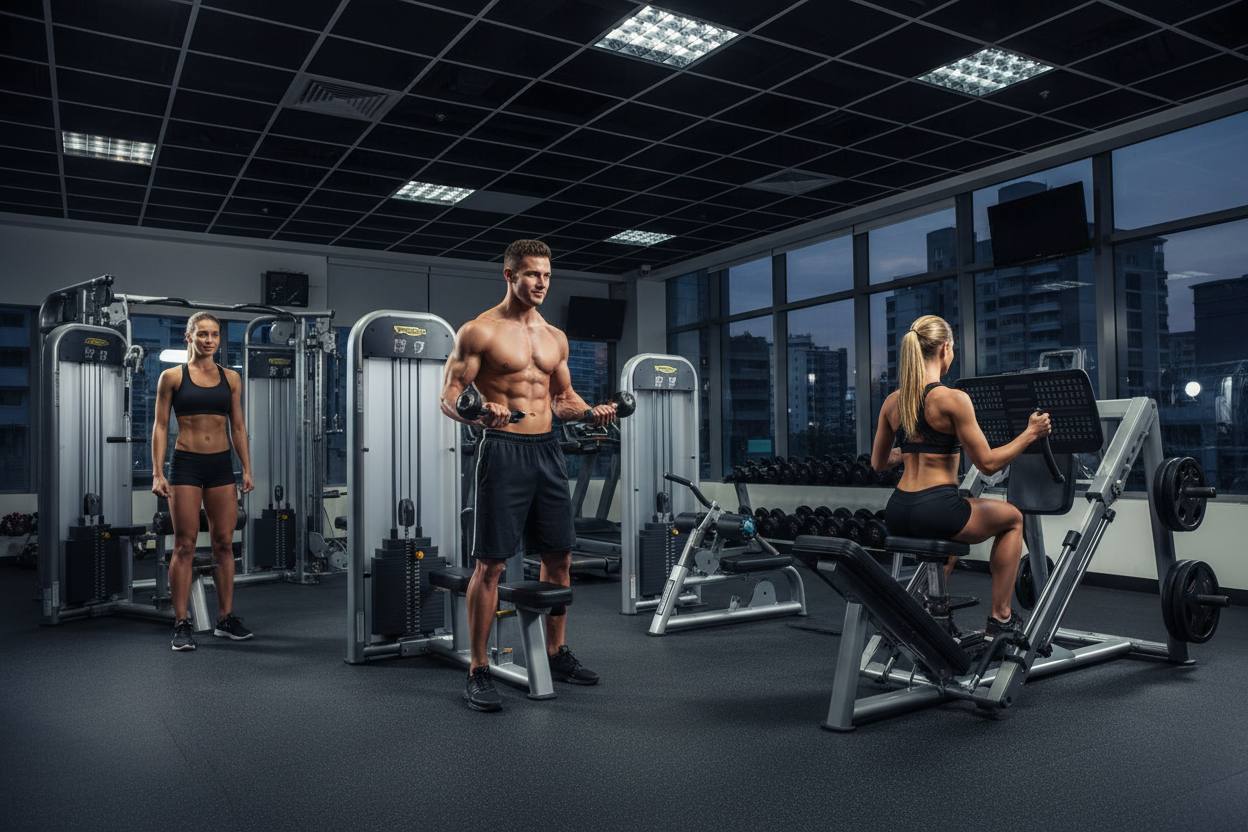
- Selectorized Machines: Pin-loaded equipment with a fixed range of motion, ideal for beginners (Chest Press, Leg Extension).
- Free Weights: Gravity-based resistance requiring stabilization (Dumbbells, Barbells, Kettlebells).
- Cable Systems: Adjustable pulley towers allowing for constant tension in any direction.
The Cardio Zone: More Than Just Running
Most gym layouts start here. While these are easy to identify, using them for specific outcomes requires nuance.
The Treadmill
Everyone knows this conveyor belt. However, the key feature isn't just the speed; it is the incline. Walking at a steep incline recruits the posterior chain (glutes and hamstrings) without the high impact of sprinting on pavement.
The Rowing Machine (Ergometer)
Often neglected, this machine provides a full-body workout. The sliding seat and handle chain mimic water resistance. The common error here is pulling with the arms before driving with the legs. Think "Legs, Core, Arms" on the way out, and reverse it on the way in.
Selectorized Strength: Identifying Gym Machines
When looking for gym machines names and pictures, this is usually the category people find most confusing. These machines have weight stacks and a pin to select resistance.
The Lat Pulldown
Visual ID: A tall machine with a seat, knee pads, and a long bar hanging from a cable above.
The Science: This mimics a pull-up. It targets the Latissimus Dorsi (back muscles). The knee pads are crucial; they act as an anchor so you don't lift off the seat when pulling heavy loads. Avoid pulling the bar behind your neck, as this puts unnecessary torque on the rotator cuff.
The Leg Press
Visual ID: A sled set at a 45-degree angle (or horizontal) with a large platform for your feet.
The Science: This allows you to load heavy weight onto the legs without compressing the spine, which often happens during barbell squats. Foot placement matters here: placing feet higher on the platform targets the glutes, while lower placement emphasizes the quadriceps.
The Chest Press Machine
Visual ID: A seated machine with two handles at chest height that you push outward.
The Science: This isolates the pectorals and triceps. Unlike a bench press, the machine stabilizes the path of motion for you. This makes it safer for training to failure without a spotter.
The Free Weight Section
This area usually has racks of dumbbells and barbells. It requires more skill because you must stabilize the weight yourself.
The Smith Machine
Visual ID: A barbell fixed within steel rails allowing only vertical movement.
The Science: Often confused with a standard squat rack, the Smith Machine removes the need for balance. It is excellent for muscle isolation but less effective for functional strength since the fixed path doesn't match the body's natural, slightly curved lifting arc.
The Cable Crossover (Functional Trainer)
Visual ID: A wide frame with two adjustable pulley stacks on opposite sides.
The Science: Cables provide "constant tension." Unlike dumbbells, where tension drops at the top of a movement (due to gravity), cables pull against you throughout the entire rep range. This is superior for muscle hypertrophy (growth).
My Training Log: Real Talk
I have spent over a decade in weight rooms, but I still remember my first month vividly. I walked up to a "Hack Squat" machine thinking it was a Leg Press. I loaded it up, unlatched the safety handles, and immediately got pinned at the bottom because I didn't understand the leverage difference.
But the thing that sticks with me isn't just the mechanics; it's the sensory details of the equipment. There is a specific, gritty texture to the knurling (the rough metal grip) on a high-quality barbell that tears up your shins if you don't deadlift correctly. Or the feeling of a vinyl bench pad that has become slippery from humidity, making it impossible to keep your shoulder blades retracted during a press.
Learning the names is step one. But learning how the machine feels—where the cam rotates or where the resistance curve drops off—is where the real progress happens. Don't be afraid to sit on a machine, feel the wobble, and adjust the seat height three times until it clicks. We have all been there.
Conclusion
Mastering the gym floor isn't about memorizing a catalog. It is about recognizing patterns. Once you understand that most equipment falls into pushing, pulling, or squatting movements, the intimidation fades. Use this guide to identify the tools, but trust your body to master the movement.
Frequently Asked Questions
What is the best machine for a complete beginner?
The Goblet Squat (using a dumbbell) or the Leg Press are ideal starting points. They build foundational leg strength without requiring complex spinal stabilization, allowing you to focus on muscle engagement safely.
Are machines safer than free weights?
Generally, yes, machines are safer for beginners because they dictate the path of motion. However, relying solely on machines can lead to weaker stabilizer muscles, potentially increasing injury risk during real-world activities.
How do I know if a machine is adjusted correctly?
The pivot point of the machine (usually marked with a red dot or sticker) should align with your body's joint. For example, on a leg extension, the machine's pivot point should be directly in line with your knee joint.