Gym Equipment Type Guide: Build Your Perfect Home Setup
Building a home gym should feel exciting, but for many, it quickly becomes an overwhelming puzzle. If you are dealing with limited space, a strict budget, or simply a lack of clarity on what gear actually drives results, you are not alone. Choosing the right gym equipment type is the crucial first step to avoiding a basement full of expensive, unused laundry racks.
This guide cuts through the marketing noise to help you understand exactly which type of workout equipment aligns with your specific training goals, floor plan, and budget.
Key Takeaways
- Assess your space first: Free weights require significantly less footprint than bulky workout machine types.
- Match gear to goals: Prioritize types of weight lifting equipment for foundational strength, and functional trainers for bodybuilding.
- Skip the single-use items: Invest in versatile equipments in gym setups that allow for progressive overload across multiple movements.
- Commercial vs. Home grade: Understand the gauge steel and weight capacities before buying to ensure long-term durability.
Understanding the Core Categories
When you look at the types of equipment in gym facilities, they generally fall into three main buckets: free weights, cable or plate-loaded machines, and cardio conditioning gear. Knowing how to categorize these will save you thousands of dollars and precious square footage.
Free Weights and Racks
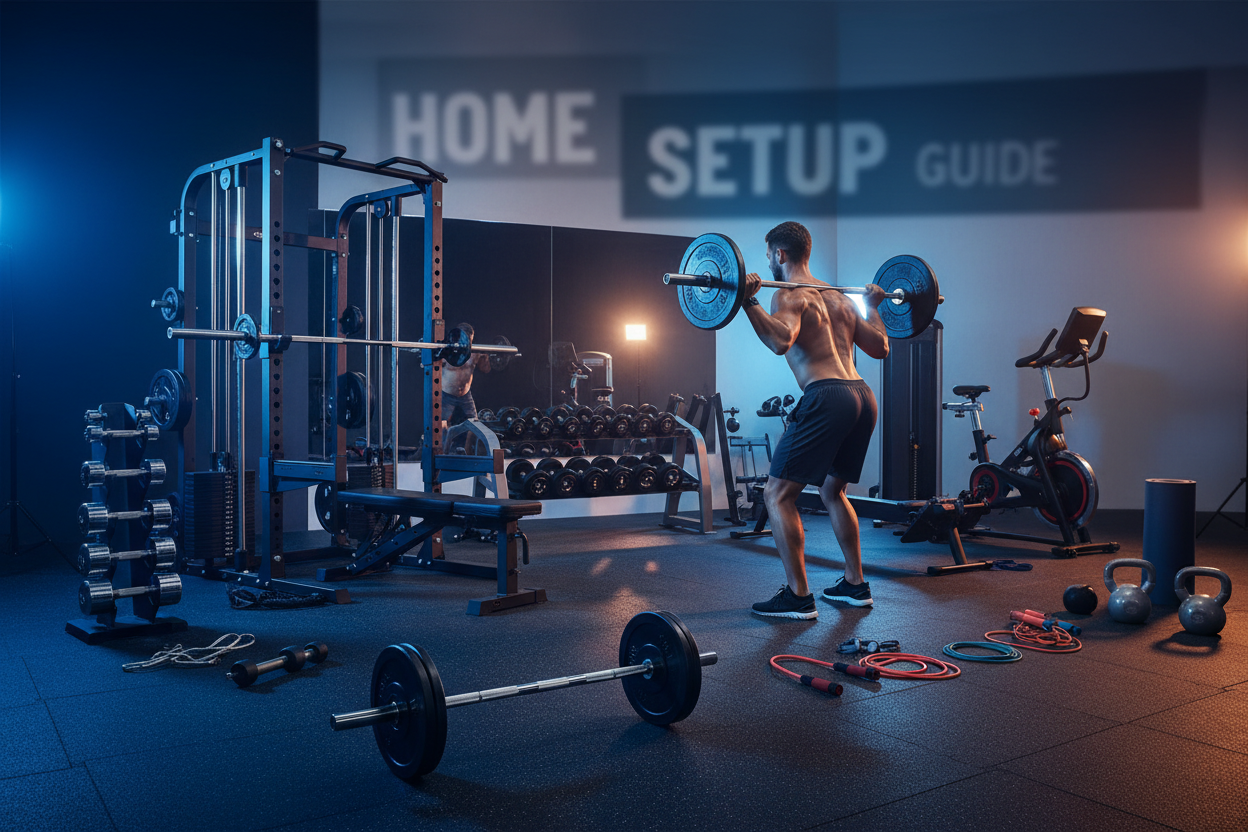
If you want maximum return on investment, focusing on types of weight equipment like barbells, dumbbells, and kettlebells is your best bet. Paired with a solid power rack or squat stand, this different type of gym equipment allows for compound movements that build foundational strength. For North American garage gyms, a 3x3-inch 11-gauge steel power rack is the gold standard.
Machines and Cables
While free weights are essential, different types of gym machines offer incredible value for isolation work and injury rehab. Functional trainers, leg presses, and lat pulldowns are popular workout machine types. However, they demand significant floor space. If you are outfitting a spare bedroom, consider a plate-loaded pulley system that attaches directly to your power rack instead of buying standalone machines.
Space Planning for Your Home Setup
The types of exercise equipment at gyms are designed for massive commercial warehouses, not a standard 12x12 foot spare room. Space planning is arguably more important than the gear itself.
Garage Gyms vs. Spare Bedrooms
In a standard two-car garage, you can comfortably house different kinds of gym equipment, including a full power rack, a deadlift platform, and a cardio piece. In a basement or apartment, ceiling height is your biggest enemy. Always measure your overhead clearance—especially if you plan on doing standing overhead presses. You might need a short-rack or specialized types of gym equipment designed specifically for low ceilings.
From Our Gym: Honest Take
Over the last decade of outfitting spaces, I have tested nearly every piece of gear imaginable. The biggest mistake I see? People trying to replicate commercial setups by cramming massive, single-station machines into their homes. I made this exact error early on, buying a massive leg extension and curl combo machine that ate up a quarter of my garage.
The reality hit me when I realized my chalked-up barbell and a simple flat bench were seeing 90% of the daily use. The aggressive knurling on a quality barbell and the versatility of adjustable dumbbells provide way more value per square foot. While having various equipments in gym environments is nice, at home, versatility is king. I ended up selling the bulky machine and replacing it with a rack-mounted cable pulley—saving space and expanding my exercise selection tenfold without sacrificing durability.
Frequently Asked Questions
What types of gym equipment are best for beginners?
Beginners should start with versatile, fundamental pieces. Adjustable dumbbells, a high-quality flat or adjustable bench, and resistance bands are the best entry-level investments before committing to larger footprint items like power racks.
How do I choose between free weights and machines?
It depends entirely on your goals and space. Free weights build stabilizer muscles and require less room. Machines are excellent for isolating muscles safely but take up significantly more floor space and budget.
Is commercial-grade equipment necessary for a home gym?
Not always. While commercial gear offers ultimate durability, many high-end home gym brands now produce heavy-duty gear that easily withstands a lifetime of heavy lifting without the massive commercial price tag.