Gym Equipment Surplus: Stop Overpaying for Home Gym Gear
Outfitting a home gym in North America is an investment that can quickly spiral out of control. Between heavy-duty power racks, cast-iron plates, and reliable cardio machines, the costs add up fast. If budget constraints are keeping you from achieving your ideal garage or basement setup, tapping into a gym equipment surplus might be the exact strategy you need to break through that financial plateau.
A surplus sale happens when commercial facilities upgrade their gear, close down, or liquidate inventory. For the savvy home gym owner, this is a goldmine. However, navigating the secondary market requires a sharp eye. This guide will walk you through how to source, inspect, and integrate commercial-grade surplus gear into your home setup without inheriting someone else's broken equipment.
Key Takeaways
- Massive Cost Savings: You can typically acquire commercial-grade gear for 40% to 70% off retail prices.
- Commercial vs. Residential: Surplus items are usually built for 24/7 commercial use, offering unmatched durability for a home setting.
- Inspection is Crucial: Moving parts like cables, bearings, and belts require close examination before purchase.
- Space Planning: Commercial machines have larger footprints; measure your ceiling height and floor space meticulously.
Navigating a Gym Surplus Store
When you walk into a gym surplus store or browse a liquidation website, you are usually looking at gear that has seen significant foot traffic. Understanding the origin of the equipment helps set your expectations.
The Source of the Surplus
Most surplus fitness equipment comes from health clubs, hotel gyms, or university recreation centers. Because these facilities cycle out their gear every three to five years to keep their floors looking modern, you can often find machines with plenty of life left in them. Your goal is to find the heavy-duty structural pieces—like squat racks, benches, and dumbbells—that virtually never expire.
Inspecting Surplus Exercise Equipment
Not all deals are good deals. Knowing what to look for separates a bargain from a money pit.
Wear and Tear to Watch Out For
When evaluating surplus exercise equipment, divide your inspection into two categories: structural and mechanical. Structurally, check for deep rust on the frame, compromised welds, or bent steel. A little surface rust on powder-coated 11-gauge steel is fine and easily fixed, but structural bends are a dealbreaker. Mechanically, inspect the bearings in barbells, the belts on treadmills, and the cables on functional trainers. Upholstery tears on benches are common and relatively cheap to fix, so use them as a bargaining chip rather than a reason to walk away.
Space Planning for Commercial Gear
One of the biggest mistakes home gym owners make is underestimating the sheer size of commercial surplus gear.
Fitting the Gear in Your Home
Commercial treadmills and ellipticals are significantly longer and wider than their residential counterparts. Furthermore, commercial power racks often stand over 90 inches tall. If you are building a basement gym, you must measure your floor-to-joist clearance. Always leave at least 24 inches of clearance around moving parts and rack uprights to ensure safe loading and unloading of plates.
From Our Gym: Honest Take
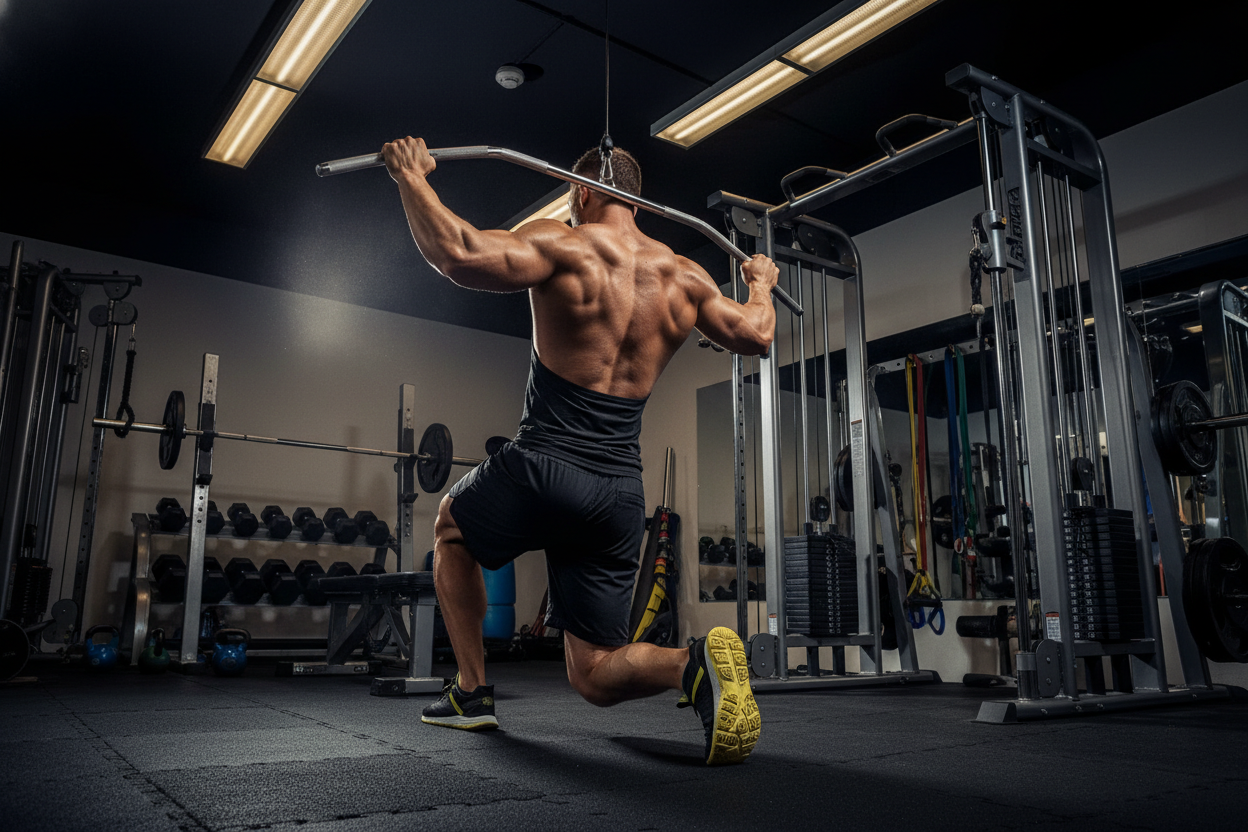
I remember outfitting my first two-car garage gym a few years ago. I decided to buy a commercial functional trainer from a local surplus gym liquidation. The 11-gauge steel frame was absolutely bombproof, but I made a rookie mistake: I didn't thoroughly check the cable pulleys under tension. Once I got it home and loaded the weight stacks, the drag was terrible. I had to spend an extra $150 and an afternoon replacing the worn-out nylon pulleys and frayed cables.
The lesson? Always inspect the moving parts under load. Even with the repair cost and the hassle of moving a 600-pound machine, I still saved over $2,000 compared to buying new. Commercial gear is built to be serviced, so as long as the frame and weight stacks are solid, minor repairs are usually worth the massive discount.
Frequently Asked Questions
Is surplus fitness equipment safe to use?
Yes, provided you inspect it properly. Commercial equipment is over-engineered to withstand thousands of hours of use. As long as the welds are intact and moving cables or belts are not frayed, it is generally much safer and sturdier than cheap, entry-level residential gear.
How much can I save at a gym surplus store?
Savings vary based on the brand, condition, and age of the equipment, but you can generally expect to pay 30 to 60 cents on the dollar compared to buying brand new. High-end brands like Life Fitness or Hammer Strength hold their value better but still offer steep discounts used.
Will commercial surplus gear fit in a standard garage gym?
It depends on the piece. Dumbbells, plates, and standard benches fit easily. However, commercial cardio machines and cable crossovers require significant floor space and high ceilings. Always bring a tape measure to the surplus sale and know your room's exact dimensions.