Good Morning vs Hip Thrust: Which Is the Better Glute Builder?
I spent years thinking heavy squats were the only way to build a posterior chain until my lower back started screaming at me every Tuesday morning. I've spent the last decade in my garage trying to figure out how to hammer the glutes and hamstrings without feeling like I'm one rep away from a disc herniation. The good morning vs hip thrust debate isn't just about which exercise looks cooler; it's about which one actually delivers results when you're training in a cramped space with limited gear and even more limited recovery time.
Quick Takeaways
- Good mornings load the hamstrings and glutes in a deep stretch, making them excellent for muscle damage and 'athletic' carryover.
- Hip thrusts maximize tension at the top of the movement, offering the best isolation for pure glute hypertrophy.
- The good morning is much faster to set up in a home gym but carries a higher risk if your form breaks down.
- Hip thrusts allow for significantly more weight but require more floor space and specialized gear for comfort.
The Core Difference Between a Hinge and a Thrust
A good morning is a pure hinge. You're loading the hamstrings and glutes in a deep, stretched position. When you hinge forward with a bar on your back, the lever arm is massive. This creates a huge amount of tension on the entire posterior chain, specifically the hamstrings and the spinal erectors. It’s a 'lengthened' movement, which the latest science suggests is a major driver for muscle growth. You aren't just hitting glutes; you're building a back that looks like a Christmas tree.
The hip thrust is the polar opposite. It’s all about the 'shortened' position. You get almost zero tension at the bottom of the rep, but as you drive your hips toward the ceiling, the glutes are forced to work at their maximum capacity. This is pure isolation. If you want to walk around with a 'shelf' on your backside, the thrust focuses on the muscle you actually want to grow without the hamstrings stealing the show. One is a full-body posterior demand; the other is a targeted glute strike.
Why the Good Morning Terrifies Most Lifters (And Shouldn't)
People see a guy doing good mornings in the rack and think he's got a death wish. I get it. Having a 225-lb barbell on your upper traps while you lean forward until your torso is parallel to the floor feels sketchy. It puts a lot of shear force on the lumbar spine. If you go into a good morning with a rounded back or a weak core, you're asking for a trip to the physical therapist. But that fear is often misplaced. When done with a slight knee bend and a rock-solid brace, the good morning is the ultimate tool for building a bulletproof lower back.
Contrast that with the hip thrust. Since you're already on the floor and the weight is resting directly over your center of gravity, the perceived risk is much lower. You don't have to worry about the bar crushing you if you fail a rep; you just drop your butt back to the mat. This 'floor-based' safety allows you to push closer to failure without the mental baggage of a potential spinal injury. For the home gym owner training alone, that peace of mind is worth its weight in iron.
The Annoying Reality of Heavy Glute Setup
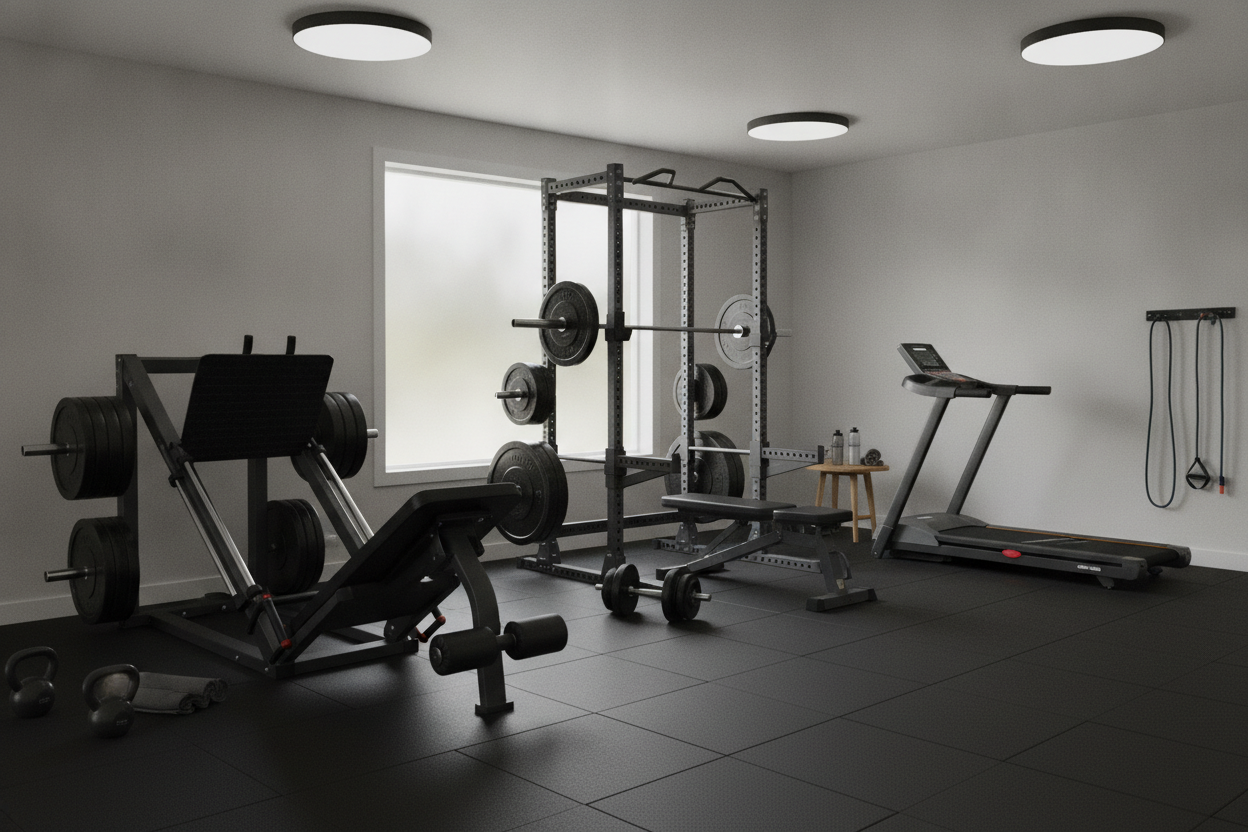
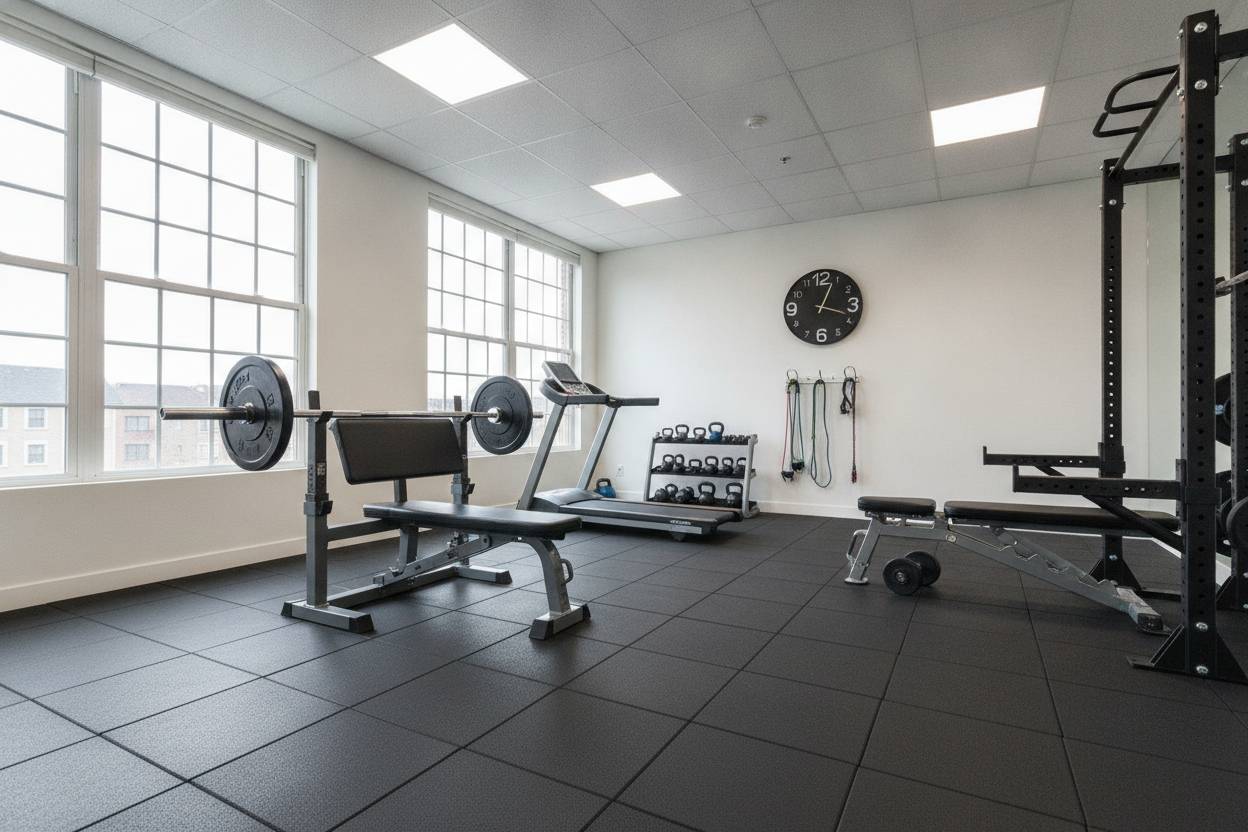
Let's talk logistics. In a home gym, friction is the enemy of consistency. If an exercise takes ten minutes to set up, you're eventually going to stop doing it. The good morning is a winner here. You walk to your power rack, set the bar to shoulder height, and you're ready to go. No extra footprint, no extra fluff. It fits perfectly into a 6x8 ft corner without any drama.
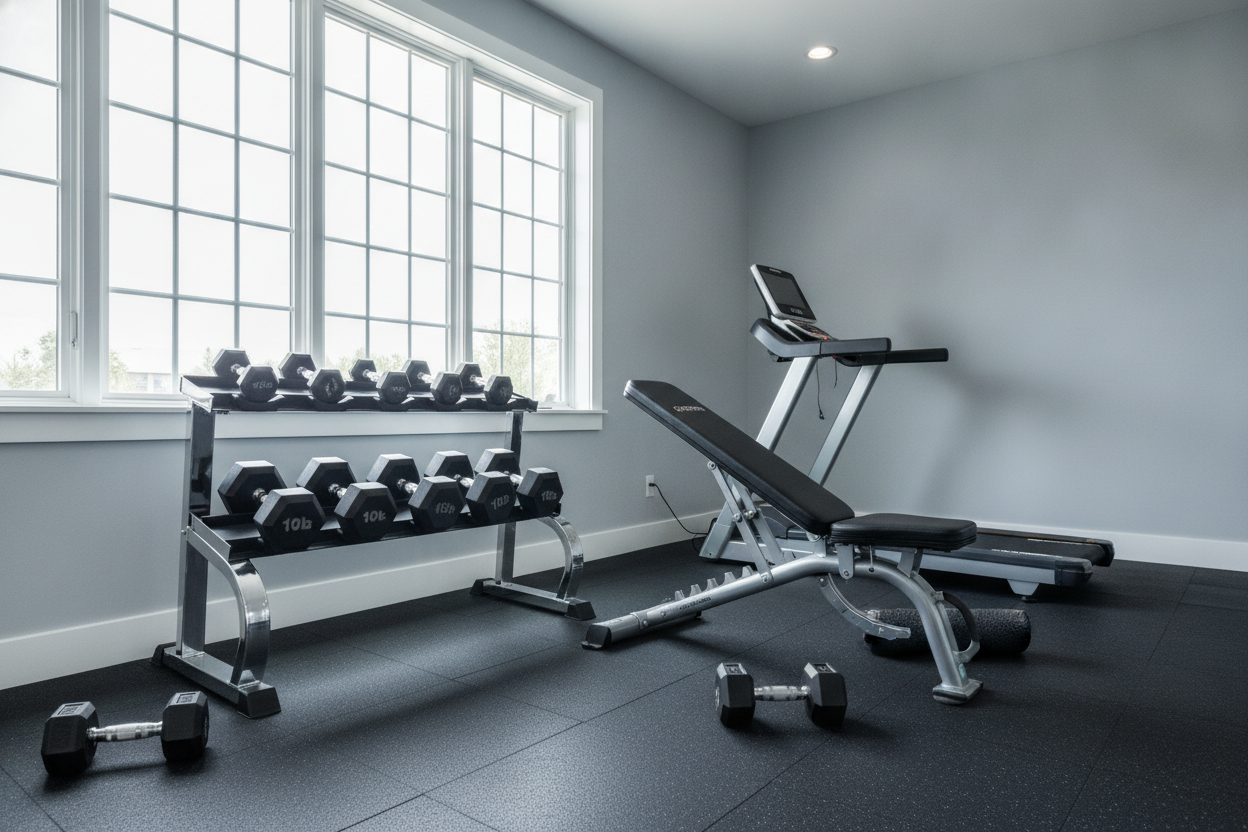
Hip thrusts, on the other hand, are a logistical nightmare. You have to drag your bench away from the wall, find a barbell pad so you don't bruise your pelvis, and then wrestle a loaded bar over your legs while sitting on the floor. If your bench isn't bolted down, it’s going to slide backward the moment you apply force. Swapping a wobbly flat bench for a dedicated hip thrust bench completely eliminates the setup frustration and sliding. It gives you a stable back pivot point that doesn't move, which is the only way to actually enjoy this movement in a garage setting.
Hip Thrust vs Good Morning: Which Actually Wins for Hypertrophy?
When we look at hip thrust vs good morning for pure size, the thrust usually wins on volume alone. Because the range of motion is shorter and the spinal loading is lower, you can move a ridiculous amount of weight. Most lifters will quickly find that a good hip thrust weight is often double or even triple what they can safely manage on a good morning. More weight plus more reps usually equals more growth.
However, the good morning is superior for 'functional' strength. It carries over directly to your deadlift and your ability to stay upright under a heavy squat. If you only have time for one movement and you want to be a better all-around athlete, the good morning is my pick. But if your goal is strictly aesthetic—if you're training for a bodybuilding show or just want your jeans to fit better—the hip thrust is the undisputed king. You can hammer the glutes with high frequency because they don't tax your central nervous system as hard as a heavy barbell hinge does.
How to Program Both Without Destroying Your Lower Back
Don't try to be a hero and max out both of these on the same day. Your spinal erectors will give up long before your glutes do. My preferred method is to treat them as two different tools. On your heavy 'strength' day, lead with good mornings. Keep the reps in the 6-10 range and focus on the deep stretch. This primes your posterior chain and builds that foundational 'hinge' strength that every lifter needs.
On your 'accessory' or 'glute-focused' day, go for the thrust. This is where you can get creative. I often recommend a hip thrust with a band as a secondary, spine-friendly burnout movement. Using a band adds ascending resistance, meaning the rep gets harder right at the top where the glutes are most active. It’s a great way to get a massive pump without having to load five plates on each side of the bar, saving your floor and your ego at the same time.
Personal Experience: My Biggest Mistake
I remember the first time I tried to max out a good morning. I didn't have my safety straps set up in my rack because I thought I was 'too advanced' for them. I hit the bottom of the rep, my hamstrings cramped, and I realized I couldn't stand back up. I had to do a very ungraceful 'dump' of the bar over my head, nearly taking out my water heater in the process. I learned two things that day: always use your safeties, and never treat a good morning like a 1-rep max attempt. It is a volume movement, not a powerlifting total builder. Respect the hinge, or it will bite you.
FAQ
Can I do good mornings with a dumbbell?
You can, but it's awkward. Holding a heavy dumbbell at your chest (Goblet style) shifts the weight forward, making it more of a core exercise than a posterior chain builder. If you don't have a bar, try a Romanian Deadlift instead.
Are hip thrusts better than squats for glutes?
Yes. Squats are a quad-dominant movement for most people. While the glutes are involved, the hip thrust isolates them far more effectively because the knees aren't the primary pivot point.
Do I need a specialized bar for good mornings?
A standard barbell works fine, but a Safety Squat Bar (SSB) is a game-changer. The handles allow you to maintain better upper back tension and take the strain off your shoulders, which makes the movement much more comfortable.