Gluteal Amnesia Exercises: Easy Home Fix
When your hip muscles stop firing properly during everyday movement, you might find that simple activities leave you feeling stiff, tight, or fatigued. Practicing targeted gluteal amnesia exercises helps wake up inactive muscle fibers, restores natural hip mechanics, and prevents other muscle groups from taking on unnecessary strain. Often referred to colloquially as dead butt syndrome, this condition develops when the brain struggles to recruit the gluteal muscles effectively after hours of inactivity.
What Gluteal Amnesia Means for Daily Movement
Modern desk work often means hours of prolonged sitting, which keeps the hip flexors in a shortened, tight position throughout the day. When these anterior hip muscles remain chronically shortened, they send inhibitory signals that prevent the opposing gluteus maximus from engaging as it should. Over time, the neurological signal weakens, causing a breakdown in the mind-muscle connection that directs simple movement patterns.
Without active glute engagement, the body adapts by finding workarounds. This frequently leads to lower back compensation and excessive hamstring tension, as those areas attempt to generate the force required for standing, climbing stairs, and walking. By understanding how to fix gluteal amnesia, you can retrain your nervous system to prioritize your hips. Dedicated gluteal amnesia exercises rebuild pelvic stability, protect the spine, and rebalance the entire posterior chain so your body moves naturally again.
What are the best gluteal amnesia exercises for beginners?
The best gluteal amnesia exercises for beginners are low-threshold floor movements like glute bridges, clamshells, and the bird dog, which allow you to isolate the hips without loading the lower back. These isolated movements let you focus completely on sensation and control before you attempt loaded compound lifts.
Glute Bridges and Hip Thrusts for Gluteus Maximus Recruitment
Standard bodyweight glute bridges serve as the cornerstone of any hip re-education plan. Lie flat on your back with your knees bent and feet planted flat on the floor, about hip-width apart. Before lifting your hips, tuck your pelvis slightly to flatten your lower back and place your hands directly on your buttocks. As you press through your heels into full hip extension, deliberately squeeze the gluteus maximus at the top for a two-second pause. Performing high-repetition bridges or transitioning to elevated hip thrusts reinforces conscious control and prevents lower back compensation.
Clamshells with a Resistance Band for Gluteus Medius
While the primary hip extensors handle forward drive, the gluteus medius stabilizes the pelvis and controls lateral hip alignment. Lie on your side with your knees bent at a ninety-degree angle and your heels stacked together. Slowly rotate your top knee upward while keeping your feet touching and your pelvis completely still. Adding a light loop resistance band just above your knees increases recruitment, making side-lying clamshells one of the most reliable gluteal amnesia exercises for targeting hip abductor stability.
Bird Dog and Quadruped Position Hip Extension
Starting in a stable quadruped position on all fours allows you to challenge core control alongside hip activation. For a basic bird dog, extend one arm forward and the opposite leg straight backward, focusing on squeezing the hip without arching your spine. You can also perform bent-knee quadruped kicks to isolate direct hip extension. Performing these controlled gluteal amnesia exercises in a quadruped position trains the hips and core to coordinate together smoothly.
Glute Amnesia Fix: Structuring a Daily Activation Routine
A reliable glute amnesia fix requires regular neurological reinforcement rather than occasional, exhausting workouts. Because this issue stems from motor control rather than pure muscular weakness, performing a short daily activation routine keeps the neuromuscular pathways responsive throughout the workweek.
You can follow this simple five-minute sequence once or twice every day to establish a lasting glute amnesia fix:
- Glute bridges: Two sets of ten slow repetitions with a pause at the top.
- Banded clamshells: Two sets of twelve repetitions per side, focusing on slow descent.
- Bird dog holds: Two sets of eight repetitions per side with a two-second hold.
- Quadruped hip extensions: Two sets of ten pulses per leg.
If you want a structured progression to complement these movements, check our fix glute amnesia guide for step-by-step cueing variations. Sticking to consistent gluteal amnesia exercises ensures that your hips remain awake even during long periods of seated desk work.
How long does it take to fix glute amnesia with home exercises?
Learning how long does it take to fix glute amnesia typically depends on your daily consistency, but many people begin feeling better contraction within two to four weeks of daily activation drills. Consistent repetition allows the central nervous system to remap motor patterns, gradually making glute recruitment an automatic habit.
When asking how long does it take to fix glute amnesia, consider how often you interrupt prolonged sitting during the day. If you spend eight hours stationary without moving, a single set of gluteal amnesia exercises will have to work twice as hard to counteract that hip flexor stiffness. Taking brief standing breaks, doing standing hip squeezes, and pairing floor drills with a regular walking schedule helps speed up results. If you are also curious about overall muscular timelines, our long does take guide explains how consistent lower-body training changes muscle tone over several months.
Home Gym Setup and Floor Mat Support for Hip Drills
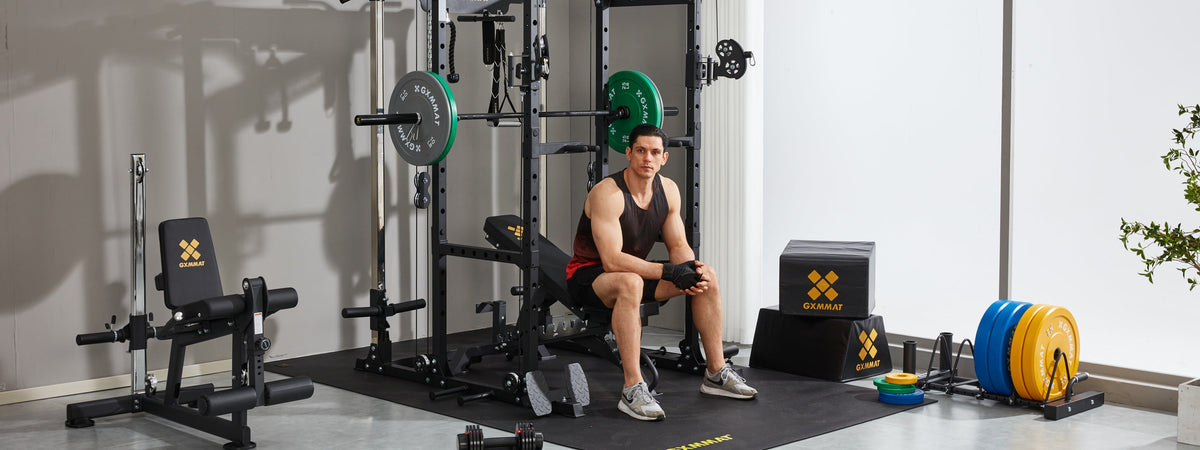
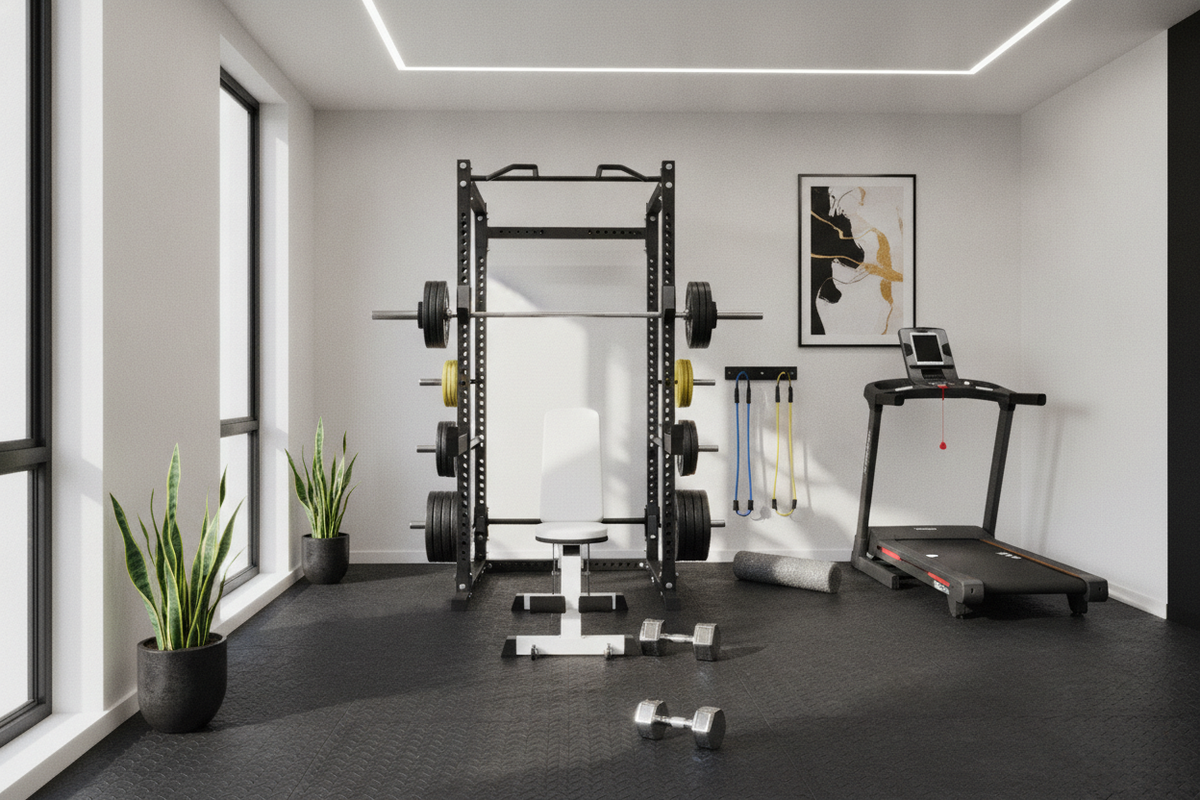
Floor drills demand consistent contact with hard surfaces, making your home gym setup an important consideration for comfortable training. Performing gluteal amnesia exercises on bare floors or thin padding can cause uncomfortable pressure on your knees, wrists, and hip bones, which distracts from developing a clean mind-muscle connection.
A high-density exercise mat provides necessary knee cushioning during bird dogs and quadruped leg kicks. Without proper support, your joints absorb excess floor pressure, causing you to shift weight awkwardly and lose optimal pelvic stability. Investing in dedicated non-slip gym flooring or a spacious high-density workout mat gives you the traction required to drive through your heels during glute bridges without sliding across the room.
In our own floor training routines, we notice that having a wide, supportive exercise mat removes joint distractions entirely, letting you focus fully on isolating the gluteus maximus and gluteus medius. A dependable surface creates a dedicated space where you can execute your daily activation routine comfortably every morning.
How to Fix Gluteal Amnesia During Standing Workouts
Once you master floor-based gluteal amnesia exercises, the next phase of your glute amnesia fix is transferring that activation into standing compound lifts. Knowing how to fix gluteal amnesia in upright movements prevents you from reverting to quad dominance or lower back strain when lifting heavier loads.
Before beginning squats, Romanian deadlifts, or lunges, warm up with light glute activation drills. Slip a light resistance band around your knees during bodyweight squats to force your hip abductors to engage, keeping your knees tracking properly over your toes. During deadlifts and Romanian deadlifts, emphasize horizontal hip extension rather than pulling upward with your spine. For more tips on maximizing hip recruitment during strength sessions, explore our does glute exercise guide.
Consistently pairing floor-based gluteal amnesia exercises with conscious standing mechanics provides a comprehensive solution for dormant hips. By protecting your joints with a reliable high-density workout mat and dedicating a few minutes each day to deliberate muscle contractions, you can restore balance to your posterior chain and move with confidence.