Functional Training Equipments: The Secret to Breaking Plateaus
Are you tired of feeling boxed in by bulky, single-purpose machines that take up half your garage but only work one isolated muscle group? You aren't alone. Many North American home gym owners eventually hit a plateau, realizing their setup doesn't support the dynamic, multi-planar movements required for real-world strength.
That is exactly where investing in high-quality functional training equipments changes the game. Whether you are looking to improve athletic performance, recover from an injury, or simply move better in daily life, this guide will help you navigate the noise, choose the right gear for your floor plan, and build a setup that actually gets used.
Key Takeaways
- Prioritize versatility: Look for gear that supports multiple movement patterns rather than single-joint isolations.
- Measure twice: Functional movements require more lateral and overhead clearance than static barbell lifts.
- Start small: You don't need a massive rig immediately; suspension trainers and kettlebells offer massive ROI.
- Focus on durability: Commercial-grade cables and heavy-duty powder coats prevent premature wear in humid garage environments.
Decoding the Functional Training System
Traditional weightlifting isolates muscles, but a true functional training system forces your body to work as an integrated unit. When you transition to functional fitness equipment, you are training movements, not just individual muscles.
Mimicking Real-Life Movement
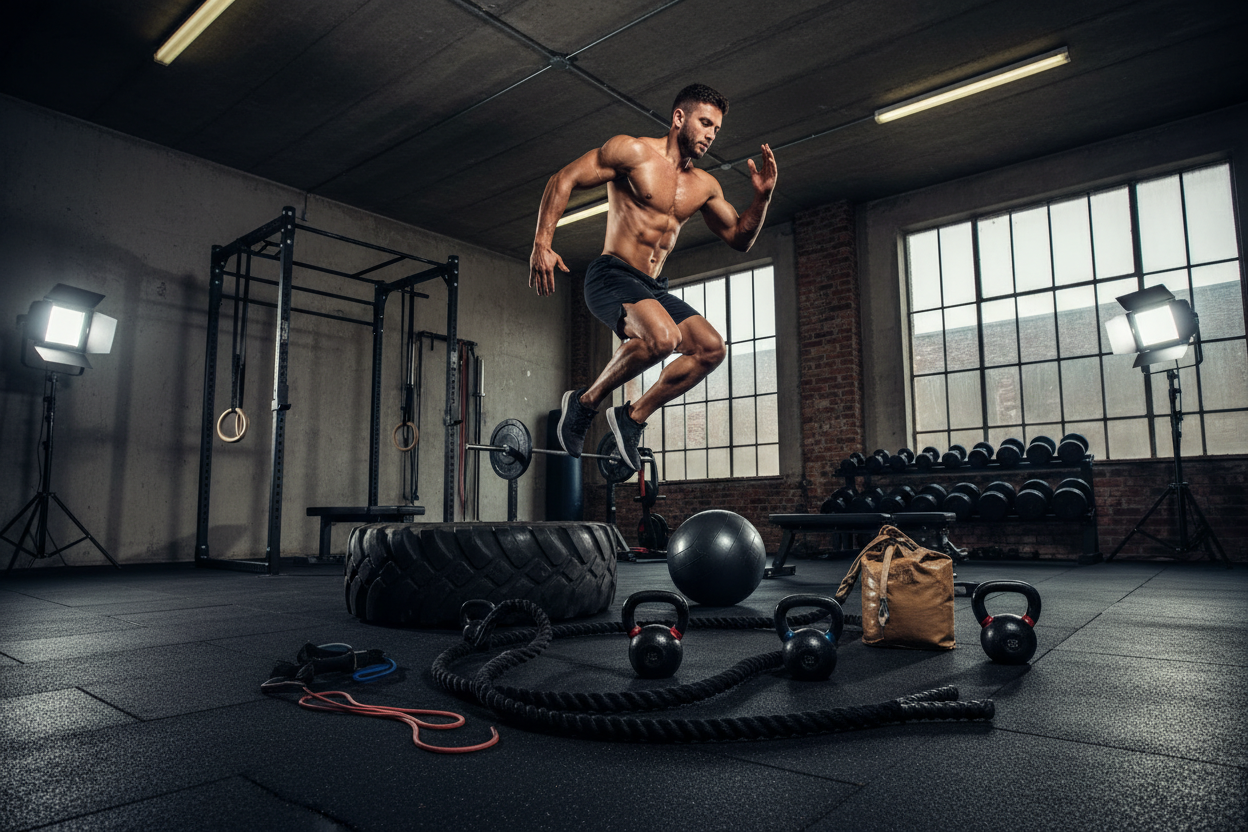
The core philosophy behind functional exercise equipment is crossover to daily life. Think about it: you rarely push a heavy object while lying perfectly flat on your back. You lift, twist, pull, and carry. Incorporating functional fitness gear like sandbags, adjustable kettlebells, and plyo boxes ensures your workouts translate to actual physical preparedness.
Space Planning for Functional Gym Equipment
One of the biggest mistakes buyers make is underestimating the footprint needed for functional equipment training. Unlike a standard bench press, dynamic movements require a functional halo of empty space.
Garage and Basement Considerations
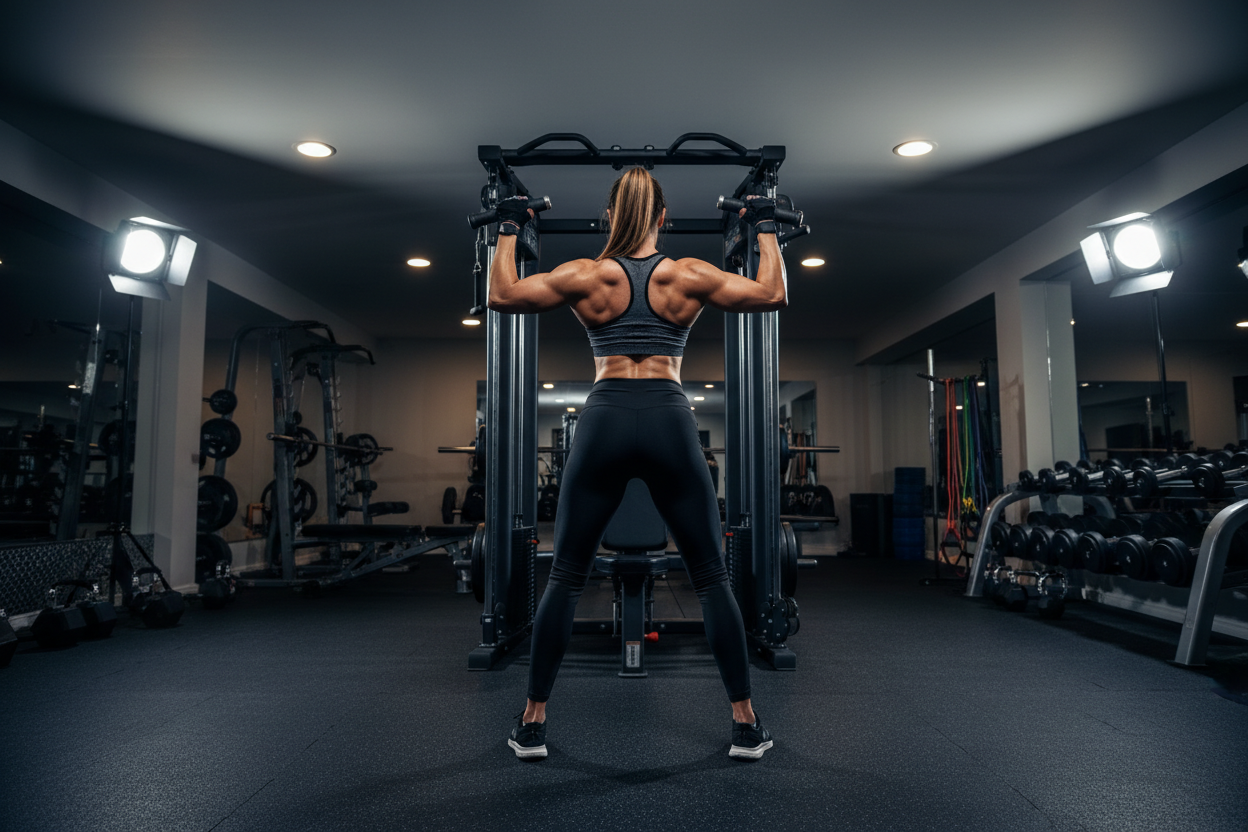
If you are setting up functional workout equipment in a standard two-car garage or a basement, vertical clearance is your first hurdle. Wall-mounted functional trainers or cable columns typically require at least 84 inches of ceiling height. Always leave a minimum of a 6-foot by 6-foot clear zone in front of any gym functional equipment to allow for lunges, swings, and rotational pulls.
Essential Functional Training Accessories
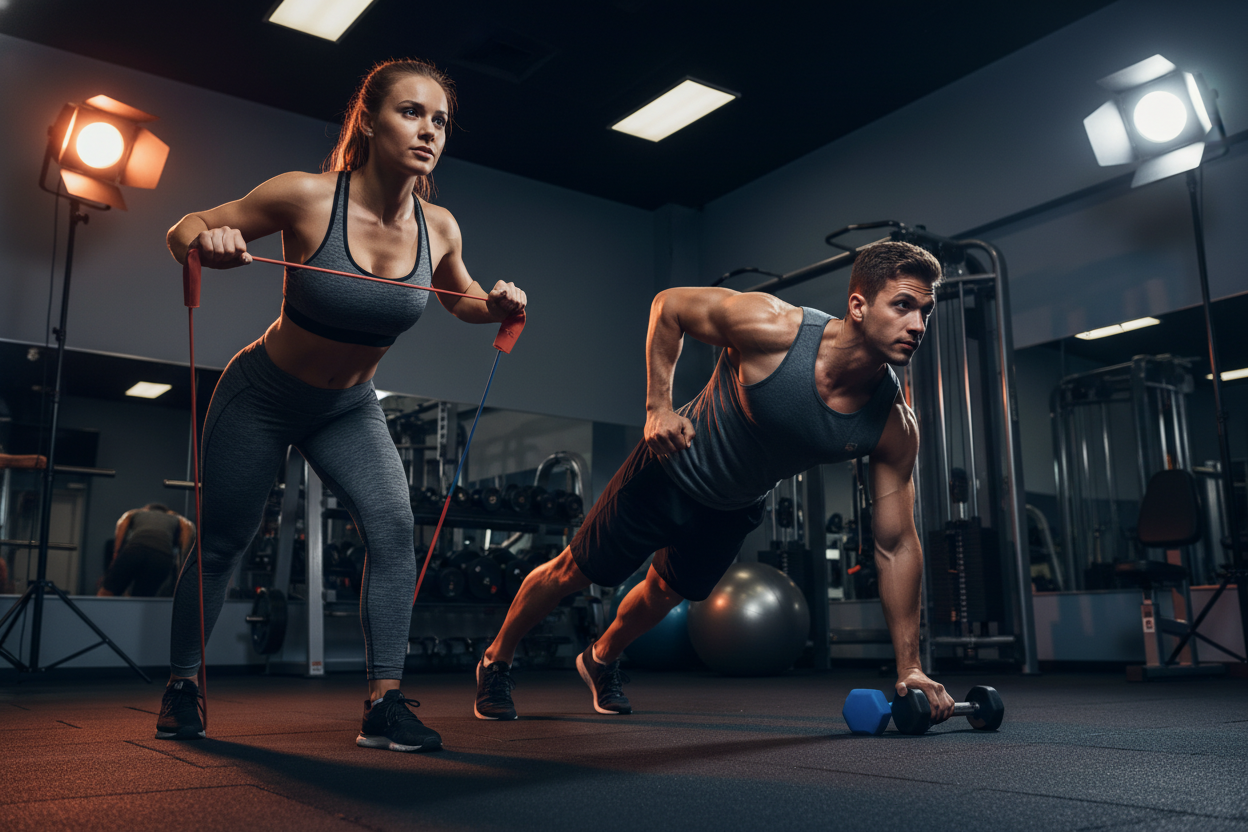
You do not need to buy everything at once. Start with high-yield functional training accessories. Suspension straps, resistance bands, and medicine balls require virtually zero storage space but offer hundreds of exercise variations. These smaller functional fitness products are the perfect gateway into dynamic training before committing to larger footprint machines.
Durability and Value: Making the Right Investment
When shopping for functional strength training equipment, the price-to-performance ratio varies wildly. Entry-level cable machines might look great online, but they often use nylon pulleys and unsealed bearings that drag and fray over time. If you are buying primary equipment for functional training, invest in aluminum pulleys, high-tensile aircraft cables, and 11-gauge steel frames. The upfront cost is higher, but it eliminates the headache of mid-workout equipment failures.
From Our Gym: Honest Take
We test a lot of functional equipment, and I have to be honest: not all of it lives up to the marketing hype. Last year, I installed a highly-rated, mid-tier functional trainer in my own garage gym. While the 2:1 cable ratio was buttery smooth for chest flyes, I immediately noticed the weight stacks maxed out at 160 lbs per side. As someone who incorporates heavy seated rows and lat pulldowns, I outgrew the resistance within six months.
Additionally, the powder coating on the included D-handles began chipping after just three weeks of sweaty workouts. My advice? If you are an intermediate to advanced lifter, spend the extra $400-$500 for a machine with 200+ lb weight stacks and upgrade your cable attachments immediately. The core machine is vital, but the touchpoints dictate your daily experience.
Frequently Asked Questions
Is functional fitness training equipment worth the investment for a home gym?
Absolutely. Because functional fitness training equipment is inherently versatile, a single piece (like a dual-cable cross or a set of adjustable dumbbells) can replace half a dozen single-use machines, ultimately saving you money and valuable floor space.
How much space do I need for functional training equipment?
For large items like a functional trainer, expect the machine to take up about 5x5 feet, but you will need an additional 6x6 feet of active working space in front of it. Smaller functional fitness equipment only requires enough room for your body to move freely in all directions.
What is the best piece of functional gym equipment for beginners?
Suspension trainers and adjustable kettlebells are the undisputed champions for beginners. They are cost-effective, easily storable, and allow you to master foundational movement patterns before investing in heavy-duty functional gym equipment.