Full Body Resistance Exercises: Maximize Your Home Gym Gains
If you are juggling a busy schedule and a cramped basement gym, splitting your workouts into five different body parts isn't just exhausting—it's inefficient. You need a streamlined approach. Mastering full body resistance exercises is the ultimate cheat code for building strength, burning fat, and maximizing the equipment you already own.
Whether you are outfitting a new garage gym or trying to get more out of a dusty set of dumbbells, this guide will show you exactly how to program your workouts and select the right gear to make every session count.
Key Takeaways
- Focus on compound movements (squats, presses, rows) to maximize muscle engagement in minimal time.
- You don't need a massive commercial setup; a quality power rack, barbell, and adjustable bench cover 90% of your needs.
- Space-saving alternatives like heavy-duty resistance bands and adjustable dumbbells are perfect for apartment setups.
- Proper programming requires balancing push, pull, and leg movements in every full body resistance training session.
- Rest and recovery are critical; aim for 3 to 4 total body sessions per week to avoid central nervous system fatigue.
Equipping Your Space for Total Body Resistance Training
To execute effective full body resistance training exercises, your home gym needs versatile, durable equipment. You don't need single-use machines; you need tools that allow for heavy, compound movements.
The Garage Gym Essentials
If you have the footprint (at least 8x8 feet of floor space), a power rack is your cornerstone. Paired with a standard 45-pound Olympic barbell and bumper plates, a rack allows you to safely perform heavy squats, bench presses, and overhead presses. When shopping for a rack, look for 11-gauge steel and a weight capacity of at least 1,000 pounds to ensure it grows with your strength levels.
Space-Saving Apartment Solutions
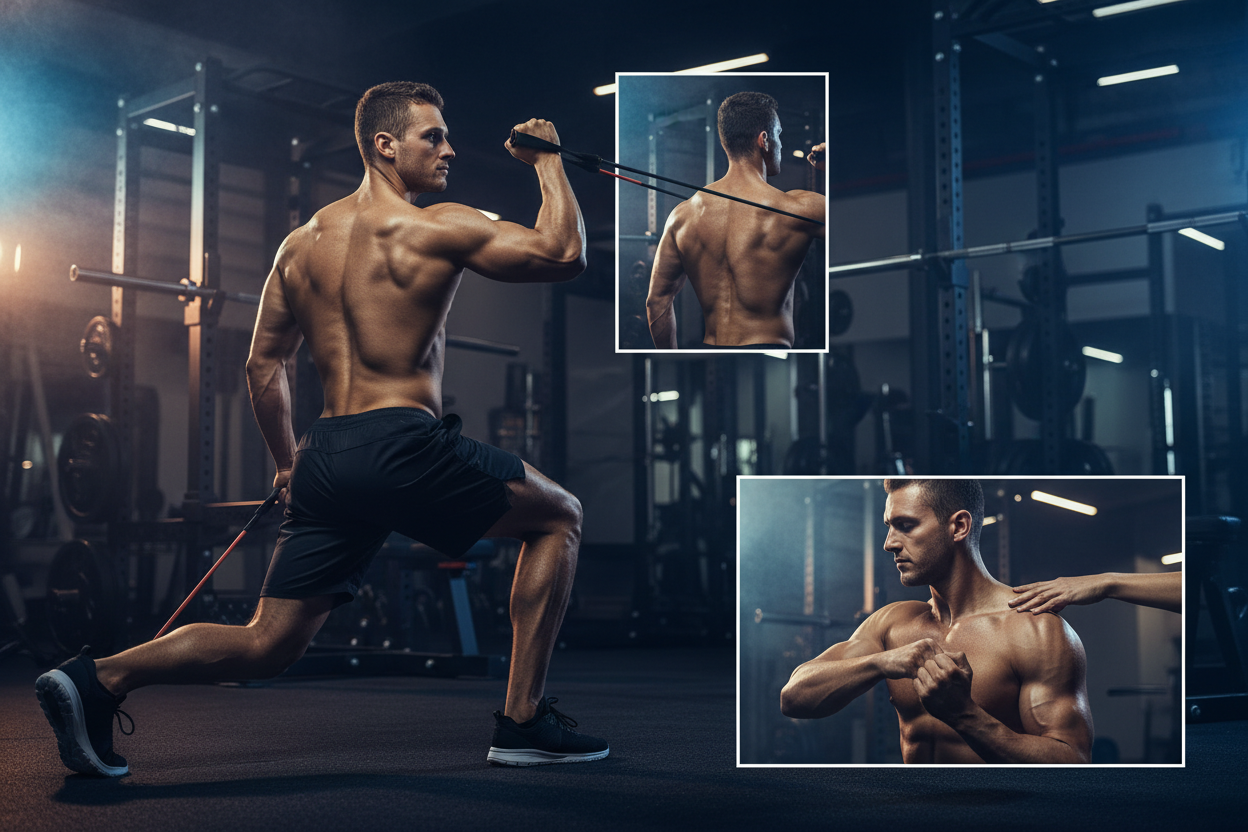
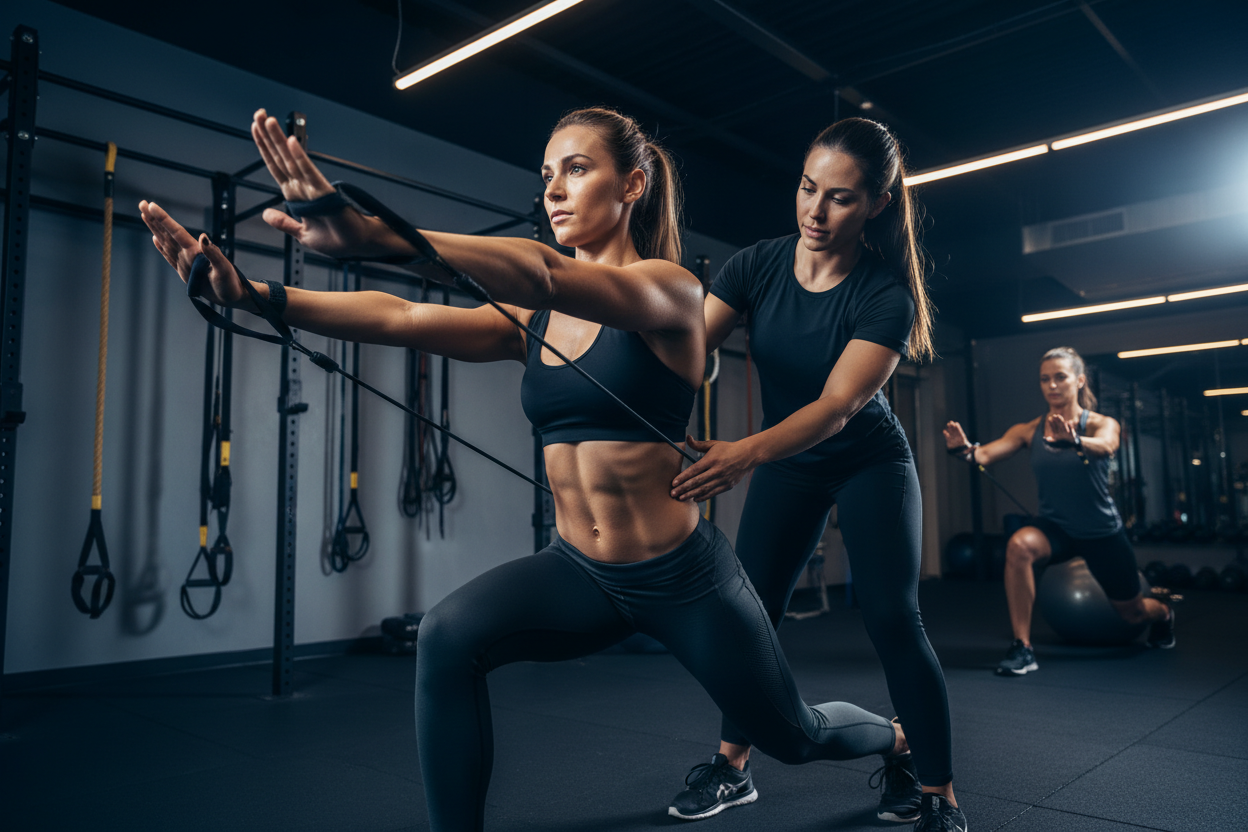
Not everyone has a garage. If you are working with a 6x6 foot bedroom corner, adjustable dumbbells and loop resistance bands are your best friends. High-quality adjustable dumbbells can replace an entire rack of weights, allowing you to seamlessly transition between goblet squats and overhead presses. Incorporating heavy bands adds accommodating resistance, which is perfect for maximizing tension during a full body resistance workout.
Structuring the Perfect Full Body Resistance Workout
Having the right gear is only half the battle. Knowing how to program a full body resistance training workout is what actually drives results. The secret is focusing on fundamental movement patterns rather than isolating individual muscles.
Balancing Movement Patterns
A well-rounded routine should include a squat (e.g., barbell back squats), a hinge (e.g., deadlifts or kettlebell swings), a horizontal push (bench press), a horizontal pull (barbell rows), and a vertical push (overhead press). By hitting these five patterns, you guarantee that your whole body resistance exercises are leaving no muscle group behind. Keep your rep ranges between 5 and 12, depending on whether your primary goal is strength or hypertrophy.
From Our Gym: Honest Take
Over the last three years, I've transitioned entirely from a traditional bro-split to full body resistance workouts in my own 10x12 garage gym. I initially bought a cheap, 14-gauge squat stand to save money, but it swayed terribly when re-racking 315-pound squats. I ended up upgrading to a flat-footed, 11-gauge power rack with 3x3 uprights. It takes up slightly more room, but the stability is night and day.
One pro-tip: If you are incorporating band work for accommodating resistance, make sure your rack has dedicated band pegs. Wrapping bands around the base of a cheap rack can literally lift the rack off the floor during heavy deadlifts. I learned that the hard way. Invest in a rack with a solid base weight or bolt it down.
Frequently Asked Questions
What equipment is best for whole body resistance training?
The most versatile setup includes a power rack, an Olympic barbell, weight plates, and an adjustable bench. If space or budget is tight, a high-quality pair of adjustable dumbbells and a set of heavy-duty resistance bands can facilitate excellent full body resistance workouts.
How often should I do a full body resistance training workout?
For most lifters, 3 days a week (e.g., Monday, Wednesday, Friday) is the sweet spot. This provides adequate stimulus for muscle growth while allowing 48 hours of recovery between sessions, which is crucial for joint health and central nervous system recovery.
Can I build muscle with just resistance bands?
Yes, especially if you are a beginner or intermediate lifter. Bands provide progressive tension that challenges the muscles effectively. However, for maximum long-term hypertrophy, combining bands with free weights like dumbbells or barbells yields the best results.