From Wobbly to Wow: How Gym Machines Can Sculpt Your Strongest Legs Yet
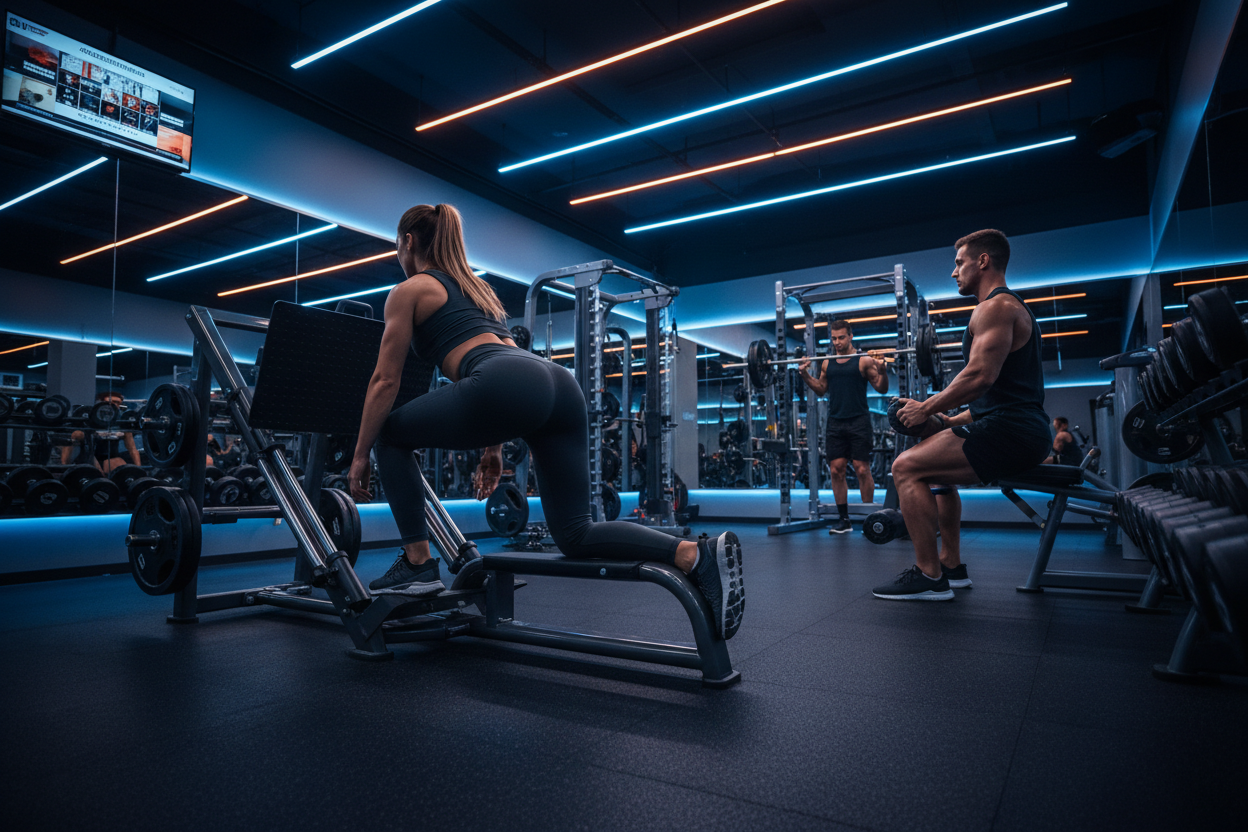
Walking into the gym's weight room can be intimidating. Rows of gleaming metal machines with unfamiliar levers and pads might seem like a puzzle. But for building serious lower body strength, muscle, and stability, learning to use this equipment is a game-changer. While bodyweight squats and lunges have their place, targeted leg exercises with equipment provide the structure, safety, and progressive overload needed for transformative results. This guide will help you move past the intimidation and understand how to effectively use these tools to build a powerful foundation.
Many people stick to what they know, circling the dumbbell rack endlessly. But the specialized nature of machines offers unique advantages. They guide your movement pattern, which is fantastic for beginners learning proper form or anyone recovering from an injury. More importantly, they allow you to safely lift heavier weights or push closer to muscular failure without needing a spotter. This controlled stress is what forces your muscles to adapt, grow, and become stronger. Machines isolate muscle groups more effectively, letting you target lagging areas like your inner thighs or hamstrings with precision that free weights sometimes can't match.
Your Guide to Essential Machine Leg Exercises
Let's put names to those machines and explain what they do. Knowing these common machine leg exercises names will boost your confidence when you approach them.
The leg press is often the cornerstone of a machine-based leg workout. You're seated, pushing a weighted platform away with your feet. It primarily targets your quadriceps (front of thighs) and glutes, with less strain on your lower back than a barbell squat. Foot placement is key: a high position emphasizes the hamstrings and glutes, while a lower position shifts focus to the quads.
For the back of your legs, the lying leg curl machine is the gold standard for hamstring development. Lying face down, you curl your heels toward your glutes against resistance. It's a pure isolation movement that builds the often-neglected hamstrings, crucial for knee health and balanced development.
Conversely, the leg extension machine isolates the quadriceps. Seated, you extend your knees from a bent to a straight position. It's excellent for adding detail and strength to the teardrop muscle near your knee (the VMO) and the overall front thigh. I often use it as a finishing movement after compound exercises to fully exhaust the quads.
Building a Complete Leg Workout with Equipment
A great leg workout with equipment isn't about hopping randomly from machine to machine. It's about creating a logical sequence that efficiently works all the major muscle groups. Start with your heaviest, most demanding compound movements when you're freshest. A leg press or hack squat (a machine that mimics a squat with your back supported) is a perfect starting point. Follow this with a movement that targets the hamstrings more directly, like a seated or lying leg curl.
Don't forget your inner and outer thighs. The hip adductor and abductor machines might seem niche, but they play a vital role in hip stability and creating a well-rounded physique. Finish with a focused burn on the leg extension for your quads and perhaps some standing or seated calf raises. This flow—from large compound movements to smaller isolation work—ensures you stimulate growth across the entire lower body without prematurely fatiguing smaller muscles.
I remember when I first committed to a structured leg day using machines. For months, I'd relied on free weights but struggled with knee discomfort during squats. Switching my focus to the leg press and hack squat for my primary movement allowed me to build foundational strength without pain. Within a few weeks, not only did my legs feel stronger, but my confidence in the gym soared. I was able to add weight consistently, and that strength eventually translated back to improved free weight form. It was a clear lesson in using the right tool for the job at the right time.
Maximizing Your Results Safely
Using machines doesn't mean you can ignore form. Adjust the machine to fit your body before you load any weight. The pivot points should align with your joints. Your back and hips should be flush against the pads. Move through a full, controlled range of motion—don't just bounce weight around. Exhale during the hardest part of the movement (the push or the contraction), and inhale as you return to the start.
Progression is the engine of growth. Once you can comfortably complete your target reps (say, 3 sets of 10-12) with good form, it's time to add a small amount of weight or an extra rep. This principle of progressive overload, safely facilitated by machines, is non-negotiable for continued improvement. Listen to your body; the burn of a working muscle is good, but sharp joint pain is a signal to stop and reassess your setup or weight.
Incorporating these leg exercises with machine guidance into your routine 1-2 times per week, with adequate recovery, will yield noticeable changes. Your legs will become more defined, your pants will fit differently, and your overall athleticism and metabolism will benefit. The structure they provide is a powerful ally in your fitness journey.
Frequently Asked Questions
Are machine leg exercises as good as free weights like squats?
They serve different purposes. Free weights like barbell squats are fantastic for building overall strength and coordination as they engage stabilizer muscles. Machines are superior for isolating specific muscle groups, allowing for safer heavy lifting, and are excellent for beginners or those with form limitations. A balanced program often includes both.
I'm new to the gym. Which machine should I try first?
The leg press is a fantastic starting point. It's relatively intuitive, supports your back, and allows you to get a feel for pushing significant weight with your legs. Focus on a comfortable foot placement at shoulder-width, lower the weight with control until your knees are at about 90 degrees, and press back up without locking your knees at the top.
How often should I train legs with this equipment?
For most people, training legs once or twice a week is sufficient for growth, provided the workouts are challenging. Your muscles grow during recovery, not in the gym. Ensure you have at least 48-72 hours of rest between intense leg sessions, and prioritize sleep and nutrition to support your hard work.