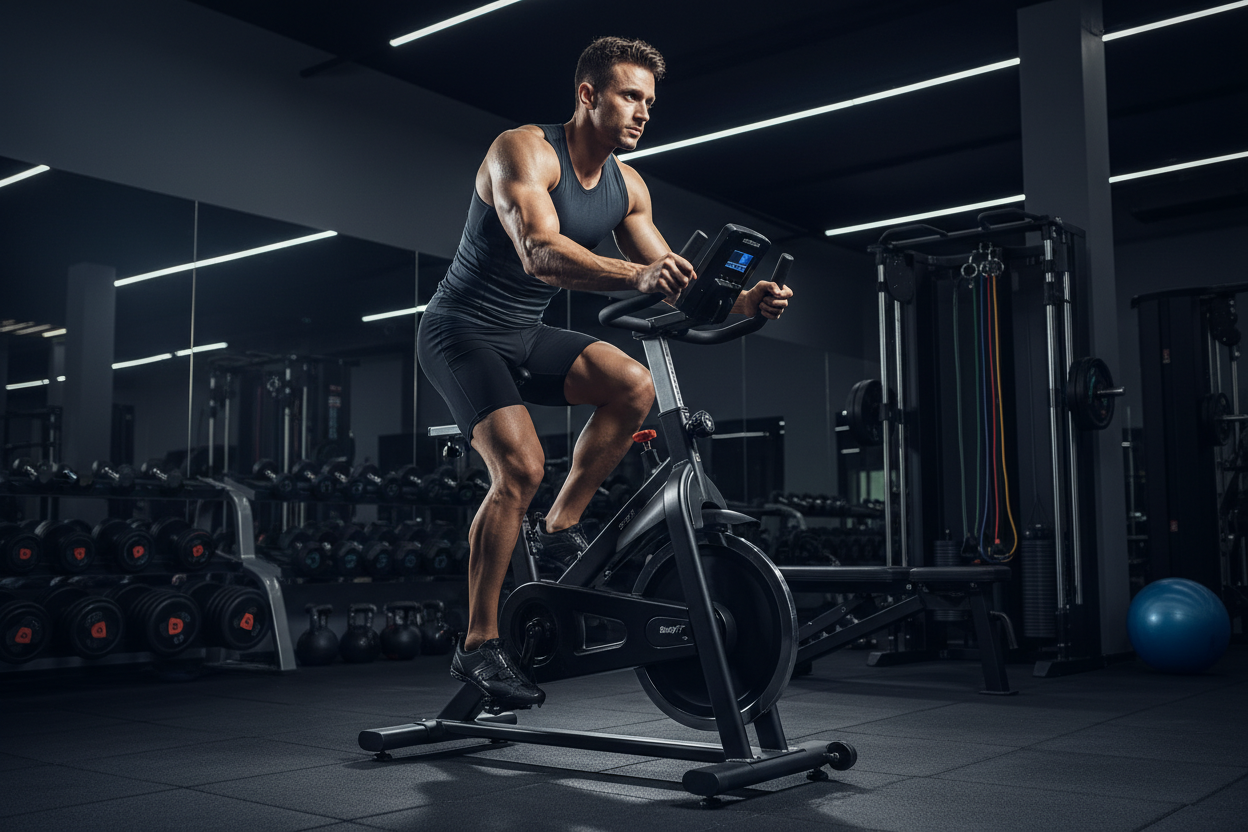
Free Weights Meaning: The Complete Training Guide for 2025
Have you ever hit a wall in your strength training, relying entirely on bulky cable machines and leg presses? If you are looking to build a more functional, space-saving home gym, you have probably heard trainers tell you to hit the dumbbell rack. But understanding the exact free weights meaning is the crucial first step before investing your hard-earned cash into heavy iron. This guide breaks down exactly what they are, why they matter, and how to integrate them into your space.
Key Takeaways
- To define free weight simply: it is any resistance equipment not attached to a fixed track, cam, or pulley system.
- They require you to balance the load yourself, engaging crucial stabilizer muscles that machines ignore.
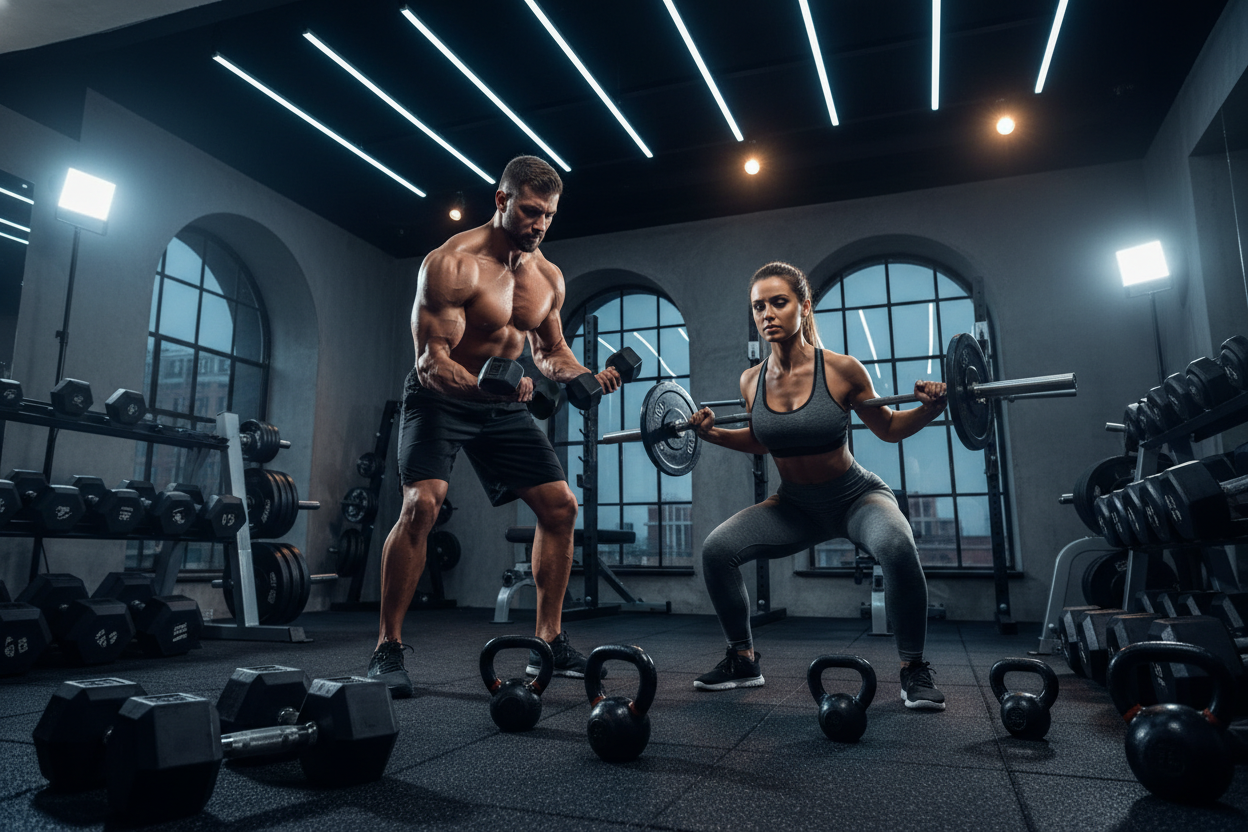
- A proper free weights description includes barbells, dumbbells, kettlebells, and medicine balls.
- They offer ultimate versatility for home gyms, taking up significantly less space than single-station machines.
Decoding the Jargon: What Does Free Weights Mean?
The Official Free Weight Definition
If you ask a fitness professional, 'what does free weights mean?', they will point to gravity. The resistance comes entirely from the physical mass of the object and gravity pulling it straight down toward the floor. Because there are no cables or tracks guiding your range of motion, your body has to do all the steering. This forces your nervous system to work overtime to keep the weight balanced.
Free Weight Exercises Meaning and Application
The free weight exercises meaning refers to movements that mimic real-life lifting mechanics. Think about picking a heavy box off the floor (a deadlift) or putting something heavy onto a high garage shelf (an overhead press). Training with unattached weight builds functional, real-world strength that fixed-path machines simply cannot replicate.
Planning Your Home Gym Space
Flooring and Clearance Needs
One massive advantage of free weights is their minimal footprint. A set of adjustable dumbbells can easily sit in the corner of a small apartment or home office. However, if you are upgrading to a barbell setup in a basement or garage gym, you need to plan carefully. A standard Olympic barbell requires at least an 8-foot by 8-foot footprint to allow for plate loading. Make sure to invest in 3/4-inch horse stall mats to protect your concrete foundation from accidental drops.
From Our Gym: Honest Take
When I first transitioned my garage gym from a massive, squeaky multi-gym machine to a pure free weight setup, the learning curve was real. My bench press numbers actually dropped for the first three weeks because my stabilizer muscles were shaking like leaves under the barbell. But after a month? My core strength skyrocketed. One specific detail I always warn people about: the knurling on high-quality bare steel barbells will tear up your hands at first. My chalked grip held solid through heavy deadlift sets, but you have to build those calluses. It is a raw, honest way to train, and I would not trade my power rack and barbell for any commercial machine.
Frequently Asked Questions
What does free weights mean for a complete beginner?
For a beginner, it means starting very light and focusing entirely on form. Because you control the movement path, poor technique can lead to injury faster than on a guided machine. Mastering the hip hinge and proper bracing is essential.
How do I define free weight vs bodyweight training?
Bodyweight training relies entirely on your own mass for resistance, like push-ups or pull-ups. Free weights add external, unattached loads—like holding a kettlebell while doing a squat—to increase the difficulty and stimulate further muscle growth.
Is it expensive to build a free weight home gym?
It can be incredibly budget-friendly. While commercial selectorized machines cost thousands of dollars, a single pair of adjustable dumbbells gives you access to hundreds of exercises for a fraction of the price, making it the best value-per-dollar investment for a home gym.