Free vs. Paid Workout Plans for Beginner Lifters: What's the Catch?
I remember staring at my phone, sweating in a garage that smelled like old tires and regret, trying to figure out why a 'simple' app wanted $20 a month for workout plans for beginner. It felt like a shakedown. I just wanted to know how to squat without my knees sounding like a bag of chips, but the app was more interested in showing me high-def videos of a guy with 4% body fat doing burpees on a beach.
Quick Takeaways
- Most paid apps are just overpriced spreadsheets with better UI.
- Free routines often lack the 'how-to' for people with zero mobility.
- A beginner training program should prioritize adding weight over adding new exercises.
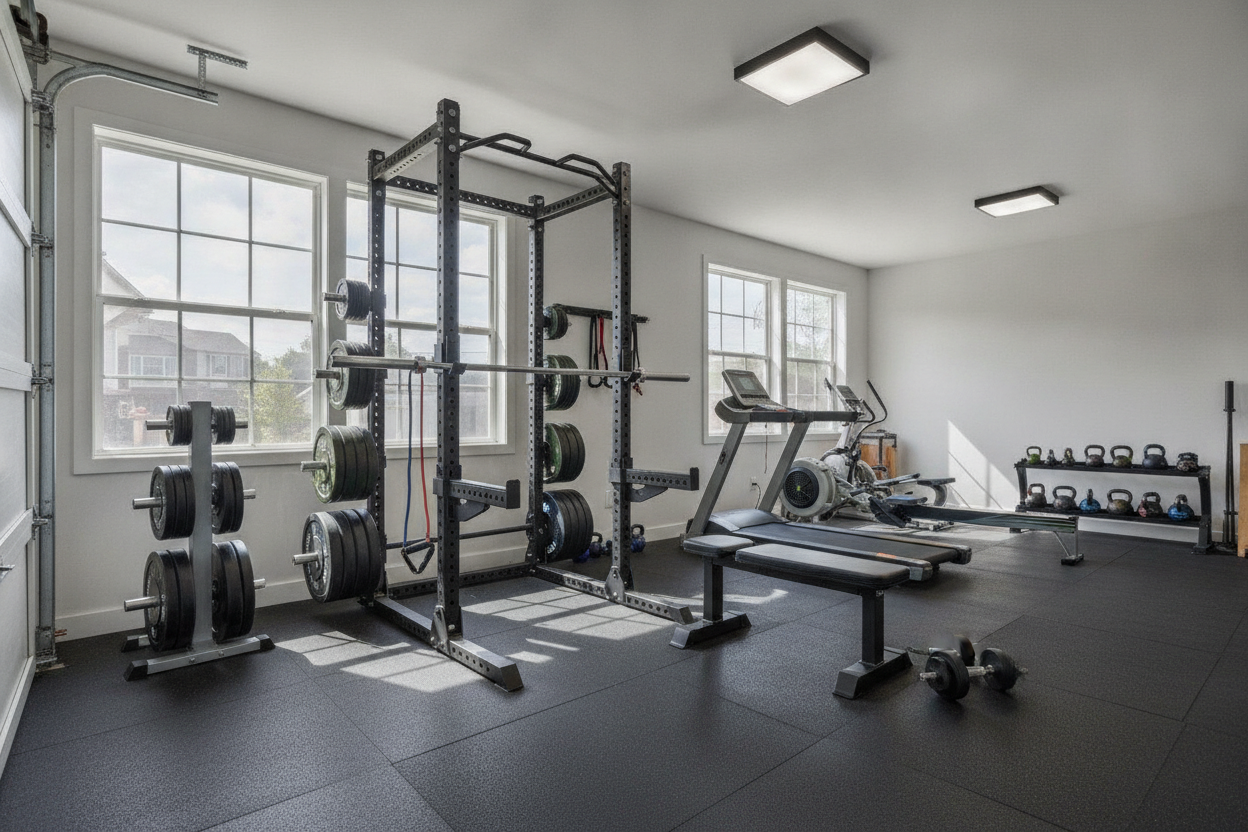
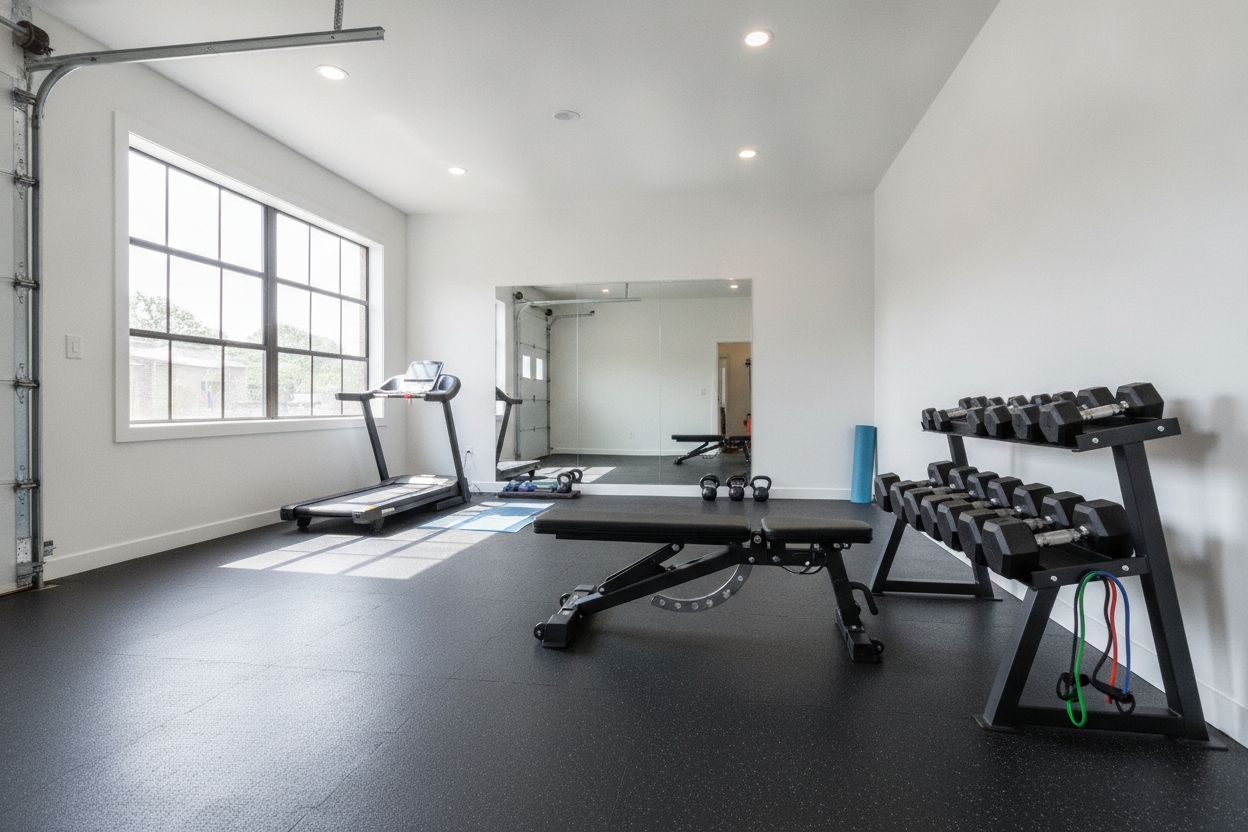
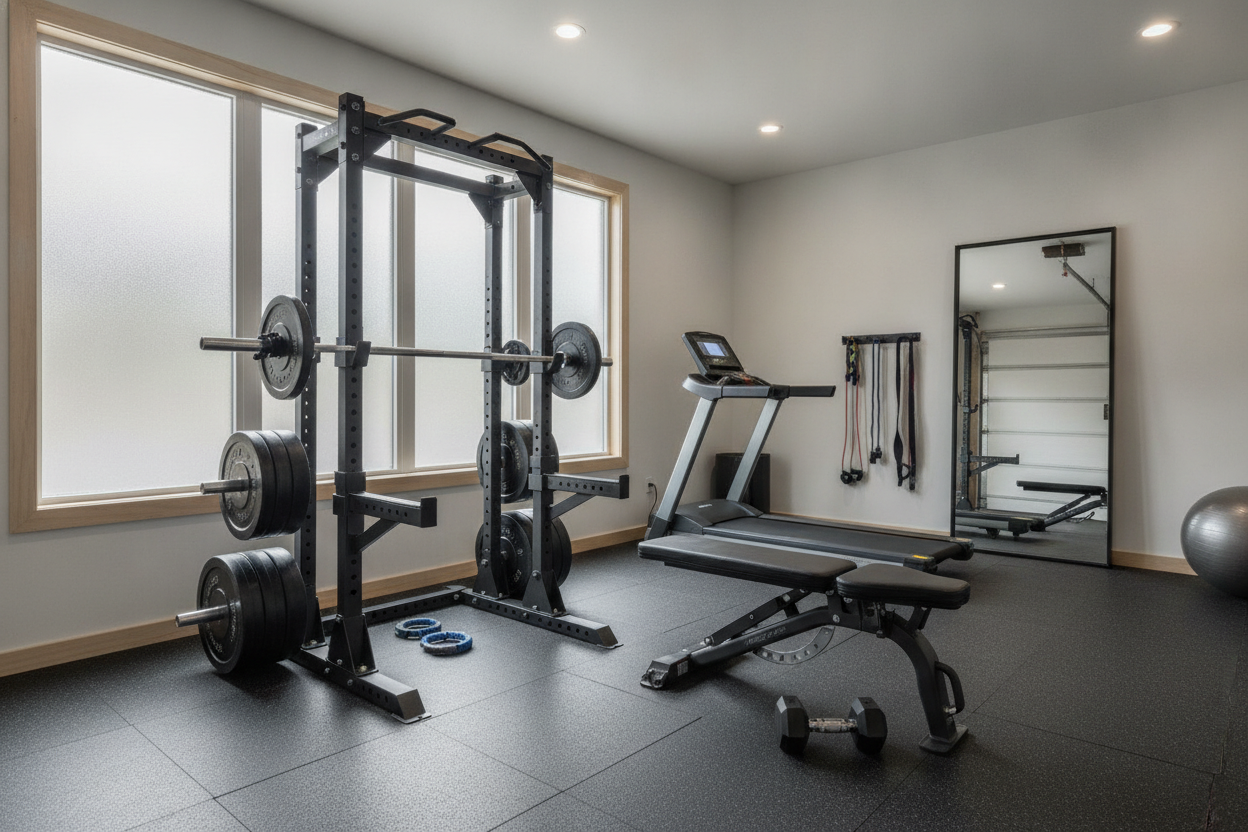
- You don't need a commercial gym; a dedicated 6x8 space is plenty to start.
The Illusion of the 'Perfect' Starter Routine
The fitness industry is brilliant at making simple things look like rocket science. If they told you that a solid beginner program only requires five basic movements and a bit of patience, they couldn't sell you a recurring subscription. Instead, they flood you with 'muscle confusion' and 'optimal' windows that do nothing but cause analysis paralysis.
You see these apps with 500 different exercises. It’s bloat. For a novice, variety is actually the enemy of progress. You need to do the same boring movements until they become second nature. Don't let a slick interface trick you into thinking complexity equals results.
Why You Should Be Skeptical of Open-Source Spreadsheets
I love the open-source spirit of the internet, but some of those legendary Reddit spreadsheets are a recipe for a physical therapist visit. They often assume you're a 19-year-old with infinite recovery and perfect ankle mobility. Many free beginner workout programs fail because they throw you into high-volume barbell work without checking if you can even hinge at the hips properly.
These routines are usually 'templates,' not actual coaching. If the spreadsheet tells you to deadlift 135 pounds but you've never touched a bar, it isn't going to tell you how to fix your rounded back. It just sits there, judging you in Calibri font.
What Actually Makes a Beginner Program Workout Worth Following?
A beginner program workout is worth your time only if it has three things: linear progression, low exercise variety, and auto-regulation. Linear progression means you add a small amount of weight every single session. If the plan doesn't have a clear way to get stronger, it's just a cardio circuit in disguise.
I always tell people to look for vetted beginner workout guides that focus on the 'Big Five'—squat, bench, deadlift, overhead press, and row. If your program has you doing 'cable woodchoppers' on week one, throw it in the trash. You need a foundation before you start decorating the house.
The 'Less is More' Equipment Rule
You don't need a $3,000 power rack to start a workout program for beginner lifters. In fact, too much gear can be a distraction. I’ve seen people spend three months researching the perfect barbell and zero days actually lifting. All you really need is enough space to move and a surface that won't slip.
I started my home gym with nothing but a pair of adjustable dumbbells and a large home gym floor mat. That mat defined my 'work zone.' When I stepped on it, the distractions stopped. It protected my subfloor and kept me from sliding around during goblet squats. Simple beats expensive every time.
Customizing a Workout Program for Beginner Needs
Whether you’re using a free PDF or a premium app, you have to be the boss of the volume. Most beginner workout programs are written for the 'average' person, but nobody is average. If you're 45 and haven't run a mile since the Clinton administration, you shouldn't be doing 5 sets of 10 on day one.
Scale it back. Start with 2 sets. See how you feel the next day. I’ve written about this before when discussing an effective beginner program for women—the logic applies to everyone: exercise selection matters less than your ability to actually show up again 48 hours later without needing an ice bath.
Personal Experience: My 'Ego' Phase
Years ago, I tried a 'pro' routine I found on a forum. It had me doing 20 sets of chest on Monday. By Wednesday, I couldn't lift my arms to brush my teeth. I thought I was 'working hard,' but I was actually just being an idiot. I made zero strength gains that month because I was too sore to lift anything heavy. I switched to a basic 3-day-a-week beginner program and my numbers finally moved. Consistency beats intensity for novices, period.
FAQ
How many days a week should a beginner train?
Three days is the sweet spot. It gives you 48 hours of recovery between sessions, which is where the actual muscle growth happens. Any more and you'll likely burn out or get bored within a month.
Do I need to take supplements?
No. Focus on eating enough protein and getting sleep. Supplements are the last 1% of the equation; don't worry about them until you've consistently hit your workout guides for beginners for at least six months.
What if I can't do a specific exercise?
Swap it for a regression. Can't do a pull-up? Do a lat pulldown or a seated row. The goal is to stimulate the muscle, not to win a gold medal in a specific movement on day one.