Foam Mat Roll Explained: What to Know Before You Buy
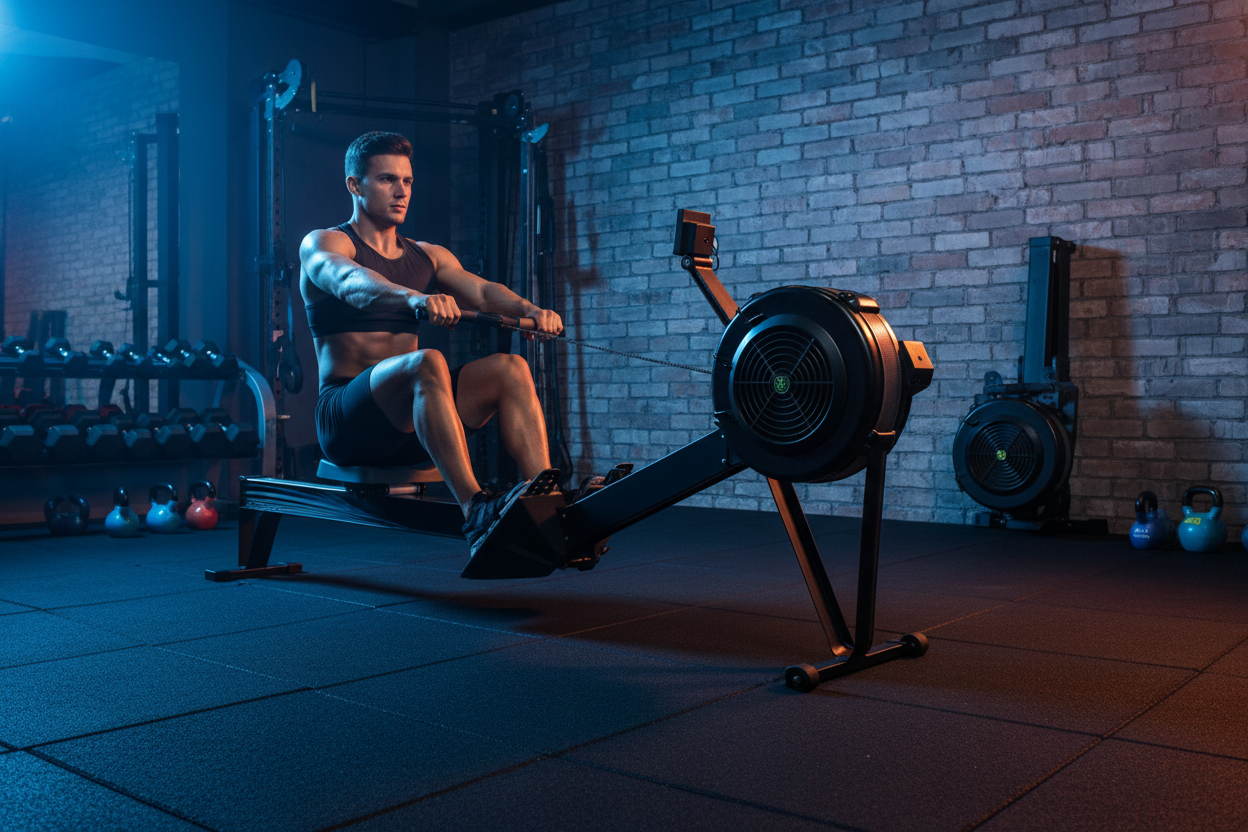
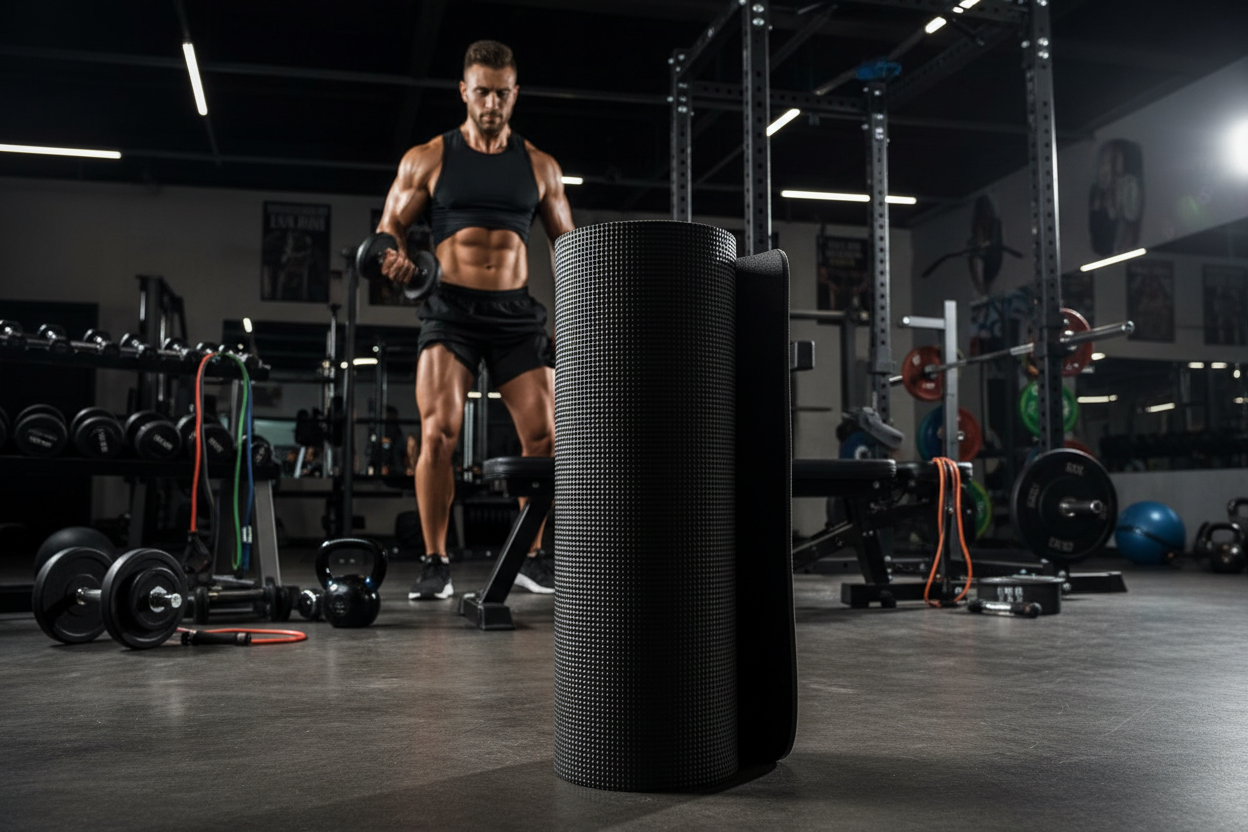
Building a home gym is exciting until you are staring at a cold, unforgiving concrete floor. Whether you are dealing with a drafty garage, an unfinished basement, or an apartment living room that needs acoustic dampening, your flooring sets the foundation for every workout. That is exactly why investing in a high-quality foam mat roll is often the first and smartest decision you can make for your training space.
But not all flooring is created equal. From density ratings to thickness variations, choosing the wrong material can leave you with torn foam, slipping hazards, or damaged subfloors. In this guide, we will break down exactly what you need to know to find the perfect flooring solution for your specific training style.
Key Takeaways
- Seamless coverage: Rolled mats offer fewer seams than interlocking tiles, reducing tripping hazards and preventing sweat from seeping into your subfloor.
- Thickness matters: A 1/4-inch mat works for yoga and light cardio, but you need at least 3/8-inch or 1/2-inch for dumbbells and kettlebell work.
- Density is key: High-density EVA foam prevents the mat from compressing under heavy equipment like power racks or treadmills.
- Easy installation: Simply unroll, trim to fit with a utility knife, and tape the seams for a custom wall-to-wall look.
Decoding Thickness and Density
The biggest mistake most people make when buying gym flooring is confusing thickness with density. You can have a thick mat that is incredibly soft, which is terrible for lifting weights because it compromises your stability. Conversely, a thin but dense mat might protect your floor from scratches but will not absorb the shock of a dropped dumbbell.
Finding the Sweet Spot
If your routine consists heavily of bodyweight exercises, HIIT, and yoga, a softer, 1/4-inch mat provides ample cushioning for your joints. However, if you are incorporating free weights, kettlebells, or placing heavy cardio machines on top, you need a high-density mat that is at least 3/8-inch thick. High-density foam ensures that your feet stay firmly planted during squats and deadlifts without sinking into the floor.
Sizing Up Your Space
One of the main reasons home gym owners prefer a rolled foam mat over traditional puzzle tiles is the clean, cohesive look it provides. But getting the dimensions right is crucial.
Garage vs. Basement Setups
Most rolls come in standard widths of 4 feet and vary in length from 10 to 50 feet. For a standard single-car garage gym setup, two 4x15 foot rolls placed side-by-side will give you a generous 8x15 foot footprint—plenty of room for a power rack, a bench, and a deadlift zone. If you are setting up in a basement with support pillars, the beauty of foam is that it is easily customizable. You can carve around obstacles using a standard utility knife and a straight edge.
Durability and Maintenance Considerations
Foam is inherently porous unless it features a closed-cell construction. Always look for closed-cell foam, as it resists moisture, sweat, and bacteria. Maintenance is generally straightforward: a damp mop with a mild, non-abrasive soap is all you need. Avoid harsh chemicals like bleach, which can break down the foam over time and cause it to flake or lose its grip.
From Our Gym: Honest Take
After unrolling a 3/8-inch high-density foam mat roll in my own garage gym last winter, the temperature difference was immediate—no more freezing feet during early morning sessions. The seamless surface is fantastic for burpees and stretching. However, I have to be honest: during heavy kettlebell swings, I noticed the mat shifted slightly on my slick epoxy floor. If you are not weighing the mat down with heavy equipment like a treadmill or a squat rack, I highly recommend grabbing some double-sided carpet tape to anchor the edges. Also, while it handles dropped 50-pound dumbbells like a champ, do not drop heavy barbells on it—you will still need dedicated rubber drop pads or a lifting platform for serious Olympic lifting.
Frequently Asked Questions
Is a foam mat roll better than interlocking tiles?
For larger spaces, yes. Rolls provide a smoother surface with fewer seams, which means less shifting during lateral movements and less chance of dirt and sweat getting trapped between pieces.
Can I park my car on a foam mat in the garage?
No. Even high-density foam is not designed to withstand the concentrated weight and hot tires of a vehicle. If your garage serves dual purposes, you should opt for vulcanized rubber flooring instead.
How do I flatten the edges after unrolling?
Foam has a memory and will curl at the ends right out of the box. Simply unroll it, place some weight plates or heavy books on the corners, and leave it in a warm room for 24 to 48 hours to relax the material.