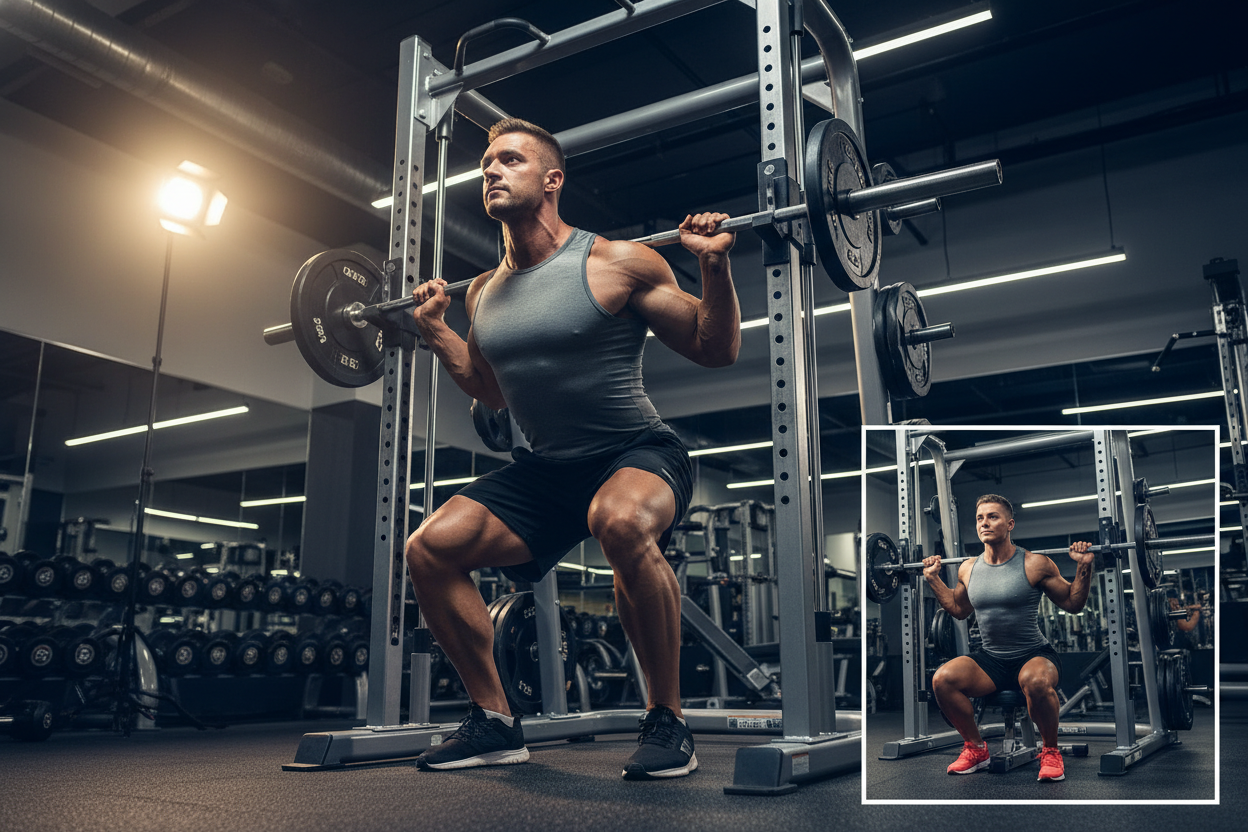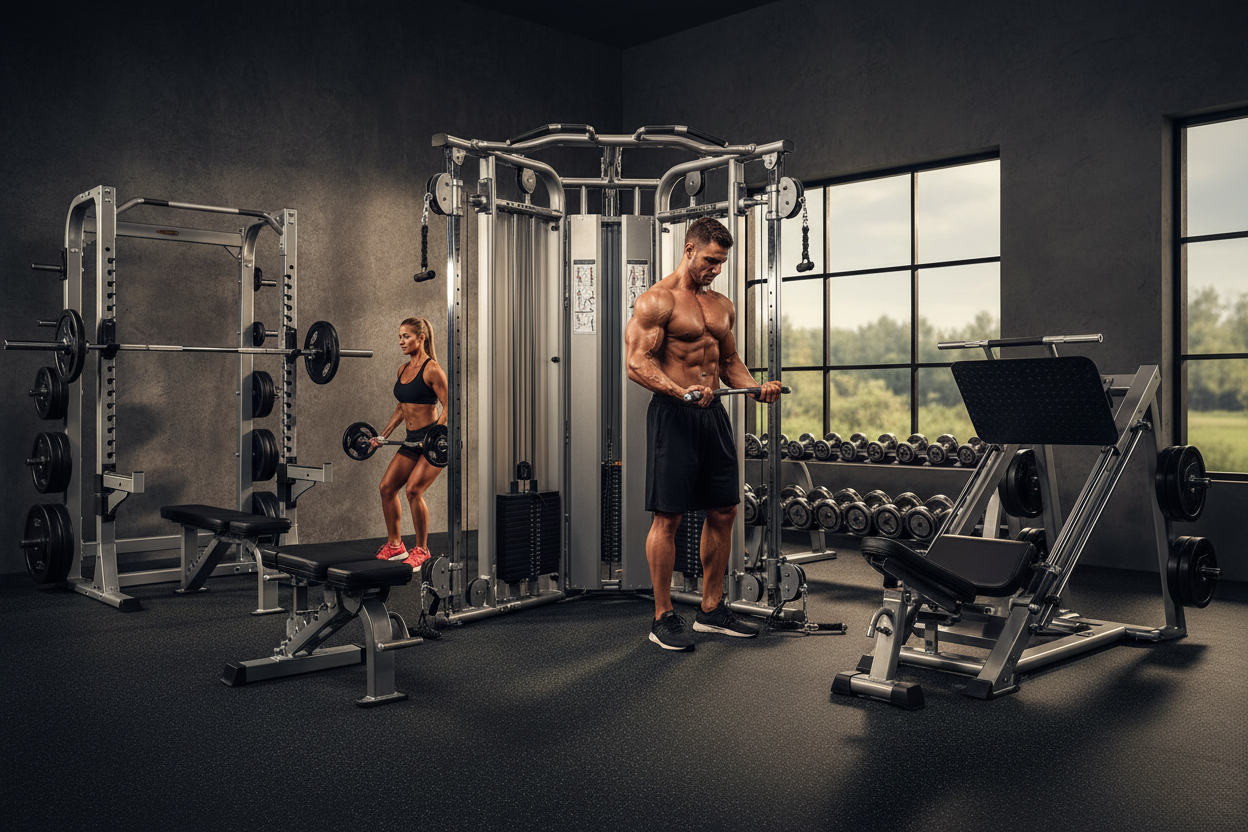
Finding the Best Weight Machine: The Definitive Home Gym Guide
Buying fitness equipment is often an exercise in frustration. You are bombarded with flashy marketing, proprietary resistance technology, and promises of instant transformation. The reality is that the best weight machine isn't necessarily the most expensive one; it's the one that matches your biomechanics and actually fits in your spare room.
Too many people invest thousands of dollars into a setup that eventually becomes an expensive clothes hanger. To avoid that, you need to understand the mechanics of resistance, the footprint of the gear, and how it aligns with your specific training goals.
Key Takeaways: Choosing Your Equipment
- Resistance Type Matters: Decide between selectorized (weight stacks), plate-loaded (uses your existing plates), or rod/band resistance based on your strength goals.
- Footprint vs. Height: Measure your ceiling height. Many lat pulldown attachments on the best weight machines fail because standard ceilings are too low.
- Cable Quality: Look for a 2:1 pulley ratio for functional training, which provides smoother travel but less total resistance.
- Adjustability: Ensure the seat and lever arms adjust to your limb length to prevent joint strain.
The Biomechanics of Machine Selection
When scouting for the best weight machines, you have to look past the upholstery. The primary function of a machine is to stabilize the body so you can isolate a specific muscle group. If the machine forces your body into an unnatural path of motion, it is useless.
Fixed Axis vs. Cable Motion
Fixed axis machines (like a chest press machine) lock you into a specific groove. This is excellent for hypertrophy (muscle growth) because it removes the need for you to balance the load. You can push to absolute failure safely.
However, if the pivot point of the machine doesn't align with your joint's pivot point, you will feel shearing force. This is why adjustable seat heights are non-negotiable. If you cannot align your shoulder with the machine's axis, do not buy it.
The Power of Cables
Cable machines offer a different benefit: constant tension. Unlike dumbbells, where gravity only pulls down, cables pull in the direction of the wire. This allows for resistance curves that match your muscle's strength profile more accurately.
Analyzing Resistance Systems
Not all weight is created equal. The feel of the lift changes drastically depending on the mechanism generating the load.
Selectorized (Weight Stacks)
These are the standard "pin-and-go" machines found in commercial gyms. They are convenient and allow for rapid drop sets. The downside for home buyers is the weight limit. Once you outgrow the 200lb stack, the machine becomes obsolete for compound movements.
Plate-Loaded Machines
These utilize leverage arms and require you to load round iron plates onto them. They are generally smoother and can handle significantly more weight than stack machines. The trade-off is the footprint; they tend to be wider and require extra space to actually load the plates on the sides.
Common Mistakes When Buying
The biggest error is ignoring the "working footprint." A machine might measure 4x6 feet, but if you need to extend your legs or arms outside that box, or load plates on the side, the actual space required is much larger.
Another mistake is buying "all-in-one" home gyms with low-quality pulleys. If the pulley system uses cheap nylon bushings instead of ball bearings, the movement will feel gritty. This friction reduces the eccentric (lowering) load, which is crucial for muscle growth.
My Personal Experience with the best weight machine
I want to be real about what living with this equipment is actually like. A few years ago, I bought what was marketed as a high-end functional trainer for my garage. On paper, it was perfect.
However, the first time I used it for a chest fly, I noticed something the specs didn't mention: the drag. There was this specific, gritty friction at the very start of the concentric movement (the pull). It wasn't smooth. It felt like the cable was sawing through the housing.
Even worse was the knurling on the included D-handles. It was so aggressive that it felt like grabbing a cheese grater, yet the coating was slippery when my hands got sweaty. I ended up having to buy aftermarket handles and spent a Saturday morning disassembling the pulleys to grease the bearings with silicone lubricant just to get a decent rep. Keep in mind that "assembly required" often means "fine-tuning required" if you want it to feel like a commercial gym piece.
Conclusion
Finding the right equipment is about balancing budget, space, and biomechanics. Don't get distracted by bells and whistles. Focus on smooth pulleys, stable frames, and adjustability. The right machine will serve you for decades; the wrong one will just hold your laundry.
Frequently Asked Questions
Is a weight machine better than free weights?
Not necessarily better, just different. Machines provide stability and isolation, making them safer for going to failure without a spotter. Free weights require more stabilizer muscle activation. A balanced program usually includes both.
How much space do I need for a home weight machine?
You typically need a minimum of 8x8 feet for a standard multi-gym. However, always add 2 feet of clearance on every side that requires access (for loading plates or maintenance). Measure your ceiling height as well, as pull-up stations often require 8-foot clearance.
Can I build significant muscle with just a machine?
Yes. Your muscles do not know if you are holding a dumbbell or pushing a lever; they only detect tension. As long as you apply progressive overload (increasing weight or reps over time) and eat enough protein, you will build muscle using machines.