Finding the Best Rowing Machine for Seniors: A Safety-First Guide
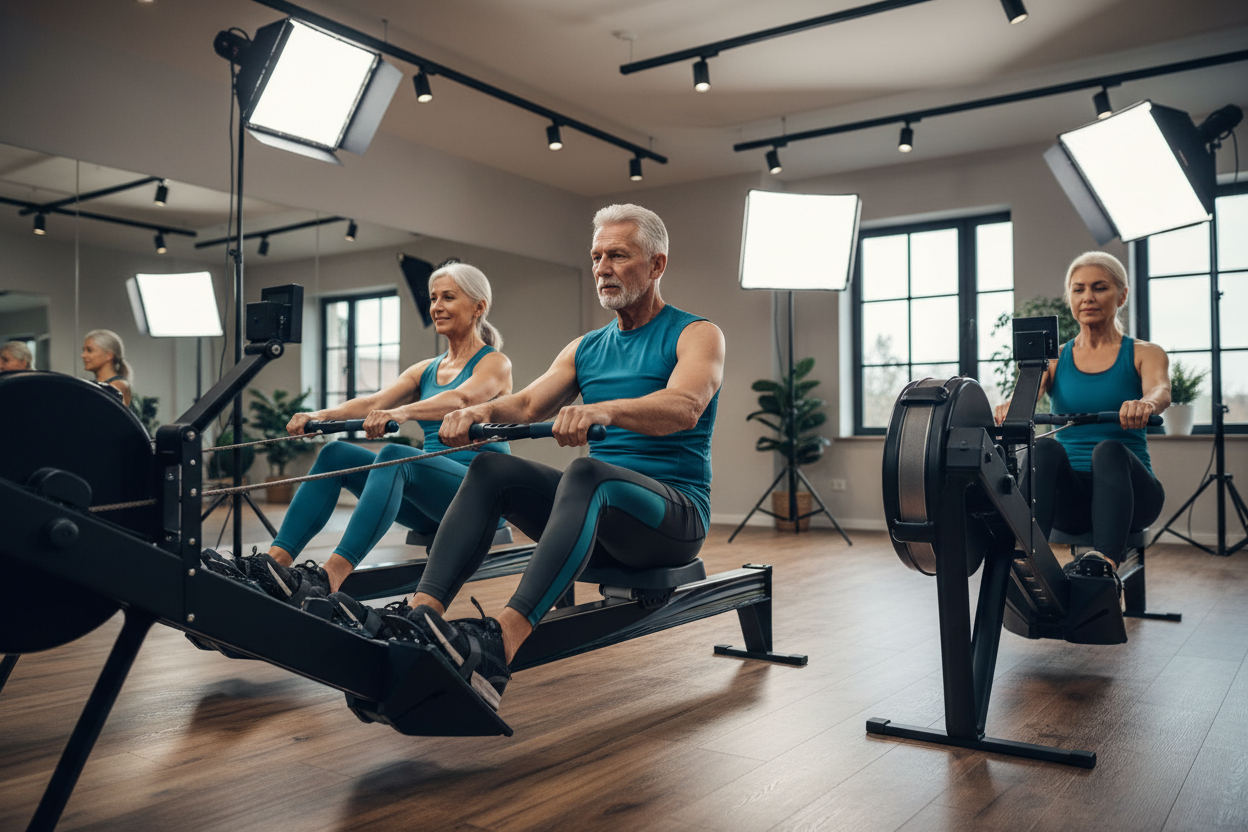
Your knees shouldn't scream at you after a workout. For many older adults, the search for cardiovascular health often feels like a trade-off between heart health and joint preservation. This is where best rowing machine for seniors comes into play as a vital tool for longevity.
Unlike the pounding impact of a treadmill or the balance risks associated with outdoor cycling, rowing offers a unique blend of safety and strength. However, not all machines are built the same. If you choose the wrong model, you might find yourself struggling to get off a seat that is too low or fighting resistance that is too jerky. Let's break down exactly what you need to look for to row safely and effectively.
Key Takeaways: What Matters Most?
If you are in a rush, here is the quick checklist regarding what makes a rower suitable for older adults.
- Seat Height (Chair Height): Look for a rail height of at least 15-20 inches. This allows you to sit down and stand up without straining your hips or knees.
- Resistance Type: Magnetic resistance is often preferred for senior rowing because it provides a smooth, silent pull that doesn't rely on aggressive speed to generate tension.
- Monitor Readability: Large, high-contrast screens are essential. You shouldn't have to squint to see your heart rate.
- Step-Through Design: A machine frame that allows you to step through—rather than swinging a leg over a high rail—is crucial for balance.
The Science: Benefits of Rowing Machine for Seniors
Why is everyone suddenly talking about rowing for seniors? It comes down to biomechanics. Rowing is a closed-kinetic chain exercise. This means your feet remain in contact with the footplates the entire time.
Because there is no impact spike (like your foot hitting the pavement), the compressive forces on your ankles, knees, and hips are drastically reduced. Furthermore, rowing engages 86% of your muscles. It is not just cardio; it is a posterior chain workout that strengthens the back muscles, which is essential for maintaining posture and preventing the dreaded "slump" as we age.
Critical Features to Look For
1. The "Chair Height" Factor
This is the dealbreaker. Standard commercial rowers (like the ones you see in CrossFit gyms) often have a seat height of about 14 inches. For a 25-year-old, that is fine. For someone managing arthritis or limited hip mobility, that is a long way down.
When shopping for rowing machines for seniors, prioritize models with a "high rise" or "chair height" seat (typically 20 inches). This mimics the height of a standard dining chair, making the transition on and off the machine safe and dignified.
2. Resistance: Air vs. Magnetic vs. Water
Air Rowers: These are the industry standard but can be noisy. The resistance increases the harder you pull. This can sometimes be jarring for seniors who want a steady, consistent pace without needing to explode through the drive.
Magnetic Rowers: These are usually the best option. They are whisper-quiet (perfect if you watch TV while exercising) and the resistance is constant. You can set it to a light level and just focus on the movement pattern without the machine fighting back.
3. The Footplates and Straps
Look for pivoting footplates. As you compress into the catch (the start of the stroke), your ankle flexibility is tested. Fixed plates can force your heels to lift aggressively, putting strain on the Achilles. Pivoting plates move with you, accommodating limited ankle mobility.
Common Mistakes to Avoid
Don't buy a rower just because it folds up small. Often, compact rowing machines for seniors sacrifice structural integrity for space. A lightweight machine may wobble during use, creating a fall risk. You want a machine with a solid steel frame and a weight capacity that exceeds your own body weight by at least 50 pounds to ensure stability.
My Training Log: Real Talk
I want to share a specific experience from my time testing equipment for a client named Arthur, who was 74 at the time. We were looking at a very popular, high-end air rower—the industry gold standard. On paper, it was the "best."
But when Arthur tried to use it, we hit a snag that isn't listed in the manual. The monorail was so low that once he sat down, his knees were above his hips. When he finished his workout and his legs were fatigued, he physically couldn't generate the leverage to stand up without me pulling him up by the arm.
We switched him to a magnetic rower with a 20-inch seat height. The difference was night and day. But here is the specific detail I noticed: the handle width. The air rower had a wide, ergonomic handle that felt great. The magnetic one had a narrower, straight bar. Because Arthur had some shoulder impingement, the narrow grip forced his elbows out and caused pain. We ended up having to wrap the center of the handle with tennis grip tape so he could hold it closer to the center without slipping. It's these little ergonomic nuances—handle width and rail height—that matter far more than Bluetooth connectivity or leaderboards.
Conclusion
Finding the best rowing machine for seniors isn't about finding the one with the most bells and whistles. It is about finding the machine that respects your biomechanics. Prioritize seat height, stability, and smooth magnetic resistance. Your joints will thank you, and you will find it much easier to stay consistent with your workouts.
Frequently Asked Questions
Is rowing bad for your lower back?
Rowing is actually excellent for strengthening the lower back, provided your form is correct. The danger comes from rounding the spine. If you maintain a neutral spine and drive with your legs first, rowing builds the core strength needed to protect your back.
How long should a senior row for?
Start slow. For beginners, 5 to 10 minutes is sufficient to acclimatize your muscles. Aim for consistency rather than duration. Over time, build up to 20 or 30 minutes of steady-state rowing to gain full cardiovascular benefits.
Can I use a rowing machine with a knee replacement?
Many physical therapists recommend rowing for seniors post-rehab because it is non-weight bearing. However, range of motion is key. You need to be able to bend your knee enough to slide forward. Always consult your doctor or physical therapist before starting a new regimen.