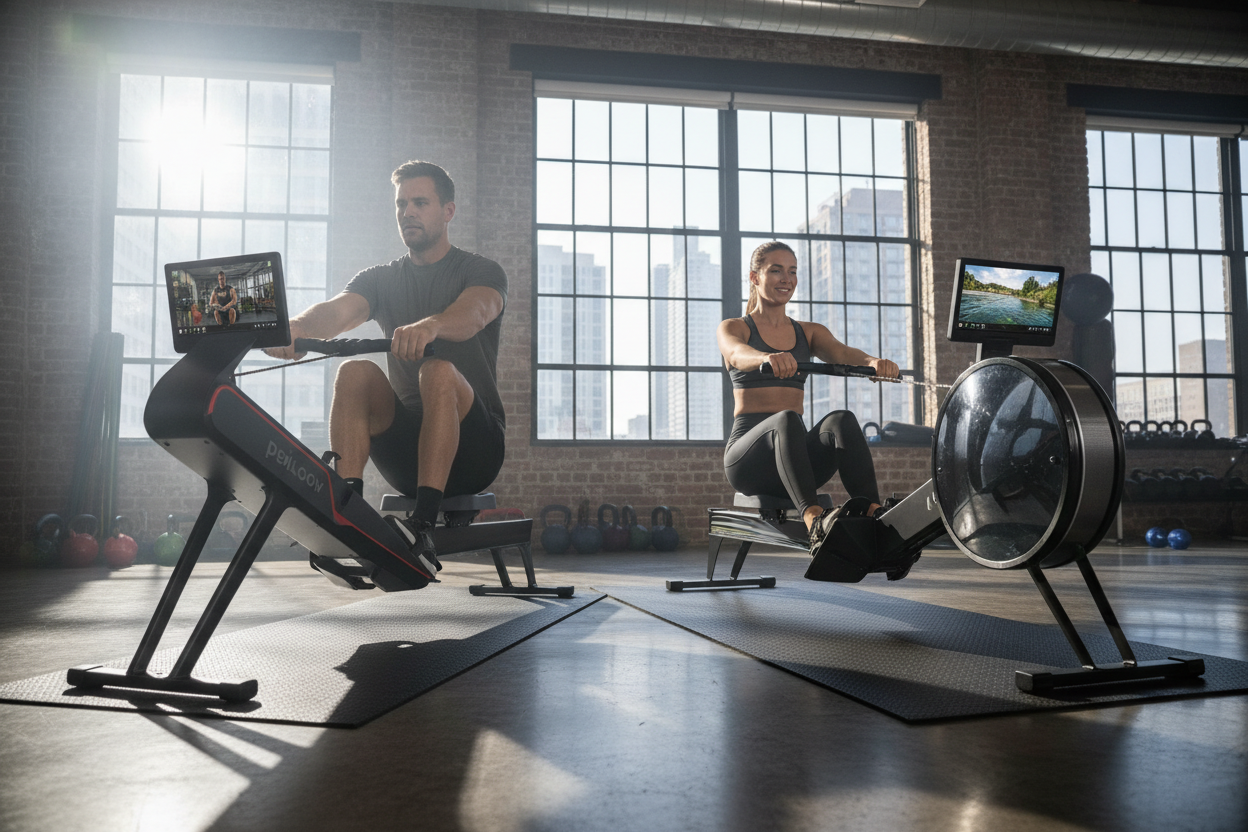
Finding a Rowing Machine Like Peloton: The Honest Truth
You want that electric studio atmosphere. You want the leaderboard, the high-fives, and the instructor shouting your name when you hit a PR. Essentially, you are hunting for a rowing machine like Peloton that brings the same addictive energy of their bike to a full-body workout.
But the rowing market is trickier than cycling. Mechanics matter more here. If the drag factor is off or the catch slips, no amount of high-definition screen real estate will save your workout. Whether you are debating the actual Peloton Row or its fiercest rival, the Hydrow, understanding the nuance of connected fitness is the only way to avoid an expensive coat rack.
Key Takeaways: Connected Rower Essentials
- The Ecosystem is King: A machine is only as good as its software. Peloton focuses on studio-based instruction, while Hydrow emphasizes on-water realism.
- Resistance Matters: Most "Peloton-like" rowers use magnetic resistance for silence and smoothness, differing significantly from the air-based Concept2 found in CrossFit boxes.
- Form Feedback: The Peloton Row offers real-time form correction sensors, a feature distinct from Hydrow and most competitors.
- Subscription Costs: The hardware price is just the entry fee; factor in the monthly $44+ membership required to make the screen functional.
The Titan Clash: Peloton Row vs Hydrow
When discussing a peloton rower alternative, the conversation inevitably lands on one comparison: peloton vs hydrow. While both offer premium hardware and slick interfaces, their philosophies are fundamentally different.
The Visual Experience: Studio vs. Nature
If you love the Peloton Bike, the Peloton Row will feel like home. It uses the same "black box" studio aesthetic. The lighting is dark, the music is loud, and the instructors are celebrities. It is a gym experience brought to your living room.
In the hydrow vs peloton debate, Hydrow takes the opposite approach. Their content is filmed live on the water—from the Thames in London to the Charles River in Boston. You aren't looking at a studio; you are looking at the back of an Olympian's boat. The psychology here is different. Hydrow is meditative and rhythmic; Peloton is hype-driven and metric-focused.
The Mechanics: Hydrow Rower vs Peloton Rower
Let's talk about the pull. The peloton hydrow comparison reveals distinct engineering choices. The Hydrow uses a patented electromagnetic drag mechanism designed to mimic the specific feel of a 60lb boat moving through water. It requires a split-second of engagement at the "catch" (the start of the stroke).
The Peloton Row uses electronically controlled resistance that feels incredibly smooth but slightly more "digital" or static compared to the dynamic feel of water. It is silent and efficient, but purists often argue the hydrow vs peloton row feel leans in Hydrow's favor for authenticity.
The Tech Factor: Form Assist and Metrics
This is where the peloton rower vs hydrow battle shifts. Rowing is technical. If your form is bad on a bike, you just look silly. If your form is bad on a rower, you hurt your lower back.
Peloton solved this with built-in sensors in the rail and handle. During class, the screen highlights if you are opening your back too early or rushing the slide. For beginners, this rowing machine vs peloton bike transition is crucial because it acts as a safety net.
Hydrow relies on visual mimicry. You watch the athlete and copy them. It is effective for visual learners, but it lacks the active feedback loop of the Peloton Row.
My Training Log: Real Talk
I’ve spent months testing both ecosystems, and I need to share a specific detail about the peloton vs rowing machine reality that specs don't cover.
It’s the sweat management and the rail.
When I was testing the Peloton Row doing a 20-minute HIIT interval class, I realized something annoying about the sleek design. Because the rail is so enclosed and the aesthetic is so clean, cleaning the actual track where the seat rollers glide is a bit fiddly. About three weeks in, I felt a tiny "bump" on every slide forward. It wasn't a mechanical failure; it was a mix of dust and dried sweat that had compacted on the roller.
With the Hydrow, the rail is more exposed (like a traditional shell), making it easier to wipe down after a session. Also, the foot placement on the Peloton feels slightly wider to me. I have narrow hips, and on the Peloton, I felt a slight pinch in my hip flexors at the deep catch position that I didn't feel on the Hydrow. These machines look like furniture, but remember: you have to violently sweat on them. Maintenance is real.
Conclusion
Choosing a rowing machine like Peloton comes down to what motivates you. If you need the lights, the music, and the sensor-based coaching to keep your form strict, the Peloton Row is the winner. However, if you want a peloton rower alternative that feels more like actual rowing and offers a mental escape to the outdoors, the Hydrow is superior.
Frequently Asked Questions
Is the Peloton Row quieter than the Hydrow?
Both machines are exceptionally quiet compared to air rowers (like the Concept2). The Peloton Row uses a nylon strap and magnetic resistance which is near-silent. The Hydrow also uses a strap and electromagnetic drag, producing only a soft "whoosh." You can use either in an apartment without waking the neighbors.
Can I use the Peloton app with a different rowing machine?
Yes. You can buy a cheaper magnetic rower and use the Peloton App+ on a tablet. However, you lose the "Connected" features. Your metrics (split time, output) won't appear on the leaderboard, and you won't get the Form Assist feedback. It is a budget-friendly peloton vs rowing machine compromise.
Which rower gives a better full-body workout?
Both the hydrow rower vs peloton rower offer identical physiological benefits. Rowing utilizes 86% of your muscles. The difference lies in the programming. Peloton classes often include "bootcamp" style segments where you get off the rower to lift weights, offering a more holistic strength-cardio blend within a single class.